
Robotic gastric bypass surgery has changed weight loss treatments for the better. It’s safer and more precise than old methods. Every year, over 650,000 bariatric surgeries are done worldwide. It’s vital to know about this complex surgery.
They make sure patients get the best care. We’ll dive into robotic gastric bypass surgery. You’ll learn about the process, its importance, and what to expect.
Key Takeaways
- Robotic gastric bypass surgery is a complex procedure requiring precision and expertise.
- The surgery offers a safer alternative to traditional weight loss surgical methods.
- Institutions with experienced staff and modern facilities are key for success.
- Understanding the process and its significance is important for patient preparation.
- Robotic technology helps surgeons perform the surgery more accurately.
Understanding Robotic Gastric Bypass Surgery
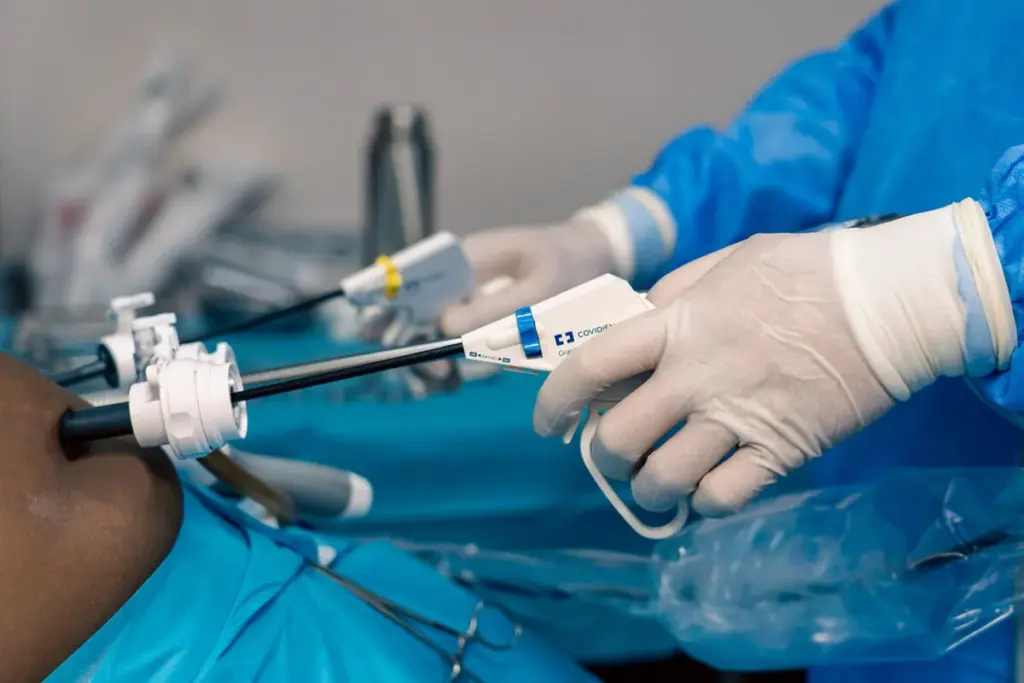
Robotic technology has changed gastric bypass surgery a lot. It makes the surgery more precise and helps patients recover faster. This new way of doing weight loss surgeries is leading the field.
Definition and Purpose of Gastric Bypass
Gastric bypass surgery, or Roux-en-Y gastric bypass, makes a small pouch from the stomach. It connects this pouch to the small intestine. This helps people with obesity lose a lot of weight by eating less and absorbing fewer nutrients.
The main goal of gastric bypass surgery is to help people who are very overweight lose a lot of weight. It’s a complex surgery that needs a lot of thought and planning.
Evolution of Robotic Techniques in Weight Loss Surgery
Robotic techniques in weight loss surgery have grown a lot in the last 20 years. At first, laparoscopic surgery was the main way. But now, robotic systems are more common because they offer better control and precision.
- Improved visualization for surgeons
- Enhanced precision in dissecting and suturing
- Better control over complex maneuvers
- Reduced tremors and fatigue during long procedures
These improvements have made robotic-assisted bariatric surgeries more popular. They can lead to fewer complications and faster recovery times for patients.
The da Vinci Surgical System in Bariatric Procedures
The da Vinci Surgical System is a top choice for robotic surgery, including bariatric procedures. It gives surgeons a clear, 3D view of the area and instruments that move like a human wrist. This allows for very precise movements.
Key benefits of the da Vinci System include:
- Enhanced surgical precision
- Minimally invasive approach, reducing scarring
- Potential for less blood loss and fewer complications
- Shorter hospital stays and recovery times
Using the da Vinci System, surgeons can do complex bariatric surgeries more easily and accurately. This helps improve patient outcomes.
The Timeline of Robotic Gastric Bypass Surgery
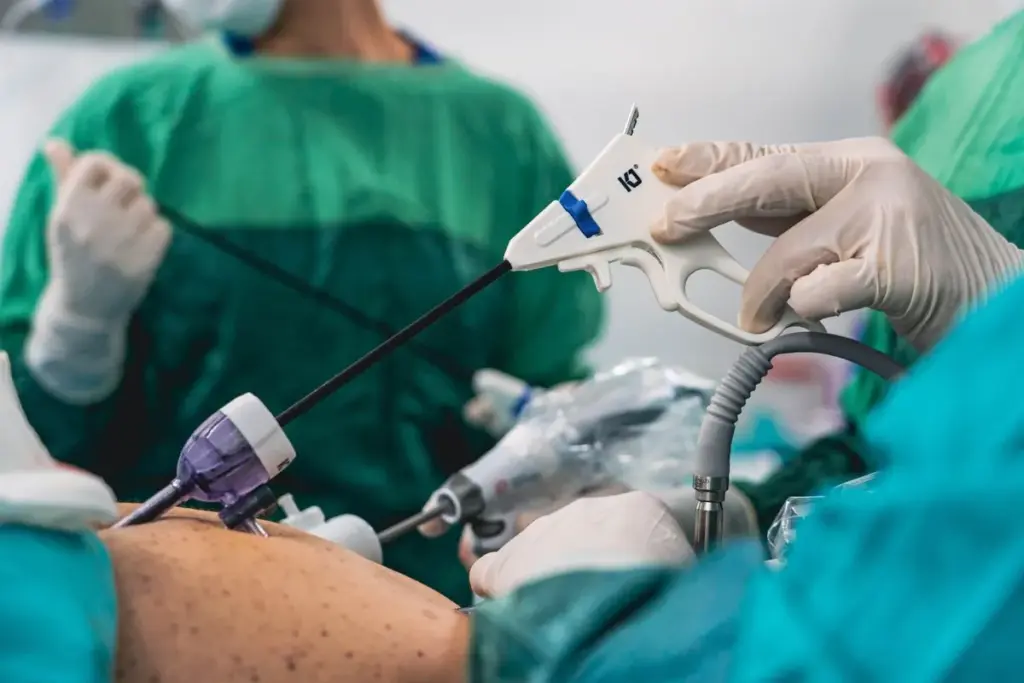
It is crucial for patients to understand the timeline of robotic gastric bypass surgery. We’ll cover the main stages, giving a clear picture of what to expect.
Pre-operative Preparation Time
Preparation before surgery is vital. It includes tests, talks, and getting ready to reduce risks. Our team helps patients with blood tests, scans, and diet advice. This phase can last from a few days to weeks, depending on the patient.
Anesthesia Administration
In the operating room, anesthesia starts. Our anesthesiologists ensure comfort and safety. They choose the right anesthesia based on the patient’s health. This step usually takes 15 to 30 minutes.
Actual Surgical Procedure Duration
The surgery itself is detailed and requires skill. Its length depends on the patient and the surgeon’s experience. Generally, it lasts 2 to 4 hours. Our team works together to make the surgery a success.
Post-operative Recovery in the Operating Room
After surgery, the patient is watched closely in the operating room. This is key for handling any immediate issues and keeping the patient safe. Recovery here usually lasts 30 minutes to an hour, based on the patient’s health and anesthesia.
Understanding the timeline helps patients prepare for their surgery. Our team is dedicated to giving full care and support at every stage, aiming for the best results for our patients.
Average Duration of Robotic Gastric Bypass Surgery
Knowing how long robotic gastric bypass surgery takes helps set realistic expectations. This surgery, which uses advanced technology, has a specific time frame for completion.
Standard Timeframes for Uncomplicated Procedures
Patients without complications usually spend 2 to 4 hours in surgery. The exact time can change based on the surgeon’s skill and the patient’s body.
Statistical Data on Surgery Duration
Research shows the average surgery time is about 3 hours. Robotic surgery often means shorter hospital stays and faster recovery times. For example, a study found robotic surgery patients stayed in the hospital for 2.5 days, while open surgery patients stayed for 4 days.
Comparison with Traditional Open Surgery Times
Robotic surgery is faster than traditional open surgery. Open surgery can take 4 to 6 hours because it’s more invasive. Robotic surgery, being more precise and less invasive, is quicker.
Every patient is different, and things like past surgeries or a higher BMI can affect surgery time. Our team works with each patient to meet their needs and offer personalized care.
Factors Affecting the Duration of Robotic Gastric Bypass
Knowing what affects the time of robotic gastric bypass surgery is key. It helps patients get ready and understand what to expect. Several things can change how long the surgery takes, and knowing them helps everyone involved.
Patient’s Body Mass Index (BMI) and Anatomy
A patient’s BMI and body shape are big factors in how long the surgery takes. People with a higher BMI might need more time because it’s harder to work inside the belly. Also, if someone’s body is shaped differently, the surgeon might need to change their plan, making the surgery longer.
For example, a higher BMI means there’s more fat around the organs. This makes it harder for the surgeon to see and reach the area they need to operate on. So, they might take longer to make sure everything is done right and safely.
Previous Abdominal Surgeries
If you’ve had surgery in your belly before, it can make the new surgery take longer. Old surgeries can leave behind scar tissue or adhesions. These make it harder for the surgeon to work, adding to the time needed.
Surgeon’s Experience and Expertise
The skill of the surgeon is very important for how long the surgery lasts. More experienced surgeons work faster and better. They know how to handle tricky parts and can avoid problems, making the surgery shorter.
Choosing a surgeon who is good at robotic gastric bypass is very important. It helps lower risks and get better results.
Hospital Protocol and Equipment Availability
The rules of the hospital and the tools they have also affect how long the surgery takes. Hospitals that are good at robotic surgery and have the right staff work faster. Having the newest robotic tools and keeping them in good shape also helps.
The table below shows the main things that affect how long robotic gastric bypass surgery takes and how they impact it.
|
Factor |
Impact on Surgery Duration |
|---|---|
|
Patient’s BMI and Anatomy |
Higher BMI and complex anatomy can increase surgery time |
|
Previous Abdominal Surgeries |
Presence of adhesions or scar tissue can complicate and lengthen the procedure |
|
Surgeon’s Experience and Expertise |
More experienced surgeons tend to complete the procedure more efficiently |
|
Hospital Protocol and Equipment |
Well-established protocols and modern equipment can streamline the process |
The Surgical Team’s Role in Procedure Efficiency
In robotic gastric bypass surgery, the team’s work is key to good results. This complex surgery needs a skilled and well-coordinated team.
Surgeon Qualifications and Experience with Robotic Systems
The surgeon’s skills are very important for robotic gastric bypass surgery. Surgeons need a lot of training and experience with robotic systems, like the da Vinci Surgical System. This helps them handle the surgery’s challenges well.
It’s also important for surgeons to keep learning and practicing. This keeps them up-to-date with new robotic surgery methods.
Anesthesiologist’s Preparation and Monitoring
The anesthesiologist is key to keeping patients safe during surgery. Before surgery, they do a full check-up and plan for any anesthesia problems.
During surgery, they watch the patient’s vital signs closely. They adjust the anesthesia as needed to keep the patient comfortable and safe.
Nursing and Technical Support Staff Coordination
Nursing and technical support staff are vital to the team. They help with patient care before, during, and after surgery. Their tasks include setting up the operating room, helping during the surgery, and taking care of the patient after.
|
Team Member |
Role |
Responsibilities |
|---|---|---|
|
Surgeon |
Primary Operator |
Performs the robotic gastric bypass surgery |
|
Anesthesiologist |
Anesthesia Care |
Administers and monitors anesthesia |
|
Nursing Staff |
Patient Care |
Prepares the OR, assists during surgery, and manages post-op care |
Good teamwork is essential for a smooth robotic gastric bypass surgery. It affects the surgery’s success and outcome.
Step-by-Step Breakdown of the Robotic Gastric Bypass Procedure
We will guide you through the robotic gastric bypass procedure step by step. This surgery is complex, with each step taking its own time. The da Vinci Surgical System helps with precise movements, which is key for this surgery.
Patient Positioning and Port Placement (30-45 minutes)
The first step is patient positioning and port placement, taking 30 to 45 minutes. We carefully place the patient on the table for the best access. Then, we insert ports for the robotic arms.
Creating the Gastric Pouch (45-60 minutes)
Creating the gastric pouch is a key step, taking 45 to 60 minutes. We use the robotic system to make a small pouch at the stomach’s top. This pouch limits food intake and helps with weight loss.
Intestinal Rearrangement (60-90 minutes)
The intestinal rearrangement is the most complex part, taking 60 to 90 minutes. We reconfigure the intestines to bypass parts of the stomach and small intestine. This helps with weight loss and improves metabolism.
Final Checks and Closure (30-45 minutes)
The final step is checking the site and closing the ports, taking 30 to 45 minutes. We make sure there’s no bleeding and the ports are closed to prevent complications.
The whole procedure can take 2 to 4 hours, depending on the case and the team’s experience. Our team is committed to providing top care throughout the surgery.
- Key Steps: Patient positioning, gastric pouch creation, intestinal rearrangement, and final checks.
- Timeframes: Each step has a specific timeframe, ranging from 30 to 90 minutes.
- Precision: The da Vinci Surgical System enables precise movements, which is key for the success of the procedure.
Types of Bariatric Surgery and Their Duration Differences
There are many types of bariatric surgery, each with its own benefits and risks. Knowing the differences is key for those thinking about weight loss surgery. Each procedure has unique features and outcomes.
Robotic Gastric Bypass (Roux-en-Y)
Robotic gastric bypass, or Roux-en-Y, is a detailed surgery. It makes a small stomach pouch and changes the intestines’ path. This method is great for losing weight and improving health. The robotic tech makes the surgery more precise and might cut down on recovery time.
Robotic Sleeve Gastrectomy
Robotic sleeve gastrectomy removes most of the stomach, leaving a narrow tube. It’s simpler than gastric bypass but offers good weight loss. The robotic method allows for more accurate cuts and less harm to the patient.
Adjustable Gastric Banding
Adjustable gastric banding is a less invasive option. It uses a band to make a small stomach pouch. This method is reversible and can be adjusted. But, it usually leads to less weight loss than other surgeries.
Biliopancreatic Diversion with Duodenal Switch
Biliopancreatic diversion with duodenal switch is a complex surgery. It removes a big part of the stomach and changes the intestines. This surgery can lead to a lot of weight loss and health improvements. But, it might cause nutritional problems.
It’s important for patients to understand these differences. This helps them choose the best weight loss surgery for them.
|
Procedure |
Typical Duration |
Average Recovery Time |
|---|---|---|
|
Robotic Gastric Bypass (Roux-en-Y) |
2-4 hours |
2-4 weeks |
|
Robotic Sleeve Gastrectomy |
1-3 hours |
1-3 weeks |
|
Adjustable Gastric Banding |
1-2 hours |
1-2 weeks |
|
Biliopancreatic Diversion with Duodenal Switch |
3-5 hours |
3-6 weeks |
Choosing the right bariatric surgery can be tough. By looking at the different procedures, patients can make better choices for their health.
Comparing Robotic vs. Laparoscopic Bariatric Surgery Times
When thinking about bariatric surgery, it’s key to know the differences between robotic and laparoscopic methods. Both have changed weight loss surgery, making it less invasive than old methods.
Operational Differences Between Techniques
The main difference is in precision and control. Robotic surgery uses a system like the da Vinci Surgical System. It gives surgeons better dexterity and a 3D view, leading to more precise work and less blood loss.
Laparoscopic surgery uses small incisions for instruments and a camera. It’s effective but can be harder on surgeons and might cause more trauma to the patient than robotic surgery.
Learning Curve Considerations for Surgeons
The learning curve is another key factor. Robotic surgery needs more training because of the robotic system. But once trained, surgeons can do complex tasks more easily and accurately.
- Robotic surgery requires specialized training.
- Laparoscopic surgery is often considered more straightforward.
- Both methods demand a high level of skill and experience.
Outcome and Recovery Time Comparisons
Research shows robotic surgery might take longer but often leads to less blood loss and quicker recovery. Its precision can mean fewer complications and a shorter hospital stay.
- Robotic surgery may offer quicker recovery times.
- Laparoscopic surgery has established recovery protocols.
- Both methods result in less post-operative pain compared to open surgery.
In conclusion, choosing between robotic and laparoscopic bariatric surgery depends on many factors. These include the patient’s needs, the surgeon’s skills, and the hospital’s capabilities. Knowing the differences, learning curve, and outcomes helps patients make better choices.
Pre-Surgery Preparation and Its Impact on Duration
Robotic gastric bypass surgery needs good preparation before it starts. This includes medical checks and changes in diet. These steps are key for a successful surgery and how long it lasts.
Required Medical Evaluations and Clearances
Patients must go through many medical checks before surgery. These checks help make sure they can safely have the surgery. They include:
- Comprehensive medical history review to find any risks or health issues.
- Blood tests and other exams to check the patient’s health.
- Cardiovascular evaluation to check the heart’s health.
- Nutritional counseling to teach about diet changes before and after surgery.
Getting the okay from doctors is also important. It makes sure the patient is healthy enough for surgery. This helps avoid problems during the surgery.
Dietary Preparations and Weight Loss Requirements
Changing diet is a big part of getting ready for surgery. Patients often eat a special diet to make the surgery easier. This diet may include:
- A low-calorie diet to shrink the liver.
- A high-protein diet to keep muscle while losing weight.
- Avoiding certain foods and drinks that could make surgery harder.
Some patients need to lose a lot of weight before surgery. This makes the surgery easier and safer.
Medication Adjustments Before Surgery
Patients also need to change their medicines before surgery. This might mean:
- Stopping or changing medicines that prevent blood from clotting to lower bleeding risk.
- Changing diabetes medicines to keep blood sugar stable during surgery.
- Reviewing and changing other medicines that could affect the surgery.
It’s important to follow the doctor’s advice on changing medicines. This helps make the surgery go smoothly and safely.
By doing all these preparations, patients can make their surgery more efficient and safe. This might make the surgery shorter.
Post-Operative Recovery Timeline After Robotic Surgery
Knowing what to expect after robotic gastric bypass surgery is key. We explain the typical recovery timeline to help patients get ready for their journey to full recovery.
Immediate Recovery Period (First 24 Hours)
The first 24 hours are very important for starting the healing process. In the recovery room, patients are watched closely. We focus on managing pain, avoiding complications, and making sure they’re comfortable. It’s vital to have close monitoring and care during this time for a smooth recovery.
- Patients are usually observed for several hours after surgery.
- We prioritize pain management, giving medication as needed.
- Patients are encouraged to move gently and start with light activities to prevent blood clots.
Hospital Stay Duration (2-3 Days)
Patients usually stay in the hospital for 2-3 days after robotic gastric bypass surgery. Typically, patients stay in the hospital for 2-3 days, where we keep an eye on their recovery, manage pain, and guide them on nutrition.
Our team works together to give patients all-around care. This includes:
- Nutritional counseling to adapt to new dietary needs.
- Physical therapy to help with mobility and strength.
- Emotional support to address any concerns or anxieties.
Return to Normal Activities Timeline
Getting back to normal after robotic gastric bypass surgery takes time. While recovery times can differ, most patients follow this general guideline:
- Within 1-2 weeks, patients can start doing light activities, like short walks.
- By 4-6 weeks, most patients can go back to their usual daily routines, including work and social activities.
- Full recovery, including significant weight loss and improvement in obesity-related conditions, can take several months.
It’s important for patients to follow our post-operative instructions carefully to ensure a smooth and effective recovery. Our team is dedicated to providing ongoing support throughout the recovery process.
Benefits and Risks of Robotic Gastric Bypass Related to Procedure Duration
It’s important to know the good and bad sides of how long robotic gastric bypass surgery takes. The surgery’s length can really affect how well it works and how fast you get better.
Advantages of Potentially Shorter Operating Times
Robotic gastric bypass surgery might be shorter than old-school open surgery. Robotic systems give surgeons better control and view of the area. This means they can do tricky tasks faster and more accurately. Shorter surgery times can mean fewer problems and quicker healing.
Reduced Anesthesia Exposure
Shorter surgeries mean patients are under anesthesia for less time. This can make the surgery safer by lowering risks from anesthesia. It makes the whole surgery safer for those getting robotic gastric bypass.
Precision Benefits Despite Longer Setup
Even though starting up robotic gastric bypass takes longer, the benefits are worth it. The tech lets surgeons make more precise cuts and changes. This can lead to fewer problems and better weight loss results in the long run.
Cost Implications of Robotic Surgery Duration
The length of robotic gastric bypass surgery affects costs too. Robotic surgery might cost more upfront because of the tech and training. But, it could save money in the long run because of shorter surgeries and fewer complications. The final cost depends on many things, like the surgeon’s skill and the hospital’s rules.
In short, how long robotic gastric bypass surgery takes is key to its benefits and risks. Knowing this helps patients and doctors decide if robotic surgery is right for them.
Advancements in Metabolic and Bariatric Surgery Techniques
Bariatric surgery is changing fast, thanks to new tech and better ways of doing things. We’re making big steps in how we treat patients, leading to better results.
Technological Improvements Reducing Procedure Time
New tech like robots and better imaging is making surgeries shorter. For example, the da Vinci Surgical System makes bariatric surgeries more precise and quick.
A study in the Journal of Robotic Surgery found robots cut down gastric bypass surgery time by 30 minutes. This is compared to old laparoscopic methods.
|
Technological Advancement |
Impact on Procedure Time |
|---|---|
|
Robotic Systems |
Reduced by 30 minutes on average |
|
Enhanced Imaging |
Improved accuracy and reduced complications |
Streamlined Protocols for Efficiency
Making surgery more efficient is key. Hospitals use Lean Management to cut waste and use resources better. This means better teamwork and smoother patient care.
“By streamlining our protocols, we have seen a significant reduction in preoperative preparation time, allowing us to focus more on patient care.”Bariatric Surgeon
Enhanced Recovery After Surgery (ERAS) Programs
ERAS programs aim to make recovery faster. They use proven methods like moving patients early, managing pain well, and using fewer opioids.
- Early mobilization
- Optimized pain management
- Reduced opioid use
Future Directions in Robotic Obesity Surgery
The future of robotic surgery for obesity is bright. We’re exploring new tech and methods. Things like artificial intelligence and machine learning could make surgeries even better.
As we keep innovating, bariatric surgery will get even better. We’re on the path to improving patient care and results.
Conclusion
Knowing how long robotic gastric bypass surgery takes is key for those thinking about it. We’ve looked at what affects the surgery’s length. This includes the patient’s body, the surgeon’s skill, and the technology used.
Robotic gastric bypass surgery has many advantages. It might make the surgery shorter and reduce the time under anesthesia. As we keep improving in these surgeries, they will get even better.
At our institution, we aim to give top-notch healthcare to international patients. We offer full support for those looking to lose weight through surgery. Our team is here to help you every step of the way, from the first meeting to after the surgery.
FAQ
What is robotic gastric bypass surgery?
Robotic gastric bypass surgery is a weight loss surgery. It uses a robotic system, like the da Vinci Surgical System. This helps the surgeon work with more precision and make smaller cuts.
How long does robotic gastric bypass surgery typically take?
Robotic gastric bypass surgery usually takes 2-4 hours. This time can change based on the patient’s body, the surgeon’s skill, and the surgery’s complexity.
What are the benefits of robotic gastric bypass surgery compared to traditional open surgery?
Robotic surgery has many advantages. It uses smaller cuts, leads to less blood loss, and has fewer complications. Patients also recover faster than with open surgery.
How does robotic gastric bypass surgery compare to laparoscopic bariatric surgery?
Both are minimally invasive. Robotic surgery offers better precision and dexterity. But, it might take longer to set up and cost more.
What factors can affect the duration of robotic gastric bypass surgery?
Several things can change how long surgery takes. These include the patient’s BMI, past surgeries, the surgeon’s robotic experience, and hospital rules.
What is the typical recovery time after robotic gastric bypass surgery?
Recovery times vary. Most patients stay in the hospital for 2-3 days. They can usually get back to normal in 4-6 weeks.
Are there any risks associated with the duration of robotic gastric bypass surgery?
Robotic surgery is generally safe. But, longer surgeries might raise the risk of anesthesia problems. Robotic systems can also lower some risks.
How does pre-surgery preparation impact the duration and success of robotic gastric bypass surgery?
Good preparation is key. Medical checks, diet changes, and adjusting meds help. They make surgery smoother and recovery better.
What advancements are being made in robotic obesity surgery?
New tech and programs are improving robotic surgery. These advancements aim to make surgery faster, better, and safer for patients.
What are the cost implications of robotic gastric bypass surgery?
Robotic surgery costs more than traditional methods. This is due to the robotic system and training. But, its benefits, like fewer complications and quicker recovery, might make it worth it.
Reference
National Center for Biotechnology Information. Evidence-Based Medical Insight. Retrieved from https://pubmed.ncbi.nlm.nih.gov/25238423/