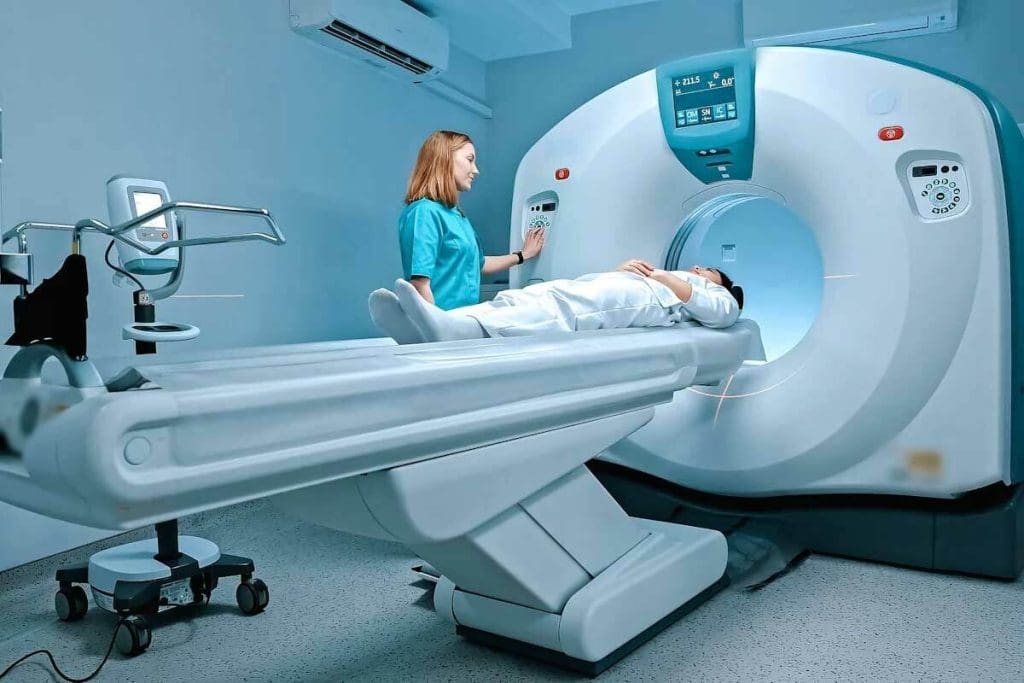
Barium sulfate is key in CT scans, mainly for the stomach and intestines. At Liv Hospital, we use it to make CT scan images clearer. This helps doctors spot problems more easily.
Getting a CT scan can worry many people. We aim to ease your concerns by sharing key information about barium sulfate in CT scans. A CT scan of the belly can show detailed pictures of organs, blood vessels, and bones. This gives doctors a better look at your body.
Key Takeaways
- Barium sulfate is used as a contrast agent to enhance CT scan image clarity.
- It is mainly used for studies of the stomach and intestines.
- Liv Hospital follows internationally trusted, patient-centered standards.
- Barium sulfate helps doctors diagnose problems more accurately.
- Knowing about its safety and possible side effects is important.
Understanding Barium Sulfate as a Contrast Agent
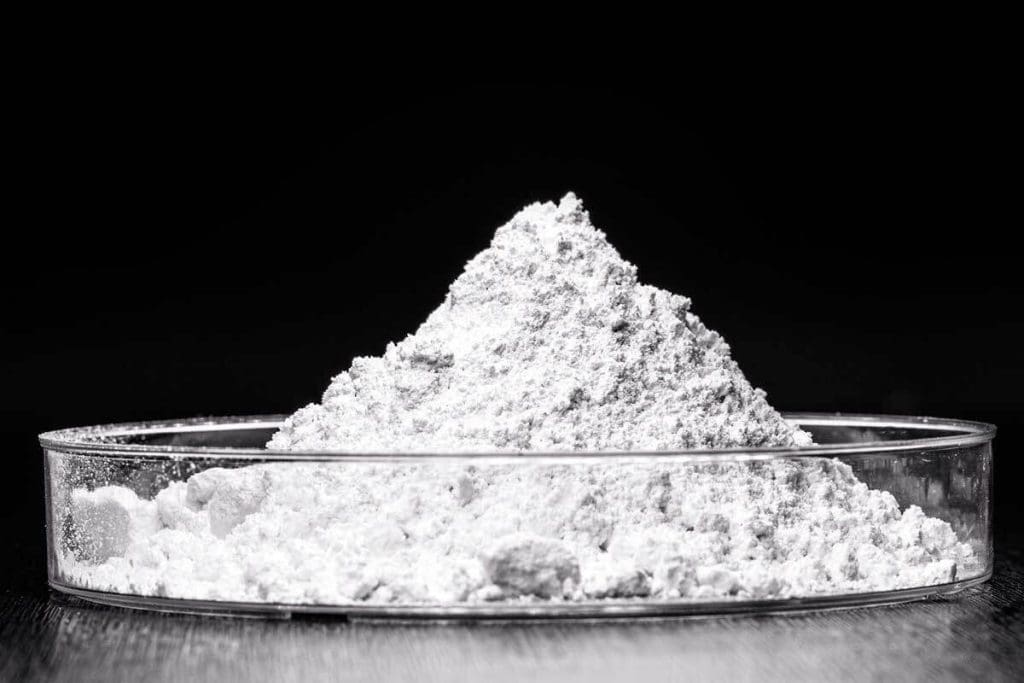
Barium sulfate has changed how we see the gastrointestinal system in CT scans. It’s used as a contrast agent before the scan. It changes the look of certain parts or tissues in the body.
Chemical Properties and Radiopaque Nature
Barium sulfate is very dense and blocks X-rays well. This is key to creating clear CT images. It doesn’t dissolve in water or body fluids, keeping its shape during the scan.
How Barium Enhances CT Image Clarity
Barium sulfate makes CT scans clearer by lining the GI tract. This makes it easier to see the GI tract and other areas. Doctors can then make more accurate diagnoses. For more on oral contrast in CT scans,
Why It’s Ideal for Gastrointestinal Studies
Barium sulfate is great for GI studies because it’s not absorbed by the body. It stays in the GI tract, giving a clear contrast without affecting other areas. Here are the main benefits of using barium sulfate in CT scans for GI studies.
| Benefit | Description |
| High Contrast | Provides a clear distinction between the GI tract and surrounding tissues. |
| Non-Absorbable | Remains within the GI tract, ensuring localized contrast. |
| Radiopaque | Blocks X-rays, making the GI tract visible during CT scans. |
The Science Behind Barium for CT Imaging

Barium sulfate is a key tool in CT scans. It’s a white liquid that shows up well on X-rays. It coats the inside of the esophagus, stomach, or bowel once it’s in the body.
High Atomic Number and X-ray Absorption
Barium sulfate works well as a contrast agent because of its high atomic number. This lets it absorb X-rays a lot. This makes it visible during CT scans, helping us see the GI tract clearly.
Key Properties of Barium Sulfate:
- High atomic number
- Effective X-ray absorption
- Non-toxic and chemically inert
Non-Absorption by the Body
Another big plus of barium sulfate is that it’s not absorbed by the body. This means it stays in the GI tract. It gives us clear images without being absorbed into the bloodstream or tissues.
Coating Action on GI Tract Tissues
When we take barium sulfate, it coats the GI tract’s inner lining. This coating is key to getting detailed images of the tract’s inside. It helps us diagnose many GI conditions.
| Property | Description | Benefits of CT Imaging |
| High Atomic Number | Barium has a high atomic number, making it dense. | Effective absorption of X-rays makes it visible. |
| Non-Absorption | Barium sulfate is not absorbed by the GI tract. | Stays in the GI tract, giving clear images. |
| Coating Action | Coats the inner lining of the GI tract. | Provides detailed images of the GI tract’s interior. |
Barium sulfate is usually safe, but it can cause mild side effects. These might include a chalky taste or mild stomach upset. These effects are usually short-lived and go away on their own.
Types of CT Examinations Using Barium Sulfate
Barium sulfate makes CT scans clearer for the upper and lower GI tract. It’s key for better diagnosis in GI exams.
Upper GI Series (Esophagus, Stomach, Duodenum)
An upper GI series uses barium sulfate to see the esophagus, stomach, and duodenum. It’s important for finding issues like strictures, ulcers, and tumors. The barium shows the mucosal patterns and spots problems in the upper GI.
Key aspects of an upper GI series include:
- Detailed imaging of the esophagus, stomach, and duodenum
- Diagnosis of conditions like gastroesophageal reflux disease (GERD) and gastric ulcers
- Assessment of the swallowing mechanism and esophageal motility
Lower GI Series (Barium Enema)
A lower GI series, or barium enema, uses barium sulfate through the rectum to see the colon and rectum. It’s key for spotting polyps, tumors, and other issues in the lower GI.
| Procedure | Description | Diagnostic Benefits |
| Barium Enema | Rectal administration of barium sulfate | Detection of polyps, tumors, and diverticula |
| Air-Contrast Barium Enema | Use of air and barium for double-contrast imaging | Enhanced visualization of mucosal details and lesions |
Small Bowel Follow-Through Studies
Small bowel follow-through studies use barium sulfate and X-rays or CT scans to see the small intestine. It’s key for diagnosing Crohn’s disease, small bowel obstruction, and malabsorption syndromes.
“The small bowel follow-through is a valuable diagnostic tool for assessing the small intestine’s morphology and function, helping in the detection of various pathologies.”
Using barium sulfate in these CT exams helps doctors get clear images of the GI tract. This leads to accurate diagnoses and effective treatments.
The Complete Procedure: What to Expect During a Barium CT Scan
Knowing what happens during a barium CT scan can make you feel more at ease. We’ll walk you through everything, from getting ready to the scan and what happens next.
Pre-Procedure Preparation Requirements
Before your barium CT scan, there are steps to take. Patients often need to fast for 2 to 4 hours before the scan. Your doctor might give you different instructions based on your exam and health.
Tell your doctor about any medicines you’re taking and any allergies, like to barium or iodine. Sometimes, you might need to follow a special diet or take laxatives to clean your bowel. It’s key to follow these instructions well to get good images.
Administration Methods (Oral, Rectal, Tube)
Barium sulfate is given in different ways for different scans. For an upper GI series, you’ll drink a barium sulfate solution. This coats your esophagus, stomach, and small intestine, making them visible during the scan.
For a lower GI series, or barium enema, the barium goes in through a tube in your rectum. This method gives clear images of your colon and rectum.
The Scanning Process
After getting the barium, the CT scan starts. You’ll lie on a table that moves into a big, doughnut-shaped CT scanner. The scanner moves around you, taking detailed pictures of your body.
The scan itself is fast, lasting just a few minutes. But getting ready and finding the right position might take longer. It’s important to stay very quiet during the scan to get clear pictures.
Immediate Post-Procedure Experience
After the scan, you can usually go back to your normal day unless your doctor says not to. You might notice changes in your bowel movements or see white or light-colored stools because of the barium. Drinking lots of water can help get rid of the barium.
In some cases, you might need to eat a certain way or take laxatives to get rid of the barium. If you have severe symptoms like stomach pain, constipation, or trouble breathing, call your doctor right away.
Safety Profile: Is Barium for CT Safe for Everyone?
When we talk about barium in CT scans, safety is key. Barium sulfate is safe for most people in CT scans. But, like any medical test, there are risks and things to think about.
FDA Approval Status and History
Barium sulfate has been used in medical imaging for a long time. The FDA has approved it for CT scans to see the gut. This approval shows it’s safe and works well.
Contraindications and Risk Factors
Barium sulfate is mostly safe, but there are exceptions. People allergic to it should not use it. Also, those at risk of gut problems or who don’t swallow safely should be checked first.
Pregnancy and Breastfeeding Considerations
Pregnant women should only get a barium CT scan if really needed. The main worry is the radiation. Barium sulfate is not absorbed by the body, but radiation is a concern.
For breastfeeding moms, barium sulfate is not a big risk. But always talk to a doctor for advice.
Barium for CT scans is a complex topic. Knowing about FDA approval, who should avoid it, and special cases for pregnant and breastfeeding women helps. This way, we can make sure patients get the best care and stay safe.
Common Side Effects of Barium Sulfate CT Scans
Barium sulfate CT scans are mostly safe. But some people might feel certain side effects. These are usually mild and short-lived. Knowing about them helps make the test smoother.
Temporary Digestive Discomfort
Some people might feel bloating or cramping after the scan. If you have any worries, talk to your doctor.
Does Barium Sulfate Cause Diarrhea?
Yes, diarrhea can happen in some cases. It’s because of how the body reacts to the contrast agent. Drinking plenty of water can help.
Constipation Concerns
Constipation is another possible side effect. This happens when the barium solidifies in the intestines. Drinking more water and eating more fiber can help.
Managing and Minimizing Common Side Effects
To deal with side effects, prepare well before and after the scan. Here are some tips:
- Stay hydrated before and after the scan.
- Follow dietary recommendations provided by your healthcare provider.
- Report any severe or persistent symptoms to your doctor.
Knowing how to handle these side effects makes the test easier and less stressful.
| Side Effect | Management Tip |
| Digestive Discomfort | Discuss concerns with your healthcare provider |
| Diarrhea | Stay hydrated |
| Constipation | Increase fluid and fiber intake |
“Proper preparation and post-procedure care can significantly reduce the risk of side effects associated with barium sulfate CT scans.”
A radiology expert
Rare but Serious Adverse Reactions to Monitor
Barium sulfate is usually safe for CT scans. But here are rare but serious side effects to watch out for. It’s important for patients to know the risks and look out for signs.
Allergic Reactions: Signs and Frequency
Allergic reactions to barium sulfate are rare but can be severe. Symptoms include hives, itching, swelling, trouble breathing, or a sudden drop in blood pressure. People with allergies or asthma are more likely to react.
If you experience these symptoms during or after the scan, seek medical help right away.
Barium Aspiration Complications
Barium aspiration happens when barium sulfate goes into the lungs instead of the stomach. This can cause serious problems like pneumonia or lung inflammation. If you have trouble swallowing or are at risk of aspiration, tell your doctor before the scan.
Bowel Perforation: Risk Factors and Symptoms
Bowel perforation is a rare but serious issue where barium sulfate leaks into the abdominal cavity. It can happen if you have bowel problems or inflammation. Symptoms include severe stomach pain, fever, and nausea.
If you think you might have bowel perforation, get medical help fast.
Barium Impaction
Barium impaction is when barium sulfate gets stuck in the intestines. This can cause constipation or bowel obstruction. It’s more common in people with digestive issues.
Drinking plenty of water and using laxatives can help prevent or treat barium impaction.
Knowing about these rare but serious side effects helps patients and doctors take the right steps. It’s key to follow instructions before and after the scan and tell your doctor about any unusual symptoms.
Preparing Your Body for Barium CT Contrast
Getting ready for a barium CT scan is important for its success and your safety. It might seem scary, but with the right steps, you can feel less uncomfortable and get accurate results.
Dietary Restrictions Timeline
Following dietary restrictions is key when preparing for a barium CT scan. You might need to fast for 2 to 4 hours before the scan. The exact diet guidelines depend on the scan type and your doctor’s advice.
It’s important to stick to the diet plan given by your healthcare team. This helps prepare your digestive system for the barium contrast. You might need to avoid certain foods or drinks for a while before the scan.
| Time Before Scan | Dietary Restrictions |
| 24 hours | Avoid high-fiber foods and dairy products |
| 4-6 hours | Fast or follow a clear liquid diet |
| 2 hours | Drink the prescribed oral contrast (barium) |
Medication Adjustments
Some medications might need to be changed or stopped before a barium CT scan. It’s important to tell your doctor about all the medicines you’re taking, including supplements and vitamins.
Your doctor will tell you which medicines to keep taking or stop before the scan. This ensures the barium contrast works safely with your medications and gives accurate results.
Hydration Guidelines
Drinking enough water is important before, during, and after the scan. Water helps spread the barium contrast and helps get rid of it after the scan.
We suggest drinking a lot of water or clear liquids as your doctor advises. But make sure to follow their specific hydration advice, as too much water might not be good for everyone.
Mental Preparation and Anxiety Management
Some people get anxious about medical scans. To help, try relaxation techniques like deep breathing, meditation, or visualization before the scan.
Talking about your worries with your doctor can also help. They can offer reassurance and support to make you feel more at ease.
By following these steps and working with your healthcare team, you can have a successful barium CT scan. This will help get the information needed for your care.
Post-Procedure Care: After Your Barium CT Scan
After a barium CT scan, you need to follow some important steps. These help get rid of the barium and aid in your recovery. It’s key to follow these tips to avoid side effects and stay healthy.
Eliminating Barium from Your System
Getting rid of barium sulfate is vital after the scan. Drinking lots of fluids is the best way to do this. Make sure to drink more water for 24 hours after the scan.
- Drink at least 8-10 glasses of water or other non-caffeinated fluids.
- Avoid caffeinated beverages that can act as diuretics.
- Eat foods high in fiber to help move the barium through your digestive system.
Dietary Recommendations
Eating foods high in fiber helps get rid of barium. Try to eat:
- Fruits (berries, bananas, apples)
- Vegetables (broccoli, carrots, leafy greens)
- Whole grains (brown rice, quinoa, whole-wheat bread)
- Legumes (beans, lentils, peas)
For a day or two, avoid heavy or rich foods. This helps your digestive system get back to normal.
When to Contact Your Doctor
Most side effects are mild and short-lived. But there are times when you should call your doctor. If you have:
- Severe abdominal pain or cramping
- Constipation that lasts more than a few days
- Signs of an allergic reaction (rash, itching, trouble breathing)
- Can’t pass barium (white or light-colored stools)
Follow-up Considerations
Your doctor might want to see you again to talk about the scan results. It’s important to go to these appointments. Ask any questions you have about your diagnosis or treatment plan.
By following these care tips, you can have a smooth recovery after your barium CT scan. If you have any questions or concerns, always reach out to your healthcare provider for help and advice.
Special Patient Populations and Barium for CT
When it comes to barium CT scans, special care is needed for certain groups. This includes kids and older adults. The right approach depends on the patient’s age, health, and any medical conditions they might have.
Pediatric Protocols and Considerations
For kids, barium CT scans need careful planning. Kids are more sensitive to radiation, so we adjust the dose. We also think about how well they can stay calm and not move during the scan.
Here’s what we do for kids:
- We adjust the barium dose based on their weight and age.
- We use methods that are easy for kids to help them feel less stressed.
- We make sure they drink enough water before and after the scan.
Elderly Patients: Modified Approaches
Older adults often have health issues that affect barium CT scans. We look at their overall health, including kidney function and any allergies.
| Consideration | Action |
| Kidney Function | Check creatinine levels before giving barium. |
| History of Allergies | Look for any past allergic reactions to barium or other contrast agents. |
Patients with Pre-existing GI Conditions
People with GI problems, like bowel obstructions, need careful thought before a barium CT scan. We weigh the benefits against the risks, like barium getting stuck or making their condition worse.
Key considerations include:
- We assess how severe their GI condition is.
- We talk to a gastroenterologist before the scan.
- We watch them closely during and after the scan.
Immunocompromised Individuals
People with weakened immune systems, like those with HIV/AIDS or on chemotherapy, need extra care. They’re more at risk for infections and healing problems, so we tailor our approach.
Precautions for immunocompromised individuals include:
- We give them antibiotics if needed.
- We use strict sterile techniques during the procedure.
- We watch for signs of infection or problems after the scan.
Alternatives to Barium Sulfate in Diagnostic Imaging
Diagnostic imaging has grown to include many alternatives to barium sulfate. These options meet different patient needs and conditions. Barium sulfate works well for some GI studies, but other choices are available when it’s not right or tolerated.
Iodine-Based Contrast Agents
Iodine-based contrast agents are used in CT scans for vascular and organ imaging. They are water-soluble and given through an IV. These agents absorb X-rays, making body structures or fluids stand out in medical images.
Advantages: Iodine-based agents are versatile and used for many CT exams, like angiography and tumor imaging.
Limitations: Some people may be allergic to iodine-based contrast. It’s also not good for those with severe kidney disease because of the risk of kidney damage.
Non-Contrast CT Techniques
Non-contrast CT scans don’t use any contrast agent. They’re good for finding conditions like kidney stones, lung nodules, and some bleeding.
Advantages: Non-contrast CT avoids allergic reactions and is safer for those with kidney problems.
Limitations: Without contrast, it’s harder to see some soft tissue structures or lesions.
MRI with Alternative Contrast Media
Magnetic Resonance Imaging (MRI) uses different contrast methods than CT. It uses gadolinium-based contrast agents for better imaging. MRI is great for neurological, musculoskeletal, and liver studies.
Advantages: Gadolinium-based contrast agents are safe for iodine allergy patients. MRI also offers excellent soft tissue detail.
Limitations: Gadolinium-based agents are not safe for severe kidney disease. MRI is also less common than CT.
Ultrasound as a Radiation-Free Option
Ultrasound imaging uses sound waves to see inside the body. It’s good for organs like the liver, gallbladder, and kidneys. It’s also used for obstetric and vascular imaging.
Advantages: Ultrasound is non-invasive, doesn’t use harmful radiation, and is safe for all patients, including pregnant women.
Limitations: Ultrasound depends on the operator. Its effectiveness can be limited by bowel gas or obesity.
| Imaging Modality | Contrast Agent | Advantages | Limitations |
| CT with Iodine | Iodine-based | Versatile, wide range of applications | Allergy risk, not for severe kidney disease |
| Non-Contrast CT | None | No allergy risk, safe for kidney disease | Limited soft tissue contrast |
| MRI | Gadolinium-based | Excellent soft tissue differentiation, safe for iodine allergy | Not for severe kidney disease, less available |
| Ultrasound | None | Non-invasive, no radiation, safe for all | Operator-dependent, limited by gas or obesity |
Conclusion: Weighing the Benefits and Risks of Barium for CT
Thinking about a barium sulfate CT scan? It’s key to look at the good and the bad. Barium helps doctors see the gut clearly and spot problems.
Barium makes images better and is mostly safe. But it can cause allergic reactions, stomach pain, and constipation. People with kidney issues or diabetes need extra care.
Follow the rules before and after the scan to stay safe. Tell your doctor about any allergies or health issues. For more on abdominal CT scans,
Knowing the ups and downs of barium CT scans helps patients choose wisely. We stress the need for patient education to ensure safe and effective tests.
FAQ
What is barium sulfate used for in CT scans?
Barium sulfate is used as a contrast agent in CT scans. It makes images clearer, helping doctors see the GI tract. This is key to diagnosing conditions accurately.
How does barium sulfate work as a contrast agent?
Barium sulfate blocks X-rays, making the GI tract visible. Its high atomic number and X-ray absorption make it effective.
Is barium sulfate absorbed by the body?
No, barium sulfate is not absorbed by the body. It coats the GI tract to provide clear images and is eliminated after the procedure.
What types of CT examinations use barium sulfate?
Barium sulfate is used in upper GI series, lower GI series, and small bowel follow-through studies. It enhances diagnostic accuracy.
What should I expect during a barium CT scan?
Before the scan, you’ll need to follow specific preparation requirements. Barium sulfate can be given orally, rectally, or through a tube. During the scan, you’ll lie on a table that slides into the CT scanner. Afterward, you might experience some temporary side effects.
Is barium for CT scans safe for everyone?
Barium sulfate is FDA-approved, but not for everyone. Certain medical conditions and pregnant or breastfeeding women should discuss risks and benefits with their doctor.
Does barium sulfate cause diarrhea?
Some people may get diarrhea after a barium sulfate CT scan. But it’s not a universal side effect. The chance of diarrhea varies.
What are the common side effects of barium sulfate CT scans?
Common side effects include temporary digestive discomfort, diarrhea, and constipation. These can be managed with dietary adjustments, hydration, and other tips.
What are the rare but serious adverse reactions to barium sulfate?
Rare but serious adverse reactions include allergic reactions, barium aspiration complications, bowel perforation, and barium impaction. It’s essential to monitor for signs and symptoms and seek medical attention if necessary.
How can I prepare for a barium CT scan?
To prepare, follow dietary restrictions, adjust medications as directed, stay hydrated, and manage anxiety. Your healthcare provider will give you specific instructions.
What is the post-procedure care after a barium CT scan?
After the scan, focus on eliminating barium from your system, follow dietary recommendations, and contact your doctor if you experience any concerning symptoms. Follow-up care may be necessary to ensure a smooth recovery.
Are there alternatives to barium sulfate for CT scans?
Yes, alternatives include iodine-based contrast agents, non-contrast CT techniques, MRI with alternative contrast media, and ultrasound. Each has its advantages and limitations.
Can barium sulfate be used for patients with pre-existing GI conditions?
Patients with pre-existing GI conditions may require modified approaches or alternative contrast agents. It’s vital to discuss your medical history with your healthcare provider.
Is barium sulfate safe for pediatric patients?
Barium sulfate can be used for pediatric patients, but protocols and considerations may vary based on age and medical condition. Consult with a pediatric specialist for guidance.
Can I undergo a barium CT scan if I’m pregnant or breastfeeding?
Pregnant or breastfeeding women should discuss the risks and benefits with their doctor. While barium sulfate is generally considered safe, caution is advised, and alternative options may be explored.
References
- National Center for Biotechnology Information. (2023). CT Patient Safety And Care – StatPearls. https://www.ncbi.nlm.nih.gov/books/NBK567800/