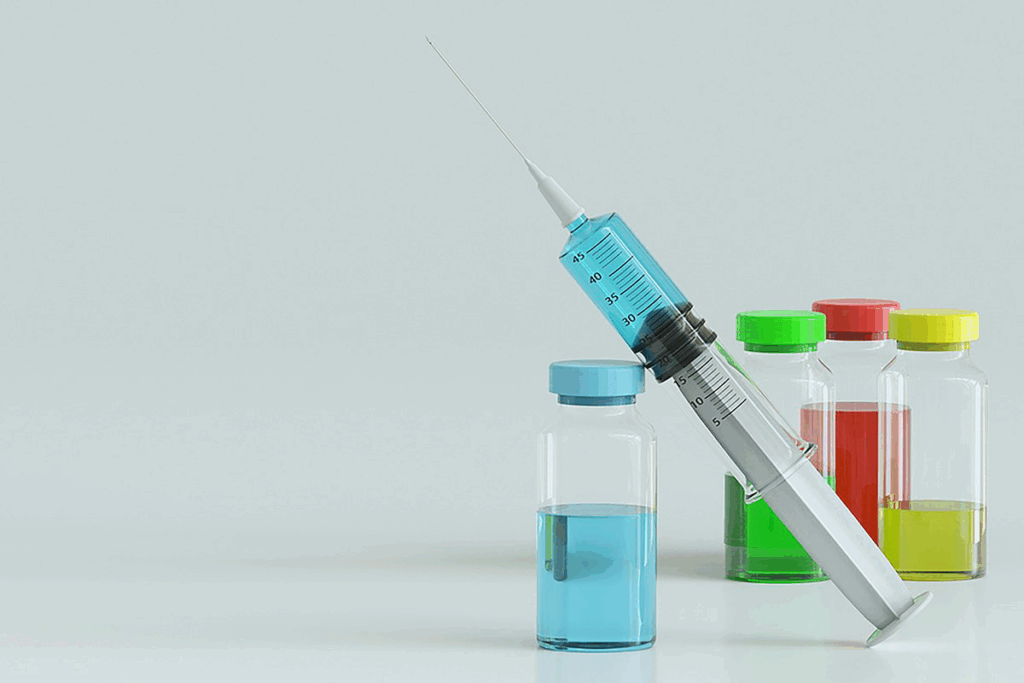
The BCG vaccine was named after its creators, Albert Calmette and Camille Guérin. It mainly protects against tuberculosis. In places where TB is common, we recommend giving one dose to healthy babies right after birth.
Tuberculosis prevention is vital in areas with high TB rates. The BCG vaccine has helped a lot in stopping TB from spreading.
Key Takeaways
- The BCG vaccine is used to protect against tuberculosis.
- It is recommended for healthy babies in countries where TB is common.
- The vaccine is named after its inventors, Albert Calmette and Camille Guérin.
- BCG immunization has been key in controlling TB globally.
- Tuberculosis prevention is a big public health issue in areas with high TB rates.
Overview of the BCG Vaccine
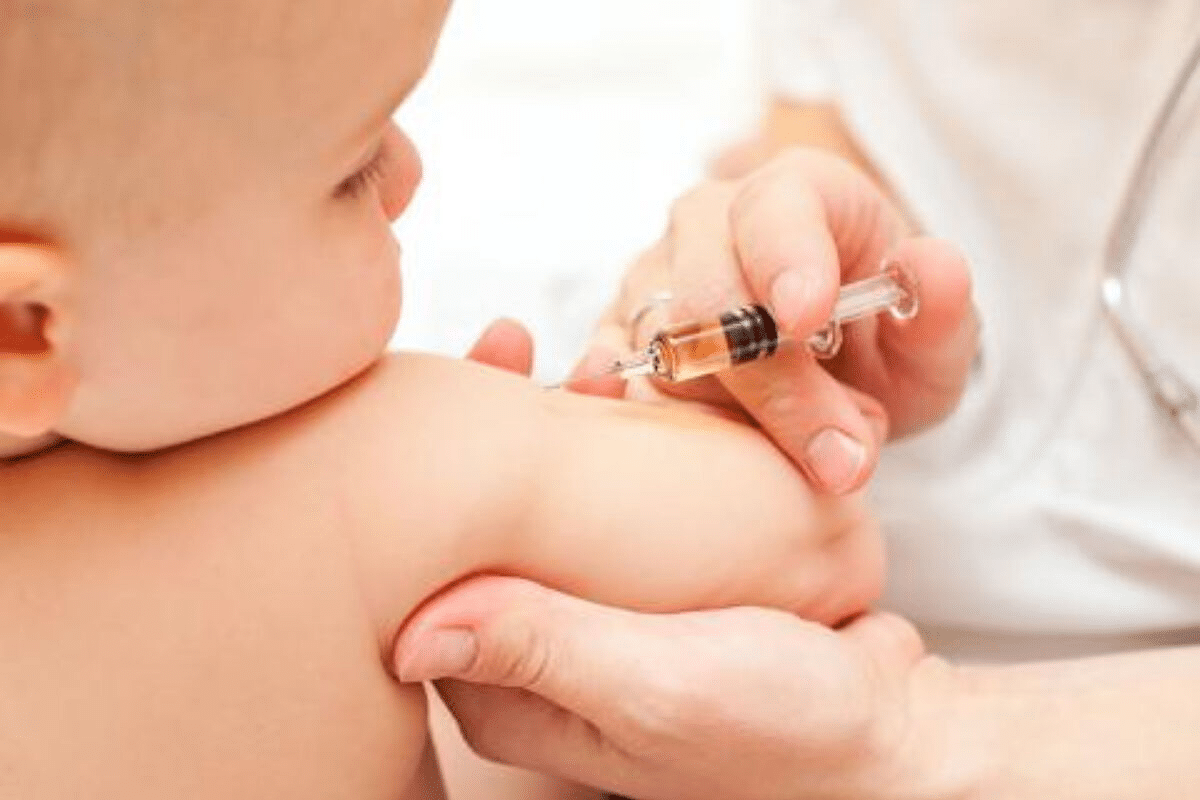 The Bacillus Calmette-Guérin vaccine, or BCG vaccine, has a long history. It’s key in fighting tuberculosis. Created nearly a century ago, it’s a major tool in the global fight against TB.
History and Development
The BCG vaccine was first used in 1921. This marked a new era in TB prevention. It’s a result of scientists Albert Calmette and Camille Guérin’s hard work.
The BCG vaccine was a major breakthrough in fighting tuberculosis. This disease had harmed people for centuries. The World Health Organization says, “The BCG vaccine is one of the most used vaccines worldwide. It’s given to about 100 million children each year as of 2004.”
“The BCG vaccine has been key in lowering TB cases, mainly in high-risk groups.”
World Health Organization
Current Uses
Today, the BCG vaccine is mainly used in areas with lots of TB. It’s for healthcare workers and those at high risk of TB. It protects against severe TB, like TB meningitis in kids.
- Protects against severe TB
- Recommended for healthcare workers
- Used in areas with lots of TB
Global Implementation
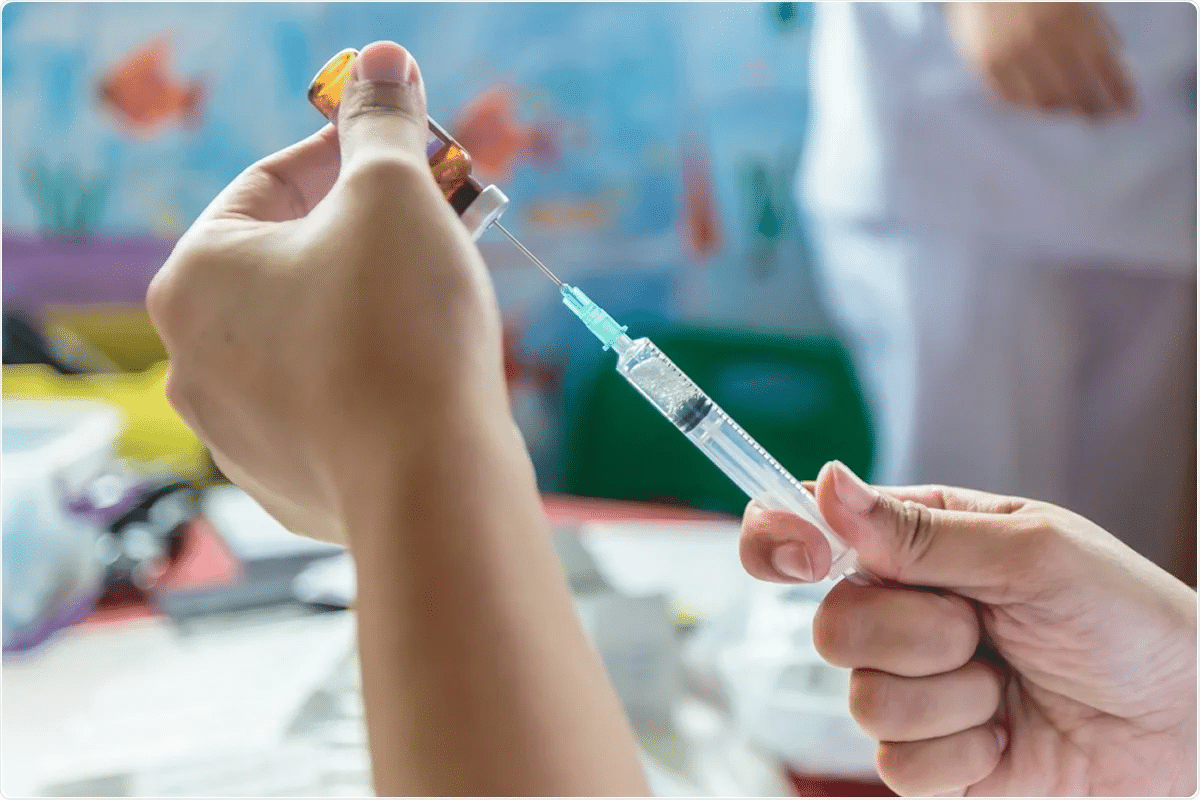 The BCG vaccine is included on the World Health Organization’s List of Essential Medicines, highlighting its importance in tuberculosis prevention. By 2004, about 100 million kids were vaccinated every year. Its global use has been a big part of controlling TB.
|
Year |
Number of Children Vaccinated (approx.) |
|---|---|
|
2004 |
100 million |
|
Global Coverage |
Wide use in high-prevalence areas |
The BCG vaccine’s wide use shows its vital role in fighting TB worldwide. We keep counting on it as part of our efforts to control and get rid of TB.
How the BCG Vaccine Works
The BCG vaccine fights tuberculosis by creating a specific immune response. We’ll dive into how it works, including its mechanism, the immune response it triggers, and how long it protects.
Mechanism of Action
The BCG vaccine is given as an injection in the forearm. It contains live, weakened bacteria that start an immune response. This response includes immune cells like macrophages and T lymphocytes, which are key in fighting TB bacteria.
The vaccine’s mechanism of action can be broken down into several key steps:
- The vaccine is taken up by immune cells, where it stimulates an immune response.
- Activated immune cells recognize the TB bacteria, helping to neutralize or remove it from the body.
- The immune system retains a “memory” of the TB bacteria, allowing for a more rapid and effective response upon future exposures.
Immune Response
The BCG vaccine triggers a complex immune response. It involves both innate and adaptive immunity. This response includes cytokine production and immune cell activation, which help protect against TB.
The efficacy of the BCG vaccine in preventing severe forms of TB in children is noteworthy. It prevents about 20% of children from getting infected. Among those who do get infected, it protects half from developing the disease.
Protection Duration
The BCG vaccine’s protection lasts differently for everyone. Studies show it can protect for up to 20 years. But, this can change based on the BCG strain and the population.
|
Population |
Efficacy in Preventing Infection |
Efficacy in Preventing Disease |
Duration of Protection |
|---|---|---|---|
|
Children |
20% |
50% among those infected |
Up to 20 years |
|
Adults |
Varies |
Varies |
Variable, often less effective than in children |
The BCG vaccine is a key weapon against tuberculosis, more so in areas with high TB rates. Its ability to protect children from severe TB makes it vital in public health efforts.
Who Should Receive the BCG Vaccine?
Deciding who should get the BCG vaccine depends on where you live and your personal risk. The World Health Organization (WHO) has guidelines to figure out who needs the vaccine.
Recommended Populations
The WHO says all kids in places with lots of TB should get the BCG vaccine. In areas with less TB, only high-risk kids usually get it. Here are the main groups that should get vaccinated:
- Children in countries with a high TB prevalence
- Individuals in close contact with TB patients
- Healthcare workers at risk of exposure to TB
These choices are based on how common TB is in different places. It shows how important it is to know about TB in your area.
High-Risk Groups
Some people are at higher risk and should get the BCG vaccine. These include:
- Children born in areas with high TB prevalence
- Individuals with occupational exposure to TB, such as healthcare workers
- Those with a history of exposure to multidrug-resistant TB
We also look at other things that might make someone more at risk. This includes their economic status and living situation. Knowing these things helps us figure out who should get the BCG vaccine as part of a full TB vaccine schedule.
It’s key to follow the BCG immunization schedule to get the most protection against TB.
BCG Vaccine and Tuberculosis
The Bacillus Calmette-Guérin (BCG) vaccine is key in fighting tuberculosis (TB), a major disease affecting millions. It shows how the BCG vaccine is vital in stopping TB, mainly its severe types.
Role in TB Prevention
The BCG vaccine mainly fights tuberculosis. It works best against miliary tuberculosis and tuberculosis meningitis, serious TB types that can be deadly, mostly in kids. It boosts the body’s fight against TB bacteria.
This vaccine does more than protect the person who gets it. It also helps the whole community by stopping TB from spreading. This is key in places where TB is common.
Efficacy Rates
Research shows the BCG vaccine’s success in preventing TB varies. It’s about 51% effective on average. But, its success depends on the BCG strain, the group being vaccinated, and their health.
The vaccine is more effective against severe TB. It works well in stopping TB meningitis and miliary TB in children.
Limitations
The BCG vaccine is important but has its downsides. It doesn’t work the same for everyone. It’s not for everyone, like those with weak immune systems or TB already.
It can cause adverse reactions, but these are rare. Common side effects are mild, like redness and swelling at the injection site. But, serious side effects like disseminated BCG infection are very rare, mostly in those with weak immune systems.
In summary, the BCG vaccine is essential in fighting TB worldwide. It has its flaws, but its benefits in preventing severe TB, mainly in high-risk groups, make it vital in global health efforts to beat TB.
Side Effects of the BCG Vaccine
It’s important for patients and healthcare providers to know about the BCG vaccine’s side effects. The vaccine is safe and works well against tuberculosis. But, it can cause different reactions.
Common Reactions
Most people get a local reaction at the injection site. Common side effects include redness, swelling, and mild pain. These usually go away in a few days to weeks.
Some people might see a small ulcer or crust at the injection site. This is a normal part of the healing process. It usually doesn’t need medical help.
Rare but Serious Effects
Though rare, serious side effects can happen, mainly in those with weak immune systems. Suppurative lymphadenitis, an infection of the lymph nodes, is a known complication. It’s key to watch for such reactions, mainly in those with weakened immune systems.
In rare cases, the BCG vaccine can spread beyond the injection site. This is more likely in those with severe immunodeficiency. We advise careful consideration and medical supervision for such individuals.
The BCG vaccine is generally safe, with serious side effects being rare. We keep an eye on its safety to protect those who get it.
BCG Vaccine Administration
Getting the BCG vaccine right is key for its success and safety. It’s given as a single shot in the upper arm. We’ll cover the important parts of giving the BCG vaccine, like how much to use and how to do it.
Dosage Guidelines
The right amount of BCG vaccine is important for it to work well. The usual dose is 0.1 mL, given just under the skin. It’s very important not to give it in other ways, as it won’t work as well.
Before the BCG vaccine, a test is done to see if you’ve had TB before. This test helps figure out if you’ve had TB or BCG vaccine before.
|
Dosage |
Administration Route |
Pre-injection Test |
|---|---|---|
|
0.1 mL |
Intradermal |
Tuberculin skin test |
Injection Procedure
The way the BCG vaccine is given is very important. The skin is cleaned with alcohol first. Then, a sterile needle and syringe are used to give the vaccine.
It’s very important to do this right to avoid problems and make sure the vaccine works. The area where the vaccine is given might react a bit, but this is usually mild and goes away quickly.
- The vaccine is given in the upper arm.
- A sterile needle and syringe are used.
- The injection site is cleaned with an alcohol swab before administration.
By sticking to these steps, doctors can make sure the BCG vaccine is given correctly. This helps protect against tuberculosis.
Alternatives to the BCG Vaccine
The BCG vaccine is our main defense against tuberculosis. But, scientists are looking for better options. They want to find new ways to prevent TB.
Emerging TB Vaccines
New vaccines are being made to fight tuberculosis better than the BCG vaccine. These vaccines are in clinical trials. They show promise in boosting our immune system against TB.
These new vaccines aim to protect us better, mainly in high-risk groups. They could offer stronger defense against TB.
Complementary Preventative Strategies
Prevention is key in fighting tuberculosis. This includes finding and treating TB early, and giving preventive therapy. It also means following infection control in hospitals.
Public health efforts are also vital. This includes tracing contacts and watching for TB outbreaks. These steps help stop TB from spreading.
|
Vaccine/Preventative Measure |
Description |
Efficacy/Impact |
|---|---|---|
|
BCG Vaccine |
Current primary vaccine against TB |
Variable efficacy against pulmonary TB in adults |
|
New TB Vaccines (e.g., MTBVAC, VPM1002) |
Next-generation vaccines in clinical trials |
Potential for improved efficacy and safety profiles |
|
Preventive Therapy for Latent TB |
Treatment to prevent latent TB from becoming active |
Highly effective in preventing active TB in high-risk individuals |
Looking for BCG vaccine alternatives is a big deal. We need a mix of new vaccines and strong prevention methods. This is how we can really fight tuberculosis.
BCG Vaccine in Pediatric Care
Pediatricians suggest the BCG vaccine for its ability to prevent severe TB in kids. It’s key for newborns and infants in high-risk zones. It offers strong protection against tuberculosis.
Protecting Children from TB
The BCG vaccine is a major tool against tuberculosis in young ones. It helps lower the risk of TB infection in this age group. Early vaccination is key to this protection.
In places with lots of TB, the BCG vaccine is very important. It’s proven to prevent severe TB, like TB meningitis.
Timing of BCG Vaccination
When to give the BCG vaccine matters a lot. In areas with lots of TB, it’s often given at birth or soon after. This early shot helps protect kids from a young age.
|
Age Group |
BCG Vaccine Recommendation |
Benefits |
|---|---|---|
|
Newborns and Infants |
Vaccination at birth or shortly after |
Significant protection against severe forms of TB |
|
Children in High-Risk Areas |
Early vaccination recommended |
Reduced risk of TB infection and complications |
It’s wise to talk to doctors about BCG vaccination. They can guide based on your child’s risk and local health rules.
Current Research on BCG Vaccine
Scientists are working hard to make the BCG vaccine better. They are looking at ways to improve the vaccine itself. They also want to see if it can help prevent other diseases.
Ongoing Studies
Studies are focusing on a few main areas. They aim to make the BCG vaccine more effective. They also want to use it in treatments for other diseases. And, they are working on creating new vaccines that can protect better.
Ongoing Research Areas:
- Improving vaccine efficacy
- Exploring new applications
- Developing new TB vaccines
Future Prospects
The BCG vaccine’s future is bright. We can expect to see better vaccines and new uses in treatments. This could lead to more effective ways to fight diseases.
|
Research Area |
Description |
Potential Impact |
|---|---|---|
|
Improving BCG Vaccine Efficacy |
Enhancing the vaccine to offer better protection against TB |
Reduced TB incidence globally |
|
Immunotherapy Applications |
Exploring the use of BCG vaccine in treating other diseases |
New treatment options for various conditions |
|
New TB Vaccines |
Developing new vaccines that can offer improved protection |
Enhanced global TB prevention |
Accessing the BCG Vaccine in the United States
Getting the BCG vaccine in the US can be tough. It’s not as common here as in other countries. The US mainly looks for and treats TB early on.
Vaccination Locations
If you need the BCG vaccine, look for special healthcare providers. They offer travel medicine services. These places might give you the vaccine, if you’re going to places with a lot of TB.
Cost and Insurance
The price of the BCG vaccine changes based on who gives it and your insurance. Check with your insurance to see if it’s covered. If not, look for clinics that charge less for vaccines.
Finding out about the TB vaccine schedule and getting the BCG vaccine in the US needs planning. We’re here to help international patients find the best medical care.
FAQ
What is the BCG vaccine used for?
The BCG vaccine helps prevent tuberculosis (TB). It’s mainly given to babies in places where TB is common.
How does the BCG vaccine work?
The BCG vaccine fights Mycobacterium tuberculosis, the TB bacteria. It helps protect against severe TB, mainly in kids.
Who should receive the BCG vaccine?
The World Health Organization (WHO) suggests the BCG vaccine for healthy babies in TB-prone areas. It’s also for those at high risk of TB, like healthcare workers.
What are the side effects of the BCG vaccine?
Side effects include redness, swelling, and pain at the injection site. Serious side effects, like disseminated BCG infection, can happen, mostly in those with weakened immune systems.
How is the BCG vaccine administered?
The BCG vaccine is given as an intradermal injection on the forearm. It’s usually a single dose at birth or shortly after, based on the country’s schedule.
Is the BCG vaccine effective against all forms of TB?
The BCG vaccine isn’t 100% effective against all TB. But it does protect against severe TB in kids, like TB meningitis and miliary TB.
Are there alternatives to the BCG vaccine?
The BCG vaccine is the most used TB vaccine. But, research is looking for better vaccines. Other ways to prevent TB include treating latent TB and infection control.
Can adults receive the BCG vaccine?
The BCG vaccine is mainly for infants and young kids in TB-prone areas. Adults at high risk might get it, based on their risk and local health rules.
How can I access the BCG vaccine in the United States?
In the U.S., the BCG vaccine isn’t routine. But, it might be suggested for those at high TB risk. Talk to your doctor or a travel clinic to see if it’s right for you.
Is the BCG vaccine covered by insurance?
Insurance for the BCG vaccine varies. Check with your provider to see if it’s covered and what you might pay.
References
World Health Organization. Evidence-Based Medical Insight. Retrieved from https://www.who.int/news-room/fact-sheets/detail/tuberculosis