Did you know millions of Americans get orthopedic surgery each year for joint pain? But, surgery isn’t the only way. Many people are looking for non-surgical treatments to ease pain and boost mobility without surgery’s risks.
If you’re dealing with joint pain or musculoskeletal issues, looking into orthopedic surgery alternatives is key. These options include physical therapy, medication, and new treatments that are reshaping how we handle musculoskeletal health.
Key Takeaways
- Non-surgical treatments can provide relief from joint pain and musculoskeletal issues.
- Orthopedic surgery alternatives are varied and can be tailored to individual needs.
- Exploring these alternatives can significantly improve mobility and quality of life.
- Many non-surgical options are available, from physical therapy to advanced medical treatments.
- Understanding the available alternatives is critical for making informed decisions about musculoskeletal health.
Understanding Orthopedic Conditions and When Surgery is Recommended
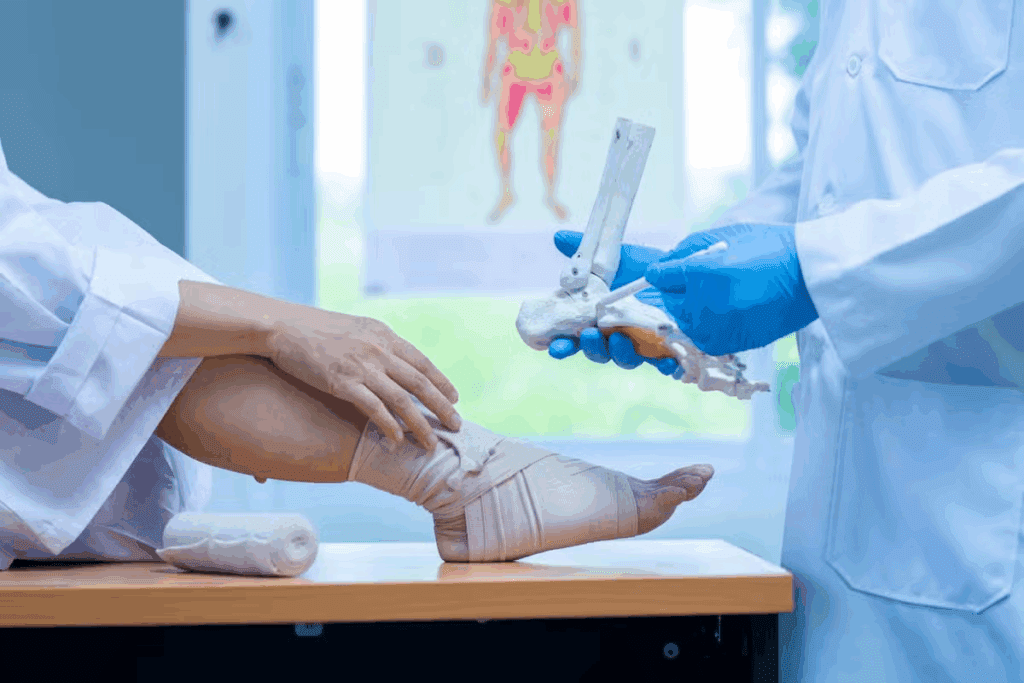
It’s important for patients to know about orthopedic conditions and treatment options. These conditions include osteoarthritis, tendinitis, and ligament sprains. They can cause a lot of pain and limit how well you can move.
Many people see doctors for these issues. But, not all need surgery. Doctors usually try other treatments first before suggesting surgery.
Common Orthopedic Conditions That May Require Treatment
Here are some common orthopedic conditions:
- Osteoarthritis: A degenerative joint disease that causes cartilage wear and tear.
- Tendinitis: Inflammation of tendons, often due to overuse or repetitive strain.
- Ligament Sprains: Injuries to ligaments, which can occur during physical activities.
- Musculoskeletal Issues: Problems affecting muscles, bones, and associated tissues.
These conditions can make it hard to do everyday things and can hurt a lot.
The Traditional Path to Orthopedic Surgery
The usual way to get to orthopedic surgery is through several steps. It starts with trying non-surgical treatments and goes to surgery if needed. This includes:
| Step | Description |
| Initial Assessment | Diagnosis and evaluation of the orthopedic condition. |
| Conservative Management | Treatment with non-surgical methods such as physical therapy, medication, and lifestyle modifications. |
| Surgical Consultation | Evaluation by a surgeon to determine if surgery is necessary. |
| Surgical Intervention | The actual surgical procedure to address the orthopedic condition. |
Why Patients Seek Non-Surgical Options
Many patients want to avoid surgery because of its risks and long recovery time. They look for non-surgical treatments like physical therapy for joint pain and chiropractic care. These can help manage symptoms and improve life quality.
Recent studies show that looking for non-surgical treatments is becoming more common. This is true even in pediatric care, where it’s seen as a simpler option. In orthopedic care, using non-surgical treatments can really help patients.
Exploring Alternatives to Orthopedic Surgery: An Overview
Medical knowledge is growing, and so are the alternatives to orthopedic surgery. This gives patients more choices for their care. Orthopedic conditions affect millions and need a variety of treatments.
Now, we don’t always turn to surgery first. Non-surgical treatments are becoming more common. They aim to ease pain and improve function without surgery’s risks and downtime.
The Spectrum of Non-Surgical Treatments
Non-surgical options include physical therapy, chiropractic care, and pain management alternatives. Joint injections like corticosteroids and hyaluronic acid are also used. Each targets a different part of orthopedic health, from pain to function.
Choosing a treatment depends on the condition, its severity, and the patient’s health. For example, physical therapy strengthens muscles around a joint. This can lessen pain and boost mobility.
Benefits of Trying Conservative Approaches First
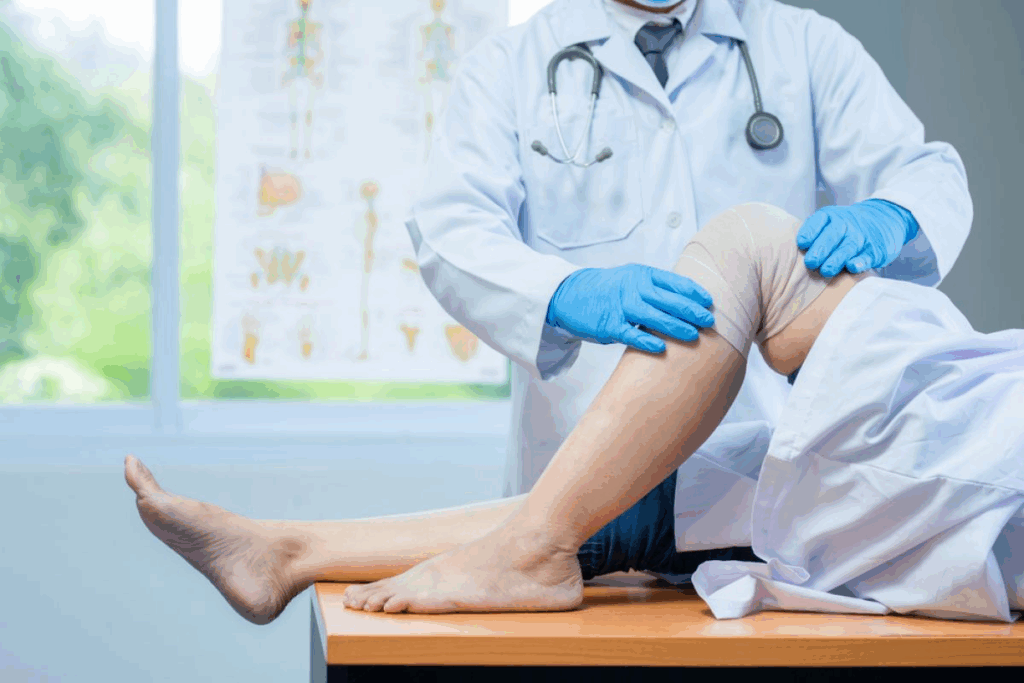
Going for non-surgical options first has many advantages. It lowers surgery risks, cuts down recovery time, and might skip surgery altogether.
Conservative treatments can be customized for each person. This makes care more personal. By trying these alternatives, patients can make better choices. This could lead to better results and a better life.
Conservative Management: The First Line of Defense
When dealing with orthopedic issues, the first step is often conservative management. This method aims to ease symptoms and boost function without surgery. It includes the RICE protocol, changing how you move, protecting joints, and using hot and cold therapy.
Rest, Ice, Compression, and Elevation (RICE) Protocol
The RICE protocol is a key treatment for many orthopedic injuries. It helps by resting the area, using ice to lessen pain, applying compression to shrink swelling, and elevating the limb to reduce blood flow and swelling.
RICE Protocol Benefits:
- Reduces pain and inflammation
- Minimizes swelling
- Promotes healing
Activity Modification and Joint Protection Techniques
Changing how you move and protecting your joints are vital. This means avoiding certain actions that make the problem worse, using aids, or choosing ergonomic options to lessen joint stress.
Key Strategies:
- Avoiding heavy lifting or bending
- Using ergonomic furniture and tools
- Implementing regular breaks to rest joints
Hot and Cold Therapy Applications
Hot and cold therapy are simple yet effective for pain and swelling. Cold therapy is used first to cut down inflammation. Heat therapy is used later to relax and reduce stiffness.
Application Guidelines:
- Use cold therapy for the first 48-72 hours after injury
- Switch to heat therapy after the initial inflammatory phase
- Alternate between hot and cold for chronic conditions
By using these conservative management methods daily, you can manage orthopedic issues well. This includes reducing pain and improving function. Making lifestyle changes for joint health, like staying at a healthy weight and improving ergonomics, also helps your overall health.
Physical Therapy as a Primary Alternative to Orthopedic Surgery
Physical therapy is a non-invasive treatment that has become a main choice instead of surgery. It helps patients manage pain, improve function, and avoid surgery when possible.
Therapeutic Exercises for Joint Strengthening
Therapeutic exercises are key in physical therapy. They strengthen muscles around joints, improving stability and reducing pain. Strengthening exercises are customized to fit each person’s needs and abilities, making the recovery process safe and effective.
Examples of these exercises include:
- Resistance band exercises to improve joint stability
- Weight-bearing exercises to strengthen bones and muscles
- Low-impact aerobic exercises to enhance cardiovascular health without excessive strain on joints
Manual Therapy and Joint Mobilization Techniques
Manual therapy, including joint mobilization, is a vital part of physical therapy. Skilled therapists use hands-on treatments to improve joint mobility, reduce stiffness, and promote healing.
Some common manual therapy techniques include:
- Joint mobilization to improve range of motion
- Soft tissue mobilization to reduce muscle tension
- Myofascial release to alleviate pain and stiffness in the fascia
Physical Therapy Success Stories and Outcomes
Many people have seen big improvements in their symptoms through physical therapy. By avoiding surgery, they can lower their risk of complications, cut down on recovery time, and get back to their normal activities faster.
| Condition | Physical Therapy Approach | Typical Outcome |
| Knee Osteoarthritis | Strengthening exercises, joint mobilization | Improved joint function, reduced pain |
| Shoulder Impingement | Manual therapy, stretching exercises | Enhanced mobility, decreased pain |
| Lower Back Pain | Core strengthening, flexibility exercises | Reduced pain, improved function |
By adding physical therapy to their treatment plan, people can often skip surgery. This leads to better outcomes and a higher quality of life.
Exercise-Based Approaches for Joint Health
Exercise is a great way to improve joint health without surgery. It keeps joints moving and helps the whole body stay healthy.
Low-Impact Exercises for Joint Protection
Low-impact exercises are good for joints because they don’t put too much stress on them. They also keep the heart healthy and muscles strong. Cycling and swimming are perfect for staying active without hurting your joints.
Other good options include elliptical trainer workouts and low-impact aerobics. These can be adjusted to fit your fitness level. They help keep joints flexible and reduce stiffness, which is great for people with joint problems.
Yoga and Pilates for Joint Mobility and Strength
Yoga and Pilates are great for improving joint mobility and strength. They focus on controlled movements, flexibility, and core strength. These are key for healthy joints.
Yoga has many styles, like Hatha, Yin, and Restorative, to meet different needs. Pilates, on the other hand, builds core strength and body control. It helps keep joints stable and lowers the chance of injury.
| Exercise Form | Benefits for Joint Health | Key Features |
| Yoga | Improves flexibility, balance, and strength | Various styles, focus on breathing and alignment |
| Pilates | Enhances core strength, body control, and posture | Emphasizes precise movements and core engagement |
| Low-Impact Aerobics | Promotes cardiovascular fitness, reduces joint stress | Modifiable intensity, low impact on joints |
Strength Training for Musculoskeletal Support
Strength training is key for joint health. It strengthens muscles around the joints, providing support and stability. This reduces injury risk and eases joint pain.
Good strength training programs target important muscle groups like the quadriceps, hamstrings, and gluteals. Start with light weights and gradually increase to avoid overloading the joints.
Medication-Based Approaches for Orthopedic Conditions
Medications are a common choice instead of surgery for many orthopedic problems. They help manage pain, reduce swelling, and improve life quality for those with orthopedic issues.
Over-the-Counter Pain Relievers and Anti-Inflammatories
OTC drugs like acetaminophen and ibuprofen are used for pain and swelling. Acetaminophen helps with pain, and ibuprofen also fights swelling.
It’s key to take these meds as directed to avoid side effects. Too much acetaminophen can harm the liver, and too much ibuprofen can upset your stomach.
Prescription Medications for Joint and Bone Health
For severe cases, prescription meds are needed. Corticosteroids are strong anti-inflammatory meds that can be taken by mouth or injected into joints.
Prescription meds like hyaluronic acid injections help with osteoarthritis. They add fluid to the joint, easing pain and improving movement.
Topical Treatments and Their Effectiveness
Topical treatments like creams, gels, and patches offer localized relief. Topical NSAIDs, like diclofenac gel, are applied to the skin. This reduces side effects.
Capsaicin creams work by blocking pain signals to the brain. They help reduce pain by lowering substance P levels.
Knowing about different medication options helps people make better choices. Always talk to a healthcare professional to find the best treatment plan.
Injection Therapies for Joint and Soft Tissue Problems
Injection therapies are a big step forward in treating joint and soft tissue issues. They offer targeted relief with fewer side effects than systemic treatments.
Corticosteroid Injections for Inflammation
Corticosteroid injections are used to fight inflammation in joints and soft tissues. They quickly reduce pain and swelling. This makes them great for sudden flare-ups of arthritis.
Benefits: They quickly cut down inflammation, are easy to give, and work well for sudden pain.
Hyaluronic Acid Injections for Osteoarthritis
Hyaluronic acid injections help keep joints lubricated, mainly for osteoarthritis patients. They add to the synovial fluid, making joints move better and hurting less.
Clinical Evidence: Research shows these injections greatly help osteoarthritis symptoms, like in the knee.
Trigger Point Injections for Muscle Pain
Trigger point injections put a local anesthetic, sometimes with a corticosteroid, into tight muscles. This eases muscle pain and boosts movement.
| Therapy Type | Primary Use | Benefits |
| Corticosteroid Injections | Reducing inflammation | Rapid pain relief, reduced swelling |
| Hyaluronic Acid Injections | Osteoarthritis management | Improved joint lubrication, reduced pain |
| Trigger Point Injections | Muscle pain relief | Relief from muscle spasms, improved mobility |
Each injection therapy has its own way to tackle joint and soft tissue issues. They give doctors many options to meet each patient’s needs.
Regenerative Medicine: Cutting-Edge Alternatives to Orthopedic Surgery
Regenerative medicine is changing orthopedics with new ways to avoid surgery. It uses the body’s healing powers to fix or replace damaged tissues. This could mean no need for surgery.
This field includes Platelet-Rich Plasma (PRP) Therapy, Stem Cell Treatments, and Prolotherapy. These methods are showing great promise in treating orthopedic issues.
Platelet-Rich Plasma (PRP) Therapy
PRP therapy uses the patient’s own blood to create platelet-rich plasma. This is injected into the affected area to boost healing. It’s been effective for tendonitis, ligament sprains, and osteoarthritis.
PRP therapy is minimally invasive and has a low risk of complications. It can also significantly reduce pain. But, results can vary based on the condition and the patient’s response.
Stem Cell Treatments for Joint Regeneration
Stem cell treatments use the body’s stem cells to repair damaged tissue. These cells can turn into different types of cells, making them great for fixing joints, tendons, and ligaments. They’re very promising for treating degenerative conditions like osteoarthritis.
Studies show stem cell treatments can greatly improve joint function and reduce pain. The treatment is done on an outpatient basis, and recovery is often quick.
Prolotherapy for Ligament and Tendon Repair
Prolotherapy involves injecting a solution into ligaments or tendons to start the healing process. It aims to strengthen weak areas, reducing pain and improving function.
It’s used for many musculoskeletal issues, including ligament sprains and tendonitis. Many patients see big improvements in pain and function after treatment.
| Treatment | Description | Benefits |
| PRP Therapy | Injecting platelet-rich plasma into the affected area | Minimally invasive, low risk of complications, pain reduction |
| Stem Cell Treatments | Utilizing stem cells to regenerate damaged tissue | Potential for significant pain reduction, improved joint function |
| Prolotherapy | Injecting a solution to stimulate healing in ligaments and tendons | Strengthens weakened areas, reduces pain, improves function |
Alternative and Complementary Therapies
There are many ways to manage orthopedic conditions beyond traditional treatments. Alternative and complementary therapies offer relief and support healing. They often have fewer side effects than surgery.
Acupuncture for Pain Management and Healing
Acupuncture is a traditional Chinese medicine that uses fine needles to stimulate healing. It can reduce pain and improve function in chronic orthopedic conditions.
Benefits of Acupuncture:
- Reduced pain perception
- Improved joint mobility
- Enhanced overall well-being
Chiropractic Care for Musculoskeletal Issues
Chiropractic care treats mechanical disorders of the musculoskeletal system, like the spine. Chiropractors use spinal manipulation and other manual therapies. This helps restore joint mobility, reduces pain and inflammation, and improves function.
Key aspects of chiropractic care include:
- Spinal manipulation
- Joint mobilization
- Soft tissue techniques
Massage Therapy and Myofascial Release
Massage therapy involves soft tissue manipulation to promote relaxation and reduce pain. Myofascial release targets the connective tissue around muscles. It eliminates pain and restores motion.
Osteopathy and Other Manual Medicine Approaches
Osteopathy is a manual medicine that focuses on the body’s structure and function. Osteopathic practitioners use techniques like manipulation and mobilization. This promotes healing, reduces pain, and enhances overall health.
Osteopathy is great for musculoskeletal issues. It offers a holistic approach to care, treating the whole person, not just symptoms.
Technological and Physical Modalities
Orthopedic care has changed with new technologies and physical methods. These offer patients options other than surgery.
Ultrasound Therapy for Tissue Healing
Ultrasound therapy uses sound waves to help tissues heal. It’s used for injuries, to reduce swelling, and ease pain. It boosts blood flow, makes tissues more flexible, and helps collagen grow.
A study in a Journal showed ultrasound helps rotator cuff tendinopathy heal better.
“Ultrasound therapy is a valuable adjunct to traditional treatments for musculoskeletal disorders.”
TENS and Electrical Stimulation for Pain Relief
TENS and electrical stimulation help with pain and muscle strength. TENS sends electrical currents to nerves to block pain. Electrical stimulation strengthens muscles and improves blood flow.
| Therapy | Benefits | Applications |
| TENS | Pain relief, reduced inflammation | Chronic pain, post-operative pain |
| Electrical Stimulation | Muscle strengthening, improved circulation | Muscle atrophy, post-operative rehabilitation |
Cryotherapy and Heat Therapy Applications
Cryotherapy and heat therapy help with pain and swelling. Cryotherapy uses cold to reduce swelling and numb pain. Heat therapy relaxes muscles and improves blood flow.
Cryotherapy is used early to reduce swelling. Heat therapy is used later to help healing and relaxation.
Laser Therapy and Other Emerging Technologies
Laser therapy uses light to heal tissues and reduce pain. It’s thought to boost cell activity, improve oxygen flow, and reduce swelling.
Laser therapy is promising for treating orthopedic issues. Other new technologies like shockwave and electromagnetic therapy are also being studied for their benefits in orthopedic care.
Lifestyle Modifications and Supportive Approaches
Making lifestyle changes can help with orthopedic health. Simple steps in daily life can ease orthopedic issues.
Weight Management for Joint Health
Keeping a healthy weight is key for joint health. A balanced diet and regular exercise help maintain a good weight. This reduces the risk of joint problems.
- Try low-impact exercises like swimming or cycling.
- Watch your calorie intake to avoid gaining too much weight.
- Talk to a healthcare expert for a weight management plan.
Nutrition and Supplements for Bone and Joint Health
Eating well supports bone and joint health. Calcium and vitamin D are vital for bones. Omega-3 fatty acids help with inflammation.
- Eat foods high in calcium like dairy and leafy greens.
- Think about taking glucosamine and chondroitin for joints.
- Drink plenty of water for healthy joints.
Ergonomic Adjustments at Home and Work
Making your space ergonomic can prevent injuries and ease orthopedic issues. Simple changes at home or work can help a lot.
- Make sure your chair height lets your feet rest flat or on a footrest.
- Place your computer monitor about 20-25 inches away, straight in front of you.
- Take breaks to stretch and move around.
Assistive Devices, Braces, and Supports
Assistive devices, braces, and supports offer extra stability and relief. They’re great for recovery or managing ongoing conditions.
- Use canes or walkers to ease joint strain.
- Wear braces or supports for more stability.
- Ask a healthcare professional for the best assistive devices.
Minimally Invasive Procedures: The Middle Ground
For many orthopedic conditions, minimally invasive procedures offer a middle ground. They are between conservative management and more invasive surgical interventions.
These procedures aim to reduce tissue damage and promote faster recovery. They are great for patients who have not responded to conservative treatments. Yet, they are not ready for more invasive surgeries.
Arthroscopic Procedures vs. Open Surgery
Arthroscopic procedures use a small camera and instruments through tiny incisions. They diagnose and treat joint conditions. This method is less invasive than open surgery, leading to less tissue damage and quicker recovery.
The benefits of arthroscopic procedures include:
- Smaller incisions, leading to less scarring
- Reduced risk of infection
- Less damage to surrounding tissues
- Faster rehabilitation
Radiofrequency Ablation for Nerve Pain
Radiofrequency ablation uses heat from radio waves to turn off pain-causing nerves. It’s great for chronic pain that hasn’t responded to other treatments.
The process involves:
- Identifying the pain-causing nerve
- Inserting a needle near the nerve under imaging guidance
- Using radiofrequency energy to heat the nerve, disrupting its ability to transmit pain signals
Vertebroplasty and Kyphoplasty for Spine Conditions
Vertebroplasty and kyphoplasty treat vertebral compression fractures. Vertebroplasty injects bone cement into the fractured vertebra to stabilize it. Kyphoplasty inflates a balloon to create space before injecting the cement.
| Procedure | Description | Benefits |
| Vertebroplasty | Injecting bone cement into the fractured vertebra | Stabilizes the vertebra, reduces pain |
| Kyphoplasty | Inflating a balloon to create space before injecting bone cement | Restores vertebral height, reduces pain |
| Arthroscopic Procedures | Using a small camera and instruments to diagnose and treat joint conditions | Less invasive, faster recovery |
These minimally invasive procedures offer patients a range of options. They are between conservative management and open surgery. This can reduce recovery times and improve outcomes.
Conclusion: Making Informed Decisions About Orthopedic Care
Understanding the range of treatment options is key to making informed decisions about orthopedic care. Exploring non-surgical treatments and alternative therapies helps individuals manage their conditions better. This approach improves their quality of life.
Orthopedic care includes many treatments, from simple management to advanced therapies. Knowing about these options helps patients choose what’s best for them. This ensures they get care that meets their needs and preferences.
Choosing non-surgical treatments first can be very effective. Options like physical therapy, injection therapies, and lifestyle changes offer good alternatives to surgery. These methods can help manage orthopedic conditions well.
Ultimately, making informed decisions about orthopedic care means weighing the pros and cons of each option. This way, individuals can confidently choose the best path for their health. They can achieve the best outcomes for their orthopedic well-being.
FAQ
What are the alternatives to orthopedic surgery?
Instead of surgery, you can try physical therapy, chiropractic care, or pain management. You can also consider joint injections, regenerative medicine, and making lifestyle changes.
What is the RICE protocol, and how does it help with orthopedic conditions?
The RICE protocol is a method to manage pain and swelling. It stands for Rest, Ice, Compression, and Elevation. It’s a way to help with orthopedic issues without surgery.
How can physical therapy help with joint pain and musculoskeletal issues?
Physical therapy strengthens muscles and improves joint mobility. It uses exercises and manual therapy to reduce pain and stiffness.
What are the benefits of trying conservative approaches first for orthopedic conditions?
Trying conservative methods first can avoid surgery risks. It may also relieve symptoms effectively, improving your life quality.
What are some low-impact exercises that can help with joint health?
Low-impact exercises like cycling, swimming, yoga, and Pilates are good. They improve fitness, flexibility, and strength without harming joints.
How can injection therapies help with joint and soft tissue problems?
Injection therapies, like corticosteroids and hyaluronic acid, target pain and swelling. They help with joint and soft tissue issues.
What is regenerative medicine, and how can it help with orthopedic conditions?
Regenerative medicine, including PRP therapy and stem cell treatments, promotes healing. It repairs damaged tissue and ligaments.
How can lifestyle modifications contribute to joint health?
Keeping a healthy weight and using assistive devices can help joints. Improving ergonomics also supports joint health.
What are some alternative and complementary therapies that can help with orthopedic conditions?
Therapies like acupuncture, chiropractic care, and massage therapy can manage pain. They improve musculoskeletal health.
How can technological and physical modalities help with orthopedic conditions?
Modalities like ultrasound and TENS help with healing and pain management. They reduce inflammation too.
What are some examples of minimally invasive procedures for orthopedic conditions?
Procedures like arthroscopy and vertebroplasty diagnose and treat joint issues. They manage pain and stabilize the spine.
Can strength training help with musculoskeletal support?
Yes, strength training strengthens muscles around joints. It provides extra support for the musculoskeletal system.
How can ergonomic adjustments at home and work help with joint health?
Ergonomic adjustments reduce injury risk and joint strain. They improve your working and living environment.
What is the role of nutrition and supplements in bone and joint health?
A balanced diet and supplements support bone and joint health. They provide essential nutrients and minerals.
References
- Liang, W., et al. (2024). Current advancements in therapeutic approaches in orthopedics: Regenerative medicine, robotic-assisted surgery, and personalized treatment. Frontiers in Surgery. https://www.ncbi.nlm.nih.gov/pmc/articles/PMC10884185/