

Bursitis is when the bursae, fluid-filled sacs, get inflamed. These sacs cushion joints and reduce friction. It can lead to significant pain and impact daily activities.Find out best anti-inflammatory for bursitis works best to reduce pain and swelling effectively.
Effectively managing bursitis relies on identifying the right anti-inflammatory treatment.
Key Takeaways
- Understanding bursitis and its causes
- The role of anti-inflammatory medications in bursitis treatment
- Exploring different types of anti-inflammatory treatments
- Lifestyle changes to help manage bursitis
- When to seek medical attention for bursitis
Understanding Bursitis: Causes and Symptoms
To understand bursitis, we need to know about the bursae. These are small, fluid-filled sacs that cushion bones, tendons, and muscles near joints. They help reduce friction and allow for smooth movement.
What is a bursa, and how does it become inflamed?
It can lead to significant pain and impact daily activities.
Inflammation of the bursa, or bursitis, can result from repetitive motion, direct injury, or infection. Athletes or individuals with jobs that involve repetitive movements are more prone to developing bursitis.
Common locations for bursitis
Bursitis can occur in various parts of the body. But it most commonly affects the shoulders, hips, knees, and elbows. In the shoulder, subacromial bursitis is a frequent issue. In the hip, trochanteric bursitis is common.
Prepatellar bursitis affects the knee, and olecranon bursitis occurs at the elbow. Each of these conditions presents unique challenges and requires specific treatment approaches.
Recognizing bursitis symptoms
The symptoms of bursitis include pain, swelling, and limited mobility in the affected area. The pain can be acute or chronic and may worsen with movement or pressure on the bursa.
Finding an effective treatment for bursitis is essential.
The Role of Anti-Inflammatory Treatments in Managing Bursitis

Anti-inflammatory treatments are key in managing bursitis. They help reduce symptoms and improve life quality. Bursitis, which is inflammation of the bursae, can really affect daily life and overall health.
How Anti-Inflammatories Help Reduce Bursitis Symptoms
Anti-inflammatory treatments aim to lessen bursitis inflammation. This reduces pain and boosts joint movement. They target the main cause of bursitis symptoms, giving relief to those affected.
Nonsteroidal anti-inflammatory drugs (NSAIDs) are a common choice for bursitis treatment. They block prostaglandins, substances that cause pain and swelling.
Short-term vs. Long-term Treatment Approaches
The effectiveness of these injections varies based on the specific condition and the individual’s response.
This helps avoid side effects and ensures bursitis is managed well.
The Importance of Proper Diagnosis Before Treatment
Getting a proper diagnosis is essential before starting treatment. A doctor can diagnose bursitis through physical exams, medical history, and sometimes imaging, like X-rays or MRI.
Correct diagnosis means the treatment is aimed at the right condition. This makes treatments more effective and reduces the chance of unnecessary medication.
Over-the-Counter Oral NSAIDs for Bursitis Relief
OTC oral NSAIDs are key in easing bursitis symptoms. They are easy to find and work well to cut down inflammation and pain.
Ibuprofen (Advil, Motrin) for Bursitis
It can lead to significant pain and impact daily activities.
Dosing Guidelines: Adults should take 400-800 mg of ibuprofen every 6-8 hours. Don’t take more than 3200 mg in 24 hours.
Naproxen Sodium (Aleve) Effectiveness
Naproxen sodium is another good option for bursitis relief. It lasts longer than ibuprofen, making it great for all-day pain control.
Dosing Guidelines: Take 220 mg of naproxen sodium every 8-12 hours. The daily limit is 660 mg.
Aspirin and Other OTC Options
Aspirin can also help with bursitis, but it’s not as common due to stomach side effects. Other options might include products with NSAIDs and other pain relievers.
Proper Dosing and Duration Guidelines
Here’s a quick look at common OTC NSAIDs for bursitis:
| Medication | Typical Dosage | Maximum Daily Dose |
| Ibuprofen (Advil, Motrin) | 400-800 mg every 6-8 hours | 3200 mg |
| Naproxen Sodium (Aleve) | 220 mg every 8-12 hours | 660 mg |
| Aspirin | 325-650 mg every 4-6 hours | 4000 mg |
Prescription Anti-Inflammatory Medications for Severe Bursitis
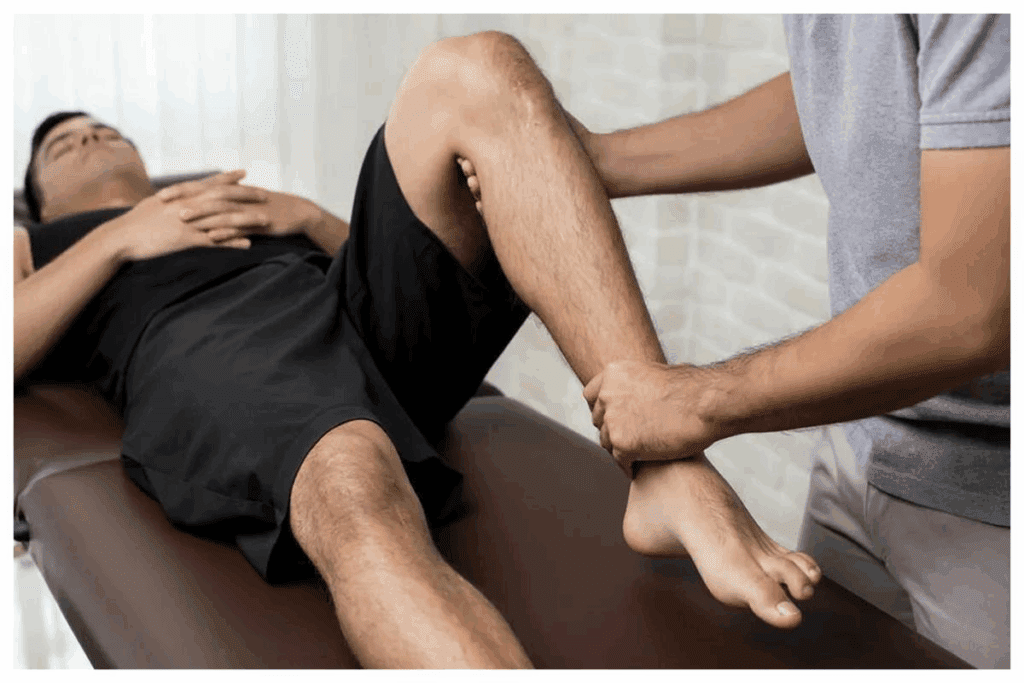
When over-the-counter treatments don’t work, prescription-strength anti-inflammatory meds are key for severe bursitis. These meds offer stronger relief for those with intense pain and swelling.
Prescription-Strength NSAIDs
Prescription NSAIDs, like stronger ibuprofen or naproxen, are used when OTC meds don’t cut it. They reduce inflammation and pain better than OTC versions.
But it’s important to remember that these meds can have more side effects.
COX-2 Inhibitors
COX-2 inhibitors, like celecoxib (Celebrex), target the COX-2 enzyme for inflammation. They also protect the stomach lining better than traditional NSAIDs.
This makes COX-2 inhibitors a good choice for some, as they lower the risk of stomach problems.
When to Consider Prescription Options
Consider prescription meds when:
- OTC meds don’t help enough
- The bursitis is very severe and affects daily life
- You need stronger, longer-lasting anti-inflammatory effects
Working with your doctor is key to finding an effective treatment for bursitis. Need careful monitoring to avoid side effects.
Determining the Best Anti-Inflammatory for Bursitis
Finding an effective treatment for bursitis is essential.
Comparing the Effectiveness of Different Anti-Inflammatories
There are many anti-inflammatory drugs for bursitis, each with its own benefits and risks. Ibuprofen and naproxen are common over-the-counter options for mild to moderate bursitis. For more serious cases, stronger prescription drugs might be needed.
A study showed that diclofenac works well for bursitis pain and swelling. But the best drug for you depends on your health and medical history.
- Over-the-counter NSAIDs for mild to moderate bursitis
- Prescription-strength NSAIDs for more severe cases
- COX-2 inhibitors for patients at risk of gastrointestinal side effects
Factors That Influence Treatment Selection
Several things affect the choice of anti-inflammatory treatment for bursitis. These include:
- The effectiveness of these injections varies based on the specific condition and the individual’s response.
- Patient’s overall health and medical history
- Potential side effects of the medication
- Previous response to anti-inflammatory treatments
For example, people with stomach problems might avoid certain NSAIDs. Those with kidney issues might need to take less of the drug.
Personalized Approaches Based on Bursitis Type and Severity
Personalized treatment is important for bursitis. For example, severe bursitis might need corticosteroid shots along with drugs. Mild cases might just need topical or oral NSAIDs.
Monitoring their response is also important.”
“The key to effective bursitis management is tailoring the treatment to the individual patient’s needs and closely monitoring their response to therapy.”
Healthcare Professional
Healthcare providers can create a treatment plan that fits each patient’s needs. This is done by considering various factors and comparing different drugs.
Finding an effective treatment for bursitis is essential.
Bursitis treatment often includes corticosteroid injections to reduce inflammation and ease pain. These injections are a common and effective way to manage bursitis symptoms. They are often used when other treatments don’t work well enough.
How Corticosteroid Injections Work
Corticosteroid injections deliver a strong anti-inflammatory medication directly to the affected bursa. This targeted approach helps reduce swelling, ease pain, and improve joint function. The corticosteroids used are synthetic versions of the body’s natural hormones, known for their anti-inflammatory properties.
Effectiveness for Different Types of Bursitis
Corticosteroid injections can be very effective for different types of bursitis, like shoulder, hip, knee, and elbow bursitis. The effectiveness of these injections varies based on the specific condition and the individual’s response. Often, one injection can bring significant relief, but some may need more than one.
Potential Side Effects and Limitations
While generally safe, corticosteroid injections can have side effects and limitations. Common issues include temporary pain at the injection site, skin thinning, and changes in skin color. Serious but rare complications include infection, tendon rupture, and nerve damage. t these risks to understand the benefits and possible drawbacks.
How Often Injections Can Be Administered
The effectiveness of these injections varies based on the specific condition and the individual’s response.
They can explain the benefits and risks of corticosteroid injections and create a treatment plan just for you.
Topical Anti-Inflammatory Options
People with bursitis can find relief with topical anti-inflammatory gels and creams. These treatments target pain and inflammation directly. They are great because they can be applied right to the problem area, reducing side effects.
Diclofenac Gels and Creams
Diclofenac is a top choice for treating bursitis with topical NSAIDs. It comes in gel and cream forms. Diclofenac stops the body from making prostaglandins, which cause inflammation. Research shows it helps with pain and function in osteoarthritis and other conditions.
When using diclofenac, follow the application instructions closely. A small amount is applied to the affected area and massaged in until it’s fully absorbed. You should apply it 3-4 times a day.
Other Topical NSAIDs
Other than diclofenac, there are ketoprofen and ibuprofen gels and creams for bursitis. The right choice depends on your tolerance, where the bursitis is, and how bad the symptoms are.
Application Techniques for Maximum Benefit
To get the most out of topical treatments, apply them correctly. Here’s how:
- Apply to clean, dry skin
- Massage it in until it’s fully absorbed
- Don’t use on broken or irritated skin
- Wash your hands after applying
Combining Topical Treatments with Other Therapies
For the best bursitis care, mix topical treatments with other therapies. Physical therapy helps improve joint mobility and strengthen muscles. Cold or heat therapy with topical NSAIDs can also help with pain and inflammation.
Remember, making lifestyle changes like staying at a healthy weight and avoiding activities that make bursitis worse can also help.
Natural Anti-Inflammatory Supplements for Bursitis
Many people with bursitis are trying natural anti-inflammatory supplements to feel better. These supplements can help with inflammation and healing, along with other treatments.
Turmeric and Curcumin
Turmeric, a spice used in cooking, has a compound called curcumin. Curcumin is known for its anti-inflammatory effects. It can help reduce pain and inflammation, similar to how it works for arthritis.
Omega-3 Fatty Acids
Omega-3 fatty acids, found in fish oil, have anti-inflammatory properties. These fatty acids can reduce inflammation by stopping the production of inflammatory cytokines. While more research is needed, omega-3 supplements show promise in managing inflammation.
Boswellia Serrata
Boswellia serrata, or frankincense, is an herbal extract with anti-inflammatory properties. It may help reduce inflammation and pain from bursitis. More clinical trials are needed to confirm its effectiveness.
Scientific Evidence for Effectiveness
These natural supplements show promise, but we need more scientific evidence. Studies have looked into turmeric, omega-3 fatty acids, and Boswellia serrata’s anti-inflammatory effects. The results are encouraging, but more research is needed to fully understand their benefits and limitations for bursitis.
CBD and Other Cannabis-Derived Products for Bursitis Pain
CBD and other cannabis products are being studied for bursitis relief. People with bursitis are looking for new ways to ease their pain. They are interested in these products as a possible solution.
Current Research on CBD for Inflammation
Research suggests CBD might help with bursitis inflammation. CBD interacts with the body’s endocannabinoid system, which could affect pain and inflammation. More research is needed to confirm its effects on bursitis.
Types of CBD Products for Bursitis
CBD products are available in oils, creams, and capsules. Creams and gels can be applied directly to the bursitis area. Oils and capsules are taken orally and may offer systemic benefits. The right product depends on personal preference and the type.
Legal Considerations in the United States
In the U.S., CBD laws vary by state. Federal law allows CBD from hemp with less than 0.3% THC. But some states have stricter rules. It’s important to know your state’s laws before using CBD products.
Potential Benefits and Limitations
CBD might help with bursitis by reducing inflammation and pain. But there are limitations. These include the lack of standard dosing and possible interactions with other drugs. A table below outlines the benefits and limitations.
| Potential Benefits | Potential Limitations |
| Reduced inflammation | Lack of standardized dosing |
| Pain relief | Potential interactions with other medications |
| Alternative to traditional pain medications | Variable product quality |
In conclusion, CBD and cannabis products might help with bursitis pain. But more research is needed to understand their full effects. If you’re considering these products, talk to your doctor about their benefits and risks.
Anti-Inflammatory Diet Approaches for Bursitis Management
An anti-inflammatory diet can help manage bursitis symptoms and improve life quality. By choosing the right foods, people can reduce inflammation and ease bursitis discomfort.
Nourishing Foods for Inflammation Reduction
Certain foods have anti-inflammatory properties that help manage bursitis. These include:
- Fatty Fish: Rich in omega-3 fatty acids, fish like salmon and sardines are known for their anti-inflammatory effects.
- Leafy Greens: Vegetables such as spinach and kale are packed with antioxidants that help reduce inflammation.
- Nuts and Seeds: Almonds, walnuts, and chia seeds are rich in healthy fats and antioxidants.
- Whole Grains: Foods like brown rice, quinoa, and whole-wheat bread can help reduce inflammation.
- Berries: Blueberries, strawberries, and raspberries are rich in vitamin C and antioxidants.
Foods to Limit or Avoid
Some foods can increase inflammation, while others can help reduce it. It’s good to limit or avoid:
- Processed Foods: Often high in unhealthy fats, sugars, and sodium.
- Sugary Drinks: Beverages like soda can increase inflammation.
- Refined Carbohydrates: White bread and pastries can cause inflammation.
- Red and Processed Meats: High consumption can lead to increased inflammation.
Effective Meal Planning
Creating an anti-inflammatory meal plan involves choosing foods that reduce inflammation. Here are some tips:
- Start the Day Right: Begin with a breakfast rich in fruits, whole grains, and healthy fats.
- Incorporate Variety: Ensure a mix of different colored vegetables and fruits in your meals.
- Healthy Snacking: Choose nuts, fruits, and yogurt over processed snacks.
- Stay Hydrated: Drink plenty of water throughout the day.
By adopting an anti-inflammatory diet, individuals can manage their bursitis better. This can reduce symptoms and improve overall well-being.
Physical Therapies and Anti-Inflammatory Treatments
Using physical therapies with anti-inflammatory treatments helps manage bursitis. This approach can lead to better symptom relief and faster recovery.
Cold Therapy Techniques
Cold therapy, or cryotherapy, is used to reduce inflammation and pain from bursitis. Using cold packs or ice wrapped in a towel for 15-20 minutes, several times a day, can help reduce swelling. Make sure not to put ice directly on your skin to avoid ice burns.
Heat Therapy: When Appropriate
Heat therapy is helpful in the later stages of bursitis treatment. It can relax muscles, increase blood flow, and aid in healing. Use warm compresses, heating pads, or warm baths for heat therapy. But, avoid heat during the early, inflammatory phase to prevent swelling.
Rest and Activity Modification
Combining Physical Therapies with Medications
Using physical therapies with anti-inflammatory medications can improve treatment results. For example, combining cold therapy with NSAIDs can offer better pain relief and inflammation reduction than either alone. Always follow your healthcare provider’s advice on how to safely and effectively use these therapies together.
| Therapy Type | Benefits | Precautions |
| Cold Therapy | Reduces inflammation, numbs pain | Avoid direct skin contact, limit to 20 minutes |
| Heat Therapy | Relaxes muscles, increases blood flow | Avoid during acute inflammation, be cautious with heat sources |
| Rest and Activity Modification | Reduces stress on the affected bursa, promotes healing | May require lifestyle adjustments, avoid overexertion |
Treating Specific Types of Bursitis
Bursitis can happen in different parts of the body. Knowing the exact type is key to treating it right. Each area has its own challenges, needing special care to heal and ease symptoms.
Shoulder Bursitis Anti-Inflammatory Approaches
Shoulder bursitis usually comes from repeated actions or direct hits. Treatment often includes rest, physical therapy, and anti-inflammatory drugs. Ibuprofen and naproxen are top choices to cut down pain and swelling. Sometimes, doctors might suggest corticosteroid shots for severe cases.
“The shoulder is very prone to bursitis because of its wide motion,” a study on shoulder injuries points out. Conservative management is usually the first step. It aims to ease symptoms and boost joint movement.
Hip Bursitis Treatment Options
Hip bursitis, like trochanteric bursitis, is treated with physical therapy, changing how you move, and anti-inflammatory drugs. Corticosteroid injections might be used to lessen swelling. It’s vital to fix any biomechanical problems to stop them from coming back.
Knee Bursitis Management
Knee bursitis can strike in several spots around the knee. Treatment includes protecting the area, using anti-inflammatory drugs, and sometimes corticosteroid shots. Prepatellar bursitis, or housemaid’s knee, might need to be drained if it gets too swollen.
To manage it well, avoid putting pressure on the knee and wear protective gear if needed. Physical therapy can also help the knee work better and lower the chance of more bursitis.
Elbow Bursitis (Olecranon Bursitis) Considerations
Olecranon bursitis, or elbow bursitis, usually comes from hitting the elbow or constant pressure. Treatment might include protecting the elbow, using anti-inflammatory drugs, and sometimes draining or injecting corticosteroids. Preventing further irritation is essential for healing.
“Elbow pads can be an effective preventive measure for individuals prone to olecranon bursitis,” according to orthopedic guidelines. Using protective gear and changing how you do things can greatly lower the risk of it coming back.
When to Consult a Doctor About Bursitis Treatment
Some bursitis cases can be handled on your own. But there are times when you need to see a doctor right away. Knowing when to get medical help is key.
Warning Signs that Require Medical Attention
Some signs mean you should go to the doctor. These include:
- Severe pain or swelling
- Redness or warmth around the affected area
- Fever, as it could indicate an infection
- Significant loss of function or mobility in the affected joint
- Symptoms that persist or worsen despite self-care
If you notice any of these, it’s essential to seek medical attention. This can prevent more serious problems.
What to Expect During a Medical Consultation
At your doctor’s visit, they will do a detailed check-up. This includes:
- A detailed medical history to understand your symptoms and overall health
- A physical examination of the affected area
- Possibly, imaging tests such as X-rays or an MRI to assess the condition of the bursa and surrounding tissues
Be ready to talk about your symptoms. Share when they started and what makes them better or worse.
Talking to your doctor can help you understand your condition better. Ask questions like:
- What is the likely cause of my bursitis?
- What treatment options are available, and which do you recommend?
- Are there any possible side effects or risks with the treatments you suggest?
- How can I manage my symptoms effectively?
- Are there any lifestyle changes that could help alleviate my condition?
When to Seek a Specialist Referral
This could be an orthopedist or rheumatologist. This is more likely if:
- Your symptoms are severe or persistent
- You have a complex medical history that may impact your treatment
- There’s a need for more specialized interventions, such as corticosteroid injections or physical therapy
Getting medical help quickly and being proactive about your care can greatly improve your recovery from bursitis.
Potential Risks and Side Effects of Anti-Inflammatory Treatments
Anti-inflammatory treatments can help with bursitis symptoms. But they also have risks and side effects. Knowing these can help you make better choices for your care.
Gastrointestinal Concerns with NSAIDs
NSAIDs can cause stomach problems. Long-term or high-dose use can lead to stomach ulcers, bleeding, and perforation. These issues can be serious and even life-threatening. To reduce this risk, use the lowest dose for the shortest time needed.
Some people are at higher risk for stomach problems. This includes older adults, those with a history of ulcers, and people taking other stomach-irritating medications. For these individuals, other treatments or extra precautions might be needed.
Cardiovascular Risks
NSAIDs can also increase the risk of heart attacks and strokes. This is a big concern for people with heart disease or those taking NSAIDs for a long time. It’s thought that NSAIDs might affect the body’s ability to prevent blood clots and keep blood pressure healthy.
If you have heart risk factors, talk to your doctor about the safest treatment for you.
Kidney Function Considerations
NSAIDs can also affect kidney function. They can reduce blood flow to the kidneys, leading to acute kidney injury or worsening kidney disease. This risk is higher for people with kidney problems, heart failure, or those taking certain medications.
It’s important to watch your kidney function while taking NSAIDs, even more so for long-term users or those with risk factors.
Who Should Avoid Certain Anti-Inflammatories
Some people should avoid NSAIDs or use them with caution. This includes those with a history of bleeding, severe heart failure, and advanced kidney disease. Pregnant women, too, should be careful, but it’s most important in the third trimester.
Telling your doctor about your medical history and current medications is key to safe treatment.
Knowing the risks and side effects helps us find the best treatment for bursitis.
Conclusion: Finding the Best Anti-Inflammatory Approach for Your Bursitis
Effectively managing bursitis relies on identifying the right anti-inflammatory treatment.
Knowing what causes bursitis and its symptoms helps you manage it better. By trying different treatments, you can live more actively and feel less pain. This way, you can enjoy your life more without the discomfort of bursitis.
FAQ
What is bursitis, and how does it occur?
Bursitis is when the bursae, fluid-filled sacs, get inflamed. These sacs cushion joints and reduce friction. It can happen from repetitive motion, injury, or infection.
What are the most common locations for bursitis?
Bursitis often affects the shoulder, hip, knee, and elbow. These areas have bursae that can get inflamed.
What are the symptoms of bursitis?
Symptoms include pain, swelling, and limited movement. These happen in the affected area.
How do anti-inflammatory treatments work to reduce bursitis symptoms?
These treatments reduce inflammation and pain. They help with bursitis symptoms.
What are the differences between over-the-counter (OTC) and prescription anti-inflammatory medications?
OTC meds like ibuprofen are for mild bursitis. Prescription meds are for more severe cases.
Can corticosteroid injections be used to treat bursitis?
Yes, they can reduce inflammation and pain. But, they should be used carefully due to side effects.
Are there any natural anti-inflammatory supplements that can help manage bursitis?
How can dietary choices impact inflammation and bursitis symptoms?
What you eat can affect inflammation and symptoms. Eat foods like fatty fish and leafy greens. Avoid processed meats and sugary snacks.
What are some physical therapies that can be used in conjunction with anti-inflammatory treatments to manage bursitis?
Cold and heat therapy, and rest can help. They work with anti-inflammatory treatments to manage bursitis.
When should I seek medical attention for bursitis?
See a doctor for severe pain, swelling, or signs. Or if symptoms don’t get better or get worse.
What are the possible risks and side effects of anti-inflammatory treatments?
Risks include stomach problems, heart risks, and kidney issues. This is more common with NSAIDs.
References
- U.S. Food and Drug Administration. (2021, February 9). What You Should Know About Using Cannabis, Including CBD, When Pregnant or Breastfeeding. https://www.fda.gov/consumers/consumer-updates/what-you-should-know-about-using-cannabis-including-cbd-when-pregnant-or-breastfeeding



 Departments
 Related Videos
 Our Doctors
 News
News