

Find the best anti inflammatory for bursitis to manage pain and restore flexibility safely. Bursitis is a condition characterized by the swelling of fluid-filled sacs, known as bursae, within the joints. It affects millions, causing pain, swelling, and making it hard to move. Effective management is key to get back to a normal life.
We look into the medications for bursitis, like anti-inflammatory drugs. We want to see how well they work against this painful condition.
Key Takeaways
- Knowing what causes bursitis and its symptoms is important for treatment.
- There are many medicines to treat bursitis, including anti-inflammatory drugs.
- The right medicine can greatly improve your life quality.
- Always talk to a healthcare professional for the best treatment plan.
- Treating bursitis means reducing swelling and easing pain.
Understanding Bursitis: Causes, Symptoms, and Diagnosis
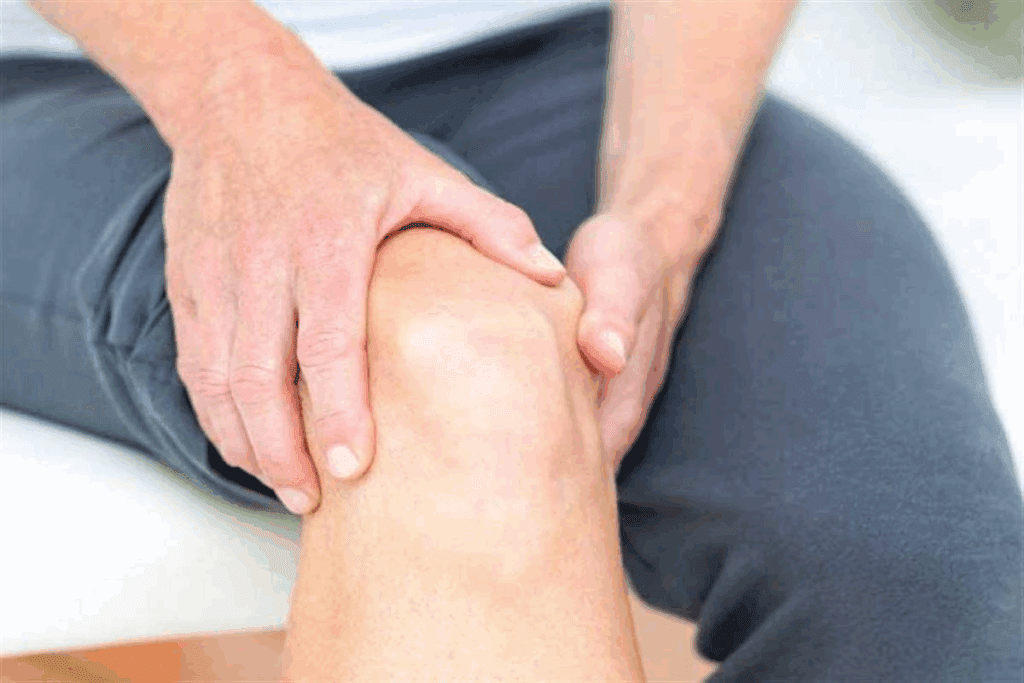
It’s important to know about bursitis to treat it well. Bursitis happens when the bursae, fluid-filled sacs, get inflamed. These sacs protect bones, tendons, and muscles near joints.
What is Bursitis and How Does it Develop?
Bursitis can start from repetitive motion, direct trauma, or infection. When a bursa gets inflamed, it causes pain, swelling, and limited movement. Repetitive bursitis means it keeps coming back. Chronic bursitis is when it stays inflamed for a long time.
Many things can lead to bursitis, like:
- Repetitive motion or overuse
- Direct blows or trauma to the affected area
- Infection, which can be bacterial or fungal
- Poor posture or biomechanics
- Underlying medical conditions, such as rheumatoid arthritis
Common Symptoms of Bursitis
The symptoms of bursitis can differ based on where and how bad the inflammation is. Common signs include:
- Pain or tenderness in the affected area
- Swelling or redness around the joint
- Warmth or heat in the affected area
- Limited mobility or stiffness
- Aching or discomfort, mostly at night or with movement
Diagnostic Approaches for Bursitis
Doctors use a few ways to diagnose bursitis. They look at physical signs, medical history, and sometimes imaging tests. Here are some methods they might use:
- Physical examination to check for pain, swelling, and how well you can move
- Medical history to find out if there are any underlying conditions or risk factors
- Imaging tests, like X-rays or MRI, to confirm the diagnosis and check for other issues
Getting a correct diagnosis is key to treating bursitis well. By knowing the causes, symptoms, and how to diagnose it, doctors can give better treatments. This helps to reduce pain and improve how well you can move.
Types of Bursitis and Affected Areas
Knowing the different types of bursitis is key. It affects areas like the hips, shoulders, knees, and elbows. Each type has its own symptoms and treatment needs. Doctors can then create specific plans to help patients feel better.
Hip Bursitis (Trochanteric Bursitis)
Hip bursitis, or trochanteric bursitis, happens when the bursa near the hip gets inflamed. It causes pain on the outside of the hip, getting worse with walking or climbing stairs. Symptoms include tenderness, swelling, and a snapping feeling when moving the hip. Treatment often includes rest, physical therapy, and anti-inflammatory drugs.
Shoulder Bursitis (Subacromial Bursitis)
Shoulder bursitis, or subacromial bursitis, is when the bursa between the shoulder blade and rotator cuff gets inflamed. It leads to shoulder pain and stiffness, making it hard to lift the arm or do overhead activities. Common causes are repetitive motion, direct trauma, or age. Treatment may include corticosteroid injections, physical therapy, and NSAIDs to reduce inflammation.
Knee Bursitis (Prepatellar Bursitis)
Knee bursitis, or prepatellar bursitis, is when the bursa in front of the kneecap gets inflamed. It’s common in people who kneel a lot, like construction workers or gardeners. Symptoms are swelling, redness, and tenderness in the front of the knee. Treatment involves avoiding activities that make it worse, using protective gear, and taking anti-inflammatory drugs.
Elbow Bursitis (Olecranon Bursitis)
Elbow bursitis, or olecranon bursitis, is when the bursa at the back of the elbow gets inflamed. It can be caused by direct trauma, infection, or repetitive motion. Symptoms include swelling, pain, and limited elbow mobility. Treatment may include aspiration of the bursa, antibiotics if infected, and protective measures to prevent further irritation.
Understanding the different types of bursitis helps us treat them more effectively. Medical professionals say, “accurate diagnosis and tailored treatment plans are key to easing symptoms and improving patients’ lives.”
The Best Anti-Inflammatory for Bursitis: A Detailed Look
Anti-inflammatory drugs are key in treating bursitis. Knowing the differences between them helps in making the right choice. Bursitis, which causes inflammation in the bursae, needs effective treatment to ease pain and improve function.
How Anti-Inflammatory Medications Target Bursitis
Anti-inflammatory drugs, like NSAIDs, are often used for bursitis. They reduce inflammation and pain, helping patients with daily tasks. NSAIDs do this by blocking enzymes that cause inflammation.
The success of NSAIDs in treating bursitis varies. It depends on the type of bursitis, its severity, and the patient’s health and age.
Comparing NSAIDs Effectiveness for Different Types of Bursitis
NSAIDs work differently for various bursitis types, such as hip, shoulder, knee, and elbow. For example, ibuprofen and naproxen are effective in managing bursitis symptoms.
- Ibuprofen: Good for mild to moderate bursitis pain.
- Naproxen: Provides longer relief due to its longer half-life.
Knowing each NSAID’s characteristics helps in choosing the right one for each condition.
Prescription vs. Over-the-Counter Anti-Inflammatory Options
Patients have both OTC and prescription anti-inflammatory drugs. OTC NSAIDs like ibuprofen and naproxen are often the first choice for bursitis. They are easy to get and manage symptoms well.
For severe cases or when OTC drugs don’t work, prescription-strength NSAIDs or other drugs may be needed. These offer stronger relief but might have more side effects.
It’s important for patients to talk to their doctor about their treatment options. This helps in finding the best treatment for their specific case.
Over-the-Counter NSAIDs for Bursitis Treatment
OTC NSAIDs are often the first choice for bursitis. They are easy to find and help reduce inflammation and pain.
Ibuprofen (Advil, Motrin) for Bursitis Pain Relief
Ibuprofen is a top pick for bursitis. It stops prostaglandins, which cause pain and swelling. Recommended dosages are 200 to 400 mg every 4 to 6 hours, up to 1200 mg a day with a doctor’s okay.
Research shows ibuprofen can lessen pain and help patients move better. But, it’s key to stick to the dosage to avoid side effects.
Naproxen (Aleve) for Longer-Lasting Bursitis Relief
Naproxen is another good choice for bursitis. It lasts longer than ibuprofen, giving more relief. Typical dosing is 220 mg every 8 to 12 hours, up to 440 mg a day without a doctor’s help.
Naproxen is great for those needing pain relief all day. But, it can cause stomach problems, so talk to a doctor if you’re worried.
Aspirin and Its Role in Bursitis Treatment
Aspirin has been used for bursitis for years. But, newer NSAIDs might have fewer side effects. Dosing for aspirin is 325 to 650 mg every 4 hours, not more than 4 grams a day.
Aspirin can work for bursitis, but it might cause stomach problems more than other NSAIDs. Always check with a doctor before taking aspirin for bursitis.
Proper Dosing and Duration of OTC Medications
It’s important to follow the dosage and not take too much of OTC NSAIDs. Duration of treatment should be short; see a doctor if symptoms last more than a few days.
- Always read and follow the label instructions.
- Do not exceed the recommended dose or duration.
- Consult a healthcare professional if symptoms persist or worsen.
- Be aware of possible interactions with other drugs.
Knowing how to use OTC NSAIDs can help manage bursitis symptoms and improve life quality.
Prescription Medications for Moderate to Severe Bursitis
When bursitis is very painful, prescription drugs can help. They reduce inflammation and ease symptoms. Doctors may suggest these stronger medicines if over-the-counter options don’t work well.
Prescription-Strength NSAIDs for Bursitis
For bursitis that’s hard to treat, doctors might prescribe stronger NSAIDs. These have higher doses or stronger formulas. They can reduce pain and swelling better. Diclofenac and indomethacin are examples, used when ibuprofen or naproxen don’t help enough.
COX-2 Inhibitors (Celecoxib) for Bursitis
Celecoxib (Celebrex) is a special NSAID for bursitis. It targets the COX-2 enzyme, which causes inflammation. It’s good for those who worry about stomach problems from regular NSAIDs. COX-2 inhibitors can help with bursitis symptoms and might have fewer side effects.
Meloxicam for Persistent Bursitis Symptoms
Meloxicam is another NSAID for bursitis. It helps with inflammation and pain for a long time. It’s taken once a day, making it easy to manage bursitis symptoms.
When to Consider Prescription Anti-Inflammatory Options
If bursitis makes daily life hard and over-the-counter drugs don’t help, think about prescription options. Always talk to a doctor to find the right treatment for your symptoms and health.
Corticosteroids and Injections for Acute Bursitis Relief
Corticosteroid injections can be a big help for acute bursitis. They quickly reduce inflammation and pain. We look at how corticosteroids, both shots and pills, help with this condition.
How Corticosteroid Injections Target Bursitis
Corticosteroid injections aim directly at the inflamed bursa. This method is very effective for acute bursitis. It delivers the medicine right to the source, cutting down inflammation and pain fast.
The process involves injecting a corticosteroid, often with a local anesthetic, into the bursa. This not only cuts down inflammation but also gives quick pain relief in many cases.
Prednisone and Other Oral Steroids for Bursitis
Oral steroids like prednisone might be given for bursitis. These medications work all over the body to lower inflammation. This is good when the bursitis is severe or affects many areas.
Oral steroids are usually taken for a short time because of possible side effects. Doctors carefully manage the dosage and length of treatment. This is to make sure the treatment is effective but safe.
Benefits and Risks of Steroid Treatment
Corticosteroids are very effective for bursitis, but it’s important to know the good and bad sides. The main benefit is quick reduction of inflammation and pain. This helps people recover faster and get back to their usual activities.
- Benefits include quick relief from pain and inflammation.
- Risks may involve possible side effects, mainly with oral steroids or repeated injections.
Duration of Relief from Steroid Treatments
The length of relief from corticosteroid treatments can differ. Injections can offer relief for weeks to months, depending on the person and the condition.
Oral steroids give relief while they are being taken. But their effects stop once the medicine is finished. Knowing how long relief lasts and planning for future treatments is key to managing bursitis well.
Topical treatments are a good option for bursitis pain. They are applied directly to the area, which can reduce side effects from taking pills.
Diclofenac Gel (Voltaren) and Other Topical NSAIDs
Topical NSAIDs like diclofenac gel (Voltaren) are popular for bursitis pain. They are applied to the skin over the bursa, giving relief.
Diclofenac gel is special because it has an NSAID that fights inflammation and pain. Studies show it works as well as pills but with less side effects.
| Topical NSAID | Active Ingredient | Application Frequency |
| Voltaren Gel | Diclofenac | 3-4 times daily |
| Flector Patch | Diclofenac | Twice daily |
| Penlac Nail Lacquer | Ciclopirox | Once daily |
Lidocaine and Pain-Relieving Creams
Lidocaine and other creams are good for bursitis pain. They numb the skin and tissues, giving temporary relief.
Lidocaine patches or creams are great for sudden bursitis pain. They offer quick relief without needing pills.
DMSO and Alternative Topical Options
Dimethyl sulfoxide (DMSO) is another option for bursitis. It’s thought to have anti-inflammatory effects, though not as much research as other treatments.
Some people find DMSO helpful, but it’s important to talk to a doctor first. The quality and effectiveness can vary.
Effectiveness of Topical vs. Oral Medications
Topical treatments have the advantage of being applied directly to the area. This can reduce side effects from pills. But, their effectiveness depends on the bursitis severity and how well the treatment reaches the bursa.
Oral medications offer more widespread relief but might have more side effects. The choice between topical and oral treatments depends on the patient’s condition and health.
It’s best to talk to a healthcare provider to find the right treatment for your bursitis.
When to Seek Medical Help for Bursitis
Bursitis often needs more than just rest and over-the-counter meds. Knowing when to see a doctor is key. While many cases can be managed at home, some need medical attention to avoid further problems or to find the root cause.
Warning Signs That Require Medical Attention
It’s important to know the signs that mean you should see a doctor. These include:
- Increased pain or swelling
- Redness or warmth around the affected area
- Fever
- Limited mobility or inability to move the affected joint
- Pus or discharge from the affected bursa
If you notice any of these symptoms, it’s best to get medical help. This way, you can find out what’s causing the problem and get the right treatment.
Differentiating Between Bursitis and Other Conditions
Telling bursitis apart from other conditions that have similar symptoms is key. Conditions like tendonitis, arthritis, or infections can look like bursitis. A detailed medical check-up is needed to figure out the real cause.
| Condition | Common Symptoms | Differentiating Factors |
| Bursitis | Pain, swelling, limited mobility | Inflammation of the bursa, often due to repetitive motion or direct blow |
| Tendonitis | Pain, swelling, tenderness | Inflammation of the tendons, often due to overuse or repetitive strain |
| Arthritis | Joint pain, swelling, stiffness | Inflammation of the joint, can be due to various forms of arthritis |
What to Expect During a Medical Consultation
At a doctor’s visit for bursitis, you’ll get a full check-up. This includes a physical exam and might include tests like X-rays or an MRI. Your doctor will look at the affected area, talk about your symptoms and health history, and might do a procedure to check the bursa fluid.
Knowing when to get medical help for bursitis is key for proper treatment. By spotting warning signs, figuring out if it’s bursitis or something else, and knowing what to expect at the doctor’s, you can take the right steps towards getting better.
Physical Therapy and Non-Pharmaceutical Approaches
Non-pharmaceutical methods are key in managing bursitis symptoms. While drugs can help, adding physical therapy and other non-drug methods can make treatment better. This can also improve your life quality.
RICE Method for Acute Bursitis Treatment
The RICE method is a top choice for treating acute bursitis. It stands for Rest, Ice, Compression, and Elevation. It helps cut down inflammation and eases pain.
- Rest: Stay away from activities that make it worse.
- Ice: Use ice packs to lessen swelling.
- Compression: Wear compression bandages to shrink swelling.
- Elevation: Raise the affected limb to lower blood flow and swelling.
Physical Therapy Exercises for Different Types of Bursitis
Physical therapy is vital for treating bursitis. It boosts mobility and strength. The exercises depend on the bursitis type.
| Type of Bursitis | Recommended Exercises |
| Hip Bursitis | Gluteal strengthening, hip flexion exercises |
| Shoulder Bursitis | Shoulder rotations, scapular strengthening |
| Knee Bursitis | Knee bends, quadriceps strengthening |
Heat vs. Ice: When to Use Each for Bursitis
Heat and ice are both good for bursitis pain, but they’re used differently.
Ice: Ideal for new injuries or flare-ups to reduce swelling.
Heat: Good for long-term pain or stiffness to help move better.
TENS Units and Electrical Stimulation for Pain Relief
TENS units send electrical impulses to the area, blocking pain signals to the brain. This offers pain relief.
Using these non-drug methods in a treatment plan can greatly help bursitis symptoms. It can also improve your life quality a lot.
Natural and Alternative Remedies for Bursitis
Many people are looking for natural ways to manage bursitis. They want to avoid the side effects of traditional treatments. So, they’re trying out different natural remedies to ease their symptoms.
Turmeric, Ginger, and Anti-Inflammatory Supplements
Turmeric and ginger are known for their anti-inflammatory effects. Turmeric has a compound called curcumin, which fights inflammation and protects against damage. Studies show it can reduce pain and swelling in bursitis.
Ginger also has compounds that help with pain and swelling. It’s a natural way to ease discomfort.
Other supplements that might help with bursitis include:
- Omega-3 fatty acids in fish oil, which are anti-inflammatory.
- Glucosamine and chondroitin, good for joint health.
- Boswellia, or frankincense, which reduces inflammation.
CBD Products for Bursitis Pain Management
CBD products are becoming popular for pain relief. They come from the cannabis plant but don’t have THC, the part that gets you high. Research shows CBD can help with pain and inflammation by working with the body’s own systems.
“CBD has shown promise in reducing inflammation and pain in various conditions, and it may offer relief for bursitis sufferers.”
Nature Reviews Rheumatology
Acupuncture, Chiropractic Care, and Massage Therapy
Acupuncture, chiropractic care, and massage therapy can also help with bursitis. Acupuncture uses needles to stimulate healing and pain relief. Chiropractic care improves joint mobility and reduces pain. Massage therapy relaxes muscles, improves blood flow, and reduces swelling.
| Therapy | Description | Potential Benefits for Bursitis |
| Acupuncture | Insertion of fine needles into specific body points | Pain relief, improved healing |
| Chiropractic Care | Spinal manipulation and adjustments | Improved joint mobility, reduced pain |
| Massage Therapy | Manual manipulation of soft body tissues | Relaxation, improved circulation, reduced inflammation |
Herbal Remedies with Anti-Inflammatory Properties
Many herbal remedies have anti-inflammatory properties. They might help with bursitis symptoms. Some examples include:
- Devil’s Claw, known for its anti-inflammatory and pain-relieving effects.
- Willow Bark, which has salicin, like aspirin.
- Arnica, used topically to reduce pain and swelling.
While these natural remedies might help with bursitis, it’s important to talk to a doctor first. They can help figure out the best treatment plan for you. This ensures you’re using these remedies safely and effectively.
Comparing Bursitis and Tendonitis Treatments
It’s important to know the differences between bursitis and tendonitis to treat them right. Both are inflammatory conditions that cause pain and limit movement. But they affect different parts of the body. Bursitis is about the inflammation of bursae, which are fluid-filled sacs. Tendonitis is about the inflammation of tendons, which connect muscles to bones.
Anatomical and Pathological Differences
Bursitis happens in areas with bursae, like the hip, shoulder, elbow, and knee. Tendonitis can happen in any tendon but is common in the shoulders, elbows, wrists, and heels. Both conditions have inflammation as a common cause, which is the body’s response to injury or overuse.
Medication Approaches for Both Conditions
Both bursitis and tendonitis are treated with anti-inflammatory medications to reduce pain and swelling. NSAIDs like ibuprofen and naproxen are often used. In severe cases, corticosteroid injections may be given for relief. The choice between oral meds and injections depends on the condition’s severity and the patient’s health.
Physical therapy is also key in treating both conditions. Exercises tailored to the condition can improve mobility and strengthen muscles, reducing injury risk.
When Treatments Differ and Why
While treatments for bursitis and tendonitis are similar, there are times when they differ. Tendonitis might need specific exercises to strengthen the tendons. Bursitis might need more focus on reducing pressure on the bursae. Treatment duration can also vary, with tendonitis sometimes needing longer rehab.
Managing Concurrent Bursitis and Tendonitis
When both bursitis and tendonitis are present, a detailed treatment plan is needed. This plan might include anti-inflammatory meds, physical therapy, and lifestyle changes. It’s important to tailor the treatment to the individual’s needs, considering the severity of each condition and any health factors.
Managing both conditions requires teamwork between healthcare providers and patients. Understanding the unique aspects of each condition helps develop better treatment strategies. This improves outcomes for those with both bursitis and tendonitis.
Potential Side Effects and Risks of Bursitis Medications
Medications for bursitis can have side effects and risks. These drugs help reduce inflammation and pain. But, knowing their possible bad effects is key to safe treatment.
Common Side Effects of NSAIDs and Anti-Inflammatories
NSAIDs are often used for bursitis. But, they can cause stomach problems like nausea and diarrhea. Some people might also get allergic reactions, feel dizzy, or have headaches.
Common side effects of NSAIDs include:
- Gastrointestinal issues (nausea, stomach pain, diarrhea)
- Allergic reactions
- Dizziness
- Headaches
Long-term Risks of Anti-Inflammatory Use
Using NSAIDs and other anti-inflammatory drugs for a long time can be risky. It might cause stomach ulcers, kidney damage, and increase the chance of heart attacks and strokes.
| Risk | Description |
| Stomach Ulcers | Long-term NSAID use can cause stomach ulcers and bleeding. |
| Kidney Damage | Prolonged NSAID use may lead to kidney damage or exacerbate existing kidney problems. |
| Cardiovascular Events | Increased risk of heart attacks and strokes with long-term NSAID use. |
Drug Interactions to Be Aware Of
NSAIDs and other anti-inflammatory drugs can interact with other medications. This can lead to bad effects. Always tell your doctor about all drugs and supplements you’re taking.
Potential drug interactions include:
- Blood thinners (e.g., warfarin)
- Other NSAIDs
- Corticosteroids
- Certain antidepressants
When to Consult a Doctor About Side Effects
If you have severe or ongoing side effects from bursitis medications, see your doctor. They can change your treatment or suggest other options to reduce side effects.
Conclusion: Creating an Effective Bursitis Treatment Plan
Creating a good treatment plan for bursitis needs a mix of medicine, physical therapy, and changes in lifestyle. We’ve looked at many treatment options. These include over-the-counter and prescription drugs, corticosteroid shots, and other therapies.
To handle bursitis well, knowing the different types and their treatments is key. By using medicines and other methods together, people can work with doctors to make a plan just for them.
Good treatment plans need to understand bursitis, its signs, and how to treat it. By being active in managing bursitis, people can lessen their symptoms. They can also live better and avoid more problems in the future.
We suggest talking to a healthcare expert to find the best treatment for you. This way, you get the best care for managing bursitis.
FAQ
What is the best anti-inflammatory for bursitis?
The best anti-inflammatory for bursitis varies based on the condition’s severity and location. Options include ibuprofen, naproxen, and diclofenac gel.
How do I know if I have bursitis or tendonitis?
Both bursitis and tendonitis can cause similar symptoms. Bursitis affects a bursa, while tendonitis impacts tendons. A doctor can diagnose through examination and imaging tests.
Can I use over-the-counter medications for bursitis?
Yes, you can use over-the-counter NSAIDs like ibuprofen and naproxen for bursitis. Always follow the dosage and talk to a doctor if symptoms don’t improve.
What are the benefits of corticosteroid injections for bursitis?
Corticosteroid injections can quickly reduce bursitis symptoms. They target the inflamed bursa directly.
Are there any natural remedies for bursitis?
Yes, natural remedies like turmeric, ginger, and CBD may help with bursitis. But, always check with a healthcare provider before using them.
Can physical therapy help with bursitis?
Yes, physical therapy can improve mobility and strength. It helps prevent future bursitis episodes.
What is the RICE method, and how does it help with bursitis?
The RICE method (Rest, Ice, Compression, Elevation) is used for acute bursitis. It reduces inflammation and pain.
Can I have bursitis and tendonitis at the same time?
Yes, it’s possible to have both bursitis and tendonitis. A treatment plan for both conditions is necessary for effective management.
What are the possible side effects of NSAIDs for bursitis?
NSAIDs can cause stomach issues like ulcers and bleeding. Long-term use may also increase heart risks.
When should I seek medical help for bursitis?
Seek medical help if pain, swelling, redness, or fever increase. Or if symptoms worsen over time. This ensures proper treatment for underlying conditions.
References
- Lustenberger, D. P., et al. (2015). Efficacy of treatment of trochanteric bursitis: A systematic review. Journal of Orthopaedic & Sports Physical Therapy, 45(11), 771-784. https://www.ncbi.nlm.nih.gov/pmc/articles/PMC3689218/



 Departments
 Related Videos
 Our Doctors
 News
News