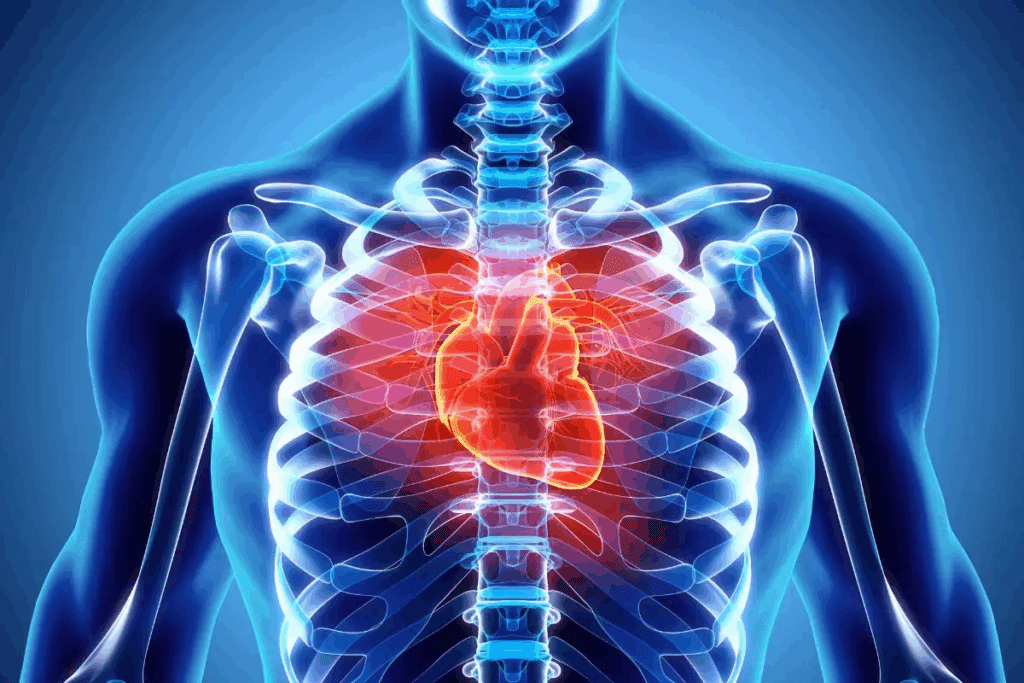
Learn the best exercise to lower cholesterol and improve heart health safely. Regular physical activity is key to managing cholesterol levels. At Liv Hospital, we stress the role of aerobic exercises in lowering LDL (“bad”) cholesterol. They also boost HDL (“good”) cholesterol. Patrick McBride, MD, MPH, says exercise impacts cholesterol and triglycerides in two ways. It helps lower triglycerides and raises HDL levels.
Activities like brisk walking, running, cycling, and swimming can greatly affect your cholesterol. We suggest adding these to your routine for better heart health. This way, you can actively manage your cholesterol and improve your overall health.
Key Takeaways
- Regular aerobic exercise helps lower LDL (“bad”) cholesterol.
- Activities like brisk walking, running, and cycling improve HDL (“good”) cholesterol.
- Incorporating physical activity into your routine supports overall heart health.
- Exercise affects cholesterol and triglycerides by lowering triglycerides and raising HDL levels.
- Consistency is key to achieving significant improvements in cholesterol levels.
Understanding Cholesterol and Its Impact on Health

Cholesterol is key to our heart health. It’s a fat in our blood that helps our cells and hormones work right. Knowing about cholesterol is important.
Good vs. Bad Cholesterol: HDL and LDL Explained
Lipoproteins carry cholesterol in our blood. They are mainly HDL and LDL. HDL is “good” cholesterol because it cleanses the blood. LDL is “bad” cholesterol because too much can clog arteries.
It’s important to have the right balance of HDL and LDL. High HDL lowers heart disease risk. But, high LDL increases it. Both are needed, but in the right amounts.
How High Cholesterol Affects Your Cardiovascular System
High LDL cholesterol can cause plaque in arteries. This is called atherosclerosis. It narrows and hardens arteries, blocking blood flow.
This can lead to heart disease and strokes. High cholesterol is a big risk. It’s vital to manage cholesterol levels to avoid these problems.
| Cholesterol Type | Classification | Impact on Health |
| HDL | Good Cholesterol | Helps remove excess cholesterol from the bloodstream, reducing the risk of heart disease. |
| LDL | Bad Cholesterol | High levels can lead to plaque buildup in arteries, increasing the risk of cardiovascular disease. |
How Exercise Affects Cholesterol Levels
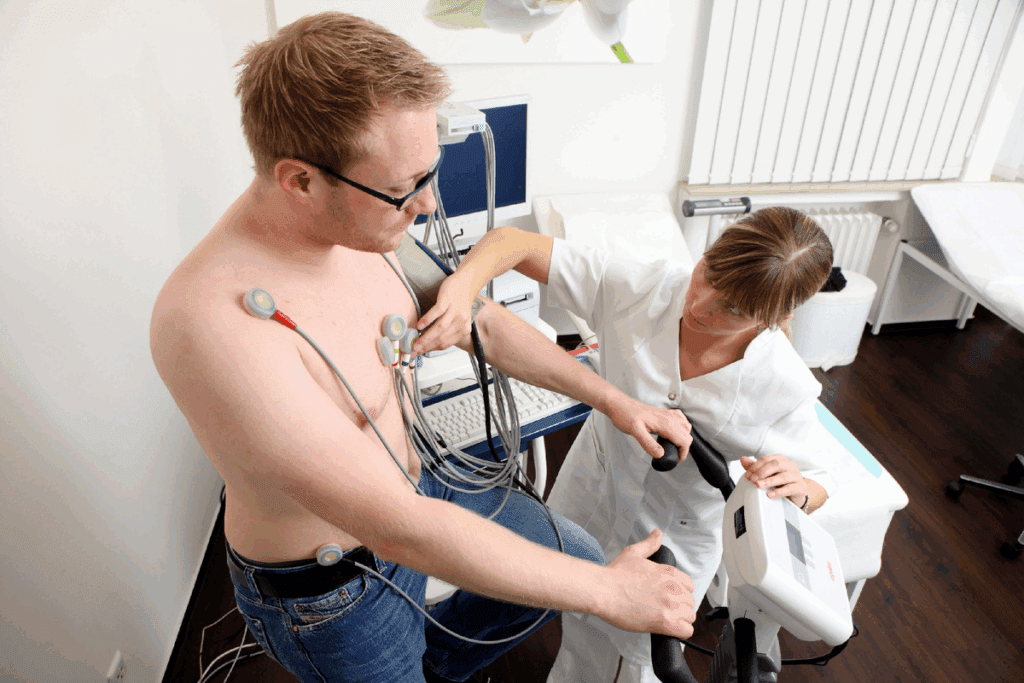
Regular physical activity is key to managing cholesterol levels. It affects cholesterol in many ways, leading to better lipid profiles. Knowing how exercise impacts cholesterol helps tailor workouts for the best results.
The Physiological Mechanisms Behind Cholesterol Reduction
Exercise changes cholesterol levels through several ways. Physical activity boosts the use of fatty acids for energy. This reduces low-density lipoprotein (LDL), or “bad” cholesterol.
It also increases high-density lipoprotein (HDL), or “good” cholesterol. HDL helps remove LDL from the blood, aiding in cholesterol reduction.
Regular exercise improves insulin sensitivity too. This is linked to better cholesterol management. It helps control blood sugar and aids in cholesterol reduction.
Realistic Timeframes for Seeing Measurable Results
Seeing changes in cholesterol levels through exercise varies. Intensity, frequency of workouts, diet, and starting cholesterol levels affect the pace of improvement. Noticeable changes usually occur in 3 to 6 months with regular exercise.
Keeping up with a consistent exercise routine and a healthy diet is key. Studies show that at least 150 minutes of aerobic exercise weekly can significantly improve cholesterol levels.
Research-Backed Benefits: 13% HDL Increase and 5% LDL Decrease
High-intensity aerobic exercise can boost HDL cholesterol by 13% and lower LDL by 5% with 150 minutes of weekly exercise. This highlights the role of regular physical activity in cholesterol management.
Exercise’s benefits extend beyond HDL and LDL. It also lowers triglycerides, a blood fat that increases heart disease risk. A mix of aerobic and resistance training can lead to overall lipid profile improvement.
The Best Exercise to Lower Cholesterol: Aerobic Workouts
Aerobic exercise is key for managing cholesterol. It offers many health benefits. We’ll see why it’s best for cholesterol, the weekly goal for the best results, and how intensity affects cholesterol levels.
Why Aerobic Exercise Is Superior for Cholesterol Management
Aerobic exercise boosts heart health by improving oxygen and nutrient delivery. It raises “good” cholesterol and lowers “bad” cholesterol. This is because it increases HDL and reduces LDL.
Aerobic exercise works in several ways:
- It burns fat and boosts metabolism.
- It makes the heart work better, improving circulation and oxygen delivery.
- It helps the body process lipids better, affecting cholesterol levels.
The Critical 150-Minute Weekly Threshold
The American Heart Association says you need 150 minutes of moderate aerobic exercise weekly. This is key for better cholesterol levels.
Here’s what that means:
- It’s about 30 minutes a day, five days a week.
- You can adjust based on your fitness and goals.
Intensity Levels: Moderate vs. Vigorous Impact on Lipid Profiles
The intensity of your workout affects cholesterol management. Both moderate and vigorous exercises help, but in different ways.
| Intensity Level | Examples | Impact on Lipid Profiles |
| Moderate | Brisk walking, cycling on flat ground | Improves HDL, moderate reduction in LDL |
| Vigorous | Running, swimming laps | Significant increase in HDL, substantial reduction in LDL and triglycerides |
In summary, aerobic exercise is great for cholesterol management. Knowing the benefits of different intensities and aiming for 150 minutes weekly can greatly improve your heart health.
Brisk Walking: The Accessible Cholesterol Fighter
Brisk walking is easy to do and great for your cholesterol. It’s low-impact, so it’s good for all fitness levels. It’s perfect for starting or adding to your workout routine.
Specific Benefits for LDL Reduction and HDL Improvement
Brisk walking is good for both LDL and HDL cholesterol. It lowers LDL, the “bad” cholesterol, and raises HDL, the “good” cholesterol. This helps keep your heart healthy.
LDL Reduction: Walking regularly can lower LDL levels. This reduces the risk of artery plaque buildup.
HDL Improvement: Regular brisk walking increases HDL cholesterol. This helps remove extra cholesterol from your blood, protecting your heart.
Proper Walking Technique and Pace
To get the most from walking, use the right technique and pace. Here are some tips:
- Keep your head up, shoulders relaxed, and core engaged for good posture.
- Step midfoot or forefoot to reduce joint impact.
- Let your arms swing naturally, keeping them relaxed and bent at 90 degrees.
- Walk at a brisk pace, about 3 to 4 miles per hour or faster.
Progressive 8-Week Walking Program for Cholesterol Management
Here’s a 8-week walking program to help you manage your cholesterol. It gets more intense and longer to reach your goals.
| Week | Duration (minutes) | Frequency (days/week) | Pace |
| 1 | 15 | 3 | Moderate |
| 2 | 20 | 3 | Moderate |
| 3 | 25 | 4 | Brisk |
| 4 | 30 | 4 | Brisk |
| 5 | 35 | 5 | Brisk |
| 6 | 40 | 5 | Very Brisk |
| 7 | 45 | 5 | Very Brisk |
| 8 | 50 | 5 | Very Brisk |
Follow this program to build your endurance and enjoy the cholesterol benefits of brisk walking.
Running and Jogging for Improved Lipid Profiles
Running and jogging are great for your heart and help manage cholesterol. They can improve your lipid profiles, which is good for your heart health.
Impact on Cholesterol Components
Running changes your cholesterol levels, including HDL (good) and LDL (bad) cholesterol. Studies show it boosts HDL and lowers triglycerides and LDL. This balance is key for healthy cholesterol.
Beginner to Intermediate Running Plans
Start with a simple plan if you’re new to running. Begin with walking and jogging intervals. For example, jog for 1-2 minutes then walk for 3-4 minutes. As you get fitter, jog more and walk less.
Here’s a 4-week plan:
| Week | Running Duration | Walking Duration | Total Time |
| 1 | 1 min | 4 min | 20 min |
| 2 | 2 min | 3 min | 25 min |
| 3 | 3 min | 2 min | 30 min |
| 4 | 5 min | 1 min | 30 min |
Minimizing Joint Impact
To protect your joints while running, wear the right shoes and run right. Also, do strength training to support your muscles. Running on trails is softer than on pavement.
Tips for Reducing Joint Impact:
- Wear supportive running shoes
- Maintain proper posture and running form
- Incorporate strength training exercises
- Choose softer running surfaces when possible
Cycling: Low-Impact Exercise with High Cholesterol Benefits
Cycling is great for improving cholesterol levels, whether you do it indoors or outdoors. It’s low-impact, making it perfect for those who can’t handle high-impact activities. We’ll see how cycling can help manage cholesterol.
Indoor vs. Outdoor Cycling Effectiveness
Both indoor and outdoor cycling can boost your cholesterol. Indoor cycling is great for bad weather or busy schedules. It keeps you in a controlled space. Outdoor cycling offers different terrains and can be more fun for some. Studies show both can raise good cholesterol and lower bad cholesterol.
Optimal Resistance and Cadence for Cholesterol Improvement
To get the most from cycling, focus on resistance and cadence. Higher resistance builds muscle, while lower resistance boosts heart health. Mix both for the best results. Try interval training for even better benefits.
Structured Cycling Workouts for Different Fitness Levels
There are cycling workouts for everyone, no matter your fitness level. Beginners should start with short, moderate rides. As you get better, try longer rides or high-intensity intervals.
- Week 1-2: 20-minute steady-state rides, 3 times a week
- Week 3-4: Introduction of interval training, 30 minutes, 3 times a week
- Week 5-8: Progressive increase in interval intensity and duration
Experts say, “Consistency and progressive overload are key to seeing improvements in cholesterol levels through cycling.”
“Cycling is a low-impact exercise that can be adapted to various fitness levels, making it an ideal activity for improving cardiovascular health and cholesterol profiles.”
Swimming: The Full-Body Workout for Cholesterol Control
Swimming is a great full-body workout that helps control cholesterol. It’s low-impact, which is good for your heart. It’s perfect for those trying to keep their cholesterol in check.
Benefits of Different Swimming Strokes
Each swimming stroke has its own benefits for cholesterol. The freestyle stroke boosts your heart’s endurance. The breaststroke strengthens many muscles at once.
| Swimming Stroke | Primary Benefits | Impact on Cholesterol |
| Freestyle | Cardiovascular endurance | Improves HDL levels |
| Breaststroke | Muscle strength, coordination | Enhances overall lipid profile |
| Backstroke | Posture improvement, relaxation | Reduces stress, beneficial for LDL |
Interval Swimming Routines for Maximum Lipid Impact
Interval swimming mixes fast swimming with slow recovery. It boosts your heart health and HDL cholesterol.
Sample Interval Swimming Routine:
- Warm-up: 5 minutes of easy swimming
- High-intensity interval: 25 meters of freestyle at maximum effort
- Active recovery: 25 meters of slow freestyle or breaststroke
- Repeat for 20-30 minutes
- Cool-down: 5 minutes of easy swimming
Overcoming Common Swimming Barriers
Some people struggle with swimming, like not having access to a pool. Here are ways to get past these challenges:
- Join a local swimming pool or gym with pool facilities
- Take swimming lessons to improve technique and confidence
- Start with short sessions and gradually increase duration
Swimming can help manage cholesterol and improve heart health. Always talk to a doctor before starting a new exercise plan.
High-Intensity Interval Training (HIIT) for Cholesterol Management
HIIT is a great way to boost your cholesterol levels. It’s fast and effective. You do short, intense workouts followed by brief breaks. These cycles last from 15 to 45 minutes.
The Science Behind HIIT’s Effectiveness on Triglycerides and HDL
Studies prove HIIT can lower triglycerides and raise HDL (good) cholesterol. The intense workouts help your body burn fat better. This reduces triglycerides.
Key physiological effects of HIIT include:
- Increased caloric expenditure both during and after exercise
- Enhanced fat oxidation
- Improved insulin sensitivity
- Increased mitochondrial density and function
Equipment-Free HIIT Routines for Home Workouts
HIIT is great for home workouts because you don’t need much equipment. Here are some examples:
- Bodyweight exercises: Burpees, jump squats, mountain climbers, and push-ups are perfect for HIIT circuits.
- Tabata protocol: 20 seconds of all-out effort followed by 10 seconds of rest, repeated for 4-6 cycles.
- Stair climbing: Climbing stairs up and down is a great HIIT workout if you have access to stairs.
Safety Considerations and Modifications for Beginners
HIIT is effective but needs caution, mainly for beginners. Start slow and increase intensity and duration as you get fitter. Here are some safety tips:
- Begin with lower intensity and gradually increase as you become more comfortable.
- Warm up thoroughly before starting any HIIT session.
- Listen to your body and rest when needed.
- Consult with a healthcare provider before starting any new exercise program, specially if you have any underlying health conditions.
Resistance Training: Building Muscle to Fight Cholesterol
Resistance training is a great way to fight high cholesterol. It works well with aerobic exercise to improve heart health. Aerobic activities like walking and running help lower cholesterol. But, resistance training adds extra benefits for your heart.
How Strength Training Complements Aerobic Exercise for Cholesterol
Strength training builds muscle, which helps your body use insulin better and boosts your metabolism. This can increase good cholesterol and lower bad cholesterol. It also helps you lose fat, which is good for your cholesterol levels.
Key benefits of resistance training for cholesterol management include:
- Increased muscle mass
- Improved insulin sensitivity
- Enhanced metabolic rate
- Better body composition
Key Compound Exercises for Maximum Metabolic Impact
To get the most from resistance training, do compound exercises. These exercises work many muscles at once. They are good for all fitness levels.
Some of the most effective compound exercises include:
- Squats
- Deadlifts
- Bench Press
- Pull-ups
- Rows
Optimal Sets, Reps, and Frequency for Lipid Improvement
To improve your lipid levels with resistance training, follow a good plan. The American College of Sports Medicine suggests doing resistance training 2-3 times a week. Make sure to work all major muscle groups.
| Exercise Type | Sets | Reps | Frequency |
| Compound Exercises | 3-4 | 8-12 | 2-3 times/week |
| Isolation Exercises | 2-3 | 12-15 | 2 times/week |
Adding resistance training to your workout routine can greatly improve your cholesterol levels. It works well with aerobic exercise to boost your heart health.
Creating a Balanced Exercise Plan for Optimal Cholesterol Control
Making a personalized exercise plan can really help with cholesterol levels and heart health. It’s important to find a balance for the best results.
Integrating Multiple Exercise Types Throughout the Week
A good workout plan should mix cardio, strength training, and flexibility exercises. This mix helps manage cholesterol and boosts fitness, lowering injury risks.
- Aerobic exercises such as brisk walking, cycling, or swimming for cardiovascular health
- Resistance training to build muscle and boost metabolism
- Flexibility exercises like yoga or stretching to enhance flexibility and reduce muscle tension
By mixing these exercises, you can create a plan that focuses on cholesterol and overall health.
Sample 4-Week Progressive Exercise Schedule
We’ve created a 4-week plan to get you started. It gets harder and longer each week.
| Week | Aerobic Exercise | Resistance Training | Flexibility Exercises |
| 1 | 30 minutes, 3 times | 2 times, upper body | 2 times, major muscle groups |
| 2 | 35 minutes, 3 times | 2 times, lower body | 2 times, major muscle groups |
| 3 | 40 minutes, 3 times | 2 times, full body | 3 times, major muscle groups |
| 4 | 45 minutes, 3 times | 2 times, full body with intensity | 3 times, major muscle groups |
This plan gets harder, helping your body get better and improve cholesterol over time.
Tracking Progress: Beyond the Scale to Cholesterol Numbers
It’s important to keep track of your progress. While weight is key, watching cholesterol levels is just as important.
Key metrics to track include:
- Total cholesterol
- HDL (good) cholesterol
- LDL (bad) cholesterol
- Triglycerides
Regular blood tests show how well your exercise plan is working for cholesterol.
Special Considerations for Exercise and Cholesterol Management
Managing cholesterol through exercise needs special care for some. This is true for seniors, those with mobility issues, and people with heart problems.
Adapting Workouts for Seniors and Those with Mobility Limitations
Older adults or those with mobility issues can modify exercises. Low-impact activities like swimming, cycling, or brisk walking are great. They can be done at a pace that fits the person’s fitness and mobility.
For those with big mobility issues, chair exercises or resistance band workouts are good. They don’t need a lot of movement or stress on the joints.
| Exercise | Modification for Seniors/Mobility Limitations | Benefits for Cholesterol Management |
| Brisk Walking | Shorter, more frequent walks; walking aids if needed | Improves cardiovascular health, lowers LDL |
| Swimming | Water-based exercises; assistance for entering/exiting pool | Full-body workout, low-impact on joints |
| Cycling | Stationary bike or recumbent bike for stability | Improves cardiovascular fitness, boosts HDL |
Exercise Modifications for People with Existing Heart Conditions
People with heart conditions should talk to their doctor before starting exercise. Supervised cardiac rehabilitation programs are often recommended. They provide a safe place to improve heart health under professional guidance.
It’s key for those with heart conditions to monitor intensity levels and avoid overexertion. Using heart rate monitors or perceived exertion scales can help keep exercise intensity safe.
When to Consult a Healthcare Provider Before Starting
Always talk to a healthcare provider before starting a new exercise program. This is true for anyone with health conditions or concerns. This includes people with heart disease, high blood pressure, or those on medications that could affect exercise response.
A healthcare provider can give personalized advice based on your health status, fitness level, and cholesterol management goals. They can help create a tailored exercise plan that maximizes benefits while minimizing risks.
Conclusion: Taking Control of Your Cholesterol Through Exercise
Adding regular exercise to our lives helps us manage our cholesterol levels. This reduces the risk of heart disease. We’ve looked at various exercises that can lower cholesterol, like cardio and strength training.
Regular exercise boosts our lipid profiles and improves our overall health. Knowing how different exercises affect cholesterol helps us make a good exercise plan. This plan should fit our needs and goals.
Exercise and cholesterol control are closely connected. Making exercise a key part of our lives can boost HDL and lower LDL. This improves our heart health. We urge you to begin your journey to better cholesterol management through exercise today.
FAQ
What is the best exercise to lower cholesterol?
Brisk walking, running, jogging, cycling, and swimming are great for lowering cholesterol. Adding resistance training can help even more.
How does aerobic exercise lower cholesterol?
Aerobic exercise boosts HDL (good) cholesterol and lowers LDL (bad) cholesterol and triglycerides. It improves how the body moves lipids and helps enzymes work better.
How long does it take to see improvements in cholesterol levels through exercise?
You can see cholesterol improvements in weeks to months with regular exercise. Big changes usually happen after 3-6 months of consistent effort.
Can I lower my cholesterol with just walking?
Yes, brisk walking is a great way to lower cholesterol. It can reduce LDL and increase HDL, improving your lipid profile.
Is running better than walking for lowering cholesterol?
Running and walking both help lower cholesterol. Running might have a bigger effect because it’s more intense. But, the best exercise is one you can keep up with.
How often should I exercise to lower cholesterol?
Aim for 150 minutes of moderate-intensity aerobic exercise or 75 minutes of vigorous-intensity aerobic exercise weekly. Also, do resistance training on 2 or more days a week.
Can swimming help lower cholesterol?
Yes, swimming is excellent for lowering cholesterol. It’s a full-body workout that raises HDL and lowers LDL and triglycerides.
What is HIIT, and is it effective for cholesterol management?
HIIT involves short, intense exercise followed by rest. It’s great for cholesterol by raising HDL and lowering triglycerides.
Can resistance training alone lower cholesterol?
Resistance training builds muscle and can help cholesterol levels when done with aerobic exercise. It improves body composition and metabolic health.
Are there any special considerations for seniors or those with mobility limitations?
Yes, seniors or those with mobility issues can adapt exercises to be easier. It’s key to talk to a healthcare provider for a safe, effective plan.
Should I consult a healthcare provider before starting an exercise program to lower cholesterol?
Yes, always talk to a healthcare provider before starting a new exercise program, even more so if you have health concerns. They can tailor advice to your health.
References:
- ScienceDirect. (n.d.). Blood vessels – an overview.https://www.sciencedirect.com/topics/immunology-and-microbiology/blood-vessels