

Choosing the right hip replacement implants is key for long-term health and happiness. At Liv Hospital, we use the latest techniques and focus on our patients. We follow international standards and have proven results.
Advanced materials like ceramics, metals, and plastics are used in top rated hip replacement implants. Ceramic-on-ceramic and ceramic-on-polyethylene implants stand out. They are durable and last long, perfect for younger or more active people.
We know picking the right hip replacement options is important for each patient. Our team is committed to giving personalized care and support. We help you through every step of your treatment.
Key Takeaways
- Advanced materials are used in high-quality hip joint replacements.
- Ceramic-on-ceramic implants offer outstanding wear resistance.
- Patient-centered approach ensures personalized care.
- International standards guide our treatment protocols.
- Proven outcomes support our surgical options.
The Evolution of Hip Replacement Surgery
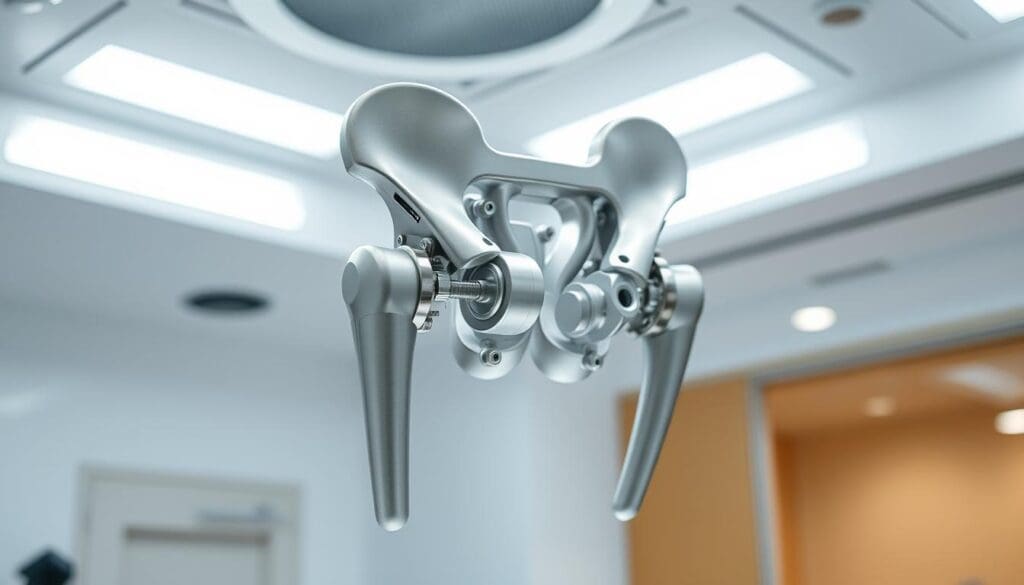
Hip replacement surgery has seen a lot of changes over the years. It started with simple methods and has grown into a highly advanced field. New technologies and a better understanding of joints have driven these changes.
What is Hip Arthroplasty?
Hip arthroplasty is a surgery that replaces a damaged hip joint with an artificial one. This surgery helps patients move better and feel less pain. It makes life easier for those with hip problems.
Doctors choose this surgery when other treatments don’t work. Thanks to advanced hip replacement technology, recovery times are shorter and results are better.
Historical Development of Hip Implants
The idea of hip replacement started in the late 19th century. But it wasn’t until the mid-20th century that it became a real surgery. Early implants didn’t last long, but new materials and designs have improved them a lot.
New materials like ceramic and highly cross-linked polyethylene have made implants last longer. This has been a big step forward in hip replacement surgery.
Modern Advancements in Joint Technology
Today, hip replacement surgery uses leading hip replacement techniques. These techniques have made the surgery safer and more effective. Modern implants are designed to last longer and work better with the body.
Advanced imaging and computer-assisted surgery have also improved the surgery. These tools help surgeons plan and do the surgery more accurately. This means better results for patients.
As we keep improving hip replacement surgery, patients will get even better care. Ongoing research and development will bring new and better treatments to help patients all over the world.
7 Key Facts About Hip Replacement Joints
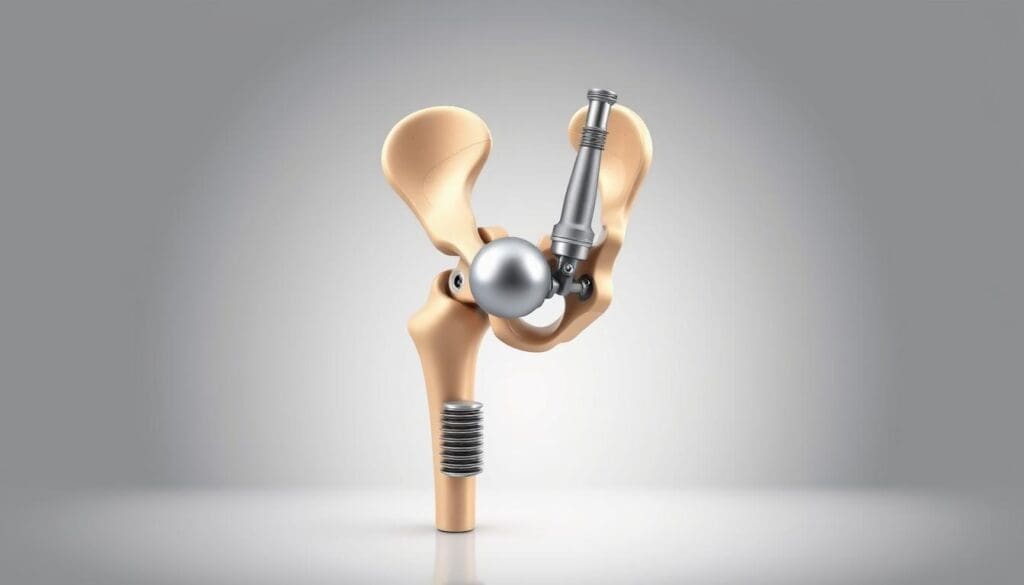
When thinking about hip replacement surgery, it’s important to know the key facts about hip replacement joints. These joints are a key part of orthopedic surgery. Several factors affect their success and how long they last.
Fact 1: Implant Longevity Varies by Material
The life of hip replacement implants depends a lot on their material. Different materials last longer or shorter times. For example, ceramic implants resist wear and corrosion well. On the other hand, metal implants are strong and durable.
| Material | Average Lifespan | Notable Characteristics |
|---|---|---|
| Ceramic | 15-20 years | Low wear rate, biocompatible |
| Metal | 10-15 years | High strength, possible metal ion release |
| Polyethylene | 10-15 years | Moderate wear rate, risk of osteolysis |
Fact 2: Activity Level Impacts Joint Selection
How active a person is affects the choice of hip replacement joint. Active people might need more durable materials. Less active people might need different options. It’s key to understand a patient’s lifestyle when choosing the best hip replacement.
Fact 3: Age Considerations for Implant Choice
Age is a big factor in picking the right hip replacement joint. Younger patients often need more durable implants because they’re more active. Older patients might focus on easier revision surgeries. Superior hip replacement materials are important for all ages.
Fact 4: Revision Surgery May Be Necessary
Revision surgery might be needed if the implant fails or wears out. Knowing this can help patients decide on their first surgery. The type of implant and patient factors can affect the need for revision.
Understanding these key facts helps patients make better choices for their hip replacement. This ensures their needs and expectations are met.
Common Conditions Requiring Hip Replacement
Many hip conditions need hip replacement surgery to improve mobility and reduce pain. This surgery is a top choice for treating hip problems, greatly improving patients’ lives. Our team offers high quality hip joint replacements by top orthopedic surgeons for hip replacements.
Osteoarthritis and Joint Deterioration
Osteoarthritis is a main reason for hip replacement surgery. It makes the cartilage in the hip joint wear away, causing bone-on-bone contact and pain. As it gets worse, patients find it hard to move and feel more pain.
Research shows hip replacement works well for osteoarthritis. It can greatly improve how well patients can move and lessen their pain.
Hip Fractures and Traumatic Injuries
Hip fractures, often from falls or injuries, also lead to hip replacement surgery. Older people are more likely to get hip fractures because of osteoporosis, which weakens bones.
When a fracture is severe or can’t be fixed another way, hip replacement is needed. It helps restore hip function and eases pain.
| Condition | Typical Patient Profile | Treatment Approach |
|---|---|---|
| Osteoarthritis | Middle-aged to elderly | Hip replacement surgery |
| Hip Fractures | Elderly, often with osteoporosis | Hip replacement or internal fixation |
Rheumatoid Arthritis and Inflammatory Conditions
Rheumatoid arthritis is an inflammatory condition that can damage joints and cause pain. While medicine is often first, some may need hip replacement surgery.
Inflammatory conditions like rheumatoid arthritis can damage the hip joint. Surgery is needed to fix the damage and ease pain.
Avascular Necrosis
Avascular necrosis happens when the blood supply to the femoral head is cut off. This can cause the hip joint to collapse. It can be caused by trauma, certain medicines, or health conditions.
In severe cases, hip replacement surgery is needed. It helps fix the damage and restore hip function.
Knowing about these common conditions helps patients make better treatment choices. Our team is here to provide personalized care and advice.
The Best Hip Replacement Joints for Different Patient Needs
Hip replacement joints come in many types, each suited for different needs. The right choice depends on the patient’s age, how active they are, and what they prefer.
Ceramic-on-Ceramic Implants: Durability and Performance
Ceramic-on-ceramic implants are durable and perform well. They are great for younger, more active people because they wear down less.
Advantages: They have a low wear rate, are less likely to dislocate, and last longer.
Ceramic-on-Polyethylene Options: Reducing Wear
Ceramic-on-polyethylene implants mix a ceramic head with a polyethylene liner. This combo reduces wear and is good for those not suited for ceramic-on-ceramic implants.
Benefits: They have a lower risk of ceramic breakage, wear less than metal-on-polyethylene, and are more stable.
Metal-on-Polyethylene Joints: The Traditional Choice
Metal-on-polyethylene implants are a common choice for hip replacements. They have a metal head and a polyethylene liner.
Characteristics: They have a proven track record, are affordable, and are easy to find.
Metal-on-Metal Alternatives: Benefits and Concerns
Metal-on-metal implants were once popular for their durability and range of motion. But, worries about metal ion release and tissue reactions have made them less common.
Considerations: They can release metal ions, may cause tissue reactions, and have mixed long-term results.
| Implant Type | Wear Rate | Longevity | Suitability |
|---|---|---|---|
| Ceramic-on-Ceramic | Low | High | Younger, active patients |
| Ceramic-on-Polyethylene | Moderate | High | Active patients, those seeking low wear |
| Metal-on-Polyethylene | Moderate to High | Moderate | Older patients, those with lower activity levels |
| Metal-on-Metal | Variable | Variable | Limited use due to possible complications |
Choosing the right hip replacement joint is a big decision. It depends on the patient’s needs and what they prefer. Knowing the pros and cons of each type helps patients make the best choice for themselves.
Materials Science in Modern Hip Implants
Modern hip implants are strong and work well thanks to materials science. This field has grown a lot. It now uses many advanced materials to make hip replacements last longer and work better.
Advanced Ceramic Composites
Advanced ceramic composites are now used in hip implants. They are very resistant to wear and safe for the body. This makes the implant safer and work better.
Titanium and Cobalt-Chromium Alloys
Titanium and cobalt-chromium alloys are key in hip replacements. They are strong, don’t rust, and bond well with bone. These traits help make implants that can handle daily activities.
Highly Cross-Linked Polyethylene
Highly cross-linked polyethylene is now the top choice for the liner in hip implants. It wears down less than old polyethylene. This means the implant can last longer.
Emerging Biomaterials Research
Research on new biomaterials is changing hip replacement tech. Scientists are working on materials and coatings. They aim to make implants better at sticking to bone, wearing down less, and improving surgery success.
| Material | Key Benefits | Applications |
|---|---|---|
| Advanced Ceramic Composites | Exceptional wear resistance, biocompatibility | Bearing surfaces in hip implants |
| Titanium Alloys | High strength, corrosion resistance, good bone integration | Implant stems, cups, and other structural components |
| Cobalt-Chromium Alloys | High wear resistance, strength | Bearing surfaces, implant stems |
| Highly Cross-Linked Polyethylene | Reduced wear rates | Liner component in hip implants |
We’re seeing big changes in hip replacement thanks to materials science. New materials and tech are making implants better. This is improving how well patients do and how happy they are with their care.
Comprehensive Guide to Hip Replacement Techniques
Medical technology has made many hip replacement techniques available. These advancements have greatly improved patient outcomes. Hip replacement surgery is a top choice for treating hip problems. The right technique depends on the patient’s age, activity level, and the extent of hip damage.
Total Hip Arthroplasty: Procedure and Benefits
Total Hip Arthroplasty (THA) is a common hip replacement method. It replaces the entire hip joint with artificial parts. THA is known for its long-lasting results and ability to reduce pain and improve mobility.
Benefits: High success rate, significant pain relief, improved mobility, and durability.
Partial Hip Replacement: When It’s Appropriate
Partial Hip Replacement is for patients with hip fractures or specific arthritis types. This method only replaces the damaged part of the hip joint.
Indications: Hip fractures, certain types of arthritis, and patients who are not good candidates for THA.
Hip Resurfacing: Preserving Bone Stock
Hip Resurfacing caps the femoral head with a metal implant instead of replacing it. This method keeps more bone and is good for younger patients.
Benefits: Bone preservation, potentially lower risk of dislocation, and more natural feel.
Minimally Invasive Approaches
Minimally Invasive Hip Replacement uses smaller incisions and less tissue damage. These methods can lead to quicker recovery times and less pain after surgery.
| Technique | Indications | Benefits |
|---|---|---|
| Total Hip Arthroplasty | Severe arthritis, hip fractures | High success rate, significant pain relief |
| Partial Hip Replacement | Hip fractures, certain arthritis types | Less invasive, suitable for older patients |
| Hip Resurfacing | Younger patients, bone preservation needed | Bone preservation, lower dislocation risk |
| Minimally Invasive Approaches | Various hip conditions | Smaller scars, less blood loss, faster recovery |
The Hip Replacement Procedure Step-by-Step
Hip replacement surgery is a top choice for many hip problems. Knowing how it works can make patients feel more ready. It includes steps from before surgery to after, all aimed at the best results for those getting best hip replacement options.
Preoperative Assessment and Planning
The first step is a detailed check-up before surgery. This looks at the patient’s health, medicines, and any past health issues. X-rays and MRIs help see the hip’s condition and plan the surgery. We talk with patients to find the right high quality hip joint replacements for their life and needs.
Anesthesia Options
On surgery day, patients choose how they’ll be comfortable. They can pick between general or regional anesthesia. We explain these options to find the best one for each patient.
The Surgical Process
The surgery starts with an incision to reach the hip. Then, the old joint is removed and replaced with high quality hip joint replacements. Choosing the right materials and design is key for a good outcome. The surgery can take one to two hours, based on the case.
Immediate Post-Operative Care
After surgery, patients are watched closely for any problems. We focus on pain management and start moving them early to prevent blood clots. Physical therapy starts soon to help them move better. Our team guides them on caring for their wound, taking medicine, and when to come back for check-ups.
Understanding hip replacement surgery helps patients see the effort and care behind it. We aim to give best hip replacement options and personal care for the best results.
Understanding the Risks of Hip Replacement Surgery
Hip replacement surgery comes with risks and complications. It’s safe and effective for most people. But, it’s important to know the possible risks.
Infection: Prevention and Treatment
Infection is a big risk with hip replacement surgery. To lower this risk, strict sterile techniques are used. Patients also get prophylactic antibiotics.
Even with these steps, infections can happen. Look out for signs like redness, swelling, pain, and fever. If an infection is found, it might be treated with antibiotics or surgery.
Blood Clots and Circulatory Complications
Blood clots are another risk. To fight this, patients are told to mobilize early and might get anticoagulant medications. Circulatory problems like deep vein thrombosis (DVT) and pulmonary embolism can also occur.
Dislocation: Causes and Prevention
Dislocation of the hip joint is a risk after surgery. It can happen due to improper positioning or excessive movement. To avoid dislocation, follow proper post-operative care and movement advice.
Implant Failure and Loosening
Long-term risks include implant failure or loosening. This can be due to wear and tear, improper implant positioning, or patient-specific factors like bone quality. Regular check-ups with an orthopedic specialist are key to monitor the implant.
Knowing these risks is vital for those thinking about hip replacement surgery. Being informed helps prepare for the procedure and recovery.
Recovery and Rehabilitation Timeline
Knowing the recovery timeline is key for those having hip replacement surgery. It covers many stages, from the hospital stay to long-term activity advice.
Hospital Stay and Early Mobility Protocols
The hospital stay after surgery is usually 1 to 3 days. This depends on your health and the surgery’s complexity. Moving early is important to avoid blood clots and aid healing.
We suggest following a specific mobility plan. This includes gentle exercises and short walks to help your recovery.
Physical Therapy Regimens
Physical therapy is vital for getting back strength, mobility, and function. It includes exercises for better range of motion, muscle strength, and balance.
Our physical therapy plans are made just for you. They ensure a safe and effective recovery.
Milestones in Recovery
Recovery milestones differ for everyone, but most see big improvements in the first few weeks. Key milestones include:
- Returning home and doing daily tasks in the first week
- Seeing a big drop in pain and better mobility in 4-6 weeks
- Going back to most normal activities, like driving and light exercise, in 6-12 weeks
Long-Term Activity Guidelines
We give advice on long-term activities to keep your hip replacement working well. Avoid high-impact sports and heavy lifting.
Here’s a list of activities you can do and those to avoid:
| Activity Type | Recommended | To Avoid |
|---|---|---|
| Low-Impact Exercises | Yes | |
| High-Impact Sports | Yes | |
| Swimming, Cycling | Yes | |
| Heavy Lifting | Yes |
By following the recovery and rehabilitation timeline, patients can get the most from their surgery. This leads to a healthier, more active life.
Conclusion: Making Informed Decisions About Your Hip Replacement
Understanding hip replacement options is key. This includes the types of implants and surgical techniques. Recovery expectations also play a big role. The right hip replacement depends on your age, activity level, and health condition.
Being well-informed helps patients work with their doctors for the best results. Resources for patient education are vital. We suggest talking to your orthopedic surgeon about the pros and cons of each option.
Good decisions lead to better health and happiness. We aim to offer top-notch healthcare to international patients. This includes those needing hip replacement surgery.
What are the most common materials used in hip replacement joints?
Hip replacement joints often use advanced ceramics, metals like titanium and cobalt-chromium, and durable plastics. Ceramic-on-ceramic and ceramic-on-polyethylene implants are favorites for their durability and long life.
How long do hip replacement joints typically last?
Hip replacement joints’ lifespan varies. It depends on the material, how active the patient is, and their age. Some implants can last 20-30 years or more, while others might need to be replaced sooner.
What conditions are commonly treated with hip replacement surgery?
Hip replacement surgery treats many conditions. These include osteoarthritis, joint wear, hip fractures, rheumatoid arthritis, and avascular necrosis. Knowing these conditions helps patients and doctors make the right choices.
What are the benefits and risks of different hip replacement implant options?
Ceramic-on-ceramic implants are very durable. Ceramic-on-polyethylene options reduce wear. Metal-on-polyethylene joints are traditional, while metal-on-metal implants have their own benefits and risks. The right choice depends on the patient’s age, activity level, and preferences.
What are the different surgical techniques used in hip replacement?
Hip replacement surgery uses several techniques. These include total hip arthroplasty, partial hip replacement, hip resurfacing, and minimally invasive methods. Each has its own benefits and drawbacks, making it important for patients and surgeons to understand them.



 Departments
 Related Videos
 Our Doctors
 News
News