Learn the immediate treatment for dislocation and how to manage pain and swelling after a joint injury.
Joint dislocation happens when bones in a joint move out of place. It’s a painful and potentially debilitating condition that needs quick medical help. Over 300,000 people in the United States get joint dislocations every year.
Knowing the proper first aid for a dislocated joint is key. It helps prevent more injury and aids in recovery. The steps you take first can greatly affect the outcome. So, it’s important to learn about the joint reduction technique and how to keep the joint stable.
Key Takeaways
- Understanding the causes and symptoms of joint dislocation
- Learning the proper first aid techniques for a dislocated joint
- The importance of immobilizing the affected joint
- The role of joint reduction technique in dislocation treatment
- Recognizing when to seek medical attention
Understanding Joint Dislocation
A joint dislocation happens when bones in a joint move out of place. This injury is very painful. It can also make it hard to move around and affect your quality of life.
Definition and Causes of Joint Dislocation
Joint dislocation, also known as luxation, occurs when bones in a joint are out of place. This can be caused by many things, like falls, sports injuries, or weak joints. It leads to a problem with how the joint lines up.
The bones moving out of place can hurt the ligaments, tendons, and other soft tissues around them.
Common Joints Affected by Dislocation
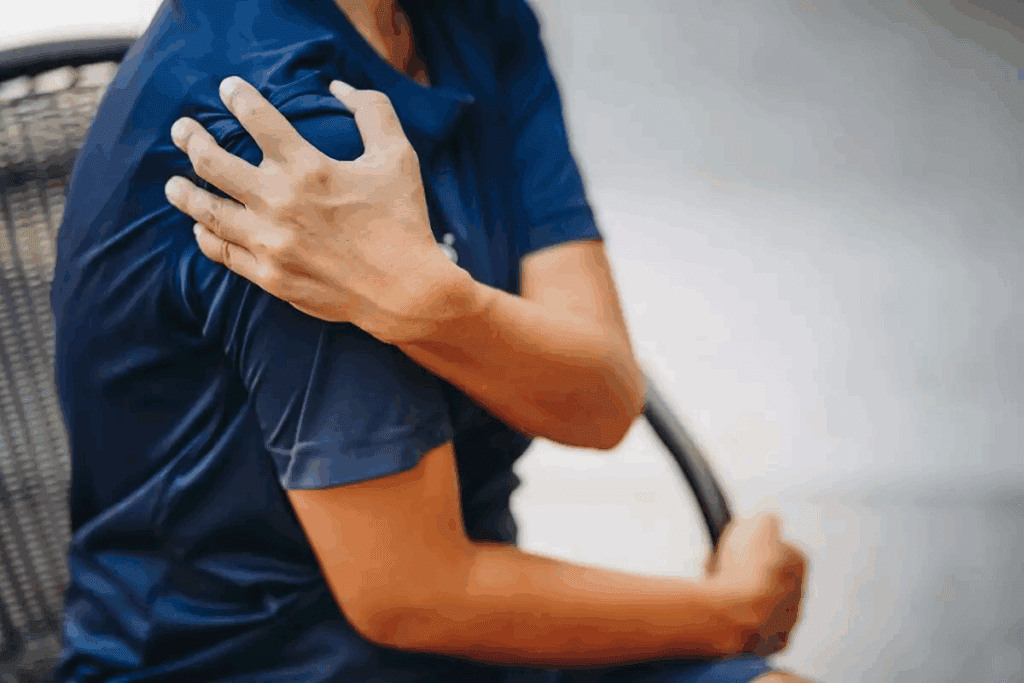
Some joints are more likely to get dislocated because of how they work and the stress they face. The shoulder joint is often dislocated because it moves a lot and isn’t very stable.
Other joints that often get dislocated include the elbow, finger joints, and the knee. Knowing which joints are more likely to dislocate can help prevent them.
Difference Between Dislocation and Subluxation
It’s important to know the difference between a dislocation and a subluxation. A subluxation is when bones in a joint are only partially out of place, not fully separated.
A subluxation doesn’t mean the joint is completely out of line. Knowing the difference helps in choosing the right treatment.
Recognizing the Signs and Symptoms of Dislocation
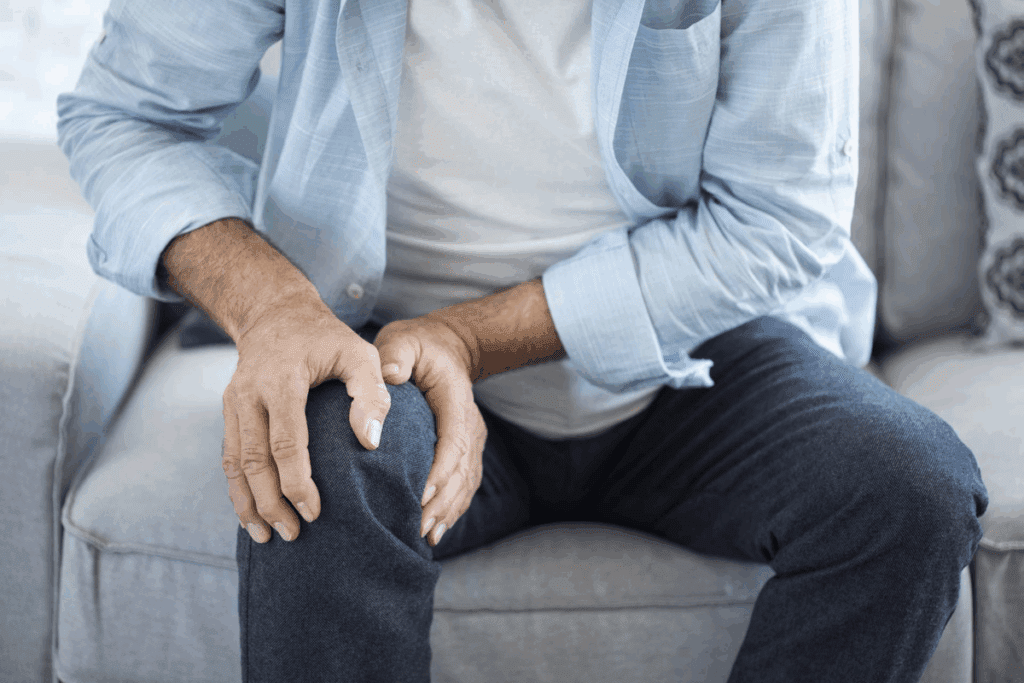
Spotting a dislocated joint needs a sharp eye and knowledge of signs. A dislocated joint happens when bones in a joint move out of place. This can cause problems if not treated quickly.
Visual Indicators of Dislocation
Looking at a joint can help spot a dislocation. Common visual indicators include:
- Deformity or abnormal shape of the joint
- Swelling or bruising around the affected area
- The joint may appear out of place or misaligned
Pain and Mobility Issues
People with a dislocated joint often feel a lot of pain and mobility issues. The pain can be very bad and may also cause:
- Reduced range of motion or stiffness in the joint
- Difficulty or inability to move the affected limb
- Numbness or tingling sensations due to nerve damage
Comparing Dislocation vs. Fracture Symptoms
It’s important to tell the difference between dislocation and fracture symptoms. Both need medical help but are treated differently. Here’s a table showing the main differences:
| Symptom | Dislocation | Fracture |
| Pain Location | Typically, around the joint | Usually along the bone |
| Deformity | Joint appears out of place | Bone may be visibly broken or crooked |
| Mobility | Significant difficulty moving the joint | Pain upon movement, possible instability |
Knowing these differences helps get the right medical care. If you’re not sure if it’s a dislocation or a fracture, see a doctor for a correct diagnosis.
Immediate Treatment for Dislocation: First Response Steps
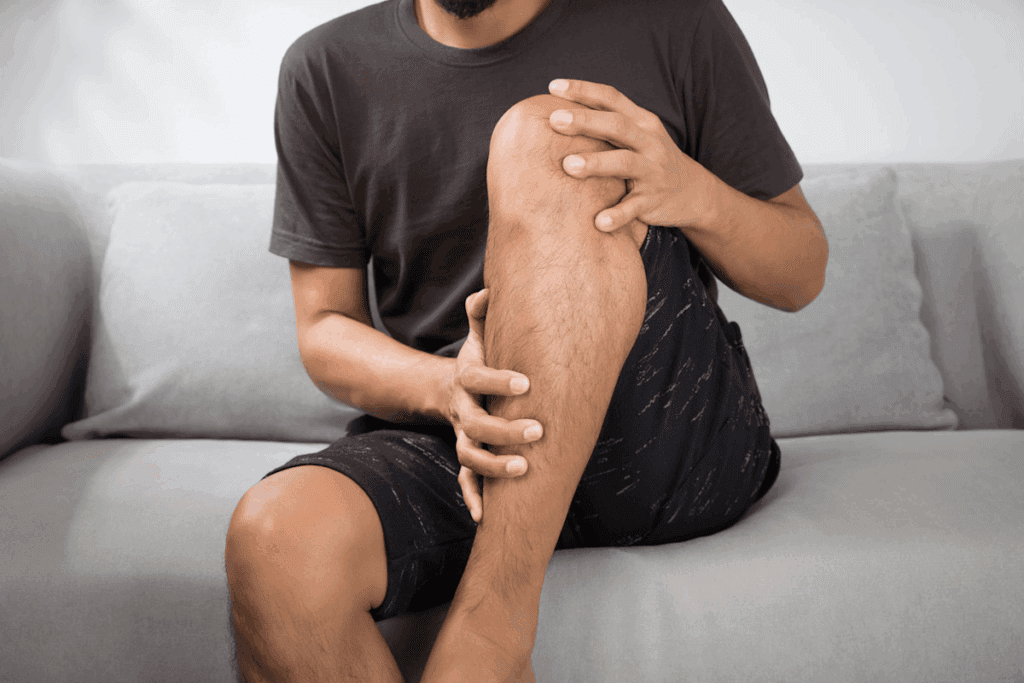
When a joint dislocation happens, acting fast is key. It’s important to keep the person safe and prevent more harm. The first steps are vital for healing.
Safety Precautions Before Treatment
First, make sure the area is safe and the person is in a good spot. Move them if they’re in danger. Also, support the injured joint, but don’t try to fix it yourself.
When to Avoid Self-Treatment
Don’t try to fix it yourself if the dislocation is bad or if you see numbness, tingling, or circulatory issues. If you’re not sure what to do, get help from a professional.
Dislocation Assessment in Emergency Situations
In emergencies, check for deformity, swelling, and pain. Watch for shock signs and reassure the person. A quick check helps decide what to do next.
By taking these steps, you can help someone with a dislocated joint right away. This reduces the chance of more harm and helps them heal faster.
RICE Protocol for Dislocated Joints
The RICE protocol is key for managing dislocations. It’s a first aid method that reduces pain and swelling. This helps in the recovery process.
Rest and Activity Limitation
Resting the joint is vital to avoid more harm. Stay away from activities that make the pain worse. Limiting what you do helps with healing.
Ice Application Methods for Swelling Reduction
Ice on the joint cuts down swelling and pain. Wrap ice in a cloth or use an ice pack. Apply for 15-20 minutes, several times a day. Never apply ice directly to the skin to avoid ice burns.
Compression Strategies and Techniques
Compression reduces swelling by tightening the area. Use a bandage or wrap, but not too tight. It should be snug but comfortable.
Elevation Importance, and Proper Positioning
Elevating the joint above the heart level helps. It improves blood flow back to the heart. Use pillows or cushions to keep the joint up when resting or sleeping.
| RICE Component | Purpose | Application Method |
| Rest | Prevent further injury | Avoid aggravating activities |
| Ice | Reduce pain and swelling | Apply ice wrapped in a cloth for 15-20 minutes |
| Compression | Reduce swelling | Use a snug bandage or wrap |
| Elevation | Improve blood flow | Elevate above heart level |
Pain Management for Dislocated Joints
Pain management is key in treating dislocated joints. It helps patients feel better and speeds up healing. This is because it lets them do the exercises and treatments they need.
Over-the-Counter Pain Relief Options
Over-the-counter (OTC) pain relief medications are often the first choice for dislocation pain. Acetaminophen and ibuprofen are common. They help reduce pain and swelling.
Acetaminophen mainly helps with pain. Ibuprofen provides both pain relief and reduces swelling.
Anti-Inflammatory Medications for Dislocations
Anti-inflammatory medications like ibuprofen and naproxen are great for dislocation pain. They cut down swelling and inflammation. They’re most helpful when the swelling is at its worst.
Non-Pharmaceutical Pain Management Techniques
There are also non-pharmaceutical pain management techniques for dislocation pain. Using ice or heat, gentle massage, and relaxation methods like deep breathing can help. These can be used with medication for better pain relief.
Always talk to a healthcare professional before starting any pain management plan. This is true for OTC meds or severe dislocations. They can suggest the best pain management based on your condition and medical history.
Immobilization Techniques and Devices
When a joint is dislocated, it’s important to keep it stable. This helps prevent more harm. Immobilization techniques and devices are key in the first steps of treating joint dislocations. They help reduce pain, stop further damage, and aid in healing.
Splinting Methods for Different Joints
Splinting is a common way to keep dislocated joints stable. The type of splint needed depends on the joint. For example, a finger splint is used for finger dislocations, while a bigger splint is needed for elbow or knee dislocations.
Splinting Techniques:
- Make a splint from a rigid material like plastic or metal to support the joint.
- Pad the splint to avoid pressure sores and discomfort.
- Use bandages or tape to hold the splint in place, but not too tightly.
| Joint | Splint Type | Securing Method |
| Finger | Finger splint | Medical tape |
| Elbow | Arm splint | Bandages |
| Knee | Knee immobilizer | Straps |
Slings and Braces for Joint Stabilization
Slings and braces are also good for keeping joints stable. A sling is often used for shoulder dislocations. It supports the joint and limits movement.
Using Slings and Braces:
- Pick a sling or brace that fits the affected joint well.
- Follow the maker’s instructions for how to put it on and adjust it.
- Watch for signs of discomfort or problems with blood flow.
Improvised Immobilization in Emergency Situations
In emergencies, you might not have access to medical equipment. But you can use what you have to make a makeshift device. Things like cloth, towels, or even hard objects can be used to make a temporary fix.
Improvising Immobilization:
- Make a supportive structure around the dislocated joint using what you have.
- Use belts, ropes, or tape to hold the makeshift device in place.
- Be careful not to make it too tight to avoid blood flow problems.
Emergency Joint Reduction Techniques
Knowing how to handle joint dislocations is key. These situations can be very painful and might limit your movement. It’s important to act quickly and correctly.
When Self-Reduction May Be Appropriate
In some cases, you might try to fix a dislocated joint yourself. This is okay if you can’t get to a doctor right away. But you must think carefully about the risks first.
- Assess the severity of the dislocation: If it’s not too bad and there are no other injuries, you might try to fix it yourself.
- Consider the type of joint dislocated: Some joints, like fingers, are easier to fix than others.
Basic Finger and Shoulder Reduction Methods
Finger and shoulder dislocations are common. To fix them, you need to gently move the bone back into place.
- Finger Reduction: Hold the dislocated finger and pull it back slowly to its normal spot.
- Shoulder Reduction: Use methods like the “external rotation method” or “Stimson technique” to carefully move the arm back into place.
Muscle Relaxation Techniques to Aid Reduction
Relaxing the muscles around the joint is key to a smooth reduction. Techniques like deep breathing or massage can help make the process less painful.
“Relaxation techniques, such as deep breathing or gentle massage around the affected area, can significantly aid in the reduction process by reducing muscle tension.”
-As noted by experts
Risks and Warnings for Non-Professional Reduction
When trying to fix a joint, be aware of the risks. These include nerve damage, blood vessel injury, or not fixing the joint fully. If you’re not a professional, get medical help as soon as you can after trying to fix it.
- Monitor for complications: Watch for signs like numbness, tingling, or poor blood flow. These need quick medical help.
- Seek professional help: Even if you think you fixed it, a doctor should check to make sure everything is okay.
Specific Treatment Approaches for Common Dislocations
Different joints need special care when they get dislocated. Knowing these differences is key to good treatment. Dislocations can happen in many parts of the body, each needing its own care.
Immediate Care for Shoulder Dislocation
Shoulder dislocations are very common. Right away, you should immobilize the shoulder in a sling to stop more harm. It’s important not to move the shoulder until a doctor checks it.
Putting ice on the area can lessen swelling and pain. But wrap the ice in cloth to protect your skin.
Finger and Thumb Dislocation Management
Finger and thumb dislocations are common, mainly in athletes. The first thing to do is to immobilize the affected finger or thumb with a splint or by taping it to another finger. This helps with pain and prevents further injury.
Knee Dislocation Emergency Response
Knee dislocations are serious and need quick medical help. The first step is to immobilize the knee with a splint or something stiff. It’s important to watch for signs of nerve or blood issues, like numbness or poor blood flow.
Don’t try to fix a knee dislocation yourself, as it can make things worse.
Elbow Dislocation First Aid
Elbow dislocations are very painful and need careful handling. Keep the elbow in a slightly bent position. Don’t straighten or bend it more.
Using ice can help with pain and swelling. Also, watch for nerve or blood vessel problems.
In summary, while basic dislocation care like immobilization and pain management is the same, the specific approach can vary a lot. Knowing these differences is essential for good immediate care.
What to Do While Waiting for Professional Help
Knowing what to do while waiting for medical help can greatly help manage a dislocated joint. The actions taken can affect the recovery and possibly prevent more problems.
Maintaining the Proper Position of the Affected Joint
Keeping the dislocated joint in a comfortable position is key to avoiding more harm. For a dislocated shoulder, using a sling can help keep it stable. Avoid moving the joint or trying to put it back in place, as this can cause more damage.
Monitoring for Complications
While waiting, watch the affected area for signs of complications. Look for swelling, numbness, or a cold feeling in the limb. Any big change or worsening symptoms should be taken seriously.
| Symptom | Description | Action |
| Increased Swelling | Swelling that worsens over time | Monitor closely, seek immediate help if severe |
| Numbness or Tingling | Numbness or a tingling sensation in the affected limb | Seek medical attention if persistent |
| Cold Sensation | The affected limb feels cold to the touch | Immediate medical attention required |
Preparing for Medical Transport
If transport to a doctor is needed, make the person comfortable and calm. Make sure the joint is supported and not moved. Gather any important medical info, like insurance and medications.
By taking these steps, you can help ensure the person gets the best care while waiting for a doctor.
When to Seek Professional Medical Attention
It’s important to know when you need to see a doctor after a joint dislocation. Dislocations can cause serious problems if not treated right away.
Warning Signs Requiring Immediate Medical Care
Some symptoms mean you should go to the doctor right away. These include:
- Severe pain that doesn’t get better with medicine
- Big swelling or bruises around the joint
- Numbness or tingling in the affected limb
- Cold or pale skin around the joint
- A visible or palpable deformity of the joint
Complications of Untreated Dislocations
Not getting medical help can cause many problems. These include:
| Complication | Description |
| Chronic Pain | Pain that lasts a long time |
| Nerve Damage | Possible permanent nerve damage if not treated quickly |
| Arthritis | Higher chance of arthritis in the affected joint |
| Reduced Mobility | Less ability to move and function |
What to Expect at the Emergency Room
When you get to the emergency room, you’ll get a full check-up. This includes:
- Talking about your medical history to understand the dislocation
- A physical check to see how stable the joint is and if nerves are okay
- Imaging tests (like X-rays or CT scans) to confirm the diagnosis and check for fractures
- Medicine for pain and possibly fixing the dislocation
- Keeping the joint stable to avoid more harm
Quick medical care is key to avoiding serious problems and getting better. If you see any warning signs, get help right away.
Professional Joint Reduction Procedures
Professional joint reduction starts with a detailed medical check-up. Then, the right treatment is chosen. This careful approach helps fix the dislocation and avoid future problems.
Medical Evaluation Process
The first step is a detailed medical check-up. It looks at how bad the dislocation is and if there are other injuries. Imaging, like X-rays or CT scans, might be used to see the full extent of the problem.
Key components of the medical evaluation include:
- Physical examination to assess joint stability and neurovascular status
- Imaging studies to confirm the diagnosis and plan treatment
- Review of the patient’s medical history to identify any factors that may influence treatment
Closed Reduction Techniques
Closed reduction is a non-surgical method to fix dislocations. It involves moving the joint back into place carefully. This method is often chosen because it’s less invasive and can be done under sedation or local anesthesia.
The steps involved in closed reduction include:
- Administering appropriate anesthesia or sedation to minimize pain and discomfort
- Manipulating the joint to achieve reduction, using techniques specific to the type of dislocation
- Assessing the joint’s stability post-reduction and immobilizing it if necessary
Surgical Intervention for Complex Dislocations
For complex dislocations, surgery might be needed. Surgery lets doctors see and fix the joint directly. It also addresses any other injuries or fractures.
| Indication for Surgery | Description |
| Complex dislocations | Dislocations with associated fractures or soft tissue injuries |
| Failed closed reduction | When closed reduction is unsuccessful or not feasible |
| Neurovascular compromise | When there is evidence of nerve or blood vessel damage |
Post-Reduction Imaging and Assessment
After the reduction, whether it’s closed or surgical, images are taken to check the joint’s alignment. The patient is then watched for any signs of nerve or blood vessel problems.
Professional joint reduction includes both closed methods and surgery. A detailed check-up and proper care after are key to successful treatment.
Post-Reduction Care and Recovery
After a joint dislocation is treated, the healing process is key. It’s important to follow a recovery plan to get back to normal. This plan helps regain strength and mobility.
Initial Recovery Phase
The first step is to reduce pain and swelling. Rest the joint, use ice, and wear compression bandages. Elevating the limb also helps.
Rehabilitation Exercises and Physical Therapy
When the pain goes down, exercises start. Physical therapy is vital for joint mobility and muscle strength. A therapist creates a plan for each patient, helping them get back to normal slowly.
Exercises may include:
- Gentle stretching to improve flexibility
- Strengthening exercises to support the joint
- Range of motion exercises to maintain or improve joint mobility
Long-term Recovery Considerations
Long-term recovery means keeping up with exercises. It’s also important to fix any issues that led to the dislocation. Preventive measures help avoid future problems.
When It’s Safe to Resume Normal Activities
Going back to normal activities depends on a doctor’s advice. You can usually start again when the joint is strong and pain is low. Start slow to avoid injury.
Following a detailed recovery plan helps heal better and avoid future issues.
Conclusion
Getting the right treatment for joint dislocation right away is key. It helps avoid more harm and aids in healing. Knowing the signs and symptoms, using the RICE method, and knowing when to see a doctor are all important steps.
Understanding dislocation care is essential. It includes keeping the joint stable, managing pain, and sometimes needing emergency help. These actions are critical in the first stages of a dislocation.
It’s important to act fast and correctly when dealing with a dislocation. By following the advice in this article, you can handle joint dislocations well. This helps prevent lasting damage.
FAQ
What is the first step in treating a dislocated joint?
First, immobilize the joint with a splint or sling. This prevents further injury. Then, seek immediate medical help.
How do I know if I have a dislocated joint or a fracture?
Symptoms can be similar. A dislocated joint often has a visible deformity and limited mobility. A fracture might cause more pain and a snapping sound. A doctor can tell you for sure.
Can I treat a dislocated joint at home?
You can start with home care like the RICE protocol. But it’s important to see a doctor for proper treatment.
What is the RICE protocol for dislocated joints?
RICE means Rest, Ice, Compression, and Elevation. It helps reduce swelling and stabilize the joint.
How can I manage pain from a dislocated joint?
Use over-the-counter pain meds and anti-inflammatory drugs. Also, try relaxation and elevating the joint.
When should I attempt to reduce a dislocated joint?
Try to reduce it only if you’re far from medical help and know how. Usually, wait for a doctor’s help.
What are the risks of not seeking medical attention for a dislocated joint?
Not getting medical help can cause nerve damage, chronic pain, and more dislocations. It can also lead to joint instability over time.
How long does it take to recover from a dislocated joint?
Recovery time depends on the dislocation’s severity and the joint. It can take weeks to months, including therapy.
Can a dislocated joint lead to long-term complications?
Yes, untreated dislocations can cause chronic instability, arthritis, and more dislocations.
What is the role of physical therapy in recovering from a dislocated joint?
Physical therapy is key. It helps regain strength, improve mobility, and stabilize the joint. This reduces the chance of future dislocations.
References
- PMC (PubMed Central). (2013). In-game management of common joint dislocations. Erickson, et al. PM C, (sports-injury review). https://www.ncbi.nlm.nih.gov/pmc/articles/PMC4000468/
- PMC (PubMed Central). (2023). Biomechanical reposition techniques in anterior shoulder dislocation – a randomised multicenter trial (BRASD). International Journal of Emergency Medicine, 16, Article 14. https://intjem.biomedcentral.com/articles/10.1186/s12245-023-00480-6