
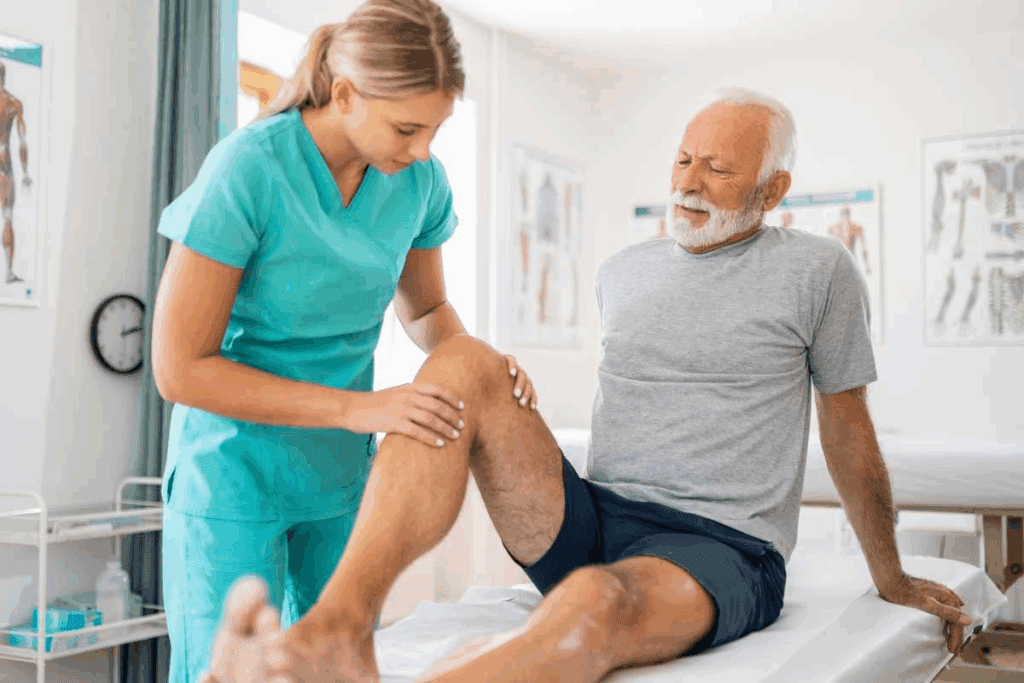
Did you know nearly 25% of adults suffer from knee pain at some point? This shows how common knee pain is. It’s key to know what causes it and how to treat it.Discover proven methods and home relief for knee pain to improve mobility and comfort.
Knee pain can really limit your life. It affects how you move and your overall happiness. As healthcare experts, we aim to help you understand your treatment options. We want you to make the best choices for your health.
Knee pain may stem from various sources, such as injuries, arthritis, or overuse. Having pain is the first step to fixing it. We’ll look at the different kinds of knee pain and the best ways to treat them. This way, you can find relief from your pain.
Key Takeaways
- Understanding the causes of knee pain is crucial for effective treatment.
- Various factors can contribute to knee pain, including injury and medical conditions.
- Different types of knee pain require different treatment approaches.
- We will explore the most effective treatments for knee pain.
- Our goal is to provide you with the knowledge to make informed decisions about your care.
Understanding Knee Pain: Causes and Types
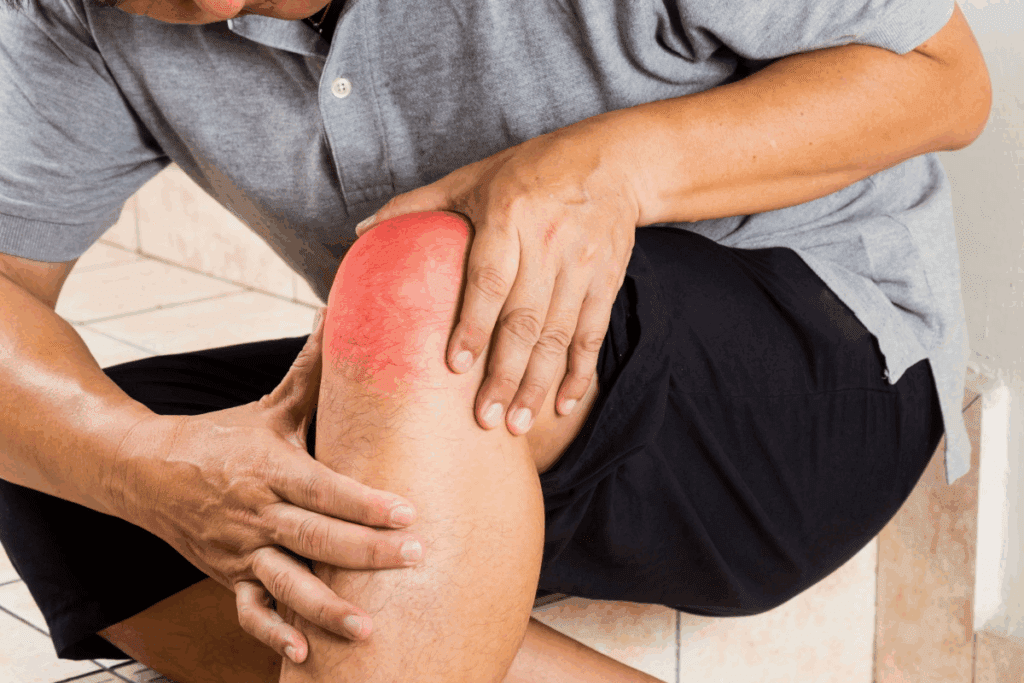
Knee pain may stem from various sources, such as injuries, arthritis, or overuse. Knowing why you have pain is key to fixing it.
Common Causes of Knee Pain
Knee pain can happen for many reasons. Some common ones are:
- Injuries like sprained ligaments, torn meniscus, and broken bones
- Degenerative conditions like osteoarthritis
- Overuse or repetitive strain injuries
- Inflammatory conditions such as rheumatoid arthritis
Finding out why you have knee pain is important for the right treatment.
Different Types of Knee Injuries
Knee injuries can be different in how they happen and how bad they are. Some common ones are:
- Ligament injuries, like ACL or MCL tears
- Meniscal tears, which affect the cartilage between bones
- Fractures or breaks in the bones around the knee
- Tendinitis or inflammation of the tendons
Each injury needs a special way to be treated and recovered.
Acute vs. Chronic Knee Pain
Knee pain can be either acute or chronic. Acute knee pain usually comes from a sudden injury. Chronic knee pain lasts longer and is often from degenerative or inflammatory conditions.
Knowing if your pain is acute or chronic helps find the best treatment.
When to Seek Medical Attention for Knee Pain
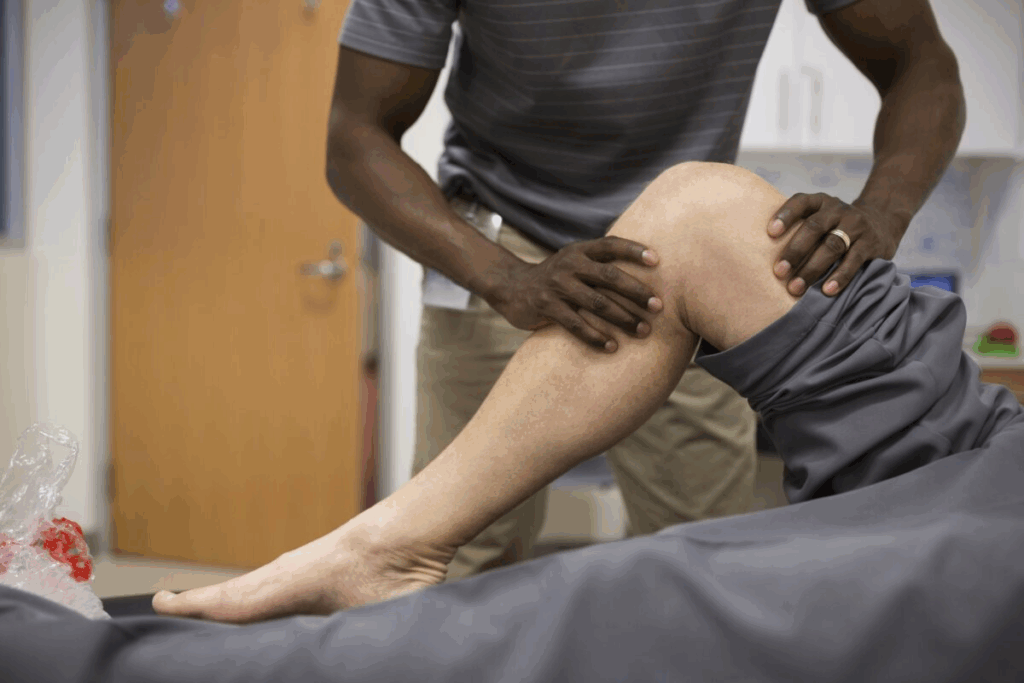
Knee pain may stem from various sources, such as injuries, arthritis, or overuse.
Warning Signs That Require Immediate Care
Certain symptoms mean you should see a doctor right away. These include:
- Severe pain or swelling
- Instability or feeling like your knee is going to give way
- Deformity or misalignment
- Inability to bear weight or walk
- Signs of infection, such as redness, warmth, or fever
- Recent trauma or injury
Seek immediate medical care if you notice any of these symptoms. They might show a serious problem that needs quick treatment.
Diagnostic Procedures for Knee Problems
When you see a doctor for knee pain, they’ll start with a detailed medical history and physical check-up. This might include:
- Looking at your symptoms and medical history
- Checking your knee physically
- Ordering tests like X-rays or an MRI
Diagnostic imaging helps find the cause of your knee pain. It could be a ligament sprain, a meniscal tear, or osteoarthritis.
What to Expect During a Knee Examination
During a knee exam, your doctor will check your knee’s movement, stability, and pain. They might do special tests to check your knee’s ligaments and menisci. Being ready for this exam can make you feel more at ease and help you get a correct diagnosis.
By knowing about the diagnostic process and the warning signs for medical help, you can act quickly to treat your knee pain.
Conservative Treatments for Knee Pain
Managing knee pain often starts with conservative treatments. These methods aim to ease pain, reduce swelling, and help the knee heal without surgery. We’ll look at these options and how they can help with knee pain.
It prevents more injury, Ice cuts down on pain and swelling, Compression reduces swelling, and Elevation helps lower blood flow to the area.
“By following these steps, people can lessen their pain and swelling, helping their knee heal.”
Over-the-Counter Pain Medications
Over-the-counter (OTC) pain meds are key in managing knee pain. Drugs like acetaminophen and ibuprofen can lessen pain and swelling. Always follow the dosage and talk to a doctor before starting any medication.
- Acetaminophen is good for pain relief.
- Ibuprofen also fights inflammation and relieves pain.
Topical Treatments and Creams
Topical treatments and creams target knee pain directly. Applied to the skin, they offer relief without the side effects of pills. Ingredients like capsaicin, arnica, and menthol help reduce pain and swelling.
Using these treatments can greatly improve knee pain and quality of life. Always talk to a healthcare professional to find the best treatment for you.
Prescription Medications for Severe Knee Pain
Prescription medications are key for treating severe knee pain that over-the-counter treatments can’t fix. When other treatments don’t work, doctors often use prescription drugs. These help manage pain and swelling.
NSAIDs and Their Effects
Nonsteroidal anti-inflammatory drugs (NSAIDs) are a common prescription for knee pain. They cut down on swelling, which helps with pain, especially in osteoarthritis. Prescription NSAIDs are stronger than over-the-counter ones, offering better pain relief. But they can have more serious side effects.
Pain Management Medications
Other pain drugs may be given for severe knee pain t, , oo. These include analgesics that just target pain, not swelling. In some cases, drugs for other conditions, like antidepressants or anticonvulsants, might be used for pain. The right drug depends on the cause, medical history, and other factors.
Potential Side Effects to Consider
Prescription drugs can really help with severe knee pain, but they can also have side effects. NSAIDs might cause stomach problems, heart risks, and kidney issues. Other pain drugs could make you feel tired, constipated, or even lead to addiction. It’s important to talk to your doctor about these risks to weigh the benefits and watch your health.
Finding the right prescription medication can be tough. But with the help of healthcare experts, you can find relief from severe knee pain. By understanding the good and bad of these drugs, you can make smart choices about your treatment.
Injections for Knee Pain Treatment
Injections are a common way to treat knee pain. They target the pain source directly, offering relief.
Corticosteroid Injections
Corticosteroid injections help reduce knee pain and swelling. They are especially good for those with inflammatory arthritis. They work by calming down the immune system’s inflammation, easing pain and swelling.
“Corticosteroid injections can give a lot of relief for knee pain from inflammatory conditions,” says an orthopedic specialist.
Hyaluronic Acid Inject
Hyaluronic acid injections, or viscosupplementation, aim to restore knee joint lubrication. This treatment is often used for osteoarthritis. By adding hyaluronic acid, we can improve joint lubrication, reduce pain, and increase mobility.
PRP and Stem Cell Therapies
Platelet-rich plasma (PRP) and stem cell therapies are new ways to treat knee pain. PRP uses the patient’s own platelets to stimulate healing, while stem cell therapy repairs damaged tissue. Both have been shown to reduce pain and aid in healing.
What to Expect During and After Injection Procedures
Before an injection, it’s key to know what to expect. The process starts with cleaning the skin and using a local anesthetic to lessen discomfort. After, some soreness may occur, but it usually goes away in a few days.
Considering these injection therapies can help those with knee pain make informed choices. It’s important to talk to a healthcare professional to find the best treatment plan.
Physical Therapy Approaches for Bad Knees
Physical therapy is key in treating knee injuries and conditions. It helps in recovery, manages pain, and prevents future injuries. Let’s see how physical therapy can change lives for those with knee pain.
How Physical Therapy Helps Knee Recovery
Physical therapy is crucial for knee recovery. It improves mobility, strengthens muscles, and boosts function. Personalized exercise programs help patients regain strength and flexibility, lowering injury risk.
Our physical therapists tailor treatment plans to meet each patient’s needs. This ensures effective care for knee conditions.
Common Physical Therapy Techniques
Physical therapy uses various techniques to treat knee pain and aid recovery. Manual therapy improves joint mobility and reduces pain. Exercise therapy strengthens the knee and surrounding muscles.
Modalities like ultrasound and electrical stimulation are used to aid healing and reduce inflammation. Our therapists use the latest techniques for the best results.
Finding the Right Physical Therapist
Finding a physical therapist who understands your needs is vital. Look for therapists specializing in knee rehabilitation with experience in similar cases.
Discuss your symptoms, goals, and concerns during your first consultation. This helps determine if the therapist is right for you.
At-Home Physical Therapy Exercises
At-home exercises are important in the recovery process. Simple exercises like straight leg raises, knee bends, and wall squats can be done at home. They help strengthen the knee.
We give patients detailed instructions and videos for these exercises. Doing them consistently is crucial for the best results.
Knee Exercises to Strengthen and Stabilize
To fight knee pain, it’s key to do exercises that make the knee stronger and more stable. A good exercise plan can make your knee work better, lessen pain, and boost your movement. We’ll show you different knee exercises that can help with these goals.
Low-Impact Strengthening Exercises
Low-impact exercises are great for those with knee pain because they don’t stress the knee too much. Here are some examples:
- Straight leg raises: Lift your leg straight out in front of you, keeping it straight, and then lower it back down.
- Quad sets: Sit with your legs straight out and tighten the muscles on the top of your thigh.
- Wall squats: Stand with your back against a wall and slide down into a squat position, keeping your back against the wall.
These exercises strengthen the muscles around the knee without too much strain on the joint.
Flexibility and Range of Motion Exercises
Keeping your knees flexible and moving well is vital for their health. These exercises boost flexibility and cut down on stiffness. Here are some examples:
- Knee bends: Slowly bend your knee, keeping your back straight, and then straighten it again.
- Leg swings: Stand with your feet hip-width apart and swing one leg forward and backward.
- Heel slides: Lie on your back and slide your heel away from your body, bending your knee.
Doing these exercises regularly can make your knees more flexible and less painful.
Progressive Exercise Programs
A progressive exercise program means you get harder with your workouts over time. For knee exercises, this could mean:
- Increasing the number of repetitions or sets over time.
- Adding resistance bands or weights to your exercises.
- Gradually increase the depth of squats or lunges.
Progressive exercise programs keep your knees getting stronger and working better.
Adding these knee exercises to your daily routine can greatly improve your knee health and lessen pain. Always talk to a healthcare expert before starting any new exercise plan, especially if you have health issues or concerns.
Relief for Knee Pain: Natural Remedies and Approaches
Knee pain can really hurt, but there are natural ways to feel better. We’ll look at these options and how they fit into a treatment plan.
Herbal Anti-Inflammatory Options
Some herbs are great for fighting knee pain. They have anti-inflammatory properties. Here are some top herbal remedies:
- Turmeric: It has curcumin, which fights inflammation well.
- Ginger: It’s anti-inflammatory and can ease pain and improve movement.
- Willow Bark: It has salicin, like aspirin, to reduce pain and swelling.
Dietary Changes That May Help
Changing what you eat can also help with knee pain. Eating foods full of omega-3s, antioxidants, and fiber can cut down inflammation. This helps your joints stay healthy.
| Food | Benefit |
| Fatty Fish (Salmon, Sardines) | Rich in omega-3 fatty acids, which reduce inflammation. |
| Berries (Blueberries, Raspberries) | High in antioxidants, which help combat oxidative stress. |
| Leafy Greens (Spinach, Kale) | Rich in antioxidants and other nutrients beneficial for joint health. |
Supplements for Joint Health
Along with diet changes, some supplements can help your joints. Here are some common ones:
- Glucosamine and Chondroitin: They may keep cartilage healthy and lessen pain.
- Omega-3 Supplements: They can lower inflammation and support joint health.
- Vitamin D: It’s key for bone health and might help with knee pain.
Natural Knee Pain Relief Recipes
Adding certain ingredients to your meals can also ease knee pain. Here are a few easy recipes:
- Turmeric Latte: Mix turmeric powder with warm milk or a milk alternative, and add honey to taste.
- Ginger and Green Tea: Steep fresh ginger in green tea for a soothing and anti-inflammatory drink.
- Omega-3 Rich Smoothie: Blend fatty fish oil or flaxseed oil with your favorite fruits and greens.
Alternative Therapies for Knee Pain
Many people are looking for new ways to ease knee pain. Alternative therapies offer benefits and can work with traditional treatments. They help manage knee pain better.
Acupuncture and Acupressure Techniques
Acupuncture uses fine needles to help the body heal and reduce pain. Acupressure applies pressure to these points without needles. Both can help with knee pain by boosting healing and reducing swelling.
It’s wise to talk to a licensed practitioner to find the right therapy for you. These methods are great for those who don’t want to use medicine.
Massage Therapy Benefits
Massage therapy is another way to ease knee pain. It improves blood flow, relaxes muscles, and promotes relaxation. This can greatly improve knee function and lessen pain.
For those with long-term knee pain, regular massages are very helpful. They keep the knee flexible and moving well. A licensed massage therapist can create a treatment plan just for you.
Mind-Body Approaches
Mind-body therapies like meditation and yoga are also key in managing knee pain. They help lower stress, improve mood, and boost the body’s natural pain relief.
Adding mind-body therapies to your treatment plan can make you more resilient to pain. It can also improve your quality. Try different mind-body therapies to see what works best for you.
Cold and Heat Therapy Methods
Cold and heat therapy are simple but effective for knee pain. Cold therapy, or cryotherapy, reduces swelling and numbs pain. Heat therapy relaxes muscles and improves blood flow.
Switching between cold and heat can be very helpful for managing pain and keeping the knee comfortable. Use these therapies as needed, with advice from a healthcare professional.
Knee Braces, Supports, and Assistive Devices
Using the right knee braces and supports can greatly improve daily comfort and mobility. These devices are made to offer stability, lessen pain, and enhance function. We will look at the different types available and how they help with knee pain.
Types of Knee Braces and Their Uses
Knee braces are made for various knee issues. The main types are:
- Prophylactic Knee Braces: These prevent knee injuries during sports and activities.
- Rehabilitative Knee Braces: They support the knee after injuries or surgeries.
- Functional Knee Braces: These offer extra support for knee instability during activities.
- Unloader Knee Braces: They help redistribute weight and ease pain from knee osteoarthritis.
Choosing the right knee brace depends on your specific condition. Always consult a healthcare professional to find the best one for you.
When to Use Knee Supports
Knee supports add stability and comfort for those with knee pain. They’re great for activities that make knee pain worse, like walking or climbing stairs. You can wear them under clothes, and they come in different sizes and materials.
Decide to use a knee support based on your knee pain level and activities. For mild pain, a simple knee sleeve might be enough. But for more severe pain, you might need a stronger support.
Assistive Devices for Daily Living
There are also assistive devices for managing knee pain in daily activities. These include:
- Canes: They reduce stress on the knee.
- Walkers: They offer extra stability and support.
- Orthotic Shoes: They can improve your gait and lessen knee stress.
These devices can greatly improve life for those with knee pain. They make moving around easier and reduce discomfort.
Knee Pain Relief Products Worth Considering
There are many products that can help with knee pain. These include creams, gels, and supplements. It’s important to look at the ingredients and how they might interact with other medicines.
Some popular options include:
- Topical Creams and Gels: They contain capsaicin or menthol for temporary pain relief.
- Glucosamine and Chondroitin Supplements: They support joint health.
- Knee Sleeves with Compression: They help reduce swelling and offer support.
Always talk to a healthcare professional before trying new treatments or products. This ensures they’re safe and right for your condition.
Lifestyle Modifications to Reduce Knee Pain
Making lifestyle changes can greatly reduce knee pain. Simple daily habits can help ease knee pain and improve mobility.
Weight Management Strategies
Keeping a healthy weight is key to reducing knee pain. Extra weight adds stress to the knee, making pain worse. A balanced diet and regular exercise are effective ways to manage weight.
Tips for Weight Management:
- Eat a balanced diet rich in fruits, vegetables, and whole grains.
- Engage in regular physical activity, such as walking or swimming.
- Monitor calorie intake and avoid high-calorie foods.
Activity Modifications
Changing daily activities can help lessen knee pain. Avoiding high-impact activities and doing low-impact exercises is helpful.
| Activity | High-Impact | Low-Impact Alternative |
| Running | Yes | Cycling or Swimming |
| Jumping | Yes | Walking or Yoga |
| Lifting Heavy Objects | Yes | Using Assistive Devices |
Ergonomic Considerations
Ergonomic adjustments can help reduce knee pain. They promote proper posture and alignment. Making changes to your workspace and daily environment is important.
Ergonomic Tips:
- Use a chair with proper lumbar support.
- Position the computer monitor at eye level.
- Take regular breaks to stand and stretch.
Footwear Choices for Knee Health
Wearing the right shoes can help reduce knee pain. Shoes with good arch support and cushioning reduce stress on the knee.
Tips for Choosing Footwear:
- Select shoes with good arch support.
- Choose shoes with cushioning in the midsole.
- Avoid high heels or shoes that alter gait.
Treatment for Knee Bone on Bone Conditions
Knee bone on bone conditions often come from advanced osteoarthritis. When cartilage wears away, it causes pain and limits movement. We’ll look at both non-surgical and surgical treatments.
Understanding Osteoarthritis
Osteoarthritis is a disease that wears down knee cartilage. It’s not just wear and tear; it involves inflammation and joint changes.
Symptoms of Osteoarthritis:
- Pain during movement
- Stiffness, especially after rest
- Swelling around the knee
- Decreased range of motion
Non-Surgical Approaches
Before surgery, try non-surgical treatments. These include:
- Physical therapy to strengthen the muscles around the knee
- Medications such as NSAIDs to reduce pain and inflammation
- Lifestyle modifications, including weight loss and low-impact exercises
- Assistive devices like canes or walkers to reduce stress on the knee
When Surgery Might Be Necessary
If non-surgical treatments fail, surgery might be needed. Options include:
| Surgical Option | Description | Benefits |
| Knee Replacement | Replacing the damaged knee joint with an artificial one | Significant pain reduction, improved mobility |
| Osteotomy | Cutting and realigning the bones to redistribute weight | Relieves pain, can delay need for knee replacement |
| Arthroscopy | Minimally invasive surgery to remove damaged cartilage | Less invasive, quicker recovery |
Latest Treatments for Severe Joint Degeneration
New medical technologies offer treatments for severe joint degeneration. These include:
- Stem cell therapy to promote cartilage regeneration
- Platelet-rich plasma (PRP) injections to stimulate healing
- Cartilage restoration techniques
These treatments offer hope for those with knee bone on bone conditions. They provide alternatives to traditional surgery.
Addressing Specific Knee Pain Locations
Knowing where your knee pain is can help a lot. Knee pain can happen in different spots, each with its own reasons and fixes. Finding the exact spot of pain helps us target the treatment better.
Pain at the Top of the Knee Cap
Knee pain may stem from various sources, such as injuries, arthritis, or overuse.
Patellar tendon rehabilitation programs aim to make the tendons stronger. They help improve knee function and lessen pain.
Inside Knee Pain Treatment
Inside knee pain, or medial knee pain, can be from injuries to the MCL or medial meniscus. Treatments might include physical therapy to build muscle strength and stability. This helps the knee heal.
In severe cases, arthroscopic surgery might be needed to fix damaged parts inside the knee.
Outside Knee Pain Solutions
Outside knee pain, or lateral knee pain, often comes from issues like IT band syndrome or peroneal tendonitis. Treatment usually involves stretching and strengthening exercises to ease tension on the IT band.
Corticosteroid injections can also help by reducing inflammation and pain in the lateral knee.
Back of Knee Pain Management
Pain at the back of the knee can stem from popliteal cysts (Baker’s cysts) or calf muscle strains. Management often includes physical therapy to boost knee mobility and strength. It also tackles any underlying issues.
In some cases, draining a Baker’s cyst is needed to ease pressure and pain.
What Is Good for Knee Inflammation
Knee pain may stem from various sources, such as injuries, arthritis, or overuse.
Anti-Inflammatory Foods and Supplements
Eating the right foods can help with knee inflammation. Foods rich in omega-3 fatty acids, like salmon and sardines, are good. Also, foods full of antioxidants, such as berries and leafy greens, are helpful.
Supplements can also help. Turmeric and its active compound curcumin are known for fighting inflammation. Glucosamine and chondroitin supplements may also help manage knee inflammation.
Medical Treatments for Inflammation
Medical treatments are often needed to control knee inflammation. Nonsteroidal anti-inflammatory drugs (NSAIDs) are used to reduce pain and swelling. Corticosteroid injections are also used for their strong anti-inflammatory effects.
Other treatments include hyaluronic acid injections to lubricate the knee and PRP (Platelet-rich plasma) therapy. This therapy uses the patient’s own blood to help heal the knee.
Lifestyle Changes to Reduce Inflammation
Changing your lifestyle can help a lot with knee inflammation. Keeping a healthy weight reduces stress on your knee. Low-impact exercises like swimming or cycling are also good.
Avoiding activities that make knee pain worse is important. Adding stress-reducing activities like meditation or yoga can also help.
When to Worry About Persistent Inflammation
While many cases of knee inflammation can be managed, some need medical help. If you have persistent or severe pain, redness, warmth, or fever, it’s a sign of something serious. You should see a doctor right away.
| Signs of Knee Inflammation | Actions to Take |
| Persistent pain and swelling | Consult a healthcare provider for diagnosis and treatment |
| Redness and warmth around the knee | Seek medical attention to rule out infection |
| Instability or buckling of the knee | Discuss physical therapy or strengthening exercises with a healthcare provider |
Managing Knee Pain While Driving and Traveling
Knee pain doesn’t have to stop you from driving or traveling. A few simple changes can help you stay comfortable on the road.
Car Seat Adjustments for Knee Comfort
Adjusting your car seat can help with knee pain. Make sure your seat is at a good height and distance from the pedals. This lets your knees bend a bit.
Also, think about using a lumbar support or cushion. It helps keep your lower back in its natural shape.
Tips for Long-Distance Travel
For long trips, it’s key to stretch your legs often. Here are some tips:
- Stop every hour to stretch and move around.
- Try to get a seat with more legroom.
- Wear comfy, loose clothes.
Exercises to Relieve Stiffness
Simple exercises can ease stiffness and knee pain. Try these:
- Heel slides: Slowly slide your heel away, straighten your knee, and then return.
- Knee bends: Lift your feet off the floor and bend your knees.
- Ankle rotations: Rotate your ankles in both directions.
Helpful Products for Travel Comfort
There are products that can make travel more comfortable for knee pain. Consider these:
| Product | Benefit |
| Knee support sleeves | Provide stability and warmth |
| Travel pillows | Support your back and legs during travel |
| Portable heat or cold packs | Help reduce pain and inflammation |
By using these tips and products, you can greatly reduce knee pain while driving and traveling. This makes your trips more enjoyable.
Fast Knee Pain Relief: Emergency Solutions
Sudden knee pain can really hurt. Luckily, there are quick fixes to help. Having these solutions ready can ease your pain fast.
Immediate Actions for Sudden Pain
First, stop moving and rest your knee. Applying ice can lessen swelling and dull the pain. Also, elevate the knee to reduce swelling.
Wearing a compression bandage can offer support. But make sure it’s not too tight to avoid cutting off blood flow.
Temporary Relief Products
There are products that can help with knee pain. Knee braces and supports keep your knee stable. Creams and gels with menthol or capsaicin can numb the pain.
Over-the-counter pain relievers like ibuprofen can also help. Just remember to take the right amount and talk to a doctor if needed.
When to Use Heat vs. Ice
Knowing when to use heat or ice is key. Ice is best for new injuries to reduce swelling. Heat is for relaxing muscles and improving blood flow.
“Using ice or heat can greatly affect recovery. Ice reduces swelling, while heat relaxes muscles and boosts blood flow.”
Quick Relief Techniques Anyone Can Use
There are more ways to find quick relief. Gentle stretching exercises keep your knee flexible. Massage therapy can also help relax the muscles around your knee.
Try acupuncture or acupressure for pain relief too. These methods apply pressure to certain body points to ease pain.
Conclusion: Creating Your Personalized Knee Pain Management Plan
Creating a detailed knee pain management plan is key to feeling better. We’ve looked at many treatment options, from simple to complex. Now, it’s time to make these fit your personal needs.
Your plan should match your condition, lifestyle, and goals. It’s smart to work with a healthcare expert to find the best way forward. This team effort makes sure your plan works well and lasts.
Using the right treatments, making lifestyle changes, and taking care of yourself can really help. Experts say a mix of methods is best for knee pain. With the right advice, you can make a plan that’s just right for you.
FAQ
What are the most common causes of knee pain?
Knee pain may stem from various sources, such as injuries, arthritis, or overuse.uses include ligament sprains, meniscal tears, osteoarthritis, and tendonitis.
How can I relieve knee pain at home?
To ease knee pain at home, try the RICE method (rest, ice, compression, elevation). Use over-the-counter pain medications and apply topical creams or ointments. Gentle exercises and stretches can also help.
What are the benefits of physical therapy for knee pain?
Physical therapy strengthens the muscles around the knee. It improves flexibility and range of motion. A physical therapist can create a personalized exercise program to address specific knee problems.
Are there any natural remedies that can help alleviate knee pain?
Yes, natural remedies like turmeric and ginger can help. Dietary changes that reduce inflammation and supplements like glucosamine and chondroitin are also beneficial.
How can I manage knee pain while driving and traveling?
Adjust your car seat for comfort and take regular breaks to stretch. Consider using knee braces or cushions for support.
What are the different types of injections used to treat knee pain?
Corticosteroid, hyaluronic acid, PRP, and stem cell therapies are used to treat knee pain. Each has its own benefits and potential side effects.
How can I strengthen my knee muscles?
Low-impact exercises like squats, lunges, and leg press strengthen knee muscles. Work with a healthcare professional or physical therapist to develop a personalized exercise program.
What lifestyle modifications can help reduce knee pain?
Maintaining a healthy weight and modifying activities can help. Wearing supportive footwear and using assistive devices are also beneficial.
When should I seek medical attention for knee pain?
Seek medical attention for severe pain, swelling, or instability. Difficulty walking or bearing weight on the knee is also a warning sign. Look out for numbness, tingling, or a sudden increase in pain.
What is the best way to manage knee inflammation?
Manage knee inflammation with medical treatments, lifestyle changes, and natural remedies. Anti-inflammatory foods and supplements, like omega-3 fatty acids, can help reduce inflammation.
Are there any alternative therapies that can help alleviate knee pain?
Yes, alternative therapies like acupuncture, acupressure, massage therapy, and mind-body approaches can help. These therapies can be used with conventional treatments.
How can I find the right physical therapist for my knee pain?
Ask for referrals from your healthcare provider. Check credentials and experience. Consider location and insurance coverage.
What are the benefits of using knee braces and supports?
Knee braces and supports provide stability and reduce pain. They help prevent further injury. The right one for you depends on your specific needs and condition.
Can knee pain be a sign of a more serious underlying condition?
Yes, knee pain can be a symptom of serious conditions like osteoarthritis or ligament injuries. If you have persistent or severe pain, consult a healthcare professional.
References
- Centers for Disease Control and Prevention. (2023). Osteoarthritis basics. National Center for Chronic Disease Prevention and Health Promotion.https://www.cdc.gov/arthritis/basics/osteoarthritis.htm