Last Updated on December 4, 2025 by Bilal Hasdemir
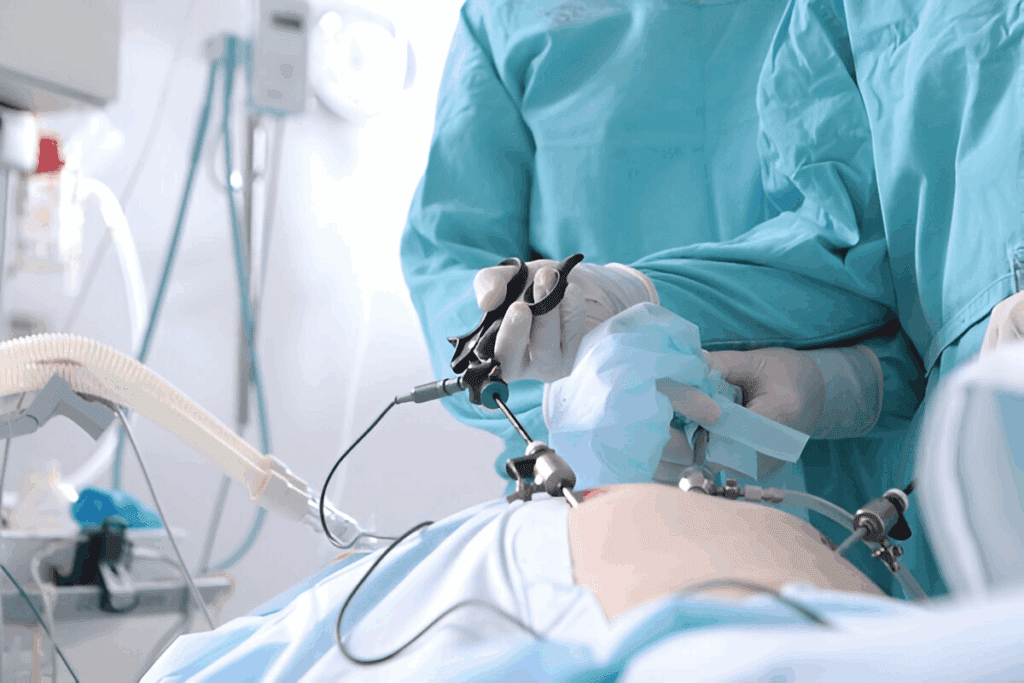
Gallbladder surgery, or cholecystectomy, is a common treatment for gallstones and other gallbladder diseases. It is generally safe but can lead to complications, like bile leakage. This happens in about 1.2 to 4 percent of patients after laparoscopic cholecystectomy.
Many people have successful gallbladder removals each year without problems. But, it’s important to know the signs of bile leak symptoms to avoid serious issues. At Liv Hospital, they focus on the patient to ensure quick diagnosis and the best care for those with leaking gallbladder symptoms.
Key Takeaways
- Bile leakage is a possible complication after gallbladder surgery.
- Spotting symptoms early is key to avoiding serious problems.
- Liv Hospital puts patients first for the best care.
- The chance of bile leaks after laparoscopic cholecystectomy is between 1.2 to 4 percent.
- Quick diagnosis is essential for managing bile leakage well.
What Happens When Bile Leaks into the Body
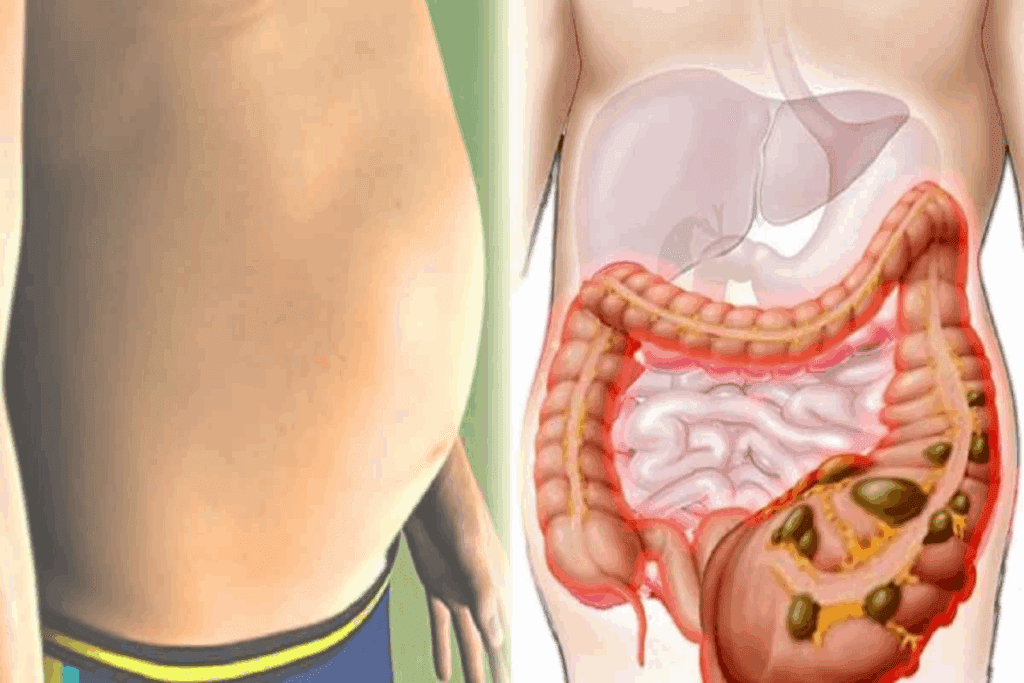
It’s important to know what happens when bile leaks into the body, after gallbladder surgery. Bile helps with digestion and its leak can cause serious problems.
The Function of Bile in Digestion
Bile is made by the liver and stored in the gallbladder. It helps break down fats and vitamins A, D, E, and K. If bile leaks, it can irritate and infect the body.
How Bile Leakage Occurs After Surgery
Bile leakage can happen after gallbladder surgery. This is because of damage to the bile ducts. The damage can cause bile to leak into the belly.
This can happen due to a ductal injury or a disruption of the bile duct closure. Problems from laparoscopic surgery can also lead to bile leaks.
Incidence Rates and Risk Factors
Bile duct injuries are rare, happening in 0.15% to 0.3% of gallbladder removal surgeries. But, they can cause serious issues. Factors like surgery complexity, surgeon experience, and patient health can increase the risk.
Knowing about these risks and how bile leaks is key for early treatment. Patients should watch for signs of leaks after surgery to avoid complications.
Common Causes of Biliary Leakage

After gallbladder removal, some patients may face biliary leakage. This condition needs quick medical care. It can happen due to several reasons linked to the surgery.
Surgical Complications Leading to Leaks
Surgical issues are a main reason for biliary leakage. These can include:
- Injury to the bile duct during surgery
- Improper closure of the bile duct
- Slipping of clips or ligatures used to close the bile duct
These problems can cause bile to leak into the belly. This leads to various symptoms.
When Symptoms Typically Appear Post-Surgery
Symptoms of biliary leakage can show up at different times after surgery. Some people might notice them a few days after, while others might not see them until weeks later.
Common symptoms include:
- Persistent abdominal pain
- Nausea and vomiting
- Fever and chills
- Jaundice and skin discoloration
It’s important for patients to watch their health closely. They should get medical help if they notice any of these symptoms.
Early detection and treatment are vital to avoid more serious issues like peritonitis or sepsis.
“Prompt recognition and management of biliary leakage can significantly improve patient outcomes.”
Bile Leak Symptoms: Recognizing the Warning Signs
After gallbladder surgery, it’s key to spot bile leak symptoms early. This can greatly affect how well you recover. Bile leaks happen when the bile ducts get damaged during surgery.
Acute vs. Chronic Symptoms
Bile leak symptoms can show up quickly or slowly. Acute symptoms come on fast and are very serious. They need quick medical help. Symptoms include sharp pain in the belly, fever, and feeling sick.
Chronic symptoms take longer to appear. They might start weeks after surgery. You might feel some pain, feel bloated, or have changes in your bowel movements.
Distinguishing from Normal Post-Surgical Recovery
Telling bile leak symptoms from normal recovery can be hard. Normal recovery might have some pain, but it usually gets better. But, bile leak symptoms can keep getting worse.
Signs of a bile leak include ongoing or severe belly pain, fever, and odd drainage from the surgery area. It’s vital for patients to know these signs. If you notice anything unusual after gallbladder surgery, get medical help right away. Catching bile leaks early can make a big difference in recovery.
Symptom #1: Persistent Abdominal Pain
Abdominal pain that doesn’t go away or gets worse is a big warning sign. It’s a common symptom for those who have bile duct problems after gallbladder surgery.
Characteristics of Bile Leak Pain
The pain from a bile leak can feel different in intensity and where it hurts. It might be in the upper right part of your belly or spread out. Key characteristics include:
- Pain that doesn’t improve with time
- Increasing severity of pain
- Pain that may radiate to the back or shoulder
How It Differs From Normal Post-Surgical Pain
It’s normal to feel some pain after surgery. But, bile leak pain is usually more intense and lasts longer. Unlike usual post-surgical pain, which gets better, bile leak pain stays the same or gets worse.
Distinguishing features include:
- Pain that is not relieved by prescribed pain medication
- Pain accompanied by other symptoms such as fever or jaundice
- Pain that interferes with daily activities
If you’re feeling any of these symptoms, you should see a doctor right away.
Symptom #2: Abdominal Swelling and Distension
Bile leaks can cause abdominal swelling, a serious issue that needs quick medical help. This happens when bile builds up in the belly, leading to pain and serious problems.
Mechanisms Behind Abdominal Swelling
The swelling from bile leaks comes from bile irritating the belly lining. This irritation causes inflammation and fluid buildup. This leads to swelling and distension.
- Inflammation: Bile in the belly triggers inflammation.
- Fluid Accumulation: This inflammation causes fluid to build up, leading to swelling.
Progressive Nature of Bile-Related Swelling
The swelling from bile leaks gets worse over time if not treated. As it gets worse, patients may feel more pain and face serious risks.
- Early swelling can be treated, but if it doesn’t get better, it’s a sign of a bigger problem.
- Severe swelling can press on the diaphragm, making breathing hard.
People with swelling after gallbladder surgery should get medical help right away. This is to find out why and how to treat it.
Symptom #3: Fever and Chills
Fever and chills can be signs of a bile leak after gallbladder surgery. It’s normal to feel some discomfort after surgery. But, fever and chills might mean something serious is happening. It’s important to watch your body temperature closely.
Temperature Patterns in Bile Leak Patients
Fever in bile leak patients can show up in different ways. Some might have a low-grade fever, while others could have a higher temperature. When the fever starts is also important. It can happen right after surgery or even later, sometimes after you’ve gone home.
Key characteristics of fever in bile leak patients include:
- Variable temperature patterns, ranging from mild to severe
- Potential for fever to occur at any time post-surgery
- Association with other symptoms such as abdominal pain or swelling
When Fever Indicates a Serious Complication
A high or lasting fever can mean a serious problem, like an infection from a bile leak. If not treated, it could get worse and lead to serious conditions. If you have a fever that won’t go away, chills, or other symptoms, you should see a doctor right away.
Prompt medical evaluation is key to figure out why you have a fever and start the right treatment. Doctors might do tests like imaging and blood work to check for bile leaks or infections.
Symptom #4: Nausea and Vomiting
Feeling sick to your stomach and vomiting after gallbladder surgery is common. But, it’s important to know if it’s just normal or if it’s a sign of a bile leak. Bile leaks can hurt your recovery by causing nausea and vomiting.
Impact on Digestive Function
Bile leaks can really mess with your digestion. Bile helps break down fats and absorbs vitamins. If bile leaks into your belly instead of your intestines, it can cause irritation and infection. This leads to nausea and vomiting, making you feel really sick.
These symptoms can also make you dehydrated and upset your body’s balance of salts and minerals. It’s important to manage these symptoms well.
Distinguishing from Normal Post-Operative Nausea
Some nausea is okay after surgery. But, bile leak nausea is usually worse and lasts longer. It often comes with other signs like belly pain, fever, and yellow skin.
If you have these symptoms, it might mean you have a bile leak. Watching how long and how bad these symptoms are is key to catching problems early.
Key factors to distinguish bile leak-related nausea:
- Persistent and severe nausea
- Vomiting that is not relieved by usual anti-emetic measures
- Presence of other symptoms like abdominal pain or fever
Knowing the difference can help catch problems fast. This ensures you get the right treatment right away.
Symptom #5: Jaundice and Skin Discoloration
Jaundice is when your skin and eyes turn yellow. It’s a sign of a bile leak after gallbladder surgery. This happens because of too much bilirubin, a yellow pigment from broken-down red blood cells.
Causes of Jaundice in Bile Leakage
Bile leakage can cause jaundice. Normally, bile helps digest fats. But if there’s a leak, bile builds up in the abdomen. This leads to jaundice because bilirubin gets back into the blood.
Key factors contributing to jaundice in bile leaks include:
- Obstruction of bile ducts
- Bile duct injury during surgery
- Accumulation of bile in the abdominal cavity
Progressive Nature of Jaundice Symptoms
Jaundice symptoms can get worse if not treated. First, you might see yellow eyes, then skin. As it gets worse, the yellow gets deeper. You might also have dark urine and pale stools.
| Symptom | Description | Progression |
| Yellowing of Eyes | Initial sign of jaundice | Early stage |
| Skin Discoloration | Yellowing of the skin | As condition worsens |
| Dark Urine | Urine becomes darker due to bilirubin | Intermediate stage |
| Pale Stools | Stools lose color due to lack of bile | Advanced stage |
If you have jaundice after gallbladder surgery, get medical help fast. Early treatment can make a big difference.
Symptom #6: Unusual Drainage From Surgical Site
Bile leaks can show up as unusual drainage from the surgical site. This is a sign that needs quick medical help.
Patients who had gallbladder surgery should watch for unusual drainage. This could mean bile is leaking into the belly. Bile leaks happen when bile gets out of the bile ducts or gallbladder.
Identifying Bile in Surgical Drainage
To see if drainage is from a bile leak, look for certain signs. Bile is usually greenish-yellow. If the drainage looks like this, it might be bile.
Lab tests can confirm if the fluid is bile. These tests check the fluid’s makeup. They help figure out if there’s a bile leak.
Changes in Drainage Patterns and Volume
It’s important to watch for changes in drainage. More drainage or a different color or texture could mean a bile leak.
| Characteristics | Normal Drainage | Bile Leak Drainage |
| Color | Clear or serous | Greenish-yellow |
| Volume | Gradually decreasing | Increasing or persistent |
| Consistency | Serous or slightly bloody | Thick, bilious |
If you notice unusual drainage, tell your doctor right away. Catching bile leaks early can help patients a lot.
Symptom #7: Loss of Appetite and Weight Loss
A decrease in appetite and weight loss are serious signs that need quick medical help after gallbladder surgery. These signs point to a possible bile leak. They also show how a patient’s nutrition and recovery might be at risk.
Impact of Bile Leaks on Nutritional Status
Bile leaks can harm a patient’s nutrition by messing up digestion. Bile is key for breaking down fats and absorbing vitamins A, D, E, and K. If bile leaks into the belly instead of the intestine, it can cause a lack of essential nutrients.
Malabsorption due to bile leaks can result in:
- Deficiencies in fat-soluble vitamins (A, D, E, K)
- Reduced absorption of fats, leading to weight loss
- Potential for malnutrition, impacting overall health and recovery
Timeline of Appetite Changes
When appetite changes happen can differ from person to person. But, a drop in appetite usually shows up in the first few weeks after surgery if there’s a bile leak. It’s key to watch appetite changes closely after surgery.
| Timeline | Appetite Changes | Nutritional Implications |
| 1-2 weeks post-surgery | Initial decrease in appetite | Minimal weight loss, possible nutrient deficiencies |
| 2-4 weeks post-surgery | Continued loss of appetite | Noticeable weight loss, higher risk of malnutrition |
| 4+ weeks post-surgery | Persistent loss of appetite | Significant weight loss, severe malnutrition risk |
Spotting and treating bile leaks early is key to avoiding long-term nutrition problems. Doctors should keep a close eye on patients for signs of less appetite and weight loss. This helps ensure they get the right care on time.
Symptom #8: Slow Bile Leak Symptoms and Subtle Signs
Bile leaks after gallbladder surgery can show subtle signs that are easy to miss. It’s key to spot these symptoms early to avoid more problems.
Intermittent Discomfort and Bloating
One sign of a slow bile leak is feeling uncomfortable or bloated in the belly. This feeling might be mild and not always linked to the bile leak. It’s important to watch for any changes in how your belly feels, as ongoing or coming back bloating could mean something’s wrong.
Bloating in bile leak cases often comes from bile building up in the belly. This buildup can cause swelling and discomfort. This swelling can make you feel full or uncomfortable, which might seem like normal recovery symptoms.
Indigestion and Other Digestive Disturbances
Indigestion and other stomach problems are common with slow bile leaks. People might feel dyspepsia, nausea, or changes in how they go to the bathroom. These issues can come from the bile leak messing with digestion.
- Changes in bowel movements
- Nausea or vomiting
- Loss of appetite
These symptoms can be vague and might look like other issues after surgery. But if they keep happening or get worse, it’s vital to get checked out by a doctor. This is to make sure it’s not a bile leak or another problem.
Spotting slow bile leak symptoms early needs a careful eye and a detailed check-up. Doctors should keep an eye out for these signs in patients who’ve had gallbladder surgery.
Can a Bile Leak Kill You? Understanding Possible Complications
It’s important for people who have had gallbladder surgery to know about bile leak complications. If not treated, bile leaks can cause serious and even deadly conditions.
Development of Peritonitis and Sepsis
Peritonitis is a serious inflammation of the peritoneum, the lining of the abdominal cavity. It happens when bile leaks into the belly, causing infection. If not treated quickly, peritonitis can turn into sepsis, a dangerous infection response that can harm organs.
Going from a bile leak to peritonitis and sepsis is a medical emergency. Signs include severe belly pain, tenderness, and muscle tension. Also, look out for fever and chills. Spotting these symptoms early is key to getting help fast.
Mortality Rates and Risk Factors
Bile leaks can be deadly, mainly if they lead to peritonitis and sepsis. Research shows that death rates for bile duct injuries, including leaks, can be as high as 30%. Older age, delayed diagnosis, and health problems increase the risk of serious outcomes.
Knowing about these risks and complications is vital for both patients and doctors. Quick action on bile leaks can greatly improve chances of survival and reduce death rates.
Conclusion: Diagnosis, Treatment, and When to Seek Help
It’s important to know the signs of a bile leak after gallbladder surgery. Look out for persistent pain, swelling, fever, or unusual drainage. If you notice these, get medical help right away.
Doctors use tests like ultrasound or CT scans to find bile leaks. They might drain the bile through a special procedure or ERCP. This helps treat the issue.
Bile leaks can cause serious problems like peritonitis and sepsis if not treated. Knowing when to get help is key. If you see any symptoms, call your doctor.
Quick medical care can make a big difference. It helps avoid long-term damage. Being aware of symptoms and getting help when needed helps you recover better.
FAQ
What are the common symptoms of a bile leak after gallbladder surgery?
Symptoms include persistent pain and swelling in the abdomen. You might also feel feverish, nauseous, and vomit. Jaundice, skin discoloration, and unusual drainage are signs too. Losing appetite and weight are also common.
How does bile leakage occur after gallbladder removal surgery?
Bile leakage can happen due to surgical mistakes. This includes damage to bile ducts or not closing them properly. This lets bile spill into the belly.
What is the typical timeframe for symptoms to appear after gallbladder surgery?
Symptoms can show up a few days to weeks after surgery. It depends on how bad the leak is and your health.
Can a bile leak cause peritonitis or sepsis?
Yes, a bile leak can cause peritonitis, an inflammation of the belly lining. It can also lead to sepsis, a serious condition, if not treated.
How is a bile leak diagnosed?
Doctors use imaging tests like ultrasound, CT scans, or MRI to see the leak. They check how bad the damage is.
What are the treatment options for a bile leak?
Treatment might include draining the bile and antibiotics for infection. Sometimes, more surgery is needed to fix the bile duct.
Can a slow bile leak cause significant health issues?
Yes, even a slow leak can cause discomfort, bloating, and indigestion. It can also lead to more serious problems.
How can I differentiate between normal post-surgical pain and pain caused by a bile leak?
Bile leak pain is usually severe and lasts longer. It often comes with fever, nausea, and swelling. Normal post-surgical pain gets better over time.
What is the mortality rate associated with bile leaks?
The death rate varies based on the leak’s severity, how fast it’s found, and treatment success. It can be high if not treated well.
Can a bile duct leak be treated without surgery?
Sometimes, a bile duct leak can be managed without surgery. But, in severe cases, surgery is needed.
What are the risk factors for developing a bile leak after gallbladder surgery?
Risks include complex surgery, bile duct damage, and your health before surgery.
How can I manage nausea and vomiting caused by a bile leak?
To manage nausea and vomiting, try anti-nausea meds, change your diet, and stay hydrated. These steps help ease symptoms and prevent dehydration.
References
- Gawlik, C., et al. (2021). A Review of the Management of Bile Leaks. World Journal of Gastrointestinal Surgery, 13(5), 394-406. https://pmc.ncbi.nlm.nih.gov/articles/PMC8189537/