
Choosing the right biliary drainage bag holder is key for patient comfort and safety. Proper bile management is vital, more so after procedures like percutaneous biliary drainage or cholecystostomy.
A biliary drainage bag holder keeps bile bags and catheters secure. Modern systems aim to lower infection and leakage risks. Good management is a big part of patient care, as seen in medical studies.
Key Takeaways
- Proper bile management is key for patient comfort and safety.
- A biliary drainage bag holder is essential for securing bile bags and catheters.
- Modern biliary drainage systems reduce infection and leakage risks.
- Effective management is critical for patient care.
- Choosing the right biliary drainage bag holder is vital.
The Critical Role of Biliary Drainage Systems in Patient Care
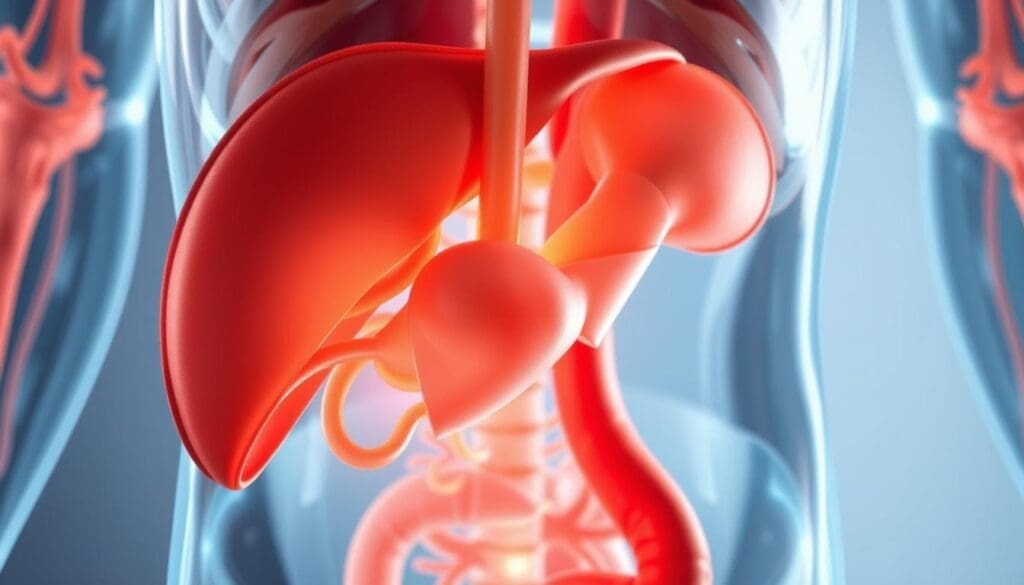
Managing bile drainage is key to avoiding infections and keeping patients comfortable. Biliary drainage systems are vital for patients going through various liver and bile duct procedures. They help drain bile and lower the chance of problems from blocked bile ducts.
Common Procedures Requiring Bile Drainage Management
Managing bile is essential for many medical procedures. This includes percutaneous biliary drainage, cholecystostomy, and liver drainage. These procedures often need biliary drainage bags and holders to manage bile well.
These procedures are often needed when bile ducts are blocked by stones, tumors, or strictures. Good bile drainage management can help reduce jaundice, prevent cholangitis, and improve the patient’s health.
“The use of biliary drainage systems has revolutionized the management of patients with bile duct obstruction, significantly improving outcomes and reducing morbidity.”
Complications Associated with Improper Bile Drain Management
Bad bile drainage management can cause infections, bile leaks, and catheter problems. These issues can make patients stay in the hospital longer and increase their risk of serious health problems.
Today’s bile bags have features like connectors, secure straps, and anti-reflux valves. For example, anti-reflux valves stop bile from flowing back, which helps prevent infections.
| Complication | Consequence | Prevention Measure |
| Infection | Increased morbidity, prolonged hospital stay | Use of anti-reflux valves, proper catheter care |
| Bile Leakage | Skin irritation, infection | Secure straps, proper bag positioning |
| Catheter Dislodgement | Need for re-procedure, increased risk of infection | Secure fixation mechanisms, patient education |
Impact on Patient Recovery and Hospital Stay Duration
Good bile drainage management can cut down on complications and improve patient results. It helps patients recover faster and stay in the hospital less, which saves money on healthcare.
Using top-notch biliary drainage bag holders helps healthcare teams give the best care. This reduces the chance of problems and helps patients get better quicker.
Types of Biliary Drainage Bags and Their Specific Applications
Managing bile drainage is key, and it needs special bags for different medical needs. The right bag can greatly improve patient care. Each bag is made for a specific use, helping patients in various ways.
Bile Duct Drainage Bags for Liver Procedures
Bile duct bags are for liver patients. They help drain bile from the liver to the intestine. This is vital for those with liver issues or after liver surgery.
Gallbladder Drainage Bags for Cholecystostomy
Gallbladder bags are for cholecystostomy patients. A tube is placed in the gallbladder to drain bile. These bags keep the tube in place and manage bile flow.
Specialized Cholecystostomy Drain Bags
Long-term gallbladder drainage needs special bags. These bags resist bile damage and are made for comfort and privacy.
Selection Criteria Based on Medical Needs
Choosing the right biliary drainage bag is important. It depends on the procedure, patient’s body, and bile volume. It’s key for good bile management and patient comfort.
We summarize the key features and applications of different biliary drainage bags in the following table:
| Type of Drainage Bag | Medical Application | Key Features |
| Bile Duct Drainage Bag | Liver procedures | Designed for bile drainage from the liver, secure attachment |
| Gallbladder Drainage Bag | Cholecystostomy | Manages bile output, secure tube holding |
| Specialized Cholecystostomy Drain Bag | Long-term gallbladder drainage | Bile-resistant materials, comfortable, discreet |
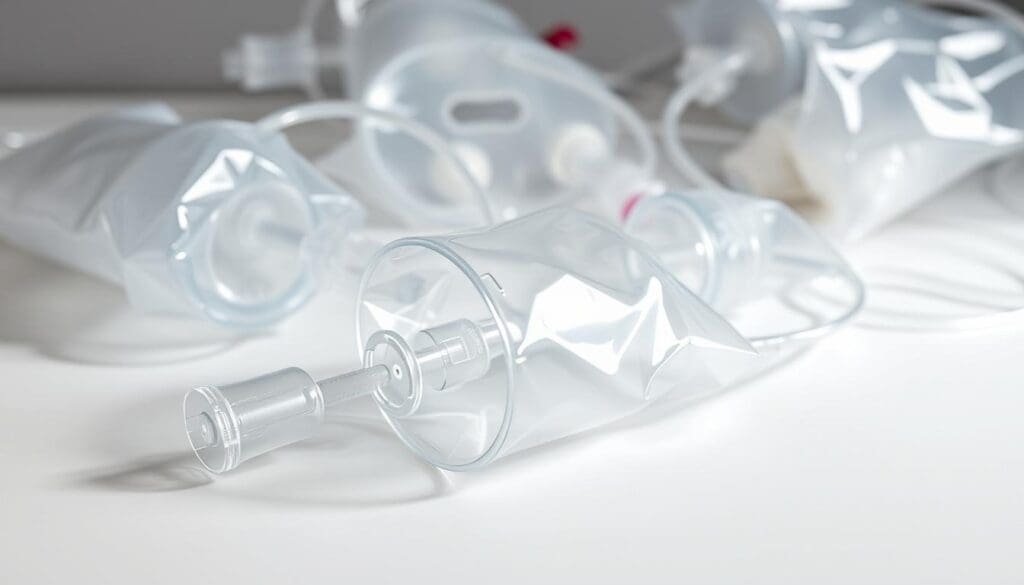
Using the right biliary drain bag reduces dislodgement risks. It ensures effective bile drainage. Knowing about these bags helps healthcare providers make better choices for patients.
Why a Quality Biliary Drainage Bag Holder Is Essential for Patient Safety
A reliable biliary drainage bag holder is key for patient safety. It helps manage bile drainage daily to prevent infections. A good holder is essential for this.
Preventing Accidental Dislodgement of Bile Catheters
A secure holder stops bile catheters from coming out by accident. This can cause serious problems. Secure attachment mechanisms are important to keep the catheter in place.
Reducing Infection Risks Through Proper Positioning
Keeping the biliary drainage bag in the right spot is vital to avoid infections. A well-made holder keeps the bag clean and away from germs. We suggest using holders with anti-reflux valves to stop backflow.
Enhancing Patient Comfort and Mobility During Recovery
A quality holder not only keeps patients safe but also makes them more comfortable and mobile. It keeps the bag secure, so patients can move without worrying about the catheter coming out.
- Lightweight materials for reduced burden
- Discreet designs for under-clothing wear
- Adjustable straps for a secure fit
Cost-Effectiveness Through Complication Prevention
Buying a top-notch biliary drainage bag holder saves money in the long run. It stops problems that come from bad bile drain management. This lowers the chance of infections and the need for more medical help.
Choosing a trustworthy biliary drainage bag holder helps improve patient results. It also cuts down on healthcare costs linked to managing issues.
Essential Feature #1: Secure Attachment and Fixation Mechanisms
The first key feature of a biliary drainage bag holder is its secure attachment. This is vital to prevent the bile catheter from coming loose. If it does, it can cause serious issues like infection and more surgeries.
Today’s biliary drainage bag holders have secure attachment mechanisms to lower infection and leakage risks. These are made to fit various patients and body types.
Strap Systems for Different Body Placements
Strap systems are a major part of secure attachment. They fit different body types, keeping the biliary drainage bag in place. This is true whether the patient is moving or lying down.
- Adjustable straps fit each patient perfectly.
- Soft padding makes it comfortable and prevents skin irritation.
- Durable materials mean they last a long time.
Quick-Release Features for Emergency Access
Modern biliary drainage bag holders also have quick-release features. These allow for fast removal in emergencies. This is very important for patients needing quick medical help.
These quick-release systems are simple and easy to use. Even when someone is stressed, they can be used quickly.
Adjustability for Different Patient Body Types
Adjustability is also key for secure attachment. Biliary drainage bag holders need to fit many different body types and sizes.
- Flexible strap designs make adjustments easy.
- Multiple attachment points add extra security.
- Easy-to-use adjustment mechanisms make it simple for caregivers.
With these features, biliary drainage bag holders offer secure and reliable attachment. This reduces complications and improves patient care.
Essential Feature #2: Anti-Reflux Valve Technology for Infection Prevention
Anti-reflux valves in biliary drainage systems are a big step in fighting infections. They help keep patients safer and improve their health outcomes.
How Modern Anti-Reflux Valves Prevent Backflow
Today’s anti-reflux valves stop bile from flowing back into the biliary system. This cuts down on infection risks. They ensure bile flows out but not back in.
Reducing Bacterial Contamination Risks
Bacterial contamination is a big worry in biliary drainage. Anti-reflux valves help by:
- Stopping bacteria from getting into the biliary system
- Keeping the flow path clean and free from infection
- Lessening the need for system changes or replacements
Valve Maintenance Requirements for Optimal Function
To keep anti-reflux valves working well, they need regular care. This includes:
- Checking for wear or damage
- Cleaning as the maker suggests
- Replacing them when needed or as the maker advises
Keeping valves in good shape is essential for their long-term success.
Integration with Different Bile Bag Systems
Anti-reflux valves work with many bile bag systems. This makes them very flexible. They fit into different setups easily, helping both healthcare providers and patients.
Adding anti-reflux valve technology is a big leap in managing biliary drainage. It makes care safer and lowers infection risks.
Essential Feature #3: Ergonomic Design for Enhanced Patient Mobility
We know that how patients move is greatly affected by their medical gear, like biliary drainage bag holders. An ergonomic design is key to letting patients move easily without risking their bile drainage system.
Ergonomic design in biliary drainage bag holders is very important. It affects how well and safely a patient can wear their bag. This, in turn, improves their life quality while they recover.
Lightweight Materials That Maintain Durability
Lightweight materials are a big part of ergonomic design in these bag holders. They make the holder easy to move around without being too heavy. At the same time, these materials are strong enough for daily use.
For example, advanced polymers and strong fabrics are used. They are light but strong, making patients more comfortable and able to move better.
Discreet Profiles for Under-Clothing Wear
Being able to wear the bag holder under clothes is key for some patients. This lets them live more normally, without feeling like they’re wearing medical gear.
Designers make these holders small and flexible. This way, they can be worn under clothes without being seen.
Adaptations for Ambulatory vs. Bedridden Patients
Patients have different needs when it comes to moving around. Some can walk, while others can’t leave their beds. A good biliary drainage bag holder must work for both, keeping the bag safe and secure.
For those who can walk, the focus is on being comfortable while moving. For those who can’t, the goal is to keep the bag in place and prevent it from coming loose.
Balance Between Security and Freedom of Movement
Finding the right balance is key. The bag holder must keep the bag secure but not limit the patient’s movement. This balance is important for the patient’s comfort and confidence.
Thanks to new designs and materials, makers can create holders that are both secure and let patients move freely. This makes the patient’s experience better overall.
Essential Feature #4: User-Friendly Emptying and Measurement Systems
Bile drainage bags must have easy-to-use emptying systems. This is key for patient independence. Cholecystostomy drainage bags and bile duct bags are made for comfort and monitoring. They have systems for easy emptying and measuring.
One-Handed Emptying Mechanisms for Independence
One-handed emptying is a big plus. It lets patients handle their drainage on their own. Easy-to-use valves make it simple to empty bags without hassle.
Accurate Volume Measurement Markings
Markings on bags show how much bile is drained. This is important for tracking patient health. Clear and precise measurements help doctors make better care plans.
Leak-Proof Valve Systems for Safe Emptying
Leak-proof valves stop spills when emptying. This keeps things clean and safe. Secure valve systems make emptying safe and efficient.
Documentation Features for Medical Monitoring
Features for tracking patient data are built into these systems. They help doctors keep up with patient progress. Comprehensive documentation supports ongoing care and helps spot any issues.
Essential Feature #5: Durable Materials for Long-Term Biliary Drainage Management
For long-term biliary drainage, using high-quality, durable materials in bag holders is key. The durability of gallbladder drain bags is vital. It prevents accidental spills and ensures patient safety.
Bile-Resistant Materials That Prevent Degradation
The use of bile-resistant materials is critical. These materials prevent the degradation of biliary drainage bag holders. They are designed to withstand the corrosive nature of bile, ensuring the bag holder’s integrity over time.
Transparency for Visual Monitoring of Bile
Transparency in biliary drainage bag holders allows for visual monitoring of bile. This lets healthcare providers check the color, consistency, and volume of bile drainage. This feature is essential for diagnosing complications and ensuring timely intervention.
Hypoallergenic Considerations for Sensitive Skin
Patients with sensitive skin need hypoallergenic materials to avoid allergic reactions. Biliary drainage bag holders made with hypoallergenic materials ensure comfort and safety for patients during extended use.
Cleaning Protocols That Maintain Integrity
Establishing proper cleaning protocols is vital. It helps maintain the integrity of biliary drainage bag holders. Regular cleaning and maintenance prevent infection and ensure the device’s longevity.
| Material Feature | Benefit | Patient Impact |
| Bile-Resistant | Prevents degradation | Enhanced safety and reduced risk of leakage |
| Transparent | Visual monitoring | Timely diagnosis and intervention |
| Hypoallergenic | Minimizes allergic reactions | Increased comfort during extended use |
Essential Feature #6: Specialized Adaptations for Different Drainage Types
The sixth key feature of a biliary drainage bag holder is its ability to handle various drainage types. Medical procedures like cholecystostomy and bile duct drainage need special solutions. These adaptations ensure patients get care that fits their unique needs.
Gallbladder Drain Bag Specific Requirements
Gallbladder drain bags for cholecystostomy procedures have special needs. They must handle the unique aspects of gallbladder drainage. This includes different bile compositions and flow rates.
Bile Duct Drainage Customizations
For ERCP procedures, bile duct drainage needs custom solutions. These might include adjusting the bag’s size, the tube’s diameter, and how it connects. This ensures it works well with different catheters.
Liver Drainage Bag Special Considerations
Liver drainage bags face unique challenges due to the liver’s complex anatomy. They must be designed for various liver drainage procedures. This includes handling multiple drainage sites.
Multi-Purpose Holders for Hospital Settings
In hospitals, multi-purpose biliary drainage bag holders are very useful. They can fit different bag types and sizes. This makes patient care more efficient and reduces the need for many devices.
Here’s a comparison table to show the variety of biliary drainage bag holders and their special features:
| Drainage Type | Key Features | Special Considerations |
| Gallbladder Drainage | Secure attachment, anti-reflux valve | Bile composition, flow rate variability |
| Bile Duct Drainage | Customizable drainage tube size, compatibility with various catheters | Procedure-specific requirements (e.g., ERCP) |
| Liver Drainage | Adaptability to multiple drainage sites, durable materials | Liver anatomy complexity, varied drainage needs |
By having specialized adaptations for different drainage types, biliary drainage bag holders improve patient care and safety. These features allow healthcare providers to tailor care to each patient’s needs. This leads to better outcomes and fewer complications.
Essential Feature #7: Daily Management Features for Infection Prevention
Infection prevention in biliary drainage management relies on daily management features. Proper care and management are key to avoiding complications. They ensure the well-being of patients with biliary drainage.
Easy Access for Site Cleaning and Assessment
Easy access to the catheter site is vital for regular cleaning and assessment. These steps are critical for preventing infections. A well-designed biliary drainage bag holder should allow healthcare providers to easily inspect the site, clean it, and apply any necessary dressings without causing discomfort to the patient.
Key benefits of easy access include:
- Reduced risk of infection through regular cleaning
- Improved patient comfort during site care
- Enhanced ability to monitor the site for signs of complications
Indicators for Bag Replacement Timing
Indicators for bag replacement timing are essential for maintaining the integrity of the biliary drainage system. These indicators help caregivers determine when the bag needs to be replaced. This ensures the system remains functional and reduces the risk of infection.
| Indicator Type | Description | Benefit |
| Visual Indicators | Color-changing labels or visible wear indicators | Easy to use, no special training required |
| Timed Indicators | Replacement reminders based on usage duration | Ensures timely replacement, reducing infection risk |
Caregiver-Friendly Design Elements
Caregiver-friendly design elements are key for managing biliary drainage bag holders. Features like simple fastening systems, clear instructional labels, and ergonomic design can greatly reduce caregiver burden.
“A well-designed biliary drainage system can make a significant difference in the quality of care provided to patients.”
— Expert in Medical Device Design
Integration with Wound Care Protocols
Integration with wound care protocols is vital for complete patient care. Biliary drainage bag holders should be designed to work with standard wound care practices. This ensures patients receive consistent and effective care.
By incorporating these daily management features, healthcare providers can significantly reduce the risk of infection and improve patient outcomes.
Conclusion: Optimizing Bile Drainage Management for Better Patient Outcomes
Effective bile drainage management is key for the best medical results. Places like Liv Hospital aim for this. We’ve looked at what makes a biliary drainage bag holder work well.
Features like secure attachment and anti-reflux valves are important. So are designs that are easy to use and materials that last. These help healthcare teams do their job better.
Using a top-notch biliary drainage bag holder helps avoid problems. This includes preventing accidents and infections. It makes patients more comfortable and helps them recover faster.
As we keep improving in medical tech, managing bile drainage well is more important than ever. It’s a big step towards better care for everyone.
Healthcare places can offer the best care by using advanced bag holders. This is true for patients from all over the world. Together, we can make sure patients get the best care possible.
FAQ
What is a biliary drainage bag holder, and why is it important?
A biliary drainage bag holder is a medical tool that keeps bile bags and catheters in place. It’s key for patient care as it lowers infection and leakage risks. It’s vital for managing bile drainage well.
What are the common procedures that require bile drainage management?
Procedures like liver surgeries, cholecystostomy, and bile duct drainage need good bile management. This helps avoid complications.
What are the possible complications of bad bile drain management?
Bad bile management can cause infections, leaks, and other issues. These problems can harm patient recovery and extend hospital stays.
How does a good biliary drainage bag holder improve patient safety?
A good biliary drainage bag holder stops accidental dislodgement and lowers infection risks. It also makes patients more comfortable and saves money by avoiding complications. This makes patient care safer.
What are the key features of a biliary drainage bag holder?
Key features include secure attachment and anti-reflux valves. It also has an ergonomic design and easy-to-use systems. Materials are durable, and it fits different drainage types. It also helps prevent infections daily.
How does anti-reflux valve technology prevent infection?
Anti-reflux valves stop backflow. This reduces bacterial contamination and infection risks. It’s vital for preventing infections.
Why is ergonomic design important in a biliary drainage bag holder?
Ergonomic design is key because it boosts patient mobility and comfort. It uses light materials and fits different patient needs. This improves care quality.
What are the benefits of using durable materials in a biliary drainage bag holder?
Durable materials, like bile-resistant ones, make the device last longer. They prevent degradation and skin irritation. This keeps the biliary system working well.
How do specialized adaptations for different drainage types improve patient care?
Adaptations for various drainage types ensure the holder meets patient needs. This improves bile drainage management effectiveness.
What daily management features are important for infection prevention?
Daily features like easy cleaning access and bag replacement indicators are key. They help prevent infections and manage bile drainage well.
How can a biliary drainage bag holder be used with different types of bile bags?
A biliary drainage bag holder works with many bile bags. Choose the right holder for your medical needs and drainage type.
References
- Molina, H., et al. (2021). Complications of Percutaneous Biliary Procedures. PMC, 8354729. https://www.ncbi.nlm.nih.gov/pmc/articles/PMC8354729/



 Departments
 Related Videos
 Our Doctors
 News
News