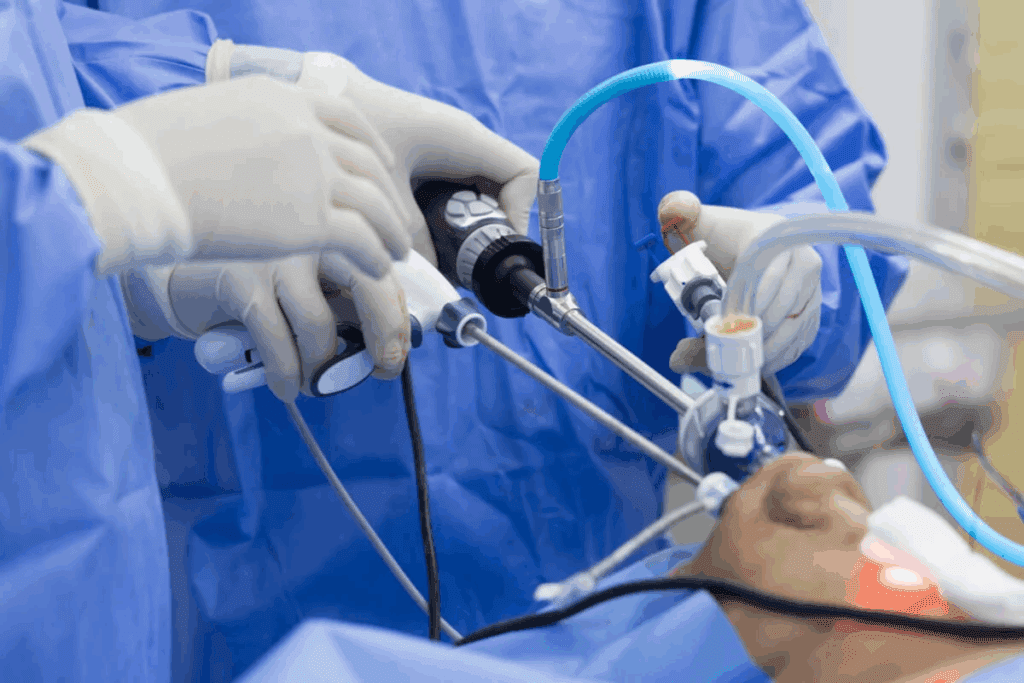
For those dealing with severe obesity, weight loss surgery can be a game-changer. The duodenal switch procedure stands out because it works in two ways. It combines a sleeve gastrectomy with an intestinal bypass.
At Liv Hospital, we know how big this choice is. We’re here to offer top-notch care and support. Getting ready for duodenal switch surgery means learning about the procedure and checking if you’re a good fit. You’ll also need to make some lifestyle changes.
Our guide will help you get ready for surgery. We’ll cover diet changes, medical tests, and even psychological checks.
Key Takeaways
- Understand the duodenal switch procedure and its benefits.
- Assess your candidacy for the surgery with a healthcare professional.
- Make necessary lifestyle adjustments before and after surgery.
- Prepare for dietary changes and nutritional supplements post-surgery.
- Undergo required medical tests and psychological evaluations.
What is Biliopancreatic Diversion Duodenal Switch Surgery
The biliopancreatic diversion with duodenal switch is a complex surgery for weight loss. It uses both restrictive and malabsorptive methods. This surgery is for people with severe obesity, aiming for significant weight loss.
The Two Components of DS Surgery
DS surgery has two main parts: a restrictive and a malabsorptive element. The restrictive component is a sleeve gastrectomy. It makes the stomach smaller, so you can’t eat as much.
The malabsorptive component is an intestinal bypass. It reroutes a big part of the small intestine. This makes it harder for your body to absorb calories and nutrients, helping you lose weight.
- The sleeve gastrectomy reduces stomach size, limiting food intake.
- The intestinal bypass reduces calorie absorption.
How DS Differs from Other Bariatric Procedures
DS surgery is unique because it works in two ways. Unlike surgeries that only limit food intake, like gastric banding, or those that mainly cause malabsorption, like some gastric bypasses, DS does both. This makes it more effective for weight loss and improving health conditions related to obesity.
But, it needs careful patient selection and follow-up. This is because of its complexity and the risk of nutritional deficiencies.
“The biliopancreatic diversion with duodenal switch is a powerful tool in the surgical treatment of obesity, providing significant weight loss and better health.”
Nestor de la Cruz-Munoz, MD
DS surgery is different from other bariatric surgeries in several ways:
- It combines restrictive and malabsorptive components.
- It can lead to more weight loss than some other surgeries.
- It’s more complex, needing specialized surgical skills.
Benefits and Expected Outcomes of DS Surgery
DS surgery offers many benefits, including a lot of weight loss and fixing health problems linked to obesity. This surgery aims to help patients lose a lot of weight and get healthier.
Weight Loss Timeline and Expectations
In the first year after DS surgery, patients can lose 50-75% of excess weight. The weight loss is fastest in the first 6-12 months. Then, it slows down.
“The journey after DS surgery is more than just losing weight,” a bariatric surgeon notes. “It’s about getting healthier and living better.” Most patients see big improvements in their health problems.
Resolution of Obesity-Related Health Conditions
DS surgery helps a lot with health issues like type 2 diabetes and sleep apnea. Many patients stop taking their medicines for these problems after surgery.
- Significant improvement or resolution of type 2 diabetes
- Improvement in sleep apnea symptoms
- Reduction in hypertension
Long-term Success Rates and Maintenance
DS surgery has a high success rate for keeping weight off long-term. To keep the weight off, patients need to stick to lifestyle changes. This includes eating healthy and exercising regularly.
Knowing the benefits and what to expect from DS surgery helps patients make good choices. Working closely with healthcare professionals is key to getting the best results.
Determining if You’re a Candidate for Duodenal Switch
To see if you’re a good fit for Duodenal Switch surgery, doctors look at many health aspects. This detailed check makes sure the surgery is right for you. It also helps in getting the best results.
BMI and Weight Requirements
Body Mass Index (BMI) is a key factor in deciding if you can have Duodenal Switch surgery. People with a BMI of 40 or more are usually considered. Those with a BMI of 35 or more and serious weight-related health issues might also qualify.
The exact weight needs can change based on the surgeon and your situation. But, your weight history and past weight loss efforts are always checked.
Health Conditions That May Affect Eligibility
Some health problems can make it harder to get Duodenal Switch surgery. These include serious heart or lung issues, liver disease, or other conditions that could make surgery or recovery harder.
Doctors will look closely at your medical history and current health. Sometimes, managing these conditions before surgery can help you qualify better.
Psychological Evaluation Criteria
A mental health check is also very important for Duodenal Switch surgery. This check makes sure you’re mentally ready for the surgery and can follow the needed lifestyle changes after.
The mental health assessment looks at your understanding of the surgery, your hopes, and your support system. It helps find any mental hurdles to success. This ensures you’re ready for the journey ahead.
By looking at these factors, doctors can decide if Duodenal Switch surgery is right for you. This helps in getting the best results and a smooth recovery.
Finding the Right Surgical Team for Your DS Procedure
The success of your duodenal switch procedure depends a lot on your surgical team. You need a team with the right skills and who understands your needs and worries.
Surgeon Qualifications and Experience
When looking for a surgeon for your duodenal switch, their qualifications and experience are key. Find a surgeon who is board-certified in general surgery and has bariatric surgery training. It’s also important to check their experience with duodenal switch surgeries, as this can affect your results.
- Check if the surgeon has done many duodenal switch surgeries.
- Ask about their complication rates and how they handle any issues.
- Find out about their post-surgery care to make sure you get the support you need.
Questions to Ask During Consultations
During your first meetings, ask the right questions to see if the surgeon is a good fit for you. Make a list of questions to cover all your care needs.
- What experience do you have with duodenal switch surgery, and what are your success rates?
- Can you explain your surgical method and techniques?
- How will you support me before, during, and after surgery?
Importance of Specialized Bariatric Centers
Choosing a specialized bariatric center can greatly improve your surgery experience and results. These centers have the latest facilities and teams focused on bariatric care.
Specialized bariatric centers offer a full weight loss surgery approach. This includes:
- Teams with surgeons, nutritionists, psychologists, and support staff.
- Advanced surgery techniques and tools.
- Full care programs before and after surgery.
By picking a reputable bariatric center, you get top-notch care that meets your needs. This boosts your chances of a successful surgery.
Insurance and Financial Preparation
When getting ready for Duodenal Switch surgery, knowing about insurance and money matters is key. Figuring out the financial side can be tough. But knowing what to expect helps make better choices.
Insurance Coverage Requirements for DS Surgery
Insurance for Duodenal Switch surgery changes with each provider and policy. Most require proof that surgery is needed, like health issues and past weight loss tries. It’s important to check your policy to see what’s covered and what’s not.
Patients need to gather detailed medical records. They might also need to pass a review by insurance experts. This can take time, so start early.
Documentation and Pre-authorization Process
To get pre-authorization for DS surgery, you need to send your insurance all the right papers. This includes a letter from your surgeon, records of weight loss, and health issues related to obesity.
Having all your documents ready and correct is key for a smooth process. Work closely with your healthcare team to help with this.
Self-Pay Options and Financing Plans
If you don’t have insurance or it doesn’t cover DS surgery, there are other ways to pay. Many places offer deals that include surgery, aftercare, and nutrition advice.
Financing plans can make the cost easier by spreading it out. Talk to your surgical center about what options they have and the terms.
Understanding the money side of Duodenal Switch surgery is a big part of getting ready. Knowing about insurance, the pre-authorization steps, and payment plans helps you through this complex time.
Medical Preparation Timeline
We have a detailed medical preparation timeline for Duodenal Switch surgery. This plan helps patients get ready physically and mentally for the surgery.
6 Months Before Surgery
The journey starts with a first meeting and a full check-up. We do thorough medical checks to spot any risks or health issues before surgery. We look at your medical history, current health, and any medicines you take.
3 Months Before Surgery
Next, we step up the pre-surgery preparation. Patients get lab tests, heart and lung checks, and stomach exams. These tests help us understand your health and find any areas that need work.
1 Month Before Surgery
One month before, we work on making you as healthy as possible. We adjust medicines if needed, start dietary changes, and begin a diet to shrink your liver. This makes surgery easier.
1 Week Before Surgery
In the last week, we focus on pre-surgery preparation. Patients start a clear liquid diet, review post-op care, and finish any last tests or checks. We also tell them what to expect on surgery day and during recovery.
By sticking to this medical preparation timeline, patients feel ready for their Duodenal Switch surgery. Our team supports you every step, aiming for the best results.
Required Pre-Surgery Medical Tests and Evaluations
Before duodenal switch surgery, many tests and evaluations are needed. They make sure the patient is safe and ready. These steps help find risks and plan the surgery just right.
Comprehensive Laboratory Testing
Lab tests are key before surgery. They include a complete blood count (CBC), blood chemistry tests, and liver function tests. These tests check overall health and find any hidden issues that might affect surgery or recovery.
Laboratory tests may also include:
- Coagulation studies to assess bleeding risks
- Blood typing and cross-matching
- Thyroid function tests
Cardiac and Pulmonary Assessments
Heart and lung function tests are very important. They check for risks during surgery and with anesthesia. Tests like electrocardiograms (ECGs), chest X-rays, and pulmonary function tests (PFTs) are common.
Additional cardiac evaluations may be required for those with heart disease or other heart issues.
Gastrointestinal Evaluations
Tests on the digestive system are needed. These might include endoscopy, upper GI series, or other tests. They check the esophagus, stomach, and intestines.
These evaluations help:
- Find any digestive problems that might affect surgery
- Look at the digestive tract’s anatomy
- Spot any possible complications
Psychological Evaluation Process
A mental health check is also important. It makes sure the patient is mentally ready for surgery and can follow post-op lifestyle changes.
The mental health check usually includes:
- A detailed talk with a psychologist or psychiatrist
- Looking at mental health history
- Checking how well the patient copes and their support system
Pre-Surgery Diet Protocol for Biliopancreatic Diversion Duodenal Switch Surgery
Getting ready for your Biliopancreatic Diversion Duodenal Switch Surgery? Knowing the pre-surgery diet is key. This diet helps lower the risk of problems and makes sure you’re ready for surgery.
Purpose of the Pre-Operative Diet
The main aim of the pre-surgery diet is to make your liver smaller. A smaller liver is less fatty and easier for your surgeon to work on. This can greatly lower the chance of surgery complications.
Two-Week Liver Shrinking Diet
For two weeks before surgery, you’ll follow a special diet. It’s low in carbs and fats to cut liver fat. It’s very important to stick to this diet to get the best results.
Clear Liquid Phase (24-48 Hours Pre-Op)
24 to 48 hours before surgery, you’ll eat only clear liquids. This step is vital to reduce surgery risks. The clear diet makes sure your stomach is empty and lowers the chance of aspiration during surgery.
- Broth
- Clear juices
- Water
- Clear tea or coffee (without cream or sugar)
Essential Supplements to Begin Before Surgery
Your healthcare team will suggest supplements before surgery. These include:
- Multivitamins
- Protein supplements
- Vitamin D
- Calcium
It’s very important to follow your healthcare provider’s advice on these supplements. They are made just for you.
Lifestyle Changes to Implement Before Surgery
To get the best results from your Duodenal Switch surgery, it’s key to adopt healthier habits before. These changes can greatly improve your recovery and success.
Smoking and Alcohol Cessation Timeline
Quitting smoking and alcohol is a major lifestyle change. Smoking cessation is vital to avoid breathing problems during and after surgery. We suggest stopping smoking 4-6 weeks before your surgery.
Alcohol can slow healing and increase bleeding risks. It’s best to stop drinking at least 2 weeks before surgery.
“Quitting smoking is not easy, but it’s a critical step before surgery,” says Medical Expert, a top bariatric surgeon. “Patients who quit smoking have fewer complications and a smoother recovery.”
Developing an Exercise Routine
Starting an exercise routine before surgery boosts your health and prepares your body for recovery. Gentle activities like walking, yoga, or light weight training are good. Exercise aids in weight loss and strengthens your body for surgery.
- Start with short, manageable sessions (20-30 minutes) and gradually increase the duration and intensity.
- Choose low-impact activities that you enjoy to keep you motivated.
- Consult with your healthcare provider to create a personalized exercise plan.
Stress Management Techniques
Effective stress management is essential before surgery. High stress can hinder healing. Techniques like meditation, deep breathing, or mindfulness can help reduce stress.
“Practicing mindfulness and meditation can greatly reduce pre-surgery anxiety,” notes Medical Expert, a stress management expert. “These techniques help patients stay calm and focused, leading to a more positive surgical experience.”
- Start with short daily meditation sessions (5-10 minutes).
- Practice deep breathing exercises to calm your mind and body.
- Engage in activities that bring you joy and help distract from pre-surgery jitters.
Day of Surgery Preparation
Getting ready for your Duodenal Switch surgery is key to a good outcome. Make sure you focus on the important details. This will help make the day go smoothly.
What to Bring to the Hospital
Choosing the right items for your hospital stay is important. Bring:
- Comfortable clothes for your stay
- Personal hygiene items
- Insurance documents and ID
- A list of your current medications
- A driver to take you home
Medication Instructions
Your surgeon will tell you what medications to take before surgery. You might need to:
- Keep taking some medications
- Stop others that could be risky
- Change the dosage of some meds
It’s vital to follow these instructions to stay safe during the surgery.
Fasting Requirements
Fasting before surgery is very important. You’ll likely be told to:
- Avoid eating and drinking before the surgery
- Stick to a clear liquid diet before the procedure
Following these rules helps reduce risks during the surgery.
Hospital Check-in Process
Plan to arrive at the hospital early on surgery day. The check-in process includes:
- Confirming your identity and the surgery
- Finishing any paperwork
- Talking with your surgical team
Being ready for your Duodenal Switch surgery can make it less stressful. Knowing what to bring, following medication instructions, fasting as needed, and understanding the hospital process will help you have a smooth experience.
| Preparation Task | Description | Importance Level |
|---|---|---|
| Packing Essentials | Bring comfortable clothing, hygiene items, insurance documents, and a list of medications. | High |
| Medication Management | Follow surgeon’s instructions regarding continuing, stopping, or adjusting medications. | High |
| Fasting Guidelines | Adhere to the specified fasting period and clear liquid diet instructions. | Critical |
| Hospital Check-in | Arrive early, complete paperwork, and meet with the surgical team. | High |
Preparing Your Home for Post-Surgery Recovery
Getting your home ready for post-surgery recovery is key to a smooth healing process after duodenal switch surgery. A tidy home can help lower stress and discomfort during recovery.
Setting Up a Comfortable Recovery Area
It’s important to make a cozy recovery spot. Set up a quiet, comfy area with:
- A comfortable bed or recliner
- Easy access to water, medications, and entertainment
- A phone or tablet for communication and distraction
Tips for a Comfortable Recovery Area:
| Item | Purpose |
|---|---|
| Comfortable bedding | Ensures restful sleep and comfort |
| Pillows and blankets | Provides additional comfort and support |
| Entertainment (books, TV, etc.) | Distracts from discomfort and boredom |
Stocking Appropriate Foods and Supplements
Your diet will change a lot after surgery. Stock up on:
- Clear liquids and protein shakes for the initial recovery phase
- Pureed foods for the subsequent weeks
- Vitamin and mineral supplements as recommended by your healthcare provider
Arranging for Help During Recovery
Having support during recovery is vital. Arrange for:
- A friend or family member to stay with you for the first few days
- Professional nursing care if needed
- Help with grocery shopping, meal preparation, and household chores
Preparing Necessary Medical Supplies
Make sure you have the right medical supplies, including:
- Compression garments
- Wound care supplies
- Medications as prescribed by your surgeon
By following these steps, you can make a safe and comfy space for recovery. This lets you focus on healing and getting the best results from your surgery.
Mental and Emotional Preparation for Duodenal Switch
Getting ready mentally and emotionally is key for duodenal switch surgery. This surgery is complex and needs a full approach. It’s not just about being physically ready, but also mentally and emotionally stable.
Setting Realistic Expectations
Setting the right expectations is a big part of mental prep. Patients need to know duodenal switch surgery helps with weight loss and health. But, it means big lifestyle changes after surgery.
We suggest talking a lot with healthcare providers. They can explain what to expect and the challenges. This includes knowing about weight loss, possible problems, and needing supplements forever.
Building a Support System
Having a strong support system is key for emotional prep. Family, friends, and groups can offer the emotional support needed. We encourage connecting with others who’ve had the surgery to share and learn.
A good support system helps with emotional ups and downs during recovery. It’s important for patients to feel supported and understood as they start their new life.
Preparing for Permanent Lifestyle Changes
Duodenal switch surgery leads to lasting lifestyle changes. Patients must adopt a healthy diet, exercise, and take supplements for life.
We help patients get ready for these changes. This includes diet advice and finding the right exercise routine for their new life.
Coping Strategies for Challenging Times
Patients will face tough times during recovery and adjustment. It’s important to have ways to cope with stress and emotions.
We suggest trying mindfulness, meditation, or therapy to keep emotions in check. Having a plan for tough times can make recovery better.
| Coping Strategy | Description | Benefits |
|---|---|---|
| Mindfulness | Practicing being present in the moment | Reduces stress and anxiety |
| Meditation | Regular meditation practice | Improves emotional regulation |
| Therapy | Professional counseling | Provides emotional support and guidance |
Conclusion
Deciding to have duodenal switch surgery is a big choice. It needs careful planning for the best results. This guide has covered the basics of preparing for bariatric surgery.
It’s important to know about the surgery, its benefits, and what to expect. By following our guide, patients can get ready for surgery and recovery. This sets them up for success in losing weight.
Research shows that good preparation and care after surgery are key. This includes duodenal switch and other weight loss surgeries. We urge patients to work closely with their surgical team for support.
Choosing duodenal switch surgery is a big step towards a healthier life. With the right preparation and support, patients can lose a lot of weight. They can also improve their health overall.
FAQ
What is biliopancreatic diversion with duodenal switch surgery?
This surgery combines two main parts. First, it makes your stomach smaller. Then, it changes how your intestines work. This leads to big weight loss and better health.
What are the benefits of duodenal switch surgery?
It helps you lose a lot of weight. You’ll also see big health improvements. It’s a good choice for those who are very overweight.
How do I determine if I’m a candidate for duodenal switch surgery?
To see if you’re a good fit, your health will be checked. This includes your weight, health problems, and mental readiness. A team of experts will do this.
What is the pre-surgery diet protocol for biliopancreatic diversion duodenal switch surgery?
Before surgery, you’ll follow a special diet. First, you’ll eat foods that help shrink your liver. Then, you’ll drink only clear liquids for a day or two. You’ll also start taking important supplements early.
What lifestyle changes should I make before undergoing duodenal switch surgery?
Start making healthy changes before surgery. Quit smoking and drinking. Start exercising regularly. Also, find ways to manage stress. These steps help you succeed and keep weight off long-term.
How do I prepare for the day of duodenal switch surgery?
Get ready for surgery by knowing what to bring to the hospital. Make sure your medications are in order. Follow the fasting rules. And, know how to check in at the hospital for a smooth experience.
How can I prepare my home for post-surgery recovery?
Make your home comfy for recovery. Set up a cozy area for rest. Stock up on healthy foods and supplements. Arrange for help and have medical supplies ready for a safe recovery.
What are the insurance and financial preparation requirements for duodenal switch surgery?
Understand your insurance needs, including coverage and pre-authorization. Know about self-pay options and financing plans. This helps you prepare financially and get the care you need.
What kind of support system should I have in place before undergoing duodenal switch surgery?
Build a strong support network. Include family, friends, and support groups. They’ll help you during tough times and support you after surgery.
What are the long-term success rates of duodenal switch surgery?
Duodenal switch surgery has high success rates. It helps you keep weight off and improves your health. It’s a very effective treatment for obesity.
What is the role of a specialized bariatric center in duodenal switch surgery?
Bariatric centers offer top care for surgery. They have skilled surgeons and teams. They also provide support to help you get the best results from your surgery.
How do I choose the right surgeon for my duodenal switch procedure?
Look for a surgeon with the right skills and experience. They should offer personalized care and support. This ensures you get the best care during your surgery journey.
References
- Benalcazar, D. A. (2022). Perioperative Care for Metabolic and Bariatric Surgery. NCBI. https://www.ncbi.nlm.nih.gov/books/NBK546667/



 Departments
 Related Videos
 Our Doctors
 News
News