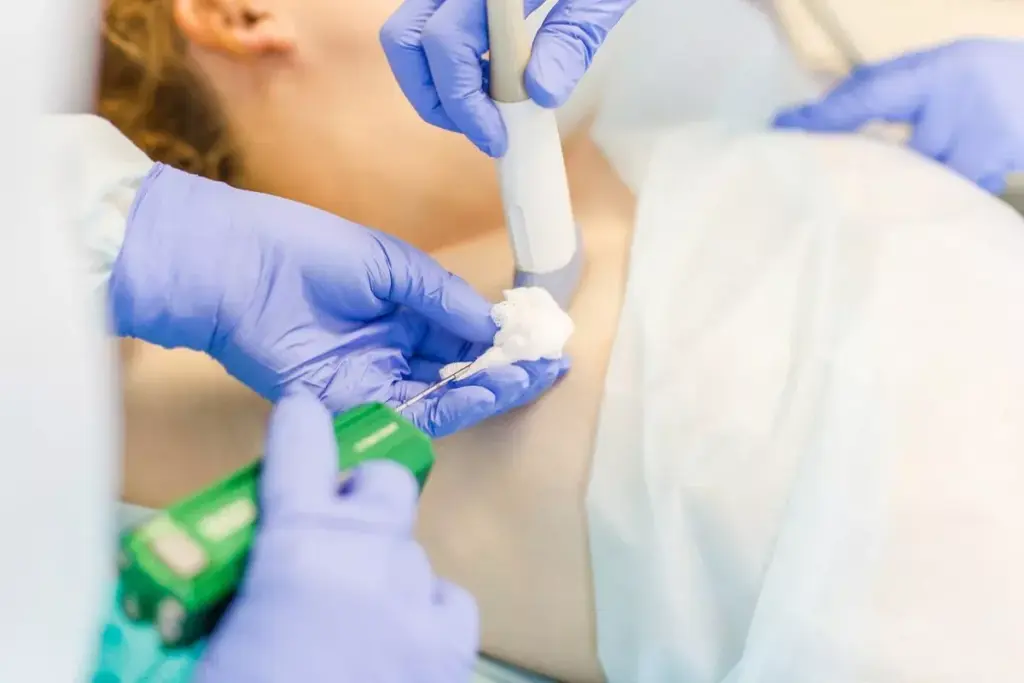
If a biopsy is positive, it means cancer cells were found in the tissue. For example, a breast biopsy can show if you have breast cancer. This news can be scary, but knowing what to expect helps a lot.
Understanding the biopsying meaning is essential for care. Discover amazing and powerful ways that biopsying meaning helps you stay healthy.
Getting a positive biopsy result can change your life. A biopsy is when doctors take a tissue sample to check for disease, like cancer. Nearly 1 in 8 women will develop breast cancer in their lifetime. So, it’s key to know what a positive biopsy means.
In this article, we’ll dive into what a biopsy means for breast cancer diagnosis. We’ll cover the process and what a positive result means for patients.
Key Takeaways
- A positive biopsy result means cancer cells were found in the tissue.
- Breast biopsy is a key tool for diagnosing breast cancer.
- Knowing the biopsy process helps patients prepare for diagnosis and treatment.
- A positive biopsy result helps decide on further treatment.
- Getting a positive biopsy result can be emotionally tough, and support is vital.
Understanding Biopsies: Definition and Purpose
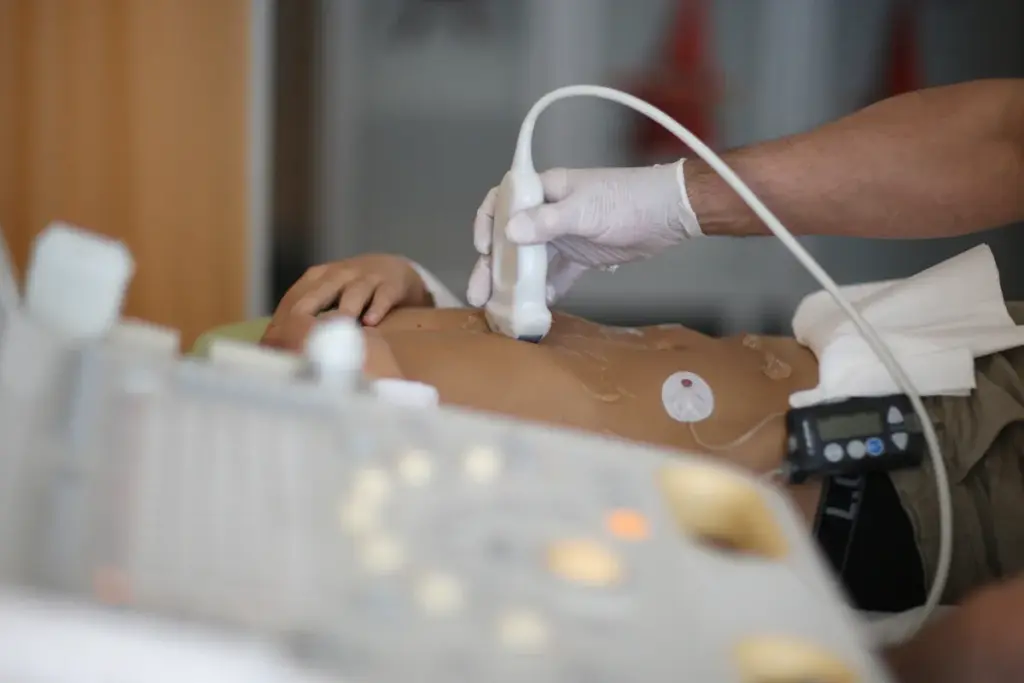
A biopsy is a medical test that takes a tissue sample from the body. It’s key for finding diseases like cancer. Doctors use this sample to make accurate diagnoses and treatment plans.
What is a biopsy?
A biopsy takes a small tissue or cell sample from the body. It’s checked under a microscope for abnormal cells. Biopsies can be done on many body parts, like the breast, skin, and organs inside.
There are different ways to do a biopsy. For example, a needle biopsy uses a needle, while a surgical biopsy takes a bigger sample.
Why are biopsies performed?
Biopsies are done for many reasons. They help find diseases like cancer, infections, and inflammation. Doctors look at the sample to see if a disease is present and how far it has spread.
They also check if treatments are working and if a disease comes back. For instance, in breast cancer, biopsies help see if the cancer has spread or is in one place.
Common conditions requiring biopsies
Biopsies are used to diagnose many conditions, including:
- Cancer (such as breast, skin, or lung cancer)
- Infections (bacterial, viral, or fungal)
- Inflammatory diseases (such as arthritis)
- Other abnormal cell growths or lesions
Knowing about biopsies can make patients feel less worried. They help doctors give the right treatment by making a clear diagnosis.
Types of Biopsy Procedures
There are many types of biopsy procedures, each with its own benefits and uses. We use them to find out if you have breast cancer or other health issues.
Needle Biopsies
Needle biopsies are small and don’t hurt much. They use a thin needle to take out tissue or fluid. There are two main kinds: fine-needle aspiration and core needle biopsy.
- Fine-needle aspiration biopsy uses a thin needle to get cells from the area in question. It’s good for lumps close to the skin’s surface.
- Core needle biopsy uses a bigger needle to take out small tissue samples. This gives more tissue for doctors to study, helping them make a better diagnosis.
Surgical Biopsies
Surgical biopsies are more involved and remove tissue from the body. There are two main types: excisional and incisional biopsies.
- Excisional biopsy takes out the whole suspicious area and some extra tissue. It’s used for small lumps.
- Incisional biopsy only takes out a part of the suspicious tissue. This is done when the area is too big to remove all at once or would be too disfiguring.
Endoscopic Biopsies
Endoscopic biopsies use a flexible tube with a camera and tools to look inside the body. They’re great for checking the digestive and respiratory tracts and other internal organs.
Image-Guided Biopsies
Image-guided biopsies use scans like ultrasound, mammography, MRI, or CT to find the right spot. This makes sure the tissue sample is accurate.
- Ultrasound-guided biopsy uses sound waves to see the area and guide the needle.
- Stereotactic biopsy uses mammography to find the area and guide the needle.
- MRI-guided biopsy uses magnetic resonance imaging to target the tissue.
Each biopsy procedure is important for diagnosing breast cancer and other conditions. The right procedure depends on the area’s location, size, and the patient’s health.
The Biopsying Meaning: Interpreting Results
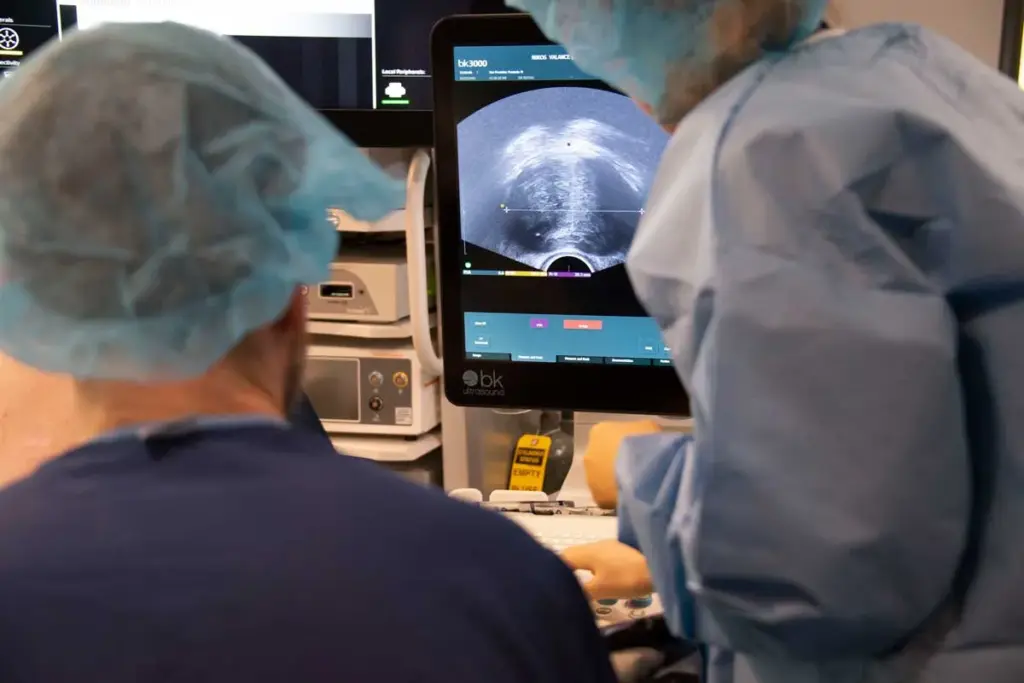
Biopsy results are key to knowing the health of the tissue taken. Doctors use them to figure out what’s wrong and how to fix it. The tissue sample goes to a lab for a close look.
What Pathologists Look for in Tissue Samples
Pathologists use a microscope to check tissue samples for oddities. They search for cell changes, growth patterns, and other signs of disease. They use special dyes to make these features stand out.
Key factors pathologists examine include:
- Cellular morphology and arrangement
- Presence of abnormal cell growth or tumors
- Invasion of cells into surrounding tissues
- Presence of specific cellular markers or proteins
Cellular Abnormalities and Markers
Abnormalities in cells can be small or serious. Pathologists look at cell size, shape, and how they’re arranged. They also check for certain proteins that tell them more about the condition.
In breast cancer biopsies, they check for estrogen receptors (ER), progesterone receptors (PR), and HER2 status. These markers help figure out the cancer type and treatment options.
The Pathology Report Explained
A pathology report details what the biopsy found. It talks about the tissue, the microscopic look, and the diagnosis. It’s important for patients and doctors to understand this report.
|
Section of the Report |
Description |
|---|---|
|
Patient Information |
Confirms the patient’s identity and relevant clinical history |
|
Tissue Description |
Details the type and amount of tissue received for examination |
|
Microscopic Examination |
Describes the findings from examining the tissue under a microscope |
|
Diagnosis |
Provides the final diagnosis based on the biopsy findings |
Understanding a pathology report helps patients know their diagnosis and treatment options. It’s important to talk to a healthcare provider about any questions or worries.
What Does a Positive Biopsy Result Mean?
Understanding the implications of a positive biopsy result is crucial for patients, as it indicates the presence of abnormal cells or cancer in the tissue. This is a critical step in understanding your diagnosis and treatment options.
Definition of a Positive Result
A positive biopsy result means the test found disease, usually cancer, in the tissue. A pathologist looks at the tissue under a microscope for any odd cells.
Types of Positive Findings
There are two main types of positive biopsy findings: malignant and benign. Malignant findings mean cancerous cells are present. Benign findings are non-cancerous but might need medical care.
Here’s a table to show the difference:
|
Type of Finding |
Description |
Implications |
|---|---|---|
|
Malignant |
Cancerous cells identified |
Requires cancer treatment |
|
Benign |
Non-cancerous abnormal cells |
May require monitoring or treatment |
Grading and Staging in Positive Results
For malignant findings, the biopsy will give details on the grade and stage of the cancer. The grade shows how much the cancer cells look like normal cells. The stage tells how far the cancer has spread.
Knowing the grade and stage is vital for planning your treatment and understanding your prognosis.
Interpreting the Language in Your Results
Biopsy results can be hard to understand. It’s important to talk to your healthcare provider about them. They can explain what the diagnosis means and what to do next.
Getting a positive biopsy result can be tough. But understanding your diagnosis is the first step to making informed decisions about your care. We’re here to support you, providing guidance and compassion every step of the way.
Breast Cancer Biopsy: Special Considerations
Biopsies are key in diagnosing breast cancer. They help find and understand cancer cells. Knowing about breast biopsies can make the process less scary.
Types of Breast Biopsies
There are many types of breast biopsies. Each has its own use and benefits. Here are a few:
- Stereotactic Biopsy: Uses mammography to guide the needle.
- Ultrasound-Guided Biopsy: Uses ultrasound to find the right spot.
- MRI-Guided Biopsy: Uses MRI to locate the area for biopsy.
Doctors pick the best method based on the breast issue.
Understanding Breast Biopsy Results
Reading breast biopsy results can be tricky. The report will say if the sample is cancerous or not. It might also show abnormal cell growth.
Talking to your doctor about the results is very important. They can explain what it means and what to do next.
Breast Cancer Markers and Receptors
Biopsies test for special markers and receptors. These include estrogen receptor (ER), progesterone receptor (PR), and HER2. Knowing these can help decide treatment.
|
Marker/Receptor |
Description |
Implication |
|---|---|---|
|
ER Positive |
Cancer cells have estrogen receptors |
May respond to hormone therapy |
|
PR Positive |
Cancer cells have progesterone receptors |
May respond to hormone therapy |
|
HER2 Positive |
Cancer cells have too much HER2 protein |
May benefit from targeted therapy |
Ductal Carcinoma In Situ (DCIS) vs. Invasive Carcinoma
Biopsy results can show if it’s DCIS or invasive carcinoma. DCIS is when abnormal cells stay in the milk ducts. Invasive carcinoma means cancer cells spread to other parts of the breast.
The Timeline: How Long Does It Take to Get Biopsy Results?
Knowing how long it takes to get biopsy results is key. It helps manage patient anxiety and expectations. The waiting period can be tough, but knowing what to expect can ease some stress.
Processing Times for Different Biopsy Types
The time to get biopsy results varies by biopsy type.
- Needle Biopsies: Results usually come in 2 to 5 days. This is because they need less processing.
- Surgical Biopsies: These take longer, often 7 to 10 days. This is because they involve more complex processing of larger samples.
- Specialized Biopsies: Some biopsies, like those for hormone receptor status in breast cancer, can take up to 2 weeks.
Factors Affecting Result Timeframes
Several things can affect how long it takes to get biopsy results. These include:
|
Factor |
Description |
Impact on Timeline |
|---|---|---|
|
Laboratory Workload |
The volume of samples being processed. |
Higher workload can delay results. |
|
Test Complexity |
The type and number of tests required on the biopsy sample. |
More complex tests require more time. |
|
Sample Quality |
The condition and quality of the biopsy sample. |
Poor quality samples may need to be re-taken, delaying results. |
Managing Anxiety While Waiting for Results
Waiting for biopsy results can be stressful. Here are ways to manage that anxiety:
- Stay Informed: Ask your healthcare provider about the expected timeframe for your results and what you can expect during that time.
- Stay Occupied: Engage in activities that you enjoy or that require your full attention to help pass the time.
- Seek Support: Talk to friends, family, or a support group about your feelings and concerns.
Understanding the process and timeline for biopsy results helps patients prepare. It tells them when to expect their results.
False Positives and False Negatives in Biopsies
Biopsy results are usually reliable but can be wrong sometimes. This is due to false positives and false negatives. It’s important for patients and doctors to know about these errors to make good choices.
Understanding Diagnostic Accuracy Rates
Biopsy results are mostly accurate but not always. How accurate they are depends on several things. These include the type of biopsy, who does it, and where it’s checked.
We will look at what affects how accurate biopsies are. And what it means for patients.
- The type of biopsy performed (e.g., needle biopsy vs. surgical biopsy)
- The expertise of the healthcare provider performing the biopsy
- The quality of the laboratory processing the biopsy sample
Causes of False Results
False positives and false negatives can happen for many reasons. False positives mean a biopsy says there’s cancer when there isn’t. False negatives mean it misses cancer when it’s there.
Reasons for these errors include:
- Sampling errors during the biopsy procedure
- Laboratory errors in processing or interpreting the sample
- The limitations of the biopsy technique itself
If Breast Biopsy is Negative, Can It Be Cancer?
A negative breast biopsy usually means good news, but it’s not a complete guarantee. Sometimes, cancer can be missed, like if the sample isn’t from the right area.
We talk about when a negative result might not be enough. And what to do next.
When Additional Testing is Recommended
If the biopsy result doesn’t match other tests, or if symptoms keep coming back, more tests might be needed. This could be more imaging, another biopsy, or other tests to confirm the first results.
Knowing when more tests are needed helps patients prepare for their diagnosis journey.
What Happens After a Positive Breast Biopsy?
When a biopsy shows breast cancer, it’s just the start. A detailed plan is made to treat the cancer. This plan is made just for you.
Initial Consultations with Specialists
After a positive biopsy, you’ll meet many specialists. They’ll talk about your diagnosis and treatment options. You’ll see oncologists, surgeons, and others who know a lot about breast cancer.
Additional Testing and Imaging
More tests and scans are needed to know more about the cancer. You might have more mammograms, ultrasounds, MRIs, or PET scans. These help figure out how far the cancer has spread and how fast it’s growing.
Multidisciplinary Tumor Board Reviews
At many hospitals, a team reviews your case. This team includes experts from different fields. They talk about your case, look at your test results, and decide on the best treatment for you.
Treatment Planning Process
Your treatment plan is made just for you. It depends on the cancer type, stage, and your health. You might have surgery, chemotherapy, or radiation. Your team will explain why they chose this plan and what you might feel during treatment.
|
Treatment Option |
Description |
Considerations |
|---|---|---|
|
Surgery |
Removal of the tumor and affected tissue |
Type of surgery (lumpectomy vs. mastectomy), reconstruction options |
|
Chemotherapy |
Use of drugs to kill cancer cells |
Timing (before or after surgery), possible side effects |
|
Radiation Therapy |
High-energy rays to target cancer cells |
How long treatment lasts, possible side effects |
Knowing what happens after a positive biopsy can help you feel ready. Working with your healthcare team, you can understand and face your cancer journey with confidence.
Treatment Options Following a Positive Biopsy
Knowing the treatment options after a positive biopsy is key for patients. A positive biopsy confirms breast cancer and gives details about the cancer type. This information helps plan the treatment.
Surgery Options
Surgery is often the first step in treating breast cancer. There are two main surgeries: lumpectomy and mastectomy. A lumpectomy removes the tumor and some tissue around it. A mastectomy removes one or both breasts.
The choice depends on the tumor’s size, location, and the patient’s preference.
Radiation Therapy Approaches
Radiation therapy is used after surgery to kill any remaining cancer cells. There are two main types: external beam radiation therapy (EBRT) and brachytherapy. EBRT uses radiation from outside the body. Brachytherapy places radioactive material in the breast tissue.
Chemotherapy Protocols
Chemotherapy uses drugs to kill cancer cells. The treatment depends on the cancer type and the patient’s health. It can be given before or after surgery.
Targeted Therapies Based on Biopsy Markers
Targeted therapies target specific cancer cell characteristics. For example, HER2-positive cancers are treated with therapies targeting the HER2 protein. Hormone receptor-positive cancers are treated with hormone therapy. The biopsy results help choose the right therapy.
As the American Cancer Society notes, “Understanding the tumor’s molecular characteristics is vital for effective treatment.” The biopsy information is key in making treatment decisions, ensuring patients get the best care.
Coping with a Positive Biopsy Result
Getting a positive biopsy result can be tough and emotional. It’s a lot to take in, but knowing what to do next and having support can really help.
Normal Emotional Responses to Diagnosis
A positive biopsy diagnosis can make you feel shocked, scared, and unsure about the future. It’s okay to feel overwhelmed and not know what’s next. These feelings are part of the process of coping.
“It’s normal to feel like your world has been turned upside down,” saysa breast cancer specialist. “But with the right support and guidance, patients can navigate this challenging time.”
Building a Support System
Having a strong support system is key when dealing with a positive biopsy result. This can include family, friends, support groups, and healthcare professionals. We encourage patients to reach out to those around them for emotional support and practical help.
- Join a support group to connect with others who are going through similar experiences.
- Talk to family and friends about your feelings and needs.
- Seek professional counseling to manage emotional distress.
Effective Communication with Healthcare Providers
Talking clearly with healthcare providers is important for understanding your diagnosis, treatment options, and what to expect. We recommend that patients:
- Prepare a list of questions before appointments.
- Bring a companion to appointments for support and to take notes.
- Seek a second opinion if there’s any uncertainty about the diagnosis or treatment plan.
Effective communication can significantly reduce anxiety and improve the overall care experience.
Mental Health Resources and Counseling Options
Managing the emotional impact of a positive biopsy result is as important as addressing the physical aspects. We offer various mental health resources and counseling options to support patients through this journey.
“Mental health support is a critical component of cancer care. It helps patients cope with the emotional and psychological challenges of their diagnosis and treatment.”
Oncologist
By providing complete support, including emotional and psychological care, we help patients face the challenges of a positive biopsy result with more confidence and resilience.
Seeking a Second Opinion After a Positive Biopsy
After getting a positive biopsy result, patients might wonder if they should get a second opinion. This choice is key to getting the right diagnosis and treatment. A second opinion can offer more insights and confidence in your healthcare choices.
When to Consider a Second Opinion
There are times when getting a second opinion is a good idea. These include:
- Unclear or ambiguous diagnosis: If the biopsy results are unclear, a second opinion can help clarify things.
- Rare or complex conditions: For rare or complex cancers, a specialist’s opinion is very valuable.
- Treatment options: If you’re unsure about treatment, a second opinion can offer different views.
- Personal peace of mind: Sometimes, patients just want to make sure they’ve looked at all options.
How to Request Pathology Review
Here’s how to ask for a pathology review:
- Get your biopsy slides and reports from your doctor.
- Find a specialist or pathology department to review your case.
- Make sure the pathologist has all the necessary information and previous results.
- Talk to your doctor about costs and insurance for the review.
Selecting Specialists for Consultation
Choosing the right specialist is important. Consider these factors:
- Expertise: Look for specialists with experience in your condition or cancer type.
- Reputation: Research the specialist’s reputation through reviews and recommendations.
- Communication: Choose someone you feel comfortable talking to about your condition and treatment.
Insurance Considerations for Second Opinions
It’s important to understand your insurance for second opinions. Here are some key points:
|
Insurance Aspect |
Description |
|---|---|
|
Coverage |
Check if your insurance covers second opinions and any specific requirements or limitations. |
|
Out-of-Pocket Costs |
Find out any costs you might have to pay for a second opinion, like copays or deductibles. |
|
Pre-Approval |
See if you need pre-approval from your insurance before getting a second opinion. |
Getting a second opinion after a positive biopsy is a proactive step in your care. By knowing when to seek a second opinion, how to request a review, choosing the right specialists, and understanding insurance, you can make informed decisions about your health.
Advances in Biopsy Technology and Interpretation
Biopsy technology and interpretation are changing how we diagnose and treat diseases. New innovations are making diagnoses more accurate and patient care better. They also make clinical workflows smoother.
Molecular and Genomic Testing
Molecular and genomic testing are key in reading biopsy samples. These methods look at genetic changes to help decide treatments. Next-generation sequencing (NGS) is a technology that quickly checks many genes at once. It gives deep insights into tumor biology.
This knowledge lets doctors tailor treatments to match a patient’s unique genetic profile. It’s a big step towards personalized medicine.
Liquid Biopsies and Circulating Tumor DNA
Liquid biopsies are a big leap in biopsy tech. They’re a non-invasive way to check the blood for tumor DNA. This gives clues about the tumor’s genetics and how it’s growing.
They’re great for tracking how well treatments are working and finding out if a tumor is resistant. This helps doctors adjust treatments quickly.
AI and Computer-Assisted Diagnosis
Artificial intelligence (AI) and machine learning are changing pathology. AI helps pathologists read biopsy samples better and faster. It spots things humans might miss.
These tools could make diagnoses more consistent and free up pathologists to focus on complex cases and patient care.
Personalized Medicine Approaches Based on Biopsy Findings
Biopsy results are guiding personalized medicine more and more. By looking at a tumor’s molecular makeup, doctors can choose the best treatments for each patient.
This approach is leading to better patient outcomes and quality of life. It’s a big change towards more precise and effective cancer care.
Conclusion
A biopsy is a key tool for finding cancer, like breast cancer. Knowing what a biopsy is and what it means is important for patients. It helps them understand their diagnosis and treatment. A breast biopsy gives important info about breast abnormalities. It’s not just the procedure but also the tissue analysis and diagnosis. This is what makes it so meaningful. Getting a positive biopsy result can be scary. But, it doesn’t always mean cancer has spread. Knowing if it’s malignant or benign is key to the right treatment. New biopsy technologies, like molecular testing, have made diagnoses better. They help tailor treatments to each patient. As we learn more about breast cancer, biopsies will keep being a vital part of treatment plans.
FAQ
What is a biopsy?
A biopsy is a medical test. It removes a small piece of tissue or cells for a microscope check. This helps diagnose diseases, like cancer.
How long does it take to get biopsy results?
The time for biopsy results varies. It depends on the biopsy type and lab processing. Results can take a few days to a week or more.
What does a positive biopsy result mean?
A positive result means abnormal cells, like cancer, were found. It doesn’t always mean it’s serious. Some findings are not dangerous or are early signs of cancer.
What are the different types of breast biopsies?
There are several breast biopsies. Stereotactic, ultrasound-guided, and MRI-guided biopsies use different technologies. They guide the biopsy needle.
Can a negative breast biopsy result indicate cancer?
Yes, a negative result can be wrong. It might miss cancer. If symptoms don’t go away, more tests might be needed.
What happens after a positive breast biopsy result?
After a positive result, patients see specialists. They get more tests and imaging. A team reviews the case to plan treatment.
What are the treatment options following a positive biopsy?
Treatment options include surgery, radiation, and chemotherapy. The choice depends on cancer type, stage, and biomarkers.
How can I manage anxiety while waiting for biopsy results?
To manage anxiety, talk to loved ones and practice relaxation. Knowing about the biopsy process helps too.
When should I consider seeking a second opinion after a positive biopsy?
Get a second opinion if you’re unsure about your diagnosis or treatment. It’s also good to confirm your biopsy findings.
What are the latest advancements in biopsy technology and interpretation?
New advancements include molecular testing and AI diagnosis. These improve accuracy and help tailor treatments.
What is the difference between ductal carcinoma in situ (DCIS) and invasive carcinoma?
DCIS is non-invasive, with cancer in milk ducts. Invasive carcinoma spreads beyond ducts into breast tissue.
How are breast cancer markers and receptors important in biopsy results?
Markers and receptors like ER and HER2 are key. They help choose treatments and predict how well they’ll work.
National Institute of Health https://www.ncbi.nlm.nih.gov/books/NBK348942/