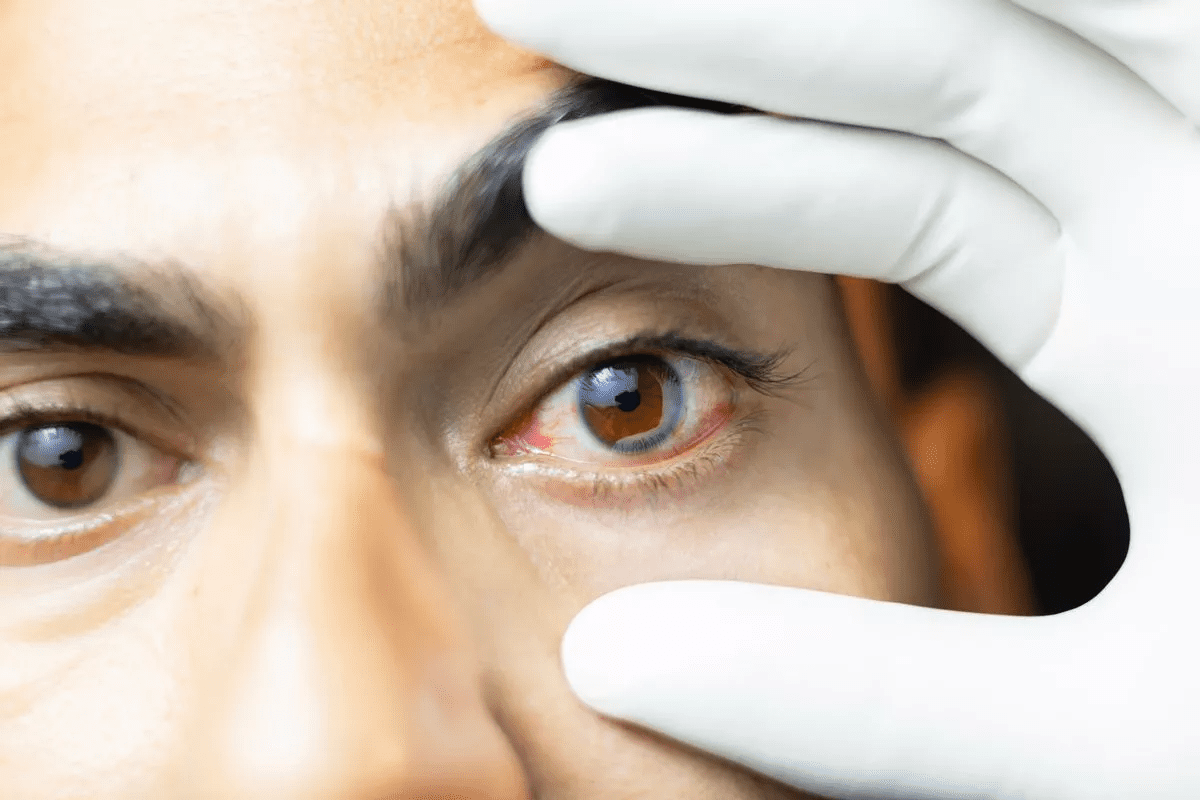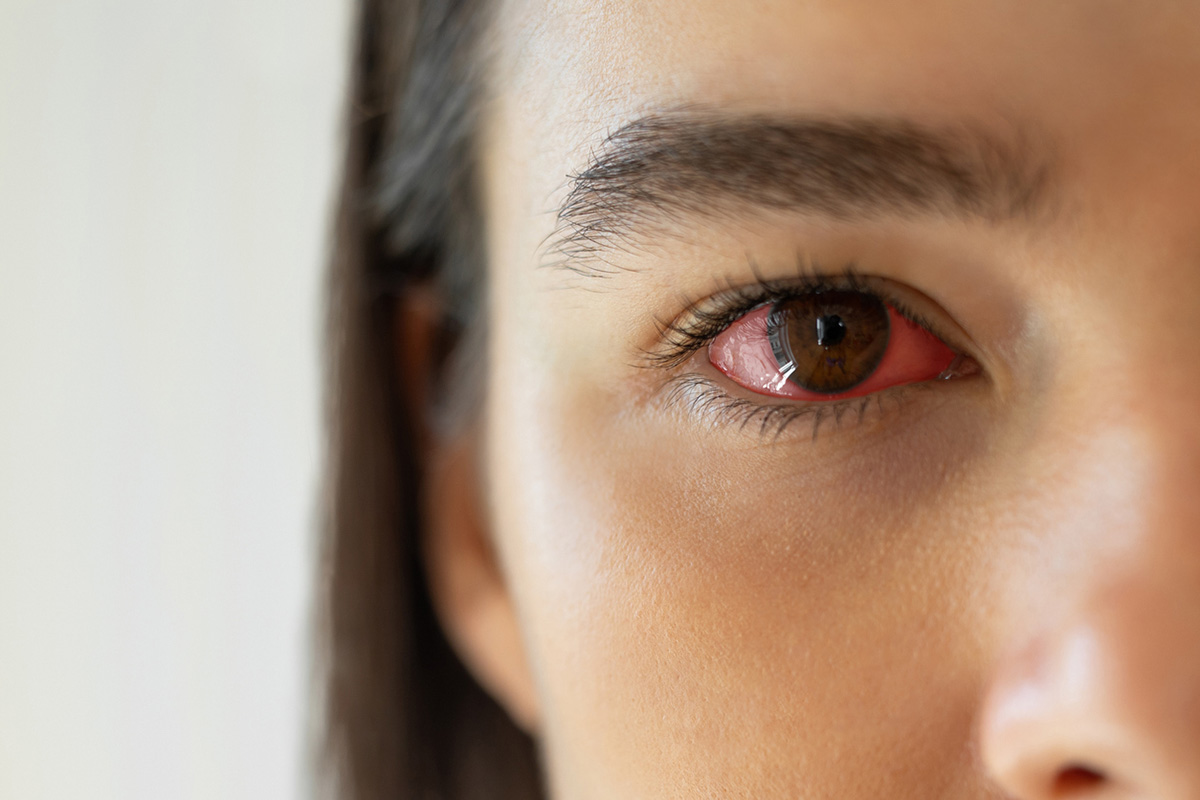
Have you ever noticed dark veins in your eyes and wondered why? At Liv Hospital, we know visible veins can worry many people. Seeing a black vein in eye? This guide explains the causes of dark or prominent veins and when you should be concerned.
Many things, like aging and genetics, can make veins more visible. Even though they might look bad, they’re usually not a big deal. Our skilled ophthalmologists use the latest tools and care for you to check and fix vein issues. This way, we make sure your eyes stay healthy and you feel good.
Key Takeaways
- Visible veins in the eyes can be caused by multiple factors.
- Aging and genetics play a significant role in the appearance of dark veins.
- While visible veins can be a concern, they are often not a serious health issue.
- Advanced diagnostic care is available to address concerns about eye veins.
- Liv Hospital provides comprehensive care for vision health.
Understanding Eye Anatomy and Vasculature
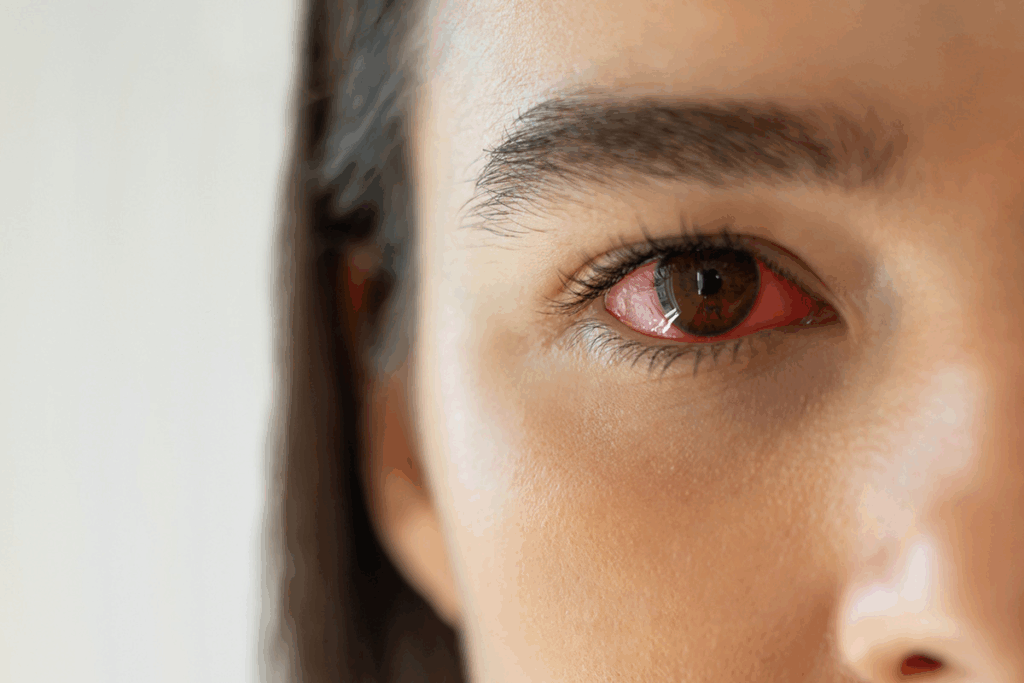
To understand black veins in the eyes, we must first know the eye’s blood vessel structure. The eye is a complex organ with a rich network of blood vessels. These vessels supply it with oxygen and nutrients.
Normal Blood Vessel Structure in the Eye
The eye has different types of blood vessels, like arteries, veins, and capillaries. Veins in the eye drain deoxygenated blood away from the eye. The scleral veins, visible on the eye’s surface, are part of this network.
How Eye Veins Function
Eye veins carry deoxygenated blood back to the heart, just like veins in other parts of the body. The visibility of these veins can change due to several factors. These include the thickness of the skin around the eyes and the blood flow through them.
- The periorbital vein network plays a key role in draining blood from the face and eyes.
- Factors like aging, genetics, and lifestyle can affect how visible these veins are.
Periorbital Vein Network
The periorbital vein network surrounds the eye and drains blood from the face and eyes. This network is important in understanding why veins may become more visible under or around the eyes.
“The periorbital vein network is a complex system that can be affected by various factors, including age and genetics.”
Knowing about this network helps us understand why some people have more visible veins near their eyes.
What Causes a Black Vein in Eye?
Black veins in the eyes can come from many reasons, both normal and not so normal. To understand these causes, we need to look at the eye’s anatomy and what makes veins visible.
Normal Vascular Visibility vs. Abnormal Appearance
Seeing black veins in the eyes is often just a normal part of being human. Our eyes have lots of blood vessels. How visible these veins are can change based on our skin color, the light around us, and the eye’s structure.
But sometimes, black veins can mean there’s a health issue that needs a doctor’s help. For example, diabetic retinopathy can harm the blood vessels in the retina, leading to vision problems.
Common Physiological Explanations
Several reasons can make veins in the eyes look black. These include:
- Increased blood flow or oxygenation changes
- Thinning of the skin around the eyes
- Genetic predispositions affecting vascular visibility
These factors can make veins stand out more, making them look darker.
Blood Flow and Oxygenation Effects
Blood flow and oxygen levels can really change how veins look in the eyes. For example, if blood flow or oxygen delivery is off, veins might look darker or more noticeable.
Condition | Effect on Veins |
Increased Blood Flow | Veins may appear more prominent |
Diabetic Retinopathy | Potential for vision problems due to vascular damage |
Oxygenation Changes | Can cause veins to appear darker |
Knowing about these factors helps figure out if black veins are just normal or a sign of something more serious.
Types of Black Veins in Different Eye Areas
Black veins in the eyes can be caused by many things. We’ll look at the different types and what makes them appear. It’s important to know why they happen and what they mean.
Scleral Veins (White of the Eye)
Scleral veins are on the white part of the eye. They can show up because of aging and increased pressure. Sometimes, they’re linked to eye surface problems.
Periorbital Veins (Around the Eye)
Periorbital veins are around the eye. They can be affected by genetics, aging, and lifestyle. People with thinner skin or high pressure may see them more.
Retinal Veins (Inside the Eye)
Retinal veins are inside the eye. They’re key to the eye’s blood flow. Problems with them can affect vision and eye health.
Knowing about black veins in and around the eyes helps us understand them better. This knowledge is key for diagnosing and treating eye issues.
Age-Related Changes to Eye Vasculature
As we get older, the skin around our eyes gets thinner. This makes veins more visible. Many people worry about dark under-eye veins.
How Aging Affects Eye Blood Vessels
Aging changes blood vessels in and around the eyes. The walls of these vessels become less flexible and more prone to damage. This makes veins more noticeable.
Also, less collagen and elastin production with age makes skin thinner. This is very noticeable under the eyes.
Thinning Skin and Increased Vein Visibility
The skin under the eyes is already thin. As we age, it gets even thinner. This makes veins more visible.
Key factors contributing to increased vein visibility include:
- Reduced skin thickness
- Loss of collagen and elastin
- Decreased fat under the eyes
Natural Progression of Vascular Changes
The appearance of black veins under the eyes due to aging is natural. As we age, our vascular system changes. Veins can become more visible because of this.
Understanding these changes helps us deal with dark under-eye veins. While some changes are unavoidable, we can take steps to minimize their impact.
“Aging is a complex process that affects not just the skin but also the underlying structures, including blood vessels.”
By acknowledging the role of aging in vascular changes, we can find ways to address dark under-eye veins. This promotes overall eye health.
Genetic Factors Influencing Vein Appearance
Genetics play a big role in how veins look in our eyes. Our genes decide how visible veins are. This is why some people have more noticeable veins.
Hereditary Traits and Vascular Visibility
Hereditary traits greatly affect vein visibility in the eyes. If your parents have visible veins, you might too. This is because genes control blood vessel structure and visibility.
Research shows that inherited traits can make veins more visible.
“Vein visibility often runs in families,” says an ophthalmology expert. This means some people notice veins early in life.
Skin Tone and Translucency Effects
Skin tone and how transparent it is also come from genes. People with pale or translucent skin may see veins sooner. This is because they have less melanin, making their skin clearer.
Genetic Conditions Affecting Eye Vasculature
Some genetic conditions can change how veins look in the eyes. For example, conditions that harm blood vessels can make veins more visible. People with a family history of these conditions should watch their eye health closely.
Knowing about genetic factors in vein appearance helps us appreciate our unique eyes. While some differences are normal, knowing about possible conditions can lead to important medical visits.
Environmental and Lifestyle Influences
Our daily habits and the environment around us affect the veins under our eyes. Different factors can make these veins more visible or noticeable.
Sun Exposure Impact on Eye Veins
Too much sun can weaken blood vessel walls, making veins more visible. UV rays damage the skin, causing it to thin around the eyes. Protecting your skin from the sun with sunglasses and sunscreen helps.
Smoking and Other Habits Affecting Vascular Health
Smoking harms blood vessels, including those near the eyes. It damages the inner lining, making vessels more prone to blockages. Quitting smoking can greatly improve vascular health and reduce dark vein appearance.
Sleep Deprivation and Stress Effects
Not getting enough sleep and stress can widen blood vessels, making them more visible. Getting adequate sleep and managing stress can help.
Hydration and Nutrition Factors
Drinking enough water is key for skin health and elasticity, affecting vein visibility. Eating foods rich in vitamins and minerals, like vitamin K and flavonoids, supports vascular health. Drinking enough water and eating a balanced diet are simple ways to support skin and vascular health.
Black Veins Under and Around Eyes
Seeing black veins under and around the eyes can worry many. It’s not just about looks; knowing the causes and types is key to handling it right.
Dark Circles vs. Visible Veins
Many get dark circles and visible veins mixed up. Dark circles are even discoloration under the eyes, caused by sleep, allergies, or genes. Visible veins, on the other hand, are blood vessels that look blue or purple because of how light hits the skin and blood.
To tell them apart, look at these traits:
Characteristics | Dark Circles | Visible Veins |
Appearance | Uniform discoloration | Distinct, visible vessels |
Color | Dark or bluish | Blue or purple |
Causes | Sleep deprivation, allergies, genetics | Thin skin, vascular visibility, aging |
Tear Trough Anatomy and Vein Visibility
The tear trough area is key to understanding vein visibility under the eyes. This area has thin skin and a complex blood vessel network. As we age, the skin gets thinner, and fat pads that hide veins decrease, making veins more visible.
Differentiating Normal from Abnormal Appearances
Seeing veins under the eyes can be normal, but some signs might mean health issues. For example, prominent or bulging veins could signal high pressure or vascular problems. It’s important to watch for changes and see a doctor if they’re big or if you have other symptoms.
Knowing the difference between normal and abnormal vein appearances needs a full understanding. This includes looking at anatomical changes and health risks.
When Black Veins Indicate Medical Concerns
Black veins near the eyes can sometimes mean a serious health issue. It’s important to know when these veins might signal a problem.
Retinal Vein Occlusion and Its Prevalence
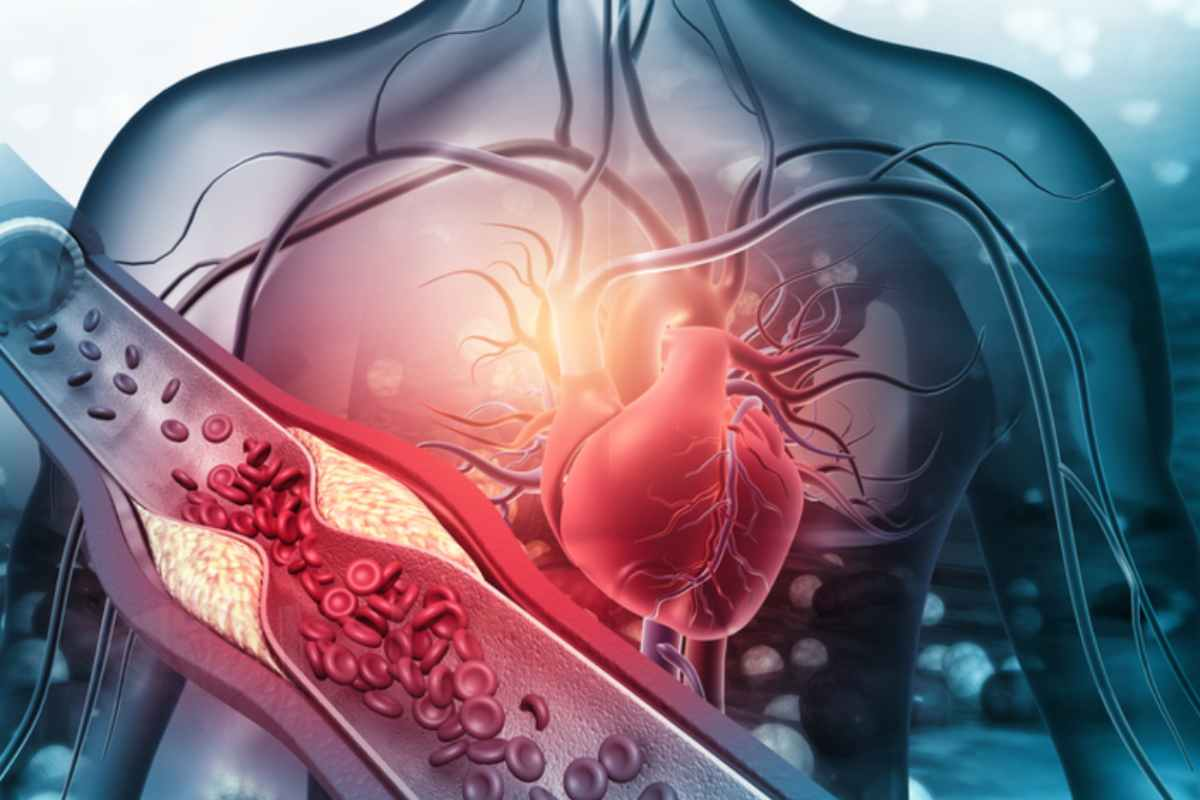
Retinal vein occlusion happens when veins in the retina get blocked. This can cause vision problems and even permanent blindness. The American Academy of Ophthalmology says it’s a big reason for vision loss in older adults.
Prevalence of Retinal Vein Occlusion: About 1 in 100 people over 40 get retinal vein occlusion. It’s more common in people with high blood pressure, diabetes, and other vascular diseases.
Condition | Prevalence | Risk Factors |
Retinal Vein Occlusion | 1 in 100 (over 40) | Hypertension, Diabetes, Vascular Diseases |
Other Vascular Disorders Affecting Eye Appearance
Other vascular disorders can also change the look of veins in and around the eyes. These include:
- Diabetic Retinopathy: Damage to the blood vessels in the retina due to diabetes.
- Hypertensive Retinopathy: Changes in the retinal blood vessels due to high blood pressure.
- Venous Tortuosity: Twisting or turning of the veins, which can be a sign of underlying vascular disease.
These conditions show why it’s important to watch for changes in vein appearance.
Warning Signs That Require Medical Attention
Knowing the warning signs for medical attention is key. These include:
- Sudden changes in vision or the appearance of floaters.
- Persistent or severe eye pain.
- Visible changes in the color or shape of the veins.
- Double vision or loss of peripheral vision.
“Early detection and treatment of retinal vein occlusion and other vascular disorders can significantly improve outcomes and prevent vision loss.”
American Academy of Ophthalmology
If you notice any of these symptoms, get medical help right away. Regular eye exams can also help catch these conditions early.
Diagnosis of Eye Vascular Conditions
Diagnosing eye vascular conditions requires a detailed approach. It helps understand the causes of black veins in the eyes. This is key to address concerns and identify health risks.
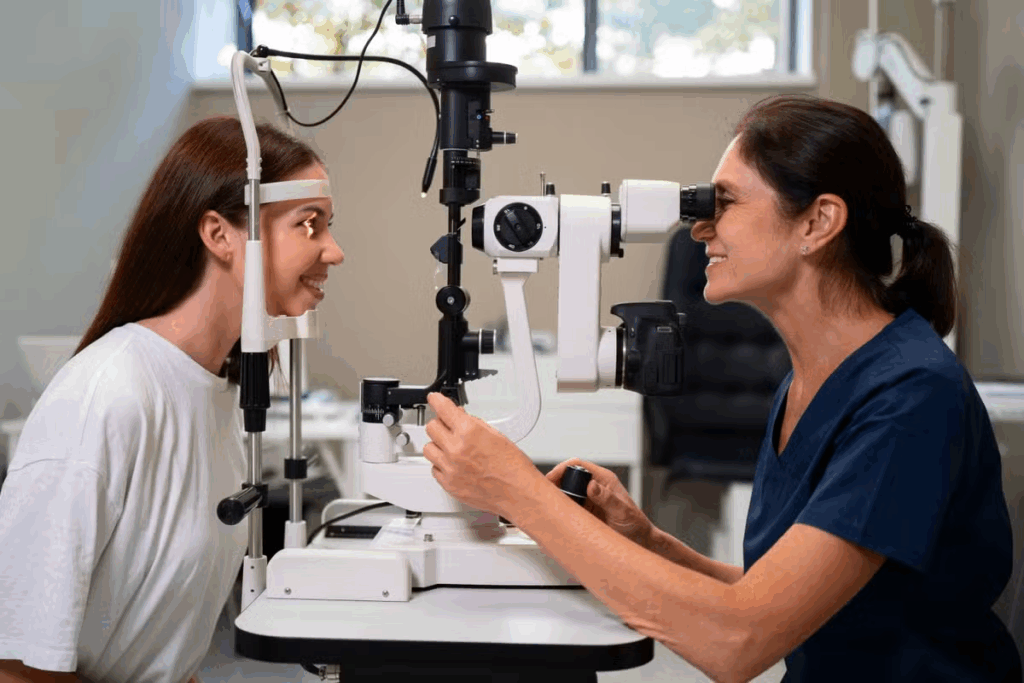
An eye exam is essential for diagnosing eye vascular conditions. An eye care professional will check your eye health. They look for signs of vascular issues or other conditions that might cause black veins.
What to Expect During an Eye Examination
Expect a detailed eye health check during an exam for vascular conditions. This includes:
- Reviewing your medical history for vascular risk factors.
- Testing your vision with a visual acuity test.
- Using a dilated eye exam to see inside your eyes clearly.
- Imaging tests like OCT to capture detailed eye images.
The American Academy of Ophthalmology stresses the importance of eye exams. They help detect and manage eye diseases, including vascular health issues.
“Regular eye exams are key for eye health. They help catch conditions early, when they’re easier to treat.”
American Academy of Ophthalmology
Diagnostic Tests for Vascular Issues
Several tests can evaluate eye vascular conditions. These include:
Test | Description | Purpose |
Optical Coherence Tomography (OCT) | A non-invasive imaging test that captures high-resolution images. | To check the retina for abnormalities, like diabetic retinopathy. |
Fluorescein Angiography | Uses a fluorescent dye to see blood vessels in the retina. | To spot vascular issues, like leakage or blockages. |
Fundus Photography | Takes detailed images of the retina and internal eye structures. | To monitor eye changes over time. |
Questions Your Doctor May Ask
Your doctor will ask questions during the exam. They want to understand your condition better. Questions might include:
- Have you noticed any vision changes or eye appearance changes?
- Is there a family history of eye diseases or vascular conditions?
- Have you had symptoms like eye pain, double vision, or light sensitivity?
By knowing your medical history and symptoms, your doctor can give a precise diagnosis. They can then create an effective treatment plan.
Treatment Options and Prevention Strategies
It’s important to know about treatments and ways to prevent black veins in the eyes. To manage these veins well, we need to use medical treatments, cosmetic solutions, and make lifestyle changes.
Medical Treatments for Vascular Conditions
Medical treatments are key for vascular conditions that cause black veins. YAG laser therapy is a good option for making periorbital veins less visible. This method uses laser technology to shrink the veins.
Other treatments include sclerotherapy, where a solution is injected into the vein, and sometimes surgery. The right treatment depends on the cause of the black veins and the person’s health.
Cosmetic Solutions for Visible Veins
Cosmetic solutions help manage visible veins. Cosmetic camouflage can hide veins temporarily. For lasting results, YAG laser therapy is a good choice.
Cosmetic treatments can greatly improve the look of the eye area. It’s important to talk to a professional to find the best cosmetic solution for you.
Lifestyle Modifications to Improve Vascular Health
Changing your lifestyle can help improve vascular health and reduce black veins. Eating a healthy diet, drinking plenty of water, and avoiding too much sun are key.
Regular exercise and enough sleep are also important. These changes help your vascular health and overall well-being.
Preventive Measures to Maintain Eye Health
Preventing vascular issues involves protective measures and regular eye exams. Wearing sunglasses with UV protection helps protect your eyes from the sun. Regular eye exams are also important for catching vascular conditions early.
- Maintain a balanced diet
- Stay hydrated
- Avoid smoking
- Limit alcohol consumption
- Get regular eye check-ups
By taking these preventive steps, you can lower your risk of vascular conditions in your eyes.
Conclusion: Living with and Managing Eye Vascular Changes
It’s key to understand and manage eye vascular changes for good eye health. Knowing the causes and treatments for black veins helps keep eyes healthy. This reduces the chance of serious problems.
Black veins can be a worry, but they can be handled with the right info and care. We’ve looked at what makes black veins appear, like age, genes, and the environment.
To handle eye vascular changes, a full plan is needed. This includes medical care, changing your lifestyle, and sometimes cosmetic fixes. These steps can make vascular health better and hide black veins.
Acting early to manage eye vascular changes keeps eyes healthy and lowers risk of issues. We suggest talking to doctors to find the best treatment for you.
FAQ
What are black veins in the eyes, and are they a cause for concern?
Black veins in the eyes are veins that look dark or stand out. They’re often not a big deal but can be caused by aging, genetics, and lifestyle. It’s good to know what they are.
Why do I see black veins under my eyes?
Black veins under the eyes can come from thin skin, poor blood flow, or lifestyle choices. Not getting enough sleep or being dehydrated can also play a part. Sometimes, they can signal a health issue.
Are dark veins around the eyes a sign of a medical condition?
Dark veins around the eyes might mean a health problem, like a blood vessel issue. But, they can also just be a natural change. It’s smart to talk to a doctor to figure out why.
How does aging affect the appearance of black veins in the eyes?
As we get older, the skin around our eyes gets thinner. This makes veins more visible. Age can also make blood vessels more noticeable, showing as black veins.
Can genetics play a role in the appearance of black veins in the eyes?
Yes, your genes can affect how visible veins are in your eyes. Your skin color, genetic traits, and conditions can all influence this.
What lifestyle changes can I make to reduce the appearance of black veins?
To make black veins less noticeable, try getting enough sleep and staying hydrated. Avoid smoking and protect your skin from the sun. Eating well is also good for your eyes.
What is retinal vein occlusion, and what are its symptoms?
Retinal vein occlusion is when veins in the retina block, causing vision loss. Symptoms include sudden vision loss, blurry vision, and eye pain.
How are eye vascular conditions diagnosed?
Doctors use eye exams, visual tests, and imaging like OCT to diagnose eye vascular issues. This helps them understand what’s going on.
What treatment options are available for vascular conditions affecting the eyes?
Treatments for eye vascular issues include medicine, cosmetic treatments like YAG laser, and improving your overall health. These can help manage symptoms.
Can black veins in the eyes be prevented?
Some causes of black veins are unavoidable. But, a healthy lifestyle, sun protection, and managing health conditions can help reduce their appearance.
When should I seek medical attention for black veins in my eyes?
If your vision changes suddenly, you have eye pain, or other symptoms, see a doctor. Also, if you’re worried about black veins, talking to a healthcare professional can help find the cause and suggest treatment.
References
National Center for Biotechnology Information. Evidence-Based Medical Guidance. Retrieved from https://www.ncbi.nlm.nih.gov/books/NBK551666/