
Bladder cancer is a significant health concern affecting thousands worldwide. Recognizing its symptoms is crucial for early detection and effective treatment. Early detection can significantly improve patient outcomes.
Bladder cancer symptoms treated by urologists. Get best treatment info. They remove dangerous tumors. Expert skills ensure amazing outcomes.
Understanding the signs and risks associated with bladder cancer is vital. Symptoms may not always be apparent in the early stages, but being aware of the potential risks can prompt individuals to seek medical attention if they experience any unusual changes. Consulting a urologist or oncologist is advisable, especially for those with a history of uro cancer.
Key Takeaways
- Bladder cancer symptoms can be subtle and may not appear until the later stages.
- Early detection is crucial for effective treatment and improved patient outcomes.
- Understanding the risks associated with bladder cancer can help in prevention.
- A consultation with a urologist or oncologist is recommended for those at risk.
- Being aware of the signs and symptoms can lead to timely medical intervention.
What is Bladder Cancer?
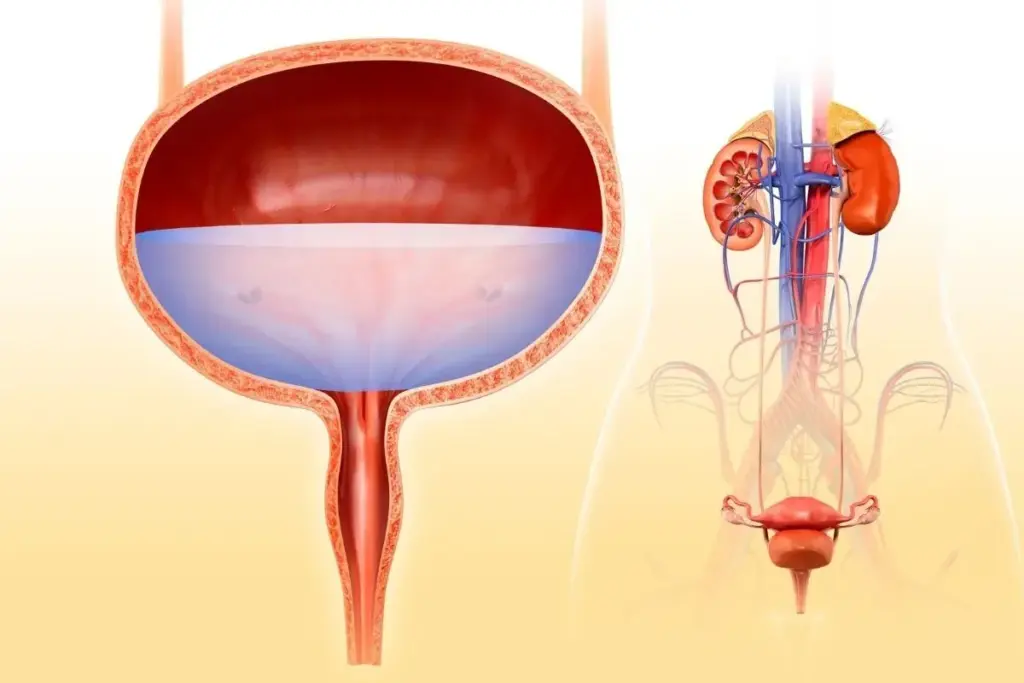
Bladder cancer, a type of urologic malignancy, requires a comprehensive understanding for optimal management. A diagnosis of bladder cancer can be daunting, but knowing the basics about the condition can empower patients to make informed decisions about their care.
Definition and Overview
Bladder cancer originates in the bladder, a hollow organ in the pelvis that stores urine. The cancer typically begins in the urothelial cells lining the inside of the bladder. Understanding the nature of bladder cancer is the first step towards managing the disease.
Types of Bladder Cancer
Bladder cancer is broadly classified into several types based on the cells affected and the nature of the malignancy. The most common type is urothelial carcinoma, also known as transitional cell carcinoma.
- Urothelial Carcinoma: This is the most common type, arising from the urothelial cells.
- Squamous Cell Carcinoma: Associated with chronic irritation or infection, this type is less common in developed countries.
- Adenocarcinoma: Originating from glandular cells, this is a rare form of bladder cancer.
A consultation with a urologic oncologist or uro oncologist is crucial for understanding the specific type and stage of bladder cancer. These specialists can provide insights into the most appropriate treatment options.
|
Type of Bladder Cancer |
Description |
Prevalence |
|---|---|---|
|
Urothelial Carcinoma |
Arises from the urothelial cells lining the bladder. |
Most common type, accounting for about 90% of cases. |
|
Squamous Cell Carcinoma |
Associated with chronic irritation or infection. |
Less common, more prevalent in certain regions. |
|
Adenocarcinoma |
Originates from glandular cells in the bladder. |
Rare, making up a small percentage of bladder cancer cases. |
Understanding the different types of bladder cancer and their characteristics is vital for patients and caregivers. A urologic oncologist can provide personalized guidance and support throughout the treatment process.
Common Symptoms of Bladder Cancer

Understanding the common signs of bladder cancer can significantly impact the outcome of the disease. If you’re experiencing any unusual urinary symptoms, it’s essential to consult a urologist or an urologist who can provide a proper diagnosis and recommend the necessary treatment.
Blood in Urine (Hematuria)
Blood in the urine, also known as hematuria, is one of the most common symptoms of bladder cancer. Hematuria can be visible to the naked eye or detected through laboratory tests. If you notice blood in your urine, it’s crucial to seek medical attention. A urology oncologist can help determine the cause of hematuria and develop an appropriate treatment plan.
- Hematuria can be caused by various factors, including bladder cancer, kidney stones, or infections.
- If you’re experiencing hematuria, your doctor may recommend imaging tests or a cystoscopy to determine the underlying cause.
- Visible hematuria can be a sign of advanced bladder cancer, so prompt medical evaluation is necessary.
Frequent Urination
Frequent urination is another symptom that may indicate bladder cancer. This can be due to the tumor’s location or size, which can irritate the bladder and cause a frequent need to urinate. If you’re experiencing frequent urination, especially if accompanied by other symptoms like hematuria, consult a healthcare professional. A uro onc specialist can help diagnose the underlying cause and recommend treatment.
- Frequent urination can be a sign of bladder cancer, but it can also be caused by other conditions like urinary tract infections or overactive bladder.
- A thorough medical evaluation, including urinalysis and imaging tests, can help determine the cause of frequent urination.
- If bladder cancer is diagnosed, treatment options may include surgery, chemotherapy, or radiation therapy.
Painful Urination
Painful urination, or dysuria, can be a symptom of bladder cancer, especially if the tumor is large or located near the urethra. Painful urination can also be caused by other conditions, such as urinary tract infections. If you’re experiencing painful urination, it’s essential to consult a healthcare professional for proper diagnosis and treatment. A specialist like a urology oncologist can help determine the best course of action.
- Painful urination can be a sign of advanced bladder cancer, so seeking medical attention is crucial.
- A thorough medical evaluation can help determine the cause of painful urination and recommend appropriate treatment.
- If bladder cancer is diagnosed, a multidisciplinary team of healthcare professionals, including a urologist and oncologist, can work together to develop a comprehensive treatment plan.
Other Possible Symptoms
In addition to the well-known symptoms, other possible signs of bladder cancer should be considered. While common symptoms are often discussed, there are additional indicators that may suggest the presence of bladder cancer. These include pelvic pain, urinary incontinence, and systemic symptoms like fatigue and weight loss.
Pelvic Pain
Pelvic pain is a symptom that can be associated with advanced bladder cancer. The pain may be persistent and can be felt in the pelvic area or lower abdomen. It’s essential to consult a urologist if you experience persistent pain, as they specialize in urinary tract issues, including bladder cancer.
The pain can result from the tumor’s growth, which can irritate the bladder walls and surrounding tissues. In some cases, pelvic pain may also be accompanied by other symptoms like hematuria or frequent urination.
Urinary Incontinence
Urinary incontinence, or the loss of bladder control, can be a symptom of bladder cancer, particularly if the tumor affects the bladder’s ability to store urine. This symptom can significantly impact a person’s quality of life, making it crucial to seek medical attention.
A urooncologist or a specialist in urologic oncology can provide insights into how bladder cancer may be causing urinary incontinence and discuss potential treatment options.
Fatigue and Weight Loss
Systemic symptoms like fatigue and weight loss can occur in advanced stages of bladder cancer. Fatigue refers to a persistent feeling of tiredness or lack of energy, which can interfere with daily activities. Weight loss, particularly if unexplained, can also be a sign of cancer progression.
These symptoms can be nonspecific, meaning they can be associated with various conditions. However, in the context of other urinary symptoms, they warrant further investigation by a healthcare professional.
|
Symptom |
Description |
Possible Indication |
|---|---|---|
|
Pelvic Pain |
Persistent pain in the pelvic area or lower abdomen |
Advanced bladder cancer |
|
Urinary Incontinence |
Loss of bladder control |
Tumor affecting bladder function |
|
Fatigue and Weight Loss |
Persistent tiredness and unexplained weight loss |
Advanced cancer stage |
Recognizing these additional symptoms is crucial for early detection and treatment. If you’re experiencing any of these signs, it’s essential to consult with a healthcare provider, such as a urologist or oncologist, who can provide a proper diagnosis and discuss treatment options.
Risk Factors for Bladder Cancer
The risk of developing bladder cancer is influenced by a combination of lifestyle factors, environmental exposures, and personal characteristics. Understanding these risk factors is crucial for prevention and early detection.
Smoking and Tobacco Use
Smoking is the most significant risk factor for bladder cancer, responsible for approximately half of all cases. Tobacco use introduces harmful chemicals into the body, which are then filtered through the kidneys and end up in the urine. These chemicals can damage the bladder lining, leading to cancerous changes. According to the American Cancer Society, smokers are 2-3 times more likely to develop bladder cancer than non-smokers. Quitting smoking can significantly reduce this risk over time.
A uro oncologist or onco urologist can provide guidance on how smoking cessation programs and regular screenings can help mitigate this risk.
Chemical Exposure
Exposure to certain chemicals in the workplace or environment also increases the risk of bladder cancer. Industries that involve the use of dyes, rubber, and certain chemicals have been linked to a higher incidence of bladder cancer. For example, workers in the dye industry exposed to benzidine and beta-naphthylamine are at a higher risk. Minimizing exposure through protective measures and adhering to safety guidelines can help reduce this risk.
- Wear protective gear when handling chemicals.
- Follow safety guidelines and regulations.
- Undergo regular health check-ups if working in high-risk industries.
Age and Gender
Age and gender are also significant risk factors for bladder cancer. The risk increases with age, with most cases diagnosed in people over 55. Men are more likely than women to develop bladder cancer, with men being 3-4 times more likely to be diagnosed with the disease.
|
Risk Factor |
Description |
Relative Risk |
|---|---|---|
|
Smoking |
Tobacco use |
2-3 times higher |
|
Chemical Exposure |
Workplace chemicals |
Varied, depending on chemical |
|
Age |
Increased risk over 55 |
Increases with age |
|
Gender |
Male gender |
3-4 times higher in men |
Understanding these risk factors can help individuals take preventive measures and seek medical advice if they are at higher risk. Consulting with a healthcare professional, such as an onco urologist, can provide personalized guidance and care.
How is Bladder Cancer Diagnosed?
To diagnose bladder cancer, healthcare professionals use a combination of tests and procedures. Diagnosing bladder cancer accurately is crucial for determining the stage of the disease and choosing the most appropriate treatment plan. A urologic oncologist or urology oncologist plays a vital role in this process, utilizing their expertise to interpret test results and guide patients through their diagnosis and treatment.
Urinalysis and Imaging Tests
The diagnostic process for bladder cancer often begins with a urinalysis, a test that examines the urine for abnormalities such as blood or cancer cells. This is typically followed by imaging tests, which provide detailed pictures of the bladder and surrounding tissues. Common imaging tests include ultrasound, CT scans, and MRI scans. These tests help identify tumors and assess whether the cancer has spread to other parts of the body.
Imaging tests are crucial for staging bladder cancer. For instance, a CT scan can help determine if the cancer has spread to the lymph nodes or other organs. The choice of imaging test depends on the patient’s overall health and the suspected extent of the disease.
Cystoscopy Procedures
A cystoscopy is a more invasive diagnostic procedure that involves inserting a thin, flexible tube with a camera (cystoscope) into the bladder through the urethra. This allows the doctor to visually inspect the inside of the bladder for tumors or other abnormalities. During a cystoscopy, the doctor may also take a biopsy, removing a small sample of tissue for further examination under a microscope.
Cystoscopy is considered a key diagnostic tool for bladder cancer because it allows for direct visualization of the tumor and assessment of its size and location. The information gathered during a cystoscopy is vital for planning treatment, whether it involves surgery, chemotherapy, or other interventions.
Treatment Options for Bladder Cancer
Treatment for bladder cancer is tailored to the individual, considering factors like cancer stage, overall health, and personal preferences. The goal is to remove or destroy the cancer cells while preserving bladder function as much as possible.
Surgical Interventions
Surgery is a common treatment for bladder cancer. The type of surgery depends on the stage and grade of the cancer.
- TURBT (Transurethral Resection of Bladder Tumor): A procedure to remove tumors from the bladder wall.
- Radical Cystectomy: Surgical removal of the bladder, often accompanied by the creation of a new way to store and pass urine.
- Partial Cystectomy: Removing the part of the bladder containing the tumor, considered for early-stage cancer.
Chemotherapy and Immunotherapy
Chemotherapy and immunotherapy are additional treatments that can be used alone or in combination with surgery.
|
Treatment |
Description |
Use |
|---|---|---|
|
Chemotherapy |
Using drugs to kill cancer cells. |
Before surgery to shrink tumors, or after surgery to kill remaining cancer cells. |
|
Immunotherapy |
Stimulating the immune system to fight cancer. |
For early-stage bladder cancer or to prevent recurrence. |
Radiation Therapy
Radiation therapy uses high-energy rays to kill cancer cells. It can be used as a primary treatment or in conjunction with surgery or chemotherapy.
External Beam Radiation Therapy (EBRT) delivers radiation from outside the body, targeting the tumor.
Benefits of Radiation Therapy include its ability to preserve bladder function and avoid major surgery.
Living with Bladder Cancer
A bladder cancer diagnosis can be daunting, but with the right coping strategies and support, patients can lead fulfilling lives. It’s essential to understand that living with bladder cancer involves a multifaceted approach that includes medical treatment, lifestyle adjustments, and emotional support.
Coping Strategies
Coping with bladder cancer requires a combination of medical adherence, lifestyle changes, and emotional resilience. Patients are advised to follow their treatment plans diligently, which may include surgery, chemotherapy, or immunotherapy, as recommended by a urologist or an urologist specializing in uroncology.
Some effective coping strategies include:
- Managing stress through relaxation techniques like meditation or deep breathing exercises.
- Maintaining a healthy diet rich in fruits, vegetables, and whole grains.
- Staying hydrated to help flush out toxins from the body.
- Engaging in gentle exercises like yoga or short walks to maintain physical well-being.
Support Networks
Support networks play a vital role in helping patients cope with bladder cancer. These networks can provide emotional support, practical help, and valuable information. Patients can benefit from:
- Support groups, either in-person or online, where they can share their experiences and learn from others.
- Family and friends who can offer emotional support and help with daily tasks.
- Professional counseling to deal with the emotional impact of the diagnosis.
Connecting with others who are going through similar experiences can be particularly helpful. Many patients find solace in sharing their stories and hearing the stories of others who have faced similar challenges.
|
Support Network |
Description |
Benefits |
|---|---|---|
|
Support Groups |
In-person or online groups where patients share experiences. |
Emotional support, practical advice, and a sense of community. |
|
Family and Friends |
Loved ones who provide emotional and practical help. |
Daily assistance, emotional comfort, and a feeling of being supported. |
|
Professional Counseling |
Counseling services to address emotional and psychological needs. |
Guidance on coping with the diagnosis, managing stress, and improving mental well-being. |
Living with bladder cancer is a journey that requires patience, resilience, and support. By adopting effective coping strategies and leveraging support networks, patients can navigate this challenging period and improve their quality of life.
Importance of Early Detection
Detecting bladder cancer early can significantly improve treatment outcomes. When bladder cancer is identified at an early stage, treatment options are more effective, and the chances of survival increase. Regular screenings and checkups play a vital role in early detection.
Regular Screenings and Checkups
Regular screenings are crucial, especially for individuals at high risk, such as those with a history of smoking or exposure to certain chemicals. An onco urologist or urologic oncologist can perform or recommend the necessary tests, including urinalysis, imaging tests, and cystoscopy procedures. These checkups can help identify bladder cancer before symptoms become apparent.
Recognizing Symptoms Early
Recognizing the symptoms of bladder cancer early is equally important. Symptoms such as blood in the urine, frequent urination, and painful urination should not be ignored. If you experience any of these symptoms, it’s essential to consult a healthcare professional, preferably a urologic oncologist, who can provide a proper diagnosis and recommend appropriate treatment.
Early detection not only improves treatment outcomes but also enhances the quality of life for patients. By being proactive about your health and undergoing regular checkups, you can significantly reduce the risk of bladder cancer progressing to a more advanced stage.
Lifestyle Adjustments After Diagnosis
Upon receiving a bladder cancer diagnosis, patients can take proactive steps to adjust their lifestyle, potentially improving their health and treatment results. Consulting with a uro oncologist or urology oncologist can provide personalized guidance on making these adjustments.
Nutritional Adjustments
Dietary changes are a crucial aspect of managing bladder cancer. A balanced diet rich in fruits, vegetables, and whole grains can help support overall health.
It’s advisable to limit processed foods and those high in sugar and unhealthy fats. Some studies suggest that certain nutrients and dietary patterns may have a beneficial effect on bladder cancer outcomes.
For instance, a diet high in antioxidants can help reduce oxidative stress. Patients should consult their healthcare provider or a nutritionist to develop a personalized diet plan.
Physical Activity and Wellness Strategies
Exercise and wellness strategies are also vital for patients dealing with bladder cancer. Regular physical activity can help manage treatment side effects, improve mood, and enhance overall well-being.
Wellness strategies, including stress management techniques like meditation or yoga, can also play a significant role in a patient’s recovery and quality of life. It’s essential to discuss these options with a healthcare provider to determine the best approach.
Follow-Up Care and Monitoring
After undergoing treatment for bladder cancer, patients must prioritize follow-up care to ensure their health and detect any potential issues early. Regular check-ups with a urologist or oncologist are vital, especially for those who have been treated for prostate cancer or are being monitored by a uro onc specialist.
Personalized Treatment Plans
Ongoing treatment plans are tailored to each patient’s specific needs, taking into account the stage and type of bladder cancer, as well as overall health. These plans may include periodic imaging tests, urine tests, and cystoscopy procedures to monitor for any signs of cancer recurrence.
Regular Check-Ups
Follow-up appointments play a critical role in maintaining patient health. During these visits, healthcare providers assess the patient’s condition, address any concerns or new symptoms, and adjust treatment plans as needed. By staying proactive, patients can reduce their risk of cancer recurrence and improve their overall quality of life.
FAQ
What are the common symptoms of bladder cancer?
Common symptoms include blood in urine (hematuria), frequent urination, painful urination, pelvic pain, and urinary incontinence. Some patients may also experience fatigue and weight loss.
What is the role of a urologist or uro oncologist in diagnosing bladder cancer?
A urologist or uro oncologist specializes in the diagnosis and treatment of bladder cancer and other urologic cancers. They perform diagnostic tests, such as cystoscopy, and develop treatment plans tailored to the patient’s needs.
How is bladder cancer diagnosed?
Diagnosis involves urinalysis, imaging tests, and cystoscopy procedures. These tests help doctors detect bladder cancer and determine its stage.
What are the risk factors for bladder cancer?
Risk factors include smoking and tobacco use, chemical exposure, age, and gender. Understanding these risk factors can help with prevention and early detection.
What treatment options are available for bladder cancer?
Treatment options include surgical interventions, chemotherapy, immunotherapy, and radiation therapy. The choice of treatment depends on the stage and type of cancer, as well as the patient’s overall health.
How can patients cope with a bladder cancer diagnosis?
Coping strategies include emotional support, lifestyle changes, and connecting with others who are going through similar experiences. Support networks, such as cancer support groups, can also be beneficial.
Why is early detection of bladder cancer important?
Early detection significantly improves treatment outcomes. Regular screenings and checkups, as well as recognizing symptoms early, can lead to more effective treatment and better patient outcomes.
What lifestyle adjustments can help manage bladder cancer?
Dietary changes, exercise, and wellness strategies can benefit patients. Making these changes can help manage the disease and improve overall health.
How often should patients have follow-up appointments after bladder cancer treatment?
Follow-up appointments are crucial to ensure that the cancer doesn’t recur and that any new symptoms are addressed promptly. The frequency of follow-up appointments depends on the individual patient’s needs and treatment plan.
Reference
National Center for Biotechnology Information. Evidence-Based Medical Insight. Retrieved from https://pubmed.ncbi.nlm.nih.gov/38230766/