
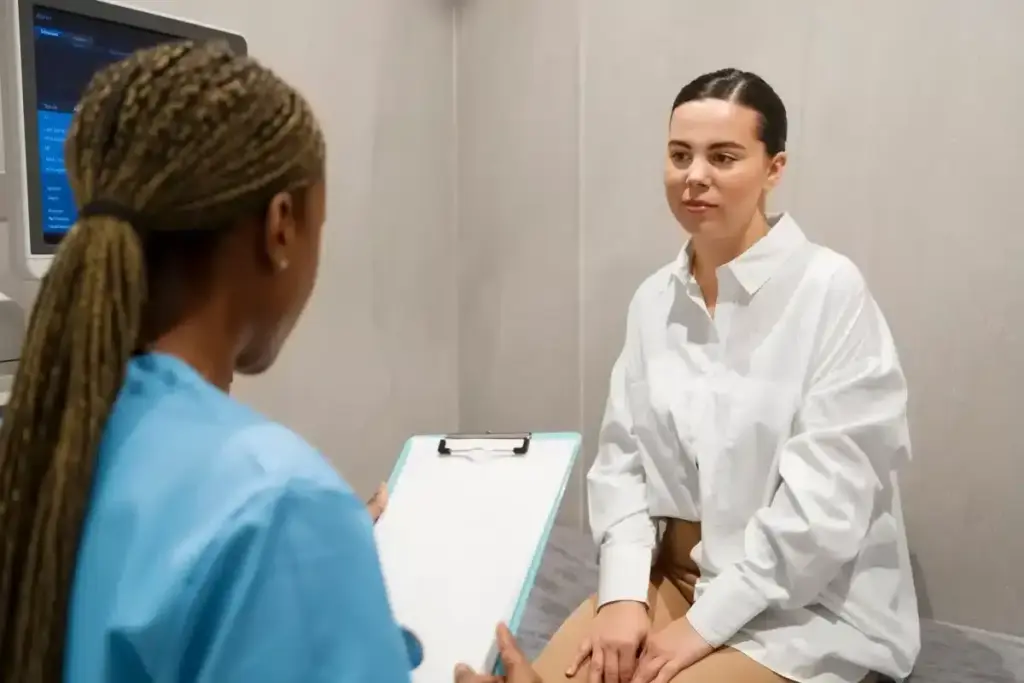
Cystoscopy lets doctors see inside the bladder and urethra. It’s key for finding bladder cancer and other issues. This tool is very important for doctors.bladder cancer symptomsBladder Cancer Pictures from Cystoscopy: Early Signs
Sedation is often used to make patients more comfortable. The kind of sedation depends on the patient’s health and the procedure’s details. Doctors decide based on these factors.
Knowing about sedation for cystoscopy can make patients feel better. We’ll look at the different sedation types and how they help care for patients.
Key Takeaways
- Cystoscopy is a diagnostic procedure that examines the inside of the bladder and urethra.
- Sedation is used to make the patient more comfortable during the procedure.
- The type of sedation used depends on the patient’s health and the procedure’s complexity.
- Understanding sedation options can help reduce patient anxiety.
- Different sedation methods are available for cystoscopy.
Understanding Cystoscopy Procedures
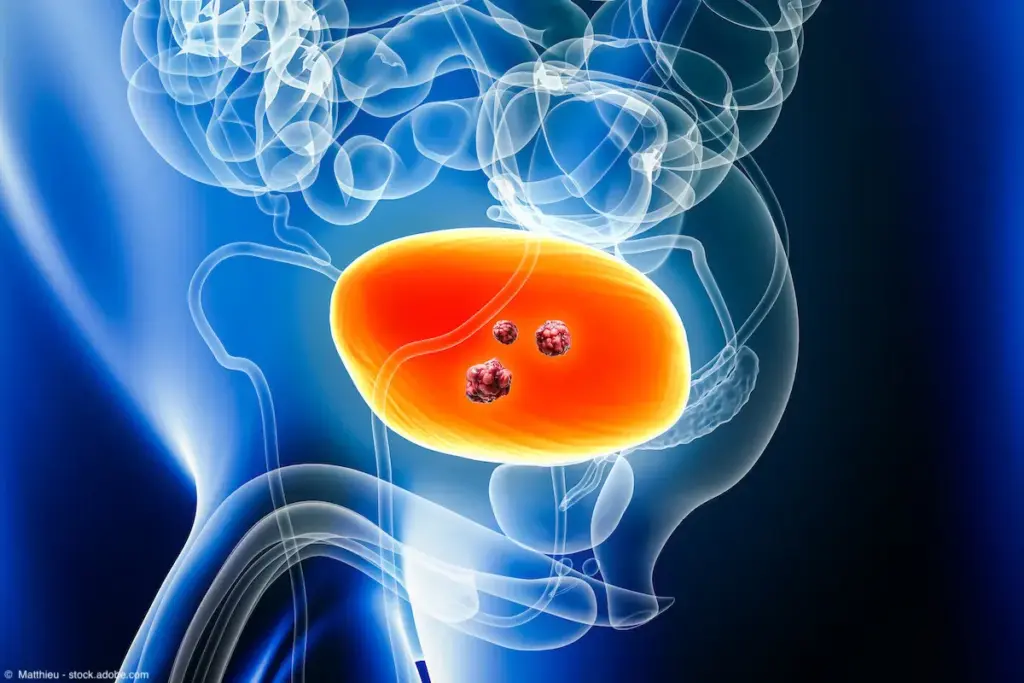
Cystoscopy uses a thin tube with a camera to look at the bladder and urethra. It’s key for finding problems in the urinary tract. This includes signs of bladder cancer and other issues.
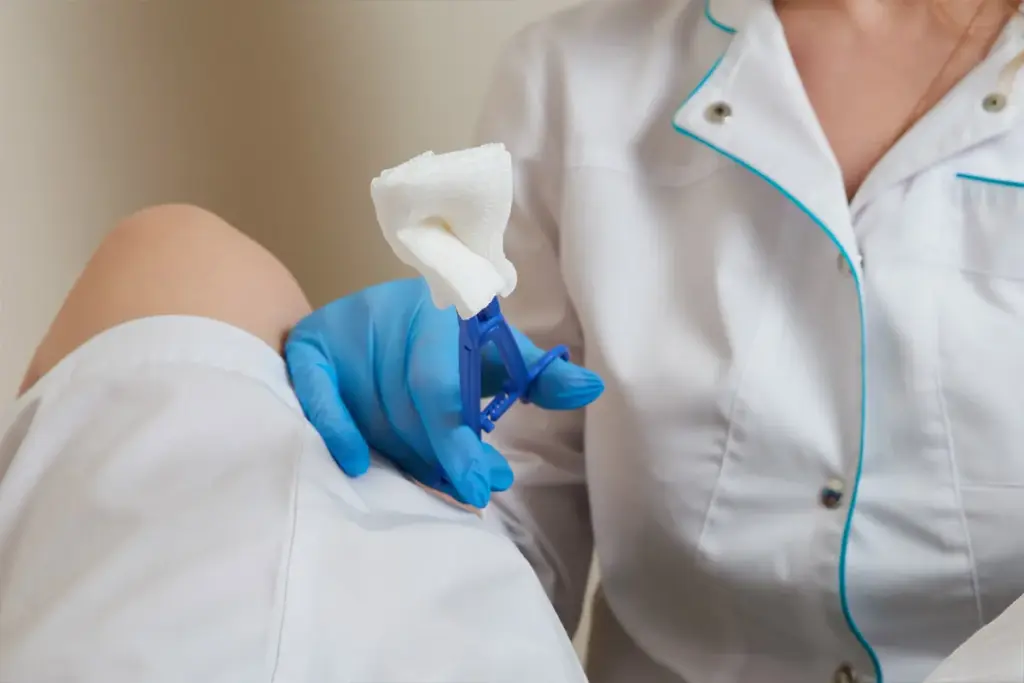
Cystoscopy lets doctors see inside the bladder and urethra. A cystoscope is used to look for problems like urothelial carcinoma. Doctors might also take biopsies during this time.
Importance of Sedation in Cystoscopy
Sedation makes cystoscopy more comfortable for patients. It helps reduce anxiety and pain. This helps patients manage the procedure more effectively.
The type of sedation used depends on the patient’s health and the procedure’s complexity. Good sedation is key for diagnosing and treating bladder cancer treatment effectively.
Types of Sedation Used
The type of sedation for cystoscopy depends on the patient’s needs and the procedure’s complexity. We focus on patient comfort, and the right sedation makes a big difference.
Local Sedation
Local sedation numbs the area where the procedure is done. For cystoscopy, this means numbing the urethra. Local anesthetics are applied directly to numb the area. This method is simple and allows for quick recovery.
Moderate Sedation
Moderate sedation, or conscious sedation, helps patients relax during the procedure. It keeps them awake but relaxed, so they can respond to commands. Moderate sedation is great for anxious patients. It’s given through an IV and works fast.
General Anesthesia
General anesthesia is for complex procedures or when deep sedation is needed. It makes the patient completely unconscious. General anesthesia for cystoscopy is rare but used when needed.
When looking at bladder cancer treatments or diagnosing ca bladder symptoms, sedation type matters. Knowing your options can ease your mind. Early detection, like with cystoscopy, affects the bladder cancer survival rate.
Considering Patient Comfort
Ensuring patient comfort during cystoscopy is key. We look at factors like anxiety and medical history when choosing sedation. Every patient is different, and the right sedation can greatly affect their experience.
Factors Influencing Sedation Choice
Choosing the right sedation for cystoscopy involves many factors. These include the patient’s medical history and the procedure’s complexity. For example, patients with anxiety or past discomfort may need a different approach.
Understanding why the cystoscopy is needed, like checking for bladder cancer symptoms female or bladder cancer signs, also plays a role. We consider the patient’s overall health and any risks of sedation. This ensures the chosen sedation is safe and effective.
Patient Anxiety and Sedation Options
Patient anxiety is a big factor in choosing sedation for cystoscopy. For anxious patients, moderate sedation or general anesthesia might be best. Less anxious patients might get local sedation, which numbs the urethra area.
Knowing what causes bladder cancer helps tailor sedation. By addressing anxiety and choosing the right sedation, we make cystoscopy as comfortable as possible.
We focus on personalized care, ensuring each patient gets the right sedation. This improves comfort and leads to a successful procedure.
Risks and Benefits of Sedation
Sedation in cystoscopy affects patient anxiety and comfort. It’s generally safe but comes with risks and benefits.
Potential Risks Associated with Sedation
Sedation is usually safe but can have risks. These include breathing problems, allergic reactions, heart issues, and slow recovery. It’s important to talk about your health and medications with your doctor to avoid these risks.
For TURBT (Transurethral Resection of Bladder Tumor), sedation choice is key. The surgeon’s skill and experience also play a big role. The pay for surgeons varies, which can raise questions about their compensation.
Benefits of Using Sedation for Cystoscopy
Sedation has big benefits for cystoscopy. It reduces anxiety and discomfort, making the procedure easier. This is vital for both diagnostic and therapeutic cystoscopies like TURBT.
Good sedation helps the surgeon too. It makes the procedure smoother and more accurate. This shows how important patient comfort is for the success of the procedure.
In summary, sedation in cystoscopy has more benefits than risks when managed well. Patients should talk to their doctors about their options and concerns.
Preparing for Cystoscopy
Getting ready for a cystoscopy involves several important steps. These steps help make the procedure smooth and successful. Being well-prepared can also reduce anxiety and make the experience more comfortable.
Pre-Procedure Instructions
Before a cystoscopy, patients get specific instructions. These instructions are key to a successful procedure.
- Fasting or Dietary Restrictions: Patients might need to fast or follow certain dietary rules before the procedure.
- Medication Management: It’s important to tell the doctor about any medications being taken. Some might need to be adjusted or stopped.
- Arranging for Transportation: Patients should plan for someone to drive them home after the procedure, as sedation is often used.
Following these instructions carefully is essential. It helps minimize risks and ensures a successful cystoscopy.
Discussing Sedation Options with the Doctor
Talking about sedation options with the doctor is a big part of preparing for a cystoscopy. We encourage patients to ask about the different sedation types, their benefits, and risks. This helps choose the best sedation method for the patient’s anxiety level, medical history, and the procedure’s complexity.
Some important things to discuss with the doctor include:
- The type of sedation and why it’s chosen.
- What to expect during and after the procedure.
- Any possible risks or side effects from the sedation.
Being informed and involved in the decision-making process makes patients feel more comfortable and confident. This is important as they prepare for their cystoscopy.
It’s also important to know the signs and symptoms of bladder cancer. Common symptoms are blood in the urine, frequent urination, and painful urination. If you’re experiencing these symptoms, talk to your healthcare provider.
Post-Procedure Care
After a cystoscopy, the focus is on post-procedure care. This is key for managing side effects and quick recovery. We guide you through this important period.
Recovery After Sedation
Patients are watched closely after the procedure to ensure sedation effects fade safely. It’s wise to have someone with you when you go home. Rest for the rest of the day and avoid hard activities.
Watch for severe symptoms like heavy bleeding, severe pain, or trouble urinating. If you notice these, call your doctor right away.
“The care after a procedure is as vital as the procedure itself,” we stress. We focus on your safety and comfort during recovery.
Follow-Up Instructions
We give follow-up instructions to help you recover smoothly. These may include medication guidelines, appointment schedules, and signs of complications. Knowing symptoms of ca bladder is key for early detection and management.
For those with urothelial carcinoma, follow-up care is vital. It helps monitor for recurrence and keeps bladder cancer survival rates high.
- Resume normal activities gradually, as advised by your healthcare provider.
- Be aware of the signs of possible complications, such as infection or bleeding.
- Attend all scheduled follow-up appointments to monitor your recovery and address any concerns.
By following these guidelines and staying in touch with your healthcare team, you can have a successful recovery. Our goal is to provide full care that supports your health throughout your treatment.
Antibiotics and Cystoscopy
Cystoscopy is a procedure to check for bladder problems, like bladder cancer. It might need antibiotics to lower infection risk. Many patients, including those with bladder cancer symptoms female like blood in urine or painful urination, find it scary.
Antibiotics are used to stop urinary tract infections (UTIs) after the procedure. Knowing about antibiotics helps patients get ready for the procedure and recovery.
Types of Antibiotics Prescribed
Several antibiotics might be given for cystoscopy. The choice depends on the patient’s health, allergies, and the procedure’s needs. Fluoroquinolones, like ciprofloxacin, and broad-spectrum antibiotics are common choices.
Importance of Antibiotics After the Procedure
Antibiotics after cystoscopy are key to prevent infections. This is very important for those at risk of or being watched for bladder cancer treatments. It keeps the treatment or check-up from being complicated by infections.
We advise patients to take their antibiotics as directed and keep all follow-up appointments. This ensures the treatment works well and helps catch any side effects or problems early.
Knowing how antibiotics work in cystoscopy helps patients feel more ready for their procedure. If you have questions about antibiotics or cystoscopy, talk to your healthcare provider.
Pediatric Considerations
Cystoscopy in children needs special care, mainly about sedation. We know it’s important to make sure kids are comfortable and safe during the procedure.
Sedation Options for Children
Choosing the right sedation for kids is key. General anesthesia is often used because it keeps kids calm and steady. But, the choice depends on the child’s age, health, and the procedure’s needs.
Moderate sedation might also be an option, depending on the child’s health and the cystoscopy’s complexity. It’s important to talk to a healthcare provider to find the best sedation.
Guidelines for Pediatric Cystoscopy
Pediatric cystoscopy is done with careful thought about the child’s body and the procedure’s goals. Specialized equipment for kids is used to keep them safe and effective.
Guidelines include choosing the right patient, a thorough check before the procedure, and careful care after. Knowing the risks and benefits of cystoscopy is important. This helps manage expectations and aims for the best results.
For kids with bladder cancer or before a TURBT procedure, it’s important to understand the cause and treatment. Bladder cancer is rare in kids but needs quick and right treatment. The TURBT procedure is a big step in treating bladder cancer.
Alternative Diagnostic Tools
In urology, many tools are used, like cystoscopy. It lets doctors see inside the bladder. But, other methods can give extra or different info.
Comparing Diagnostic Procedures
Cystoscopy is great for checking the bladder’s lining. It’s key for finding bladder cancer. Yet, tools like ultrasound, CT scans, and MRI can show more without being invasive. Ultrasound, for example, is often first because it’s not invasive and can spot problems like tumors or stones.
When to Choose a Different Diagnostic Method
Choosing a tool depends on symptoms, medical history, and what’s suspected. For bladder cancer signs like blood in urine, cystoscopy is best. It lets doctors see tumors and take biopsies.
Doctors weigh many things when picking a diagnostic method. They choose based on the patient’s needs and situation. It’s a decision made for each patient individually.
Frequently Asked Questions
Patients often wonder about cystoscopy and sedation, mainly if they have bladder cancer or are at risk. Knowing the signs of bladder cancer and treatment options can ease worries. It also helps them make informed choices.
Patient Concerns and Sedation
Many are concerned about pain during the procedure and the sedation used. We know patients want to be comfortable. That’s why we offer sedation to reduce anxiety and discomfort.
Professional Insights
Our medical team focuses on personalized care. This includes talking about sedation and answering any questions. By understanding sedation’s risks and benefits, patients can make better decisions about their care. This includes diagnosing and treating bladder cancer.
FAQ
What is cystoscopy and why is it performed?
Cystoscopy is a procedure where a thin tube with a camera is inserted into the bladder. It helps doctors diagnose and treat issues like bladder cancer. This method lets them see inside the bladder and urethra.
What type of sedation is used for cystoscopy?
Sedation for cystoscopy can be local, moderate, or general anesthesia. The choice depends on the patient’s anxiety and the procedure’s complexity.
How is patient comfort ensured during cystoscopy?
Comfort is key during cystoscopy. Sedation options are chosen based on the patient’s anxiety. This ensures comfort during the procedure.
What are the risks associated with sedation for cystoscopy?
Sedation is generally safe but can have risks. These include respiratory problems and allergic reactions. But, these risks are managed by careful monitoring and selection.
How should I prepare for cystoscopy?
Follow your doctor’s pre-procedure instructions. This may include dietary restrictions and stopping certain medications. Discuss sedation options with your doctor too.
What is the role of antibiotics in cystoscopy?
Antibiotics may be given before or after cystoscopy to prevent infection. They are chosen based on their effectiveness against urinary tract pathogens.
Can children undergo cystoscopy?
Yes, children can have cystoscopy. But, special attention is needed for sedation and guidelines to ensure their comfort and safety.
Are there alternative diagnostic tools to cystoscopy?
Yes, tools like ultrasound and CT scans are alternatives. The choice depends on the condition and the patient’s health.
What are the symptoms of bladder cancer that might lead to a cystoscopy?
Symptoms include blood in the urine and painful urination. If you have these, a cystoscopy might be done to diagnose bladder cancer.
What is a TURBT procedure?
TURBT is a surgery to diagnose and treat bladder cancer. It involves removing tumors from the bladder wall, often during a cystoscopy.
How does the choice of sedation affect the outcome of cystoscopy?
Sedation greatly affects comfort and the success of cystoscopy. Proper sedation reduces anxiety and discomfort, making the procedure easier.
National Center for Biotechnology Information. Evidence-Based Medical Insight. Retrieved from https://www.ncbi.nlm.nih.gov/books/NBK493180/