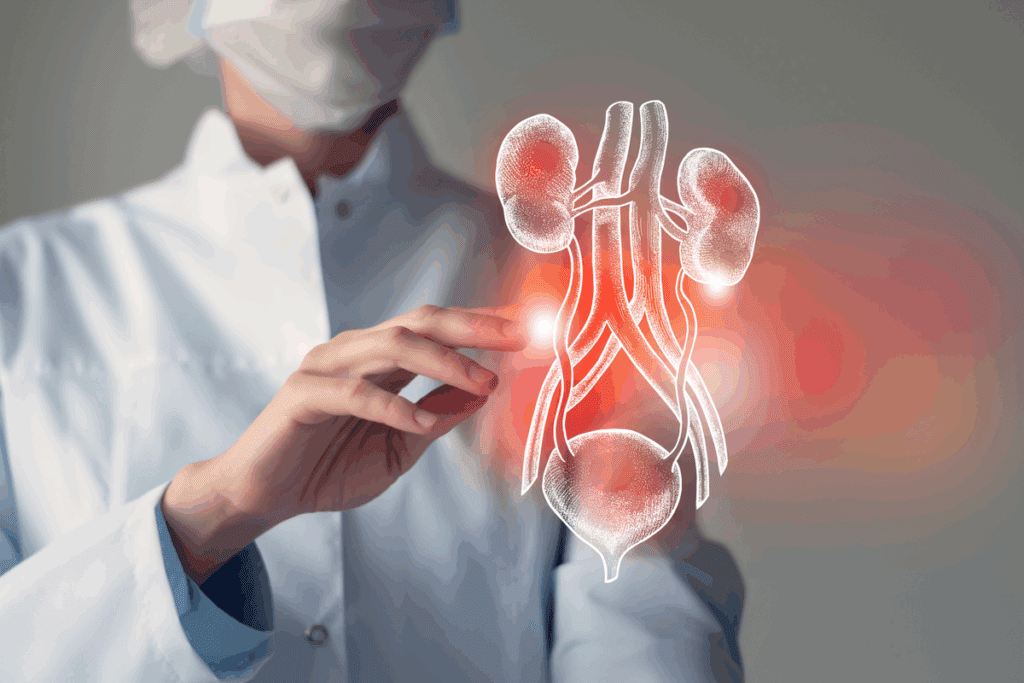
Intravesical chemotherapy, also called a ‘bladder chemo wash,’ is a treatment. It puts anticancer drugs directly into the bladder through a catheter. This method, known as intravesical instillation, is mainly for early-stage bladder cancers near or in the inner lining.
At Liv Hospital, we believe in being open about what to expect from bladder cancer chemotherapy wash procedures. Our care follows international standards and puts patients first. This approach helps build trust and empowers patients on their care journey.
Intravesical therapy targets cancer cells right in the bladder. This reduces side effects throughout the body. It’s a key treatment for managing bladder cancer.
Learn 7 key bladder chemo wash side effects. Expert guide on managing side effects during bladder cancer treatment.
Key Takeaways
- Intravesical chemotherapy delivers anticancer drugs directly into the bladder.
- This treatment is mainly for early-stage bladder cancers.
- Intravesical instillation reduces systemic side effects.
- Liv Hospital follows international care protocols.
- A patient-centered approach guides every treatment at Liv Hospital.
What Is a Bladder Chemo Wash?

Intravesical chemotherapy, also known as a bladder chemo wash, is a treatment for bladder cancer. It involves putting anticancer drugs directly into the bladder. This method is best for treating bladder cancer that hasn’t spread too far.
The Intravesical Chemotherapy Approach
This treatment uses a catheter to put anticancer drugs into the bladder. It’s a targeted approach that helps avoid side effects of regular chemotherapy. The drugs directly reach the bladder lining where cancer cells are found.
A study in the Journal of Clinical Oncology found it’s very effective. It lowers the chance of cancer coming back in the bladder. Drugs like Mitomycin-C and Gemcitabine are often used.
“Intravesical chemotherapy is a key treatment for bladder cancer. It’s effective and easy to handle.”
Medical Expert, Oncologist
How the Procedure Is Performed
The procedure starts with a catheter being put into the bladder. Then, the anticancer drug is added. The patient must hold the drug for about two hours. This lets it work on the bladder lining.
| Step | Description |
| 1 | Insertion of a catheter into the bladder |
| 2 | Instillation of anticancer medication |
| 3 | Retention of medication for a specified period |
Treatment Goals and Benefits
The main goal is to kill any cancer cells left in the bladder. This reduces the chance of cancer coming back. It has minimal systemic side effects and effective local control of the disease.
Intravesical chemotherapy targets the bladder directly. This reduces the risk of side effects in other parts of the body. It’s a good choice for patients with non-muscle-invasive bladder cancer.
Common Medications Used in Bladder Cancer Treatment

Intravesical chemotherapy for bladder cancer uses a few key medications. These are put directly into the bladder to target cancer cells.
Mitomycin-C: Mechanism and Usage
Mitomycin-C is an alkylating agent. It damages the DNA of cancer cells, stopping them from growing. It’s often used for non-muscle-invasive bladder cancer.
Gemcitabine: Applications and Effectiveness
Gemcitabine is a nucleoside analog. It stops cancer cells from making copies of themselves. Studies show it’s effective against bladder cancer.
BCG Therapy: Immunotherapy Approach
BCG (Bacillus Calmette-Guérin) Therapy boosts the body’s immune system to fight bladder cancer. It’s the top choice for treating high-risk non-muscle-invasive bladder cancer.
Here’s a comparison of these medications:
| Medication | Mechanism of Action | Common Side Effects | Typical Usage |
| Mitomycin-C | Alkylating agent, damages DNA | Bladder irritation, hematuria | Non-muscle-invasive bladder cancer |
| Gemcitabine | Nucleoside analog, interferes with DNA synthesis | Myelosuppression, fatigue | Various cancers, including bladder cancer |
| BCG Therapy | Immunotherapy, stimulates immune response | Flu-like symptoms, bladder irritation | High-risk non-muscle-invasive bladder cancer |
Who Receives Intravesical Chemotherapy?
Intravesical chemotherapy is mainly for people with early-stage bladder cancer that hasn’t reached the muscle. It works best for non-muscle-invasive bladder cancer (NMIBC). This is when the cancer is in the bladder’s inner lining or has just started to grow into the lamina propria.
Stages of Non-Muscle-Invasive Bladder Cancer
Non-muscle-invasive bladder cancer is divided into stages based on how deep it has grown. The main stages are:
- Ta: Cancer is in the bladder’s inner lining but hasn’t reached the muscle.
- T1: Cancer has grown from the inner lining into the lamina propria but hasn’t reached the muscle.
- Cis (Carcinoma in situ): High-grade cancer cells are found in the bladder’s inner lining.
Risk Stratification for Treatment
Risk stratification is key to figuring out the chance of cancer coming back or getting worse. It looks at several factors, including:
| Risk Factor | Description |
| Tumor size and number | Larger or multiple tumors may indicate a higher risk. |
| Tumor grade | Higher-grade tumors are more aggressive. |
| Presence of carcinoma in situ | Cis indicates a higher risk of progression. |
Patients are then put into low, intermediate, or high-risk groups. This helps doctors decide on the best treatment.
“Risk stratification is essential for identifying patients who would benefit most from intravesical chemotherapy, personalizing their treatment plan.”
Medical Expert, Uro-Oncologist
Contraindications and Special Considerations
While intravesical chemotherapy helps many with NMIBC, there are some who shouldn’t get it. These include:
- Active urinary tract infections
- Severe bladder irritation or damage
- Known hypersensitivity to the chemotherapy agent
Doctors must carefully check these factors to make sure treatment is safe and effective.
Understanding who gets intravesical chemotherapy and why helps patients make better choices about their treatment.
7 Key Bladder Chemo Wash Side Effects to Monitor
Bladder chemo wash can cause different reactions right away and later on. It’s important to watch these side effects closely to manage them well and help patients get better.
Immediate vs. Delayed Reactions
Side effects from bladder chemo wash can be immediate or delayed. Immediate ones happen during or right after treatment. Delayed ones might show up days or weeks later.
Right away, you might feel like you need to pee a lot, feel pain, or have a burning feeling. Later, you could face serious issues like bladder contracture or other body-wide reactions. Knowing about both kinds is key to keeping an eye on your health.
Severity Spectrum: Mild to Severe
How bad side effects are can really vary. Some people might just feel a little off, while others could face serious problems. You might feel irritation, a burning feeling, or even see blood in your pee.
Knowing how severe side effects can be helps both patients and doctors get ready and handle them better.
Frequency of Occurrence
How often side effects happen can differ too. It depends on the chemotherapy type, how much you get, and your own health. Knowing how common these side effects are can help you get ready for treatment.
We’ll keep looking into the specific side effects and how to deal with them. This will help guide those going through bladder chemo wash treatment.
Side Effect #1: Urinary Frequency and Urgency
Intravesical chemotherapy can cause uncomfortable urinary symptoms. These include needing to urinate often and urgently. This happens because the drugs irritate and inflame the bladder lining.
Why It Happens: Bladder Inflammation
Chemotherapy drugs can cause bladder inflammation, or cystitis. When these drugs touch the bladder lining, they irritate it. This irritation leads to inflammation, which disrupts the bladder’s normal function. As a result, patients may experience symptoms like needing to urinate often and urgently.
Typical Duration and Progression
The time these symptoms last can vary. They can last from several hours to days after treatment. Sometimes, they go away within a week. But in other cases, they might last longer.
| Symptom Duration | Typical Progression |
| Several hours to several days | Symptoms often peak within the first few days post-treatment and gradually subside |
| Up to one week | In some cases, symptoms may take up to a week to resolve completely |
| More than a week | Less commonly, symptoms can persist beyond a week, requiring further medical evaluation |
Impact on Daily Activities
Urinary frequency and urgency can greatly affect daily life. It can disrupt routines, sleep, and social activities. It’s important for patients to talk to their healthcare providers about these symptoms.
Effective management of these symptoms can reduce their impact. Strategies like managing fluids, bladder training, and medications can help. This can improve daily life significantly.
Side Effect #2: Painful Urination and Discomfort
Discomfort when you pee can be a big worry for people getting intravesical chemotherapy. It’s important to know why this happens and what it means.
Distinguishing Normal from Concerning Pain
Pain when you pee after a bladder chemo wash can feel like anything from a slight burn to a lot of pain. It’s okay to feel some pain, but it’s key to tell normal pain from pain that’s a worry. Normal pain usually goes away in a few days and can be helped with things you can buy over the counter.
But, if the pain doesn’t go away, is really bad, or comes with other signs like fever or blood in your pee, you need to see your doctor right away.
Relationship to Medication Type
The kind of medicine used in bladder chemo wash can affect how bad the side effects are. For example, Mitomycin-C and Gemcitabine are two medicines used, each with its own set of side effects.
| Medication | Common Side Effects | Frequency of Painful Urination |
| Mitomycin-C | Bladder irritation, pain | Moderate |
| Gemcitabine | Urinary frequency, discomfort | Mild to Moderate |
When Pain Signals a Problem
Pain when you pee can sometimes mean there’s a bigger problem, like a UTI or bladder irritation. If the pain is really bad, doesn’t go away, or comes with other signs, you should get medical help.
Signs that pain might mean a bigger issue include:
- Pain that gets worse over time
- Seeing blood in your pee
- Fever or chills
- Having trouble starting or stopping pee
We suggest keeping a journal of your symptoms. This can really help your doctor understand what’s going on and make changes to your treatment if needed.
Side Effect #3: Blood in Urine (Hematuria)
Some patients may see blood in their urine after intravesical chemotherapy. This is called hematuria. It can look like visible blood or a pink color in the urine. Seeing blood in your urine can be scary, but it’s a common side effect.
Causes of Post-Treatment Bleeding
The bladder lining can get irritated or inflamed from the chemotherapy. This irritation can cause bleeding. The bleeding might be tiny or you can see it with your eyes.
Expected vs. Excessive Bleeding
It’s important to know the difference between normal and too much bleeding. Mild bleeding is common and might go away by itself. But, if the bleeding is a lot or doesn’t stop, you need to see a doctor. We’ll explain the differences so you know when to get help.
| Characteristics | Expected Bleeding | Excessive Bleeding |
| Duration | Resolves within a few days | Persists or worsens over time |
| Amount of Blood | Minimal, possibly microscopic | Visible, significant amount |
| Associated Symptoms | Mild discomfort | Severe pain, clots, or difficulty urinating |
When to Contact Your Doctor
If you have heavy or lasting bleeding, a lot of pain while urinating, or trouble peeing, call your doctor. We’re here to help you through your treatment. Knowing when to ask for help is key to dealing with side effects like hematuria.
Being aware and careful can help you handle side effects of intravesical chemotherapy. If you’re worried about hematuria or any other symptoms, talk to your healthcare team right away.
Side Effect #4: Allergic and Systemic Reactions
Allergic reactions to bladder chemo wash are rare but serious. It’s important for patients to know the signs of these reactions. This knowledge is key for those getting intravesical chemotherapy.
Recognizing Allergic Response Signs
Allergic reactions can show up in many ways. You might feel shivering, rash, dizziness, or have trouble breathing. These symptoms can happen right after treatment or later. It’s vital to tell your doctor right away if you notice any of these signs.
Common signs of an allergic reaction include:
- Skin rash or itching
- Swelling of the face, lips, or tongue
- Difficulty breathing or wheezing
- Dizziness or fainting
- Rapid heartbeat
Flu-like Symptoms and Fever
BCG therapy can cause flu-like symptoms. You might feel fever, chills, and be very tired. While these symptoms are usually mild, they can sometimes be severe and need medical help.
| Symptom | Frequency | Typical Duration |
| Fever | Common | 1-3 days |
| Chills | Common | 1-2 days |
| Fatigue | Very Common | Several days to a week |
Emergency Response Protocol
If you have a severe allergic or systemic reaction, get medical help right away. Know what to do in an emergency. This includes knowing when to call for help and how to reach your doctor.
If you experience any of the following, seek immediate medical help:
- Severe difficulty breathing
- Chest pain or tightness
- Severe abdominal pain
- Severe dizziness or fainting
Side Effect #5: Bladder Contracture and Capacity Changes
Bladder contracture and changes in bladder capacity are serious side effects of intravesical chemotherapy. These issues can greatly affect a patient’s quality of life. It’s important to understand and keep an eye on them.
Long-term Structural Effects
Intravesical therapy can cause long-term changes in the bladder. One of these changes is bladder contracture. This is when the bladder gets scarred and shrinks, reducing its size. The scarring happens because the chemotherapy drugs irritate and inflame the bladder wall.
Another long-term effect is a change in bladder capacity. The bladder might not stretch as much as it should. This can lead to more frequent urination. In some cases, the bladder’s capacity can decrease, causing urgency and frequency.
Impact on Bladder Function
The structural changes from intravesical chemotherapy can greatly affect bladder function. Patients may face:
- Increased urinary frequency
- Urgency to urinate
- Reduced bladder capacity
- Incontinence
These symptoms can significantly impact a patient’s daily life. It’s essential to manage them well.
Monitoring Bladder Health
It’s vital to regularly check bladder health for patients getting intravesical chemotherapy. We suggest regular visits to a healthcare provider to check bladder function and address any issues. Tests like cystoscopy or urodynamic studies can help evaluate the bladder’s condition.
| Monitoring Aspect | Description | Frequency |
| Symptom Assessment | Evaluating urinary frequency, urgency, and incontinence | Every 3 months |
| Cystoscopy | Visual examination of the bladder interior | Annually |
| Urodynamic Studies | Tests to assess bladder function and capacity | As needed |
By closely monitoring bladder health, we can spot issues early. This allows us to take the right steps to manage the long-term effects of intravesical chemotherapy.
Side Effects #6 and #7: Extravasation and Infection
When getting intravesical chemotherapy, patients might face side effects like extravasation and infection. These issues are not as common but need quick action to avoid serious problems.
Drug Leakage Outside the Bladder
Extravasation means the drug leaks out of the bladder into the tissues around it. This can cause irritation, pain, and serious issues if not treated right away. The risk is higher at the start or if the bladder wall is damaged.
Symptoms include pelvic pain, swelling, or redness. If you notice these, tell your doctor fast for help.
Bacterial and Chemical Cystitis
Infections can happen as a side effect, leading to bacterial cystitis. This is when the bladder gets infected, causing pain while urinating, needing to go often, and feeling urgent. Chemical cystitis is inflammation from the drug, not an infection.
Both need medical help. Bacterial cystitis gets treated with antibiotics. Chemical cystitis might need supportive care and changes in treatment.
Prevention and Treatment Approaches
To avoid extravasation and infection, the drug is given carefully and watched for early signs. Doctors make sure the drug goes into the bladder right and teach patients to watch for symptoms that mean they need help fast.
Treatment for these problems might include antibiotics, care for symptoms, and changes to the treatment to lessen side effects. It’s key to report any unusual symptoms right away for the best care.
Knowing about these side effects and working with your healthcare team can help you stay safe and manage your treatment better.
Managing and Preventing Bladder Chemo Wash Side Effects
Bladder chemo wash side effects can be lessened by staying hydrated, taking medication, and making lifestyle changes. These steps can greatly enhance a patient’s life during and after treatment.
Hydration Strategies
Staying hydrated is key for those getting bladder chemo wash treatment. Drinking lots of water helps dilute the chemotherapy. This makes it less irritating to the bladder lining.
- Drink at least 8-10 glasses of water per day
- Avoid caffeinated and carbonated beverages that can irritate the bladder
- Monitor urine color; it should be pale yellow or clear
Medication Options for Symptom Relief
There are many medications to help with bladder chemo wash side effects. These include:
- Pain relief medications to manage discomfort
- Antispasmodic drugs to reduce bladder spasms
- Medications to alleviate urinary frequency and urgency
It’s important to follow your doctor’s advice on medication use and dosage.
Lifestyle Adjustments During Treatment
Changing your lifestyle can also help manage side effects. These include:
- Avoiding irritants such as spicy foods and acidic beverages
- Maintaining a healthy diet rich in fruits, vegetables, and whole grains
- Engaging in gentle exercises like yoga or short walks
By making these changes, patients can better handle bladder chemo wash side effects. This improves their overall health and well-being.
Conclusion: Navigating Your Bladder Cancer Treatment Journey
It’s key for patients to know about bladder chemo wash side effects and how to handle them. We’ve talked about issues like needing to pee a lot and feeling like you have to pee right away. We’ve also covered allergic reactions and bladder contracture. Knowing about these can help patients deal with their treatment better.
Good bladder cancer treatment isn’t just about the medical part. It’s also about the support and education patients get. At our place, we focus a lot on helping patients. We give them the care and advice they need to manage their symptoms and live better.
Dealing with treatment can be tough, but with the right help, patients can feel more in charge. We tell patients to ask questions, share any worries, and get help when they need it. Working together, we aim for the best results for those fighting bladder cancer.
FAQ
What is a bladder chemo wash, and how is it performed?
A bladder chemo wash, or intravesical chemotherapy, is a treatment. It involves putting anticancer drugs directly into the bladder. This method targets cancer cells and reduces side effects.
What are the common medications used in bladder chemo wash?
Medications like mitomycin-C and gemcitabine are often used. Mitomycin-C stops DNA synthesis. Gemcitabine blocks DNA replication. BCG therapy boosts the immune system to fight cancer.
Who is a candidate for intravesical chemotherapy?
Those with non-muscle-invasive bladder cancer might get this treatment. The choice depends on the cancer’s stage, grade, and if it has come back.
What are the side effects of bladder chemo wash?
Side effects include frequent urination and pain while urinating. You might also see blood in your urine, allergic reactions, and bladder changes. Rare but serious side effects include infection and damage to the bladder.
How can I manage urinary frequency and urgency after bladder chemo wash?
To deal with frequent urination, drink plenty of water. Avoid caffeine and spicy foods. Medications can also help. Symptoms usually go away in a few weeks.
When should I be concerned about painful urination after bladder chemo wash?
Some pain is okay, but severe or lasting pain is not. If pain doesn’t get better with medicine or if you have fever or blood in your urine, see your doctor.
Is hematuria a normal side effect after bladder chemo wash?
Some blood in urine is normal after treatment. But, heavy bleeding, clots, or ongoing blood in urine needs doctor attention.
How can I prevent infections during intravesical chemotherapy?
To avoid infections, follow good hygiene and catheter use. Your doctor might suggest antibiotics too.
What lifestyle adjustments can help manage side effects during treatment?
Drink lots of water and avoid things that irritate your bladder. Your doctor might suggest other lifestyle changes for you.
How can I monitor my bladder health during and after intravesical chemotherapy?
Regular check-ups with your doctor are key. Be aware of any symptom changes and report them right away.
References
Government Health Resource. (2025). 7 Key Bladder Chemo Wash Side Effects You.