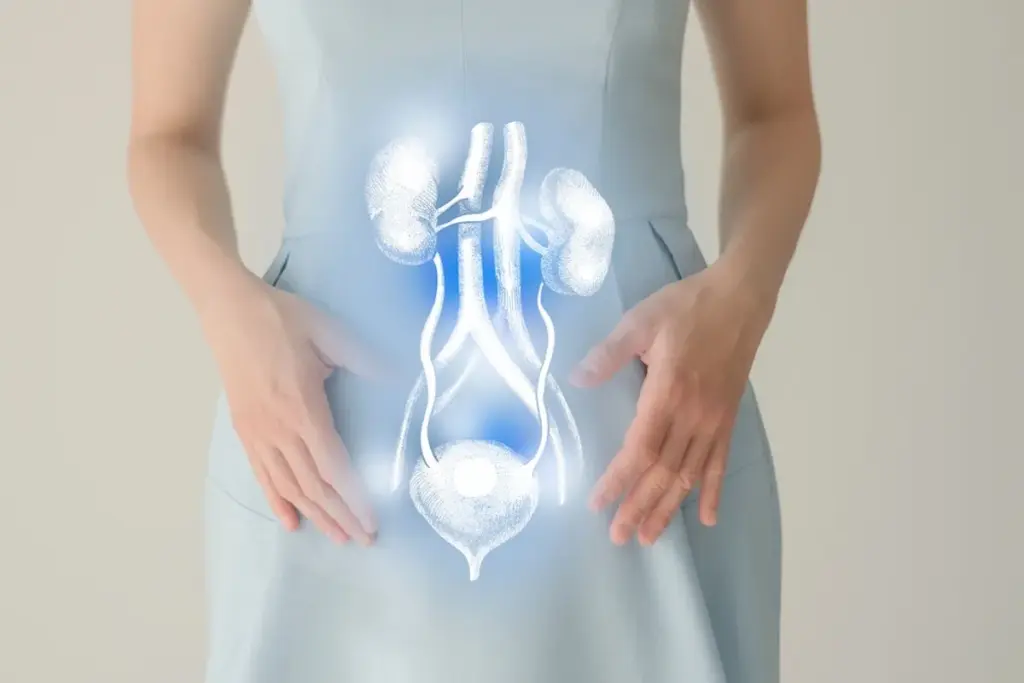
Bladder infection: can you have intercourse? Learn the amazing facts about sex and UTIs to keep your relationship healthy and safe. Did you know that urinary tract infections (UTIs), including bladder infections, are common? They affect many people, mostly women. They can also be linked to sex.
Talking about pain during or after sex might feel awkward. But it’s key for your health. We’re here to help you understand how bladder infections and intimacy are connected.
Many people wonder if they can have sex with a bladder infection. We’ll answer this and more. We’ll share what causes these infections, their symptoms, and how to prevent them.
Key Takeaways
- Understanding the link between bladder infections and sexual activity.
- Recognizing the symptoms and causes of UTIs related to intimacy.
- Exploring prevention strategies to reduce the risk of bladder infections.
- Discussing the impact of bladder infections on sexual health.
- Providing guidance on when it’s safe to resume intimacy after a bladder infection.
Understanding Bladder Infections

A bladder infection happens when bacteria get into the urinary tract. This can cause discomfort and serious health problems if not treated. We will look into what a bladder infection is, its symptoms, and causes.
What is a Bladder Infection?
A bladder infection, or urinary tract infection (UTI), occurs when bacteria get into the urinary tract and grow. The most common cause is Escherichia coli (E. coli). UTIs are a big health issue because they are common and can cause a lot of discomfort.
Symptoms to Watch For
The signs of a bladder infection can vary. But common ones include:
- A strong, persistent urge to urinate
- A burning sensation when urinating
- Passing frequent, small amounts of urine
- Urine that appears cloudy or has a strong odor
- Pelvic pain in women
It’s important to recognize these bladder infection symptoms early. This helps in getting medical help quickly and stopping the infection from getting worse.
Causes of Bladder Infections
Causes of bladder infection include several factors. These are:
- Sexual activity, which can introduce bacteria into the urinary tract
- Poor hygiene practices
- Use of certain types of birth control
- Blockages in the urinary tract
Knowing these causes is key to preventing and treating UTIs. We will explore how these factors increase the risk of getting a UTI.
Bladder Infections and Sexual Activity

It’s important to understand how bladder infections and sexual health are connected. Bladder infections, or urinary tract infections (UTIs), can really affect your life. They raise big questions about intimacy and sex.
Can You Have Intercourse with a Bladder Infection?
It’s not a good idea to have sex with a bladder infection. Engaging in sexual intercourse can exacerbate the infection, leading to increased pain and prolonged healing time. Sex can push bacteria into the urinary tract, making the infection worse. Your health should always come first.
Pain in the lower abdomen after sex is a sign of a problem. You should talk to a doctor to avoid more serious issues.
Risks Involved with Sexual Intercourse
Sex with a bladder infection comes with risks. These include:
- Pushing bacteria further into the urinary tract, leading to worse infections.
- More discomfort or pain during and after sex.
- Longer healing time.
Knowing these risks helps you make smart choices about your sex life when you have a bladder infection.
Timing: When to Wait Before Resuming Intercourse
When to start having sex again after a bladder infection is key. It’s best to wait until you’ve finished your treatment and feel better. This makes sure the infection is gone and keeps you safe.
Guideline | Recommendation |
|---|---|
Complete Treatment | Finish the antibiotic course |
Symptom-Free Period | Wait 48 hours after symptoms go away |
Healthcare Provider’s Advice | Listen to your doctor’s specific advice |
By following these tips, you can lower risks and have a healthier recovery.
Treatment Options for Bladder Infections
Knowing how to treat bladder infections is important. These infections, or urinary tract infections (UTIs), need a good treatment plan. This plan might include medicine, lifestyle changes, and home remedies.
Common Medications Prescribed
Most bladder infections are treated with antibiotics. The right antibiotic depends on the infection’s severity and your health history.
- Trimethoprim: Often used for simple UTIs.
- Nitrofurantoin: Good for lower UTIs, mainly when E. coli is the cause.
- Fosfomycin: A single dose for simple UTIs.
It’s key to finish all antibiotics as your doctor says. This makes sure the infection goes away completely.
Home Remedies and Lifestyle Changes
Along with medicine, some home remedies and lifestyle changes can help. They can make symptoms better and stop future infections.
- Stay Hydrated: Drinking lots of water helps get rid of bacteria in the urinary tract.
- Urinary Tract Health: Urinating after sex can stop bacteria from getting into the urinary tract.
- Dietary Changes: Avoiding things like caffeine, alcohol, and spicy foods can lessen discomfort.
Remedy | Description | Benefits |
|---|---|---|
Cranberry Juice | May help prevent bacteria from sticking to bladder walls. | Could lower UTI chances. |
Probiotics | Helps good bacteria grow. | Improves urinary tract health. |
Heat Therapy | Using a heating pad on the lower belly. | Helps with pain and discomfort. |
Consulting Your Doctor: When Is It Necessary?
Seeing your doctor is important if symptoms don’t get better or get worse. Your doctor might change your treatment or find out why you got sick.
Knowing when to see a doctor is important for good treatment. If you have bad pain, fever, or vomiting, go to the doctor right away.
Preventing Bladder Infections
To prevent bladder infections, it’s important to follow good hygiene, stay hydrated, and practice certain habits. These steps can greatly lower the chance of getting UTIs.
Hygiene Practices to Follow
Good hygiene is key in stopping bladder infections. Always wipe from front to back to stop bacteria from the anus from getting into the urethra. Keeping the genital area clean and avoiding harsh soaps or douches helps keep the natural balance and lowers infection risk.
Wearing breathable underwear, like cotton, helps keep the area dry and lowers bacterial growth risk. Also, avoid tight clothes to keep air flowing and moisture down.
Importance of Staying Hydrated
Drinking enough water is vital in preventing bladder infections. Drinking plenty of water helps flush out bacteria from the urinary tract, lowering infection risk. Aim for at least eight glasses of water a day, but needs can vary based on activity and climate.
Adequate hydration also keeps the urinary tract lining healthy. This makes it less likely for bacteria to stick and cause infection.
Best Practices Before and After Intercourse
Intercourse can bring bacteria into the urinary tract, raising infection risk. Urinating before and after intercourse helps clear out any bacteria. This simple step can greatly lower UTI risk.
Also, avoiding certain lubricants and using gentle, fragrance-free products can reduce irritation and infection risk. Safe sex and being mindful of sexual health also help keep the urinary tract healthy.
The Connection Between Sexual Activity and Bladder Health
It’s important to know how sex affects bladder health to avoid infections. Sex is a big part of many lives. Its impact on our urinary tract health is key.
How Intercourse May Contribute to Infections
Sex can introduce bacteria into the urethra, raising UTI risk. This is more common in women because their urethra is shorter. Safe sex practices and cleanliness can lower this risk.
Sex can also cause irritation, leading to inflammation and infection. Some sexual positions might make bacterial transfer more likely.
Safe Sex Practices to Reduce Risk
To lower UTI risk from sex, follow these safe sex practices:
- Urinate after sex to flush out bacteria
- Keep your genital area clean
- Avoid activities that irritate your genitals
- Use lubricants to reduce friction
By doing these things, you can greatly reduce your UTI risk.
Myths and Facts about Sex and Bladder Health
There are many myths about sex and bladder health. Let’s clear up some:
Myth | Fact |
|---|---|
Sex is the primary cause of UTIs. | Sex can raise the risk, but it’s not the only reason. Hygiene, staying hydrated, and overall health also matter. |
Only women get UTIs from sex. | While more common in women, men can get UTIs from sex too, if they have certain health issues. |
Using condoms eliminates UTI risk. | Condoms can help by reducing bacterial transfer, but they don’t remove all risk. Other steps like urinating after sex are also key. |
Knowing the truth can help protect your bladder health during sex.
Diagnosing a Bladder Infection
Diagnosing bladder infections involves several steps. Healthcare providers use these steps to confirm an infection and find the bacteria causing it. This is key for effective treatment.
Tests and Procedures for Diagnosis
Several tests and procedures are used to diagnose bladder infections. A urinalysis is the most common. It checks for bacteria, blood, or other issues in urine. Sometimes, a urine culture is done to find the exact bacteria and choose the right antibiotic.
Other tests might include:
- A physical exam to check symptoms and medical history
- Imaging tests like ultrasound or CT scans to look at the urinary tract
- Cystoscopy, which lets a doctor see inside the bladder
Importance of Early Diagnosis
Early diagnosis is very important. Quick treatment can ease symptoms, prevent complications, and stop the infection from spreading. If left untreated, bladder infections can turn into serious conditions like pyelonephritis, a kidney infection that can cause permanent damage.
Understanding Urinalysis Results
Urinalysis results can tell a lot about bladder infections. A positive test might show bacteria, white blood cells, or red blood cells. These findings help doctors choose the right treatment and check if it’s working.
Talking to your healthcare provider about your urinalysis results is a good idea. Together, you can manage your bladder health and prevent future infections.
When to Seek Medical Attention
Knowing when to see a doctor is key to handling bladder infections well. If you’re feeling symptoms, it’s important to know when you need to get help right away.
Recognizing Severe Symptoms
Severe bladder infection symptoms include sharp pain while you pee, big belly pain, or a high fever. If you notice any of these, you should get medical help fast.
Medical experts say, “If you have lower belly pain that gets worse and is very bad, you need to see a doctor right away.” This is because serious symptoms might mean a serious infection that needs quick treatment.
Key severe symptoms to watch for:
- Intense pain or burning during urination
- Severe lower abdominal pain
- Fever above 101.5°F (38.6°C)
- Blood in the urine
- Symptoms that worsen over time
Importance of Follow-Up Appointments
After you start treatment, seeing your doctor again is very important. These visits help make sure the infection is gone for good. They also let your doctor check on your health and answer any questions you have.
At your follow-up, your doctor might do more tests, like a urinalysis, to make sure the infection is gone. This is very important for people who get infections a lot.
Follow-Up Appointment Benefits | Description |
|---|---|
Ensures Complete Recovery | Confirms that the infection has been fully treated |
Addresses Lingering Concerns | Provides an opportunity to discuss any ongoing symptoms or issues |
Prevents Future Infections | Allows for the discussion of preventive measures tailored to your needs |
Dealing with Recurrent Infections
For some, bladder infections keep coming back. If you find yourself getting infections often, you need to work with your doctor to find a long-term solution.
This solution might include changing your diet or how you clean yourself. It could also mean taking antibiotics to prevent infections. Knowing why you get infections is the first step to stopping them.
Preventive measures may include:
- Drinking plenty of water to stay hydrated
- Urinating when you feel the need, not waiting
- Practicing good hygiene, like wiping right and showering after sex
- Avoiding things that might irritate your bladder, like certain soaps or products
FAQs about Bladder Infections
We get many questions about bladder infections. Here, we’ll answer some of the most common ones. We aim to provide clarity and help those affected.
Common Questions Asked by Patients
Bladder infections can be uncomfortable and worrying. People often ask about their causes, symptoms, and treatment. Here are some common questions:
- What causes bladder infections? Most bladder infections are caused by bacteria. Escherichia coli is the most common one.
- Can I have intercourse with a bladder infection? It’s technically possible, but it’s best to wait until the infection is fully treated. This helps avoid making symptoms worse.
- How are bladder infections diagnosed? Doctors usually do a urinalysis to check for bacteria, blood, or other signs of infection.
Clarifying Misconceptions about Bladder Health
There are many misconceptions about bladder health. These can cause confusion or unnecessary worry. Let’s clear up a few:
- Misconception: Bladder infections are always caused by poor hygiene. Reality: While hygiene is important, infections can also be caused by sexual activity and anatomical issues.
- Misconception: Only women get bladder infections. Reality: Women are more likely to get infections because of their shorter urethra. But men can also get infections, more so with age.
Tips for Talking to Your Partner About Infections
Talking about bladder infections with your partner can be tough. But it’s important for understanding and support. Here are some tips:
- Be Open: Explain your symptoms and how they affect you.
- Educate: Share information about bladder infections to clear up any misconceptions.
- Discuss Prevention: Talk about ways to reduce the risk of future infections together.
By addressing these FAQs and misconceptions, we hope to empower you. We aim to help you manage your bladder health effectively and confidently.
Living with Bladder Infections
Dealing with bladder infections requires daily management and recovery strategies. These infections can really affect your life, but the right approach can help. It’s all about improving your bladder health.
Managing Symptoms on a Daily Basis
Effective symptom management includes medical treatment and lifestyle changes. Here are some daily tips to help:
- Stay Hydrated: Drinking lots of water helps remove bacteria from your urinary tract, lowering infection risk.
- Practice Good Hygiene: Keeping clean, after using the bathroom and before/after sex, stops bacteria spread.
- Urinate When Needed: Don’t hold urine for too long, as it lets bacteria grow.
- Consider Probiotics: Some studies show probiotics can keep your urinary tract healthy by fighting off bad bacteria.
What to Expect During Recovery
Recovery from a bladder infection is more than just treating it. It’s about helping your body heal. Here’s what you can expect:
Symptoms might get worse before they get better as your body fights the infection. It’s key to finish all antibiotics to clear the infection. Rest, drink plenty of water, and avoid things that irritate your bladder to feel better.
- Watch your symptoms closely and tell your doctor if they get worse or new ones appear.
- You might need follow-up visits to make sure the infection is gone.
- Know the signs of serious problems like fever or severe pain, which need quick doctor visits.
Support Groups and Resources
Dealing with bladder infections can be tough, but you’re not alone. There are many support groups and resources to help.
Online Forums and Support Groups: Many groups offer online spaces to share, ask, and get support from others who get it.
Healthcare Providers: Your doctor is a great resource for managing bladder infections. They can give personalized advice, treatment options, and referrals to specialists if needed.
By using these resources and effective management strategies, you can improve your life with bladder infections.
Conclusion: Taking Charge of Your Bladder Health
Good bladder health comes from being aware, taking preventive steps, and getting medical help when needed. Knowing what causes and shows bladder infections helps you act early. This way, you can lower your risk and handle your condition well.
Empowering Yourself
Knowing what’s going on with your bladder is the first step. Learning about the dangers of sex and the need for cleanliness helps a lot. We stress the importance of looking out for your health and getting help when you need it.
Long-Term Prevention Strategies
Prevention means drinking lots of water, keeping clean, and using protection during sex. Adding these habits to your life can cut down on infection chances. We urge you to get medical advice and stick to your bladder health plan.
By following these tips and staying up-to-date, you can manage your bladder health well. Taking care of your bladder is a big step towards feeling better overall.
FAQ
Can you get a UTI from sex?
Yes, sex can introduce bacteria into the urinary tract. This increases the risk of getting a UTI.
Is it safe to have intercourse with a bladder infection?
It’s not safe to have sex with a bladder infection. It can make symptoms worse and spread the infection.
Can men get bladder infections from women?
Men can get bladder infections from women through sex. But women are more likely to get them.
How can I prevent UTIs after intercourse?
To prevent UTIs, urinate after sex, stay hydrated, and keep clean. These steps can help reduce the risk.
Can a man pass a UTI to a woman?
UTIs are not directly passed like STDs. But sex can move bacteria that cause UTIs.
Are bladder infections considered an STD?
No, bladder infections are not STDs. But sex can play a role in getting them.
Can you have sex during a bladder infection?
It’s best to avoid sex until the infection is fully treated. This prevents discomfort and complications.
How do you prevent recurrent UTIs?
To prevent UTIs, practice good hygiene, drink enough water, and take antibiotics as your doctor suggests.
Can bladder infections be transmitted through oral sex?
Oral sex has a lower risk than vaginal sex. But it can introduce bacteria into the urinary tract.
What are the symptoms of a bladder infection?
Symptoms include needing to urinate often, feeling a burning sensation while urinating, and having cloudy or smelly urine. You may also feel pelvic pain.
Can holding your urine cause a bladder infection?
Holding urine for too long can increase UTI risk. It allows bacteria to multiply in the urinary tract.
How are bladder infections diagnosed?
A urinalysis is used to diagnose bladder infections. It checks for bacteria, blood, or other signs of infection in the urine.
Can a man give a woman a bladder infection?
Yes, sex can transfer bacteria, leading to UTIs in women. Women are more likely to get UTIs because of their anatomy.
What is the best way to manage bladder infection symptoms daily?
To manage symptoms, stay hydrated, use a heating pad on your lower abdomen, and take your prescribed medications.
Are there any support groups or resources for people with recurrent UTIs?
Yes, there are support groups and online resources for people with recurrent UTIs. They offer advice and community support.
References
New England Journal of Medicine. Evidence-Based Medical Insight. Retrieved from https://www.nejm.org/doi/full/10.1056/NEJMcp020023