Urinary tract infections (UTIs) are a big health problem, hitting millions of people every year. Did you know that women are more prone to UTIs due to their anatomy? This is because the female urethra is close to the anus and is shorter. This makes it easier for bacteria like E. coli to get into the urinary system.bladder infectionAcute Cystitis Bladder Infection: Treatment
We will look into how doctors figure out if you have a UTI. We’ll talk about symptoms and how doctors check for them. Knowing the causes and spotting symptoms early is key to getting help fast.
Key Takeaways
- UTIs are more common in women due to their anatomy.
- E. coli bacteria are the most common cause of UTIs.
- Recognizing symptoms early is key to effective treatment.
- Doctors use various methods to diagnose UTIs.
- Timely diagnosis and treatment can prevent complications.
Understanding Bladder Infections and Their Symptoms

Knowing the signs of a bladder infection is key to starting recovery. Bladder infections, or urinary tract infections (UTIs), happen when bacteria infect the bladder. Understanding the symptoms is vital for getting medical help on time.
Common Symptoms of a Bladder Infection
The signs of a bladder infection can differ, but common ones include:
- Dysuria: Pain or burning when you pee.
- Frequent Urination: Needing to pee more than usual.
- Suprapubic Discomfort: Pain or discomfort in the lower belly.
- Urgent Urination: Feeling a sudden, urgent need to pee.
- Cloudy or Strong-Smelling Urine: Urine that looks cloudy, dark, or smells strongly.
These symptoms can really affect your daily life. It’s important to see a doctor if they don’t go away or get worse.
When to Seek Medical Attention
If you notice any of these, you should see a doctor:
- Severe Symptoms: If your symptoms are very bad or get worse.
- Prolonged Symptoms: If symptoms last more than a few days.
- Recurring Infections: If you keep getting bladder infections.
- Blood in Urine: If you see blood in your pee.
- Fever or Chills: If you get a fever or chills, which could mean the infection has spread.
Getting diagnosed and treated early can make symptoms better. It can also stop the infection from spreading to other parts of the urinary tract.
Initial Consultation with Your Healthcare Provider

Meeting with your healthcare provider is a key step in dealing with a possible bladder infection. It’s your chance to talk about your health history and your symptoms.
Discussing Your Medical History
When you see your healthcare provider, be ready to talk about your medical history. This includes any past UTIs, allergies, and what medicines you’re taking. They need this info to figure out the best bladder infection treatment for you.
Describing Symptoms Clearly
It’s important to describe your symptoms clearly during the first meeting. Tell your healthcare provider when your symptoms started, how bad they are, and what makes them better or worse. This helps them know how to treat you, whether it’s a simple UTI or something more complex.
Being ready to talk about your medical history and symptoms clearly is a big step. It helps you get the right diagnosis and treatment for your condition. This proactive approach can make your UTI treatment plan much more effective.
Physical Examination During the Visit
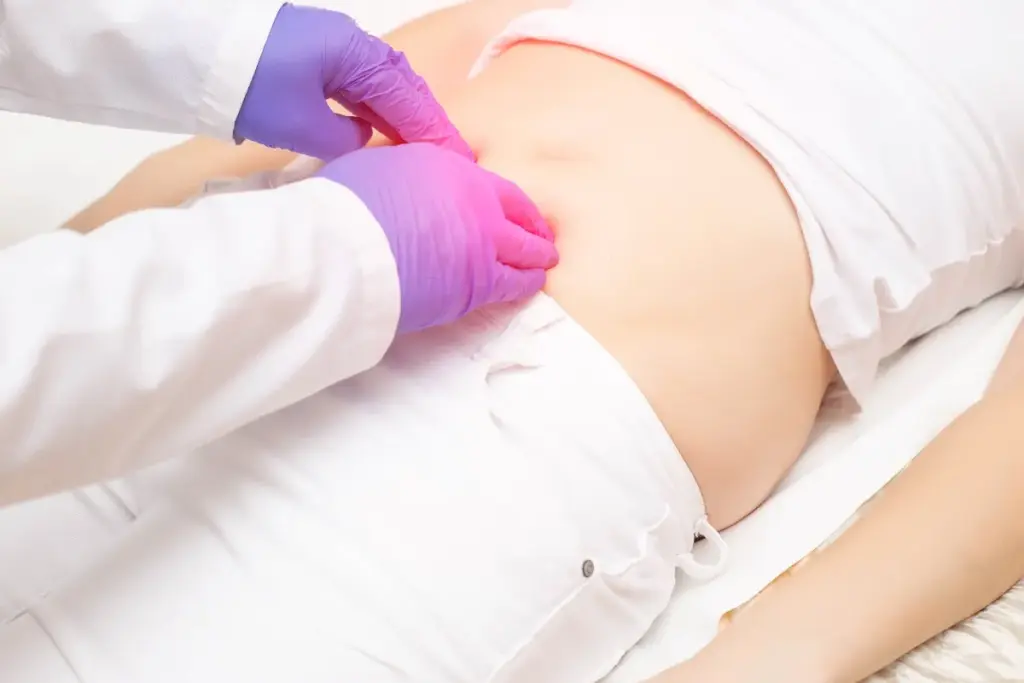
A physical examination is key in diagnosing bladder infections. It helps healthcare providers find signs of infection or complications. We check your overall health and look for urinary tract issues.
What to Expect During Your Exam
We’ll start by checking your vital signs like temperature and blood pressure. This ensures you’re not too sick. We also do an abdominal exam to find any pain or tenderness in your lower abdomen.
This exam might include pressing on your abdomen gently. We look for any tenderness or abnormalities. Women might need a pelvic exam to check for infection or reproductive issues.
Potential Signs a Doctor Might Look For
We’re on the lookout for several signs during the exam. These include:
- Tenderness or pain in the lower abdomen
- Fever, which can indicate an infection
- Abnormalities during a pelvic examination
We also check for dehydration or other complications. The findings from the exam help us decide on further tests and treatment.
Signs and Symptoms | Description | Potential Indication |
|---|---|---|
Tenderness in lower abdomen | Discomfort or pain upon pressing the lower abdomen | Possible bladder infection |
Fever | Elevated body temperature | Infection or inflammation |
Abnormal pelvic examination findings | Unusual discharge, tenderness, or other abnormalities | Potential infection or other reproductive issues |
We use your medical history, symptoms, and physical exam to make an accurate diagnosis. Then, we create a treatment plan that fits your needs.
Diagnostic Tests for Bladder Infections
To find out if you have a bladder infection, your doctor might suggest one or more tests. These tests are key to figuring out the infection’s cause and how to treat it.
Urinalysis: What Is It and How It Works
A urinalysis is a common test for bladder infections. It checks a urine sample for bacteria, blood, or other issues. This test can give quick results, helping doctors spot infections fast.
During a urinalysis, the urine is tested for:
- Presence of bacteria or yeast
- White blood cells, which indicate an infection
- Red blood cells, which can be a sign of a more severe infection
- pH level, which can affect the growth of bacteria
Urine Culture: Importance in Diagnosis
A urine culture is another key test for bladder infections. It takes a urine sample and lets bacteria grow in a controlled setting. This test is vital for finding the right antibiotic.
The results of a urine culture take a few days. But they’re worth it, as they tell us:
- The type of bacteria causing the infection
- The antibiotic sensitivity of the bacteria
Additional Tests for Complicated Cases
In some cases, more tests are needed to diagnose or manage a bladder infection. These can include:
- Imaging tests, such as ultrasound or CT scans, to check for abnormalities in the urinary tract
- Cystoscopy, a procedure that lets a healthcare provider see inside the bladder
These tests are usually for complicated or recurring infections. They help doctors understand the cause and plan the best treatment.
Importance of Accurate Diagnosis
Getting a correct diagnosis is key to treating bladder infections well. When we know the exact type of infection, we can choose the right treatment. This makes treatment more effective and lowers the chance of problems.
Diagnosing a bladder infection right means more than just finding an infection. It’s about knowing the exact cause and type. This knowledge helps us pick the best treatment plan.
Differentiating Between Infection Types
Bladder infections can be caused by bacteria, fungi, or viruses. Knowing the cause is important because treatments differ. For example, antibiotics work for bacterial infections, but antifungal meds are needed for fungal ones.
We use tests like urinalysis and urine culture to find out the cause. These tests tell us which pathogen is causing the problem. This lets us pick the best treatment.
The Risk of Misdiagnosis
Misdiagnosis can lead to the wrong treatment. This not only doesn’t fix the problem but can also cause more issues. For instance, treating a bacterial infection like a viral one can lead to antibiotic resistance.
Also, a wrong diagnosis can make things worse by delaying the right treatment. So, it’s vital to get a detailed diagnostic check to ensure we get it right and treat it fast.
Factors That Increase Bladder Infection Risk
Knowing what increases the risk of bladder infections is key to preventing and treating them. Bladder infections, or urinary tract infections (UTIs), happen when bacteria get into the urinary tract and cause an infection. Many factors can make someone more likely to get these infections.
Common Risk Factors to Consider
Some people are more at risk for bladder infections because of certain factors. These include:
- Female Anatomy: Women are more likely to get bladder infections because their urethra is shorter. This makes it easier for bacteria to get into the bladder.
- Sexual Activity: Sex can bring bacteria into the urinary tract, raising the risk of infection.
- Menopause: Lower estrogen levels during menopause can change the urinary tract. This makes it more likely to get infected.
- Urinary Tract Abnormalities: People with abnormalities in their urinary tract, like kidney stones or tumors, are at higher risk.
- Catheter Use: Using a catheter can introduce bacteria into the urinary tract.
How Lifestyle Choices Impact Infection Risk
Lifestyle choices greatly affect the risk of bladder infections. For example:
- Hydration Levels: Not drinking enough water can make urine more concentrated. This can irritate the bladder and increase infection risk.
- Personal Hygiene: Poor hygiene, like wiping incorrectly after using the bathroom, can introduce bacteria into the urinary tract.
- Diet: Eating a diet high in sugar and processed foods can weaken the body’s ability to fight off infections.
- Clothing Choices: Wearing tight, non-breathable clothing can create a warm, moist environment. This is perfect for bacterial growth.
By knowing these risk factors and making smart lifestyle choices, people can lower their chance of getting bladder infections. It’s important to be aware of these factors to take steps to prevent them.
Treatment Options for Bladder Infections
Dealing with a bladder infection can be tough. It’s important to treat it right to avoid bigger problems. Treatment often includes antibiotics and lifestyle changes.
Common Medications Prescribed
Antibiotics are key in treating bladder infections. The choice of antibiotic depends on the infection’s severity and your health history. Here are some common ones:
- Trimethoprim: Often used for uncomplicated UTIs.
- Nitrofurantoin: Effective for treating lower UTIs.
- Fosfomycin: Used for uncomplicated UTIs, when other treatments don’t work.
For severe infections or high-risk cases, we might prescribe longer antibiotic courses. It’s vital to finish all antibiotics to clear the infection.
Lifestyle Changes That May Help
Along with antibiotics, making some lifestyle changes can help. These include:
- Staying Hydrated: Drinking lots of water helps flush out bacteria.
- Urination Habits: Urinate when you need to and don’t hold it too long.
- Personal Hygiene: Keep good hygiene, like wiping correctly and avoiding harsh products.
These changes can help manage symptoms and prevent future infections. Talk to your healthcare provider about these and other ways to stay healthy.
Preventative Measures to Avoid Bladder Infections
We can lower the risk of bladder infections with simple steps. By adding these habits to our daily life, we keep our urinary system healthy. This helps us avoid infections.
Tips for Maintaining Urinary Health
Keeping our urinary system healthy is key to avoiding bladder infections. Here are some effective tips to help you:
- Practice good hygiene: Wipe correctly and stay clean to block bacteria from entering the urethra.
- Urinate when needed: Don’t hold urine for too long, as this can raise infection risk.
- Avoid irritants: Stay away from products that can irritate your genital area, like certain soaps or bubble baths.
Importance of Staying Hydrated
Staying hydrated is vital for urinary health. Drinking lots of water helps flush out bacteria from the urinary tract. This lowers infection risk. Aim for at least eight glasses of water a day, but needs can vary.
More benefits of staying hydrated include:
- It helps prevent kidney stones.
- It reduces bacteria concentration in urine.
- It supports kidney function.
By taking these steps, we can greatly lower our risk of bladder infections. This keeps our urinary system in top shape.
When to Follow Up with Your Doctor
After treating a bladder infection, keep an eye on your symptoms. If needed, follow up with your doctor. It’s key to track your progress and watch for signs that mean you need more medical help.
Recognizing Signs of Complications
Severe pain, fever, or bloody urine are red flags. They mean you should see a doctor right away. These could be signs of a serious infection or UTI complications.
Scheduling Follow-Up Appointments
Your doctor might want to see you again to check if the infection is gone. This is important if you’re prone to infections or have had UTIs before. Following up helps prevent future problems and lets you discuss any urinary health concerns.
FAQ
What is a bladder infection?
A bladder infection, also known as a urinary tract infection (UTI), happens when bacteria infect the bladder. This causes symptoms like pain while urinating and needing to go more often.
What are the common symptoms of a bladder infection?
Common symptoms include pain or burning while urinating, needing to urinate often, and feeling uncomfortable in the abdomen. If you have these symptoms, you should see a doctor right away.
How is a bladder infection diagnosed?
To diagnose a bladder infection, a doctor will do a physical exam, urinalysis, and sometimes a urine culture. This helps find the bacteria causing the infection.
What can I expect during the physical examination for a bladder infection?
During the exam, your doctor will look for signs of infection. They might check for tenderness in the abdomen. They might also do a pelvic exam if needed.
How can I prepare for my initial consultation with my healthcare provider?
To prepare, talk about your medical history and describe your symptoms clearly. Mention when they started and what makes them better or worse.
What are the common treatment options for bladder infections?
Treatment usually includes antibiotics to kill the bacteria. Your doctor may also suggest lifestyle changes to manage symptoms and prevent future infections.
How can I prevent bladder infections?
To prevent bladder infections, stay hydrated, practice good hygiene, and urinate when you feel the need. This helps keep your urinary system healthy.
What are the risk factors for developing a bladder infection?
Being female, having a history of UTIs, and certain lifestyle choices are common risk factors. Not staying hydrated or having sexual activity can increase your risk.
Can a bladder infection go away on its own?
Some mild infections might go away on their own. But, it’s best to see a doctor to avoid complications and ensure proper treatment.
When should I follow up with my doctor after being treated for a bladder infection?
Follow up with your doctor if your symptoms don’t get better or get worse. Also, if you have signs of a more severe infection, like fever or flank pain.
Are bladder infections contagious?
No, bladder infections are not contagious. They are usually caused by bacteria already in your body.
How long does it take to recover from a bladder infection?
With proper treatment, most people get better from a bladder infection in a few days to a week. It’s important to finish all antibiotics as prescribed.
References
National Institutes of Health. Evidence-Based Medical Insight. Retrieved from
https://www.niddk.nih.gov/health-information/urologic-diseases/bladder-infection-uti-in-adults/diagnosis[3