
Did you know that urinary tract infections (UTIs), including bladder infections, affect millions of people worldwide each year? A bladder infection happens when bacteria infect the bladder. This causes pain while urinating and frequent need to go to the bathroom.
These symptoms can be very worrying. It’s important to get tested to get the right treatment. In this guide, we’ll explain how to test for a UTI. We’ll cover the ways to find UTI infection urine and the usual bladder and urinary tract infection symptoms.
Key Takeaways
- Understanding the causes and symptoms of urinary tract infections.
- Learning the diagnostic methods for detecting UTI infection urine.
- Recognizing the importance of proper treatment for bladder infections.
- Identifying common bladder and urinary tract infection symptoms.
- Understanding the relationship between urinary tract infection and bladder infection.
Understanding Bladder Infections
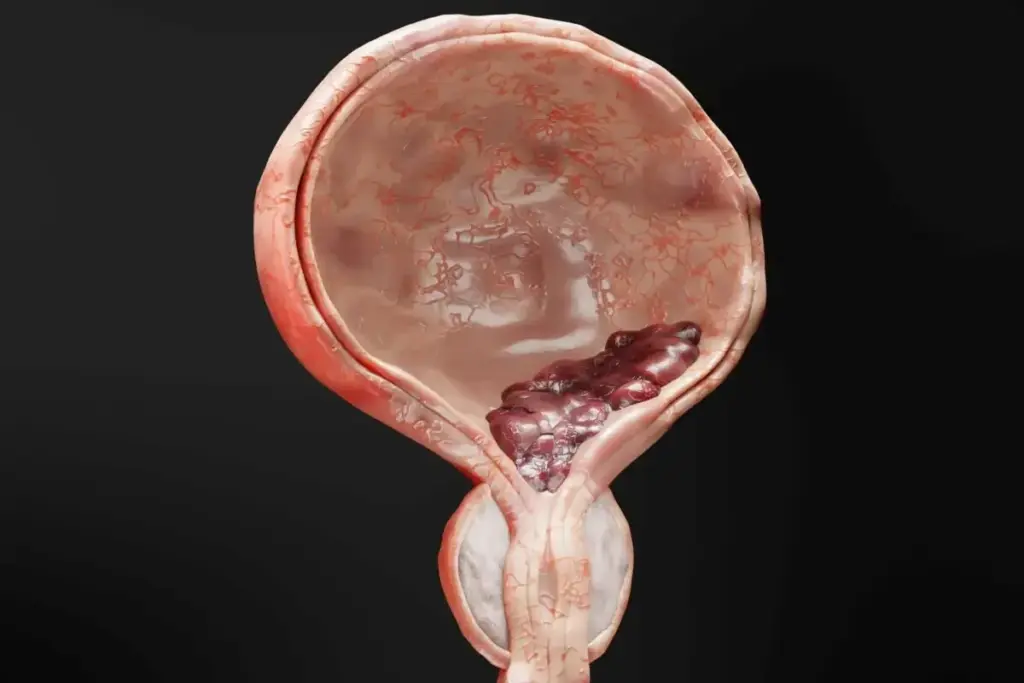
A bladder infection happens when bacteria get into the urinary tract. This causes discomfort and can lead to serious problems if not treated. We’ll look at the basics of bladder infections, including causes, symptoms, and who’s at risk.
What Is a Bladder Infection?
A bladder infection, also known as cystitis, is a UTI that affects the bladder. It occurs when bacteria, like Escherichia coli (E. coli), get into the urinary tract and grow. This leads to an infection.
Women are more likely to get bladder infections because of their anatomy. Their shorter urethra makes it easier for bacteria to reach the bladder.
Common Symptoms to Look For
The symptoms of a bladder infection can vary. But common ones include:
- Dysuria: A burning feeling when you pee.
- Frequent Urination: Needing to pee more often than usual.
- Urgent Urination: A sudden, strong need to pee.
- Suprapubic Discomfort: Pain or discomfort in the lower abdomen.
- Cloudy or Strong-Smelling Urine: Urine that looks cloudy, dark, or smells strongly.
These symptoms can really affect your daily life. If you experience them, you should see a doctor.
Who Is Most at Risk?
While anyone can get a bladder infection, some groups are more likely to:
Risk Factor | Description |
|---|---|
Gender | Women are more likely to develop bladder infections due to their anatomy. |
Sexual Activity | Sexually active women are at a higher risk due to the introduction of bacteria into the urinary tract. |
Menopause | Postmenopausal women are at increased risk due to decreased estrogen levels, which can affect the urinary tract’s ability to resist infection. |
Urinary Tract Abnormalities | Individuals with abnormalities in their urinary tract are more susceptible to infections. |
Testing Options for Bladder Infections

It’s important to know the different ways to test for bladder infections. This helps get the right treatment. We’ll look at home tests and doctor’s office tests.
At-Home Testing Kits
At-home kits are a private way to check for bladder infections. You collect a urine sample and use a test strip. It looks for signs of infection like leukocytes or nitrites.
Benefits: These kits are easy to find and give quick results. They help you know if you need to see a doctor.
Limitations: Their accuracy can vary. They might not catch all infections or give a clear diagnosis.
Urinalysis in a Doctor’s Office
A urinalysis in a doctor’s office is a common test. It checks a urine sample for signs of infection. This includes looking for bacteria, blood cells, or other issues.
- You need a clean catch urine sample to avoid contamination.
- The sample is checked for physical, chemical, and microscopic signs.
- Results are usually ready in minutes or a few hours.
Urine Culture: What to Expect
A urine culture is a detailed test. It grows a urine sample to find the bacteria causing the infection. This test takes a few days to get results.
Test Characteristics | Urinalysis | Urine Culture |
|---|---|---|
Purpose | Initial diagnosis, detecting infection signs | Identifying specific bacteria, guiding antibiotic treatment |
Turnaround Time | Minutes to hours | Several days |
Accuracy | High for initial diagnosis | Highly specific for bacterial identification |
Both urinalysis and urine culture are key in diagnosing and treating bladder infections. Knowing about these tests helps patients make better choices for their care.
Importance of Early Detection
Finding bladder infections early is key to treating them well and avoiding big problems. Spotting and treating these infections quickly helps stop them from spreading to other parts of the urinary system.
Complications from Untreated Infections
Not treating bladder infections can lead to serious issues. Untreated UTIs can cause pyelonephritis, a painful kidney infection. This can result in permanent kidney damage or sepsis, a dangerous condition.
Some serious problems from untreated bladder infections are:
- Kidney damage or pyelonephritis
- Increased risk of sepsis
- Recurring infections
How Early Treatment Improves Outcomes
Starting treatment early helps avoid complications and improves results. Early treatment makes antibiotics more effective. It also lowers the chance of the infection becoming resistant to treatment.
The good things about early treatment are:
- Faster recovery
- Reduced risk of complications
- Less chance of the infection spreading
Knowing how important early detection and treatment are helps us manage bladder infections better.
When to See a Doctor
Knowing when to see a doctor for a bladder infection is key. If you’re feeling symptoms, it’s important to know when to go.
Signs That Warrant Immediate Attention
Some symptoms mean you need to see a doctor right away. These include:
- High Fever: A fever over 101°F (38.3°C) can mean a serious infection.
- Severe Pain: Pain in your lower abdomen or back is a warning sign.
- Vomiting: If you can’t keep fluids down, dehydration can happen fast.
- Blood in Urine: Seeing blood in your urine can mean a complicated infection.
“If you have any of these severe symptoms, don’t wait to get medical help,” says experts. They stress the need for quick action.
Seeking Treatment for Recurring Infections
If you keep getting bladder infections, you need to see a doctor. They can help prevent long-term problems. Here’s what to do:
- See a healthcare provider to find out why you keep getting infections.
- Talk about ways to prevent them, like changing your lifestyle or taking antibiotics.
- Understand that you might need a more detailed treatment plan for recurring infections.
Healthcare experts say, “Dealing with recurring UTIs needs a plan that includes medical treatment and lifestyle changes.”
Diagnostic Procedures Beyond Urinalysis
More tests are needed to fully understand a bladder infection. Urinalysis is the first step, but more tests might be needed. These tests help find complications or underlying issues that could be causing the infection.
Imaging Tests and Their Uses
Imaging tests are key in checking the urinary tract. They help us see the kidneys, bladder, and ureters. This helps find any problems that might be causing the infection.
Types of Imaging Tests:
- Ultrasound: Uses sound waves to create images of the urinary tract. It helps find stones, tumors, or other issues.
- CT Scan: Gives detailed images of the urinary tract. It’s useful for finding complications like abscesses or kidney damage.
- X-rays: Used to see the urinary tract. It’s good for finding stones or other blockages.
Imaging Test | Primary Use | Benefits |
|---|---|---|
Ultrasound | Identify stones, tumors, or abnormalities | Non-invasive, no radiation exposure |
CT Scan | Identify complications, damage to kidneys | Highly detailed images, useful for complex diagnoses |
X-rays | Identify stones or obstructions | Quick and widely available |
Cystoscopy for Thorough Examination
Cystoscopy uses a thin, flexible tube with a camera to look inside the bladder. It’s done through the urethra. This lets us see the bladder and urethra up close. We can find stones, tumors, or inflammation.
Benefits of Cystoscopy:
- Direct visualization of the bladder and urethra
- Ability to take biopsies if necessary
- Helps in diagnosing conditions that may be contributing to recurrent infections
Cystoscopy is usually safe, but there are risks. These include discomfort, bleeding, and infection. We do everything we can to make it safe and comfortable for you.
Interpreting Test Results
It’s important to understand your bladder infection test results. They tell you if you have an infection or not. Knowing this helps you decide what to do next.
Understanding Positive vs. Negative Results
A positive test result means you likely have a bladder infection. It shows bacteria or signs of infection in your urine. But, a negative test result means you probably don’t have an infection.
Yet, a negative result doesn’t always mean you’re clear. It might not catch an infection early or if the test sample was bad. Also, a positive result can be wrong due to contamination.
What Happens After Diagnosis?
After finding out you have a bladder infection, we work closely with you. We create a treatment plan just for you. This might include antibiotics and tips for self-care and lifestyle changes.
It’s key to stick to your treatment plan. Finish all your antibiotics, even if you start feeling better. You might need follow-up care to make sure the infection is gone.
By understanding your test results and following the treatment, you can manage your bladder infection. This helps prevent it from coming back.
Treatment Options for Bladder Infections
Dealing with bladder infections involves several steps. This includes using antibiotics and trying home remedies. It’s important to tackle the infection fully to feel better and prevent future problems.
Antibiotics: The First Line of Defense
Doctors often start with antibiotics for bladder infections. Trimethoprim/sulfamethoxazole and nitrofurantoin are top choices because they work well against common bacteria. The right antibiotic depends on the infection’s severity, your health, and local resistance.
It’s key to finish all antibiotics, even if you start feeling better. This ensures the infection is gone and helps prevent antibiotic resistance.
Home Remedies to Supplement Treatment
Along with antibiotics, some home remedies can help. Staying hydrated is a must to flush out bacteria. Drinking lots of water and trying cranberry juice or supplements might also help, but results vary.
- Drink plenty of water to help flush out bacteria.
- Consider cranberry products, though their effectiveness varies.
- Avoid irritants like caffeine, alcohol, and spicy foods.
- Practice good hygiene and urinate when needed.
Using antibiotics and these home remedies together can help manage symptoms. It might also lower the chance of getting another infection.
Preventing Future Infections
To stop bladder infections, we need to change our lifestyle and keep good hygiene. Knowing what causes these infections helps us avoid them.
Lifestyle Modifications
Changing our lifestyle can lower the risk of bladder infections. Here are some ways:
- Dressing Comfortably: Wearing loose clothes helps keep moisture away, stopping bacteria from growing.
- Urination Habits: Going to the bathroom when you need to and emptying your bladder fully stops bacteria buildup.
- Dietary Adjustments: Some foods and drinks can irritate your bladder. Knowing and avoiding these can help.
A healthcare expert says, “Simple daily changes can greatly reduce UTI risk.”
“The key is to identify and modify factors that contribute to infection risk.”
Role of Hydration and Hygiene
Drinking enough water is key to preventing bladder infections. It helps flush out bacteria from your urinary tract. Also, keeping good hygiene is important:
- Proper Wiping Techniques: Wiping from front to back stops bacteria from spreading from the anus to the urethra.
- Showering Instead of Bathing: Showers are safer than baths because they lower the chance of bacteria getting into the urethra.
Prevention Strategy | Description | Benefit |
|---|---|---|
Hydration | Drinking plenty of water | Flushes out bacteria |
Good Hygiene | Proper wiping and showering | Reduces bacterial entry |
Lifestyle Changes | Dressing comfortably and urinating when needed | Reduces infection risk |
By using these strategies, we can lower our risk of bladder infections. It’s about making smart choices and living a healthy life.
Frequently Asked Questions
Many people wonder about bladder infections. They ask about the accuracy of tests and if infections can come back after treatment. Knowing this can help those affected feel better and more confident.
Accuracy of At-Home Tests
At-home UTI tests are a quick way to start diagnosing bladder infections. But, their accuracy can change. It’s best to check your results with a doctor to make sure you get the right treatment.
Recurrence After Treatment
It’s common for bladder infections to come back after treatment. This is called recurrent UTI. Things like bacteria becoming resistant and health issues can cause it. Talking to a doctor can help find out why and stop it from happening again.
By tackling these questions, we help people understand their UTIs better. This way, they can make better choices about their health. It leads to better results for those dealing with UTIs.
FAQ
What is a bladder infection?
A bladder infection, also known as cystitis, is when bacteria infect the bladder. We will cover its causes, symptoms, and treatment options.
How do I know if I have a bladder infection?
Signs of a bladder infection include painful urination and frequent trips to the bathroom. You might also feel discomfort in your abdomen. It’s best to see a healthcare professional for a proper diagnosis.
How accurate are at-home tests for bladder infections?
At-home tests can hint at a bladder infection. But, their accuracy can vary. Always confirm the results with a healthcare professional for a sure diagnosis.
Can bladder infections recur after treatment?
Yes, bladder infections can come back if the root causes aren’t fixed. We’ll talk about how to prevent this through lifestyle changes and good hygiene.
What are the complications of untreated bladder infections?
Untreated bladder infections can cause serious problems like kidney damage or sepsis. It’s vital to seek medical help if symptoms don’t get better or get worse.
How are bladder infections treated?
Bladder infections are usually treated with antibiotics. We’ll discuss treatment options and home remedies to help manage symptoms and aid in recovery.
Can I prevent bladder infections?
Yes, you can lower your risk of bladder infections. Staying hydrated, practicing good hygiene, and making lifestyle changes can help. We’ll guide you on how to do this.
Are bladder infections contagious?
No, bladder infections are not contagious. They happen when bacteria infect the bladder and are not spread by contact with an infected person.
How long does it take to recover from a bladder infection?
Most people get better from a bladder infection in a few days to a week with the right treatment. We’ll talk about what affects recovery time and give tips for quick healing.
What is the role of imaging tests in diagnosing bladder infections?
Imaging tests like ultrasound or CT scans might be used to find underlying issues or complications. We’ll explain their benefits and risks.
References
JAMA Network. Evidence-Based Medical Insight. Retrieved from https://jamanetwork.com/journals/jamanetworkopen/fullarticle/2825634