
Bladder mesh surgery is a top choice for treating stress urinary incontinence. It helps millions of people worldwide. The surgery uses a mesh to support the urethra, stopping urine leaks. Learn how to choose between the different bladder mesh operation options for stress urinary incontinence (SUI) and pelvic organ prolapse.
This method is less invasive and has a high success rate. It’s a favorite among those looking to solve incontinence issues. We’ll explore the surgery’s benefits, risks, and what happens during it.
Understanding Urinary Incontinence and Bladder Dysfunction

Urinary incontinence affects millions globally, causing distress and impacting life quality. It comes in types like stress, urge, and mixed incontinence. Knowing the type is key to finding the right treatment.
Stress incontinence happens when movement or pressure on the bladder leads to leaks. Urge incontinence is when a sudden, strong urge to pee results in leaks. Mixed incontinence is a mix of both.
If you’re dealing with incontinence, seeing a doctor is important. They can find the cause and suggest treatments.
The Science Behind Bladder Mesh Operations
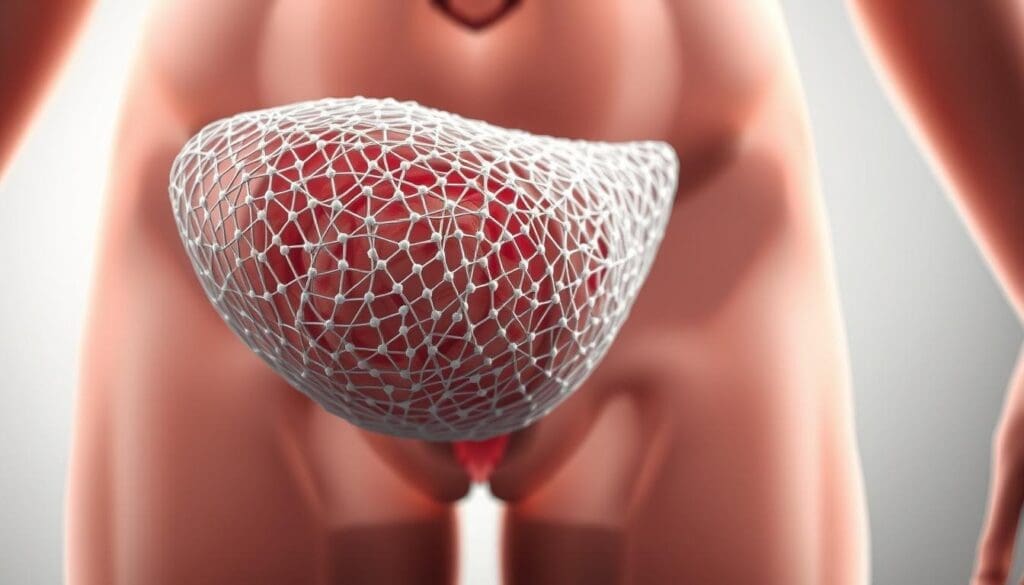
Bladder mesh surgery is a treatment for stress urinary incontinence (SUI). It supports the urethra to prevent leaks. The mesh is made of synthetic material and placed under the urethra.
The mesh works like a hammock. It supports the urethra, keeping it closed during activities that raise abdominal pressure. This includes coughing or sneezing.
How Mesh Support Systems Work
The mesh is a permanent fix for SUI. It creates a supportive sling for the urethra. This helps to keep the urethra closed, reducing incontinence symptoms.
Benefits of Bladder Mesh Surgery
Bladder mesh surgery offers several benefits. It improves continence and reduces SUI symptoms. It also has a quick recovery time.
But, like any surgery, there are risks. These include mesh erosion, infection, and pain. It’s important to weigh these risks against the benefits.
Evaluating Your Candidacy for Bladder Surgery

Before you consider bladder surgery, it’s important to understand if you’re a good candidate. This decision should be made after a thorough evaluation by a healthcare professional. They will assess your overall health and the severity of your bladder issues.
They will look at your medical history, current health, and any previous treatments you’ve tried. This information helps them determine if surgery is the best option for you. They will also discuss the risks and benefits of the procedure.
It’s vital to be honest about your health and any concerns you have. This information is essential for making an informed decision about your treatment. Your healthcare provider will guide you through the process and answer any questions you may have.
Remember, bladder surgery is a serious step. It’s important to carefully consider your candidacy and discuss it with your healthcare provider. They will help you make the best decision for your health and well-being.
Midurethral Sling: The Gold Standard Bladder Mesh Operation
The midurethral sling is a top choice for treating stress urinary incontinence. This condition affects millions of women globally. The procedure adds a supportive sling under the urethra to stop unwanted urine leaks.
Benefits of the Midurethral Sling Procedure
This procedure is very effective against stress urinary incontinence. Many studies show that most patients see a big improvement in their symptoms after it.
Procedure Details
The surgery is done on an outpatient basis, so patients go home the same day. A small incision in the vaginal wall is made to insert the sling. It’s then placed under the urethra for support.
Recovery and Post-Operative Care
Patients can get back to normal in a few weeks. They need to avoid heavy lifting and hard activities to recover well.
Colposuspension and Burch Procedures as Mesh Alternatives
Colposuspension is a surgery that helps treat stress urinary incontinence. It lifts the bladder neck to offer support. This improves life quality.
It’s seen as effective and has a low risk. This makes it a good choice for those avoiding mesh surgery.
Specialized Bladder Control Surgery Options for Women
Women facing urinary incontinence have many surgery choices. The right procedure depends on the cause and their health.
Midurethral Sling Procedures
Midurethral sling procedures are a common fix for stress urinary incontinence. They place a supportive sling under the urethra. This helps control urine flow.
Colposuspension
Colposuspension lifts the bladder neck to boost continence. It’s a good choice for stress urinary incontinence in women.
Before surgery, talking to a healthcare provider about risks and benefits is key. Also, following their instructions is very important.
Male-Specific Urinary Incontinence Procedures
Many men face urinary incontinence, often after prostate surgery. Two main surgeries help: the male sling and the artificial urinary sphincter (AUS). The right choice depends on how bad the incontinence is and the man’s health.
Understanding the Options
The male sling is a less invasive method. It supports the urethra to help control urine. It works well for men with mild to moderate incontinence.
The AUS, though more complex, offers better control over urine. It’s best for men with severe incontinence.
Benefits and Considerations
The male sling is less invasive, leading to faster recovery. But, it might not work as well for severe cases.
The AUS, being more complex, provides strong control. It can be adjusted to fit each patient’s needs.
Making an Informed Decision
Choosing a treatment needs a doctor’s advice. They’ll check your condition and suggest the best option.
Knowing your options helps men with incontinence make better choices. This can greatly improve their life quality.
Weighing the Risks of Bladder Mesh Procedures
Bladder mesh procedures help many people, but they also have risks. It’s important to know about these risks. We need to look at how often and how serious these problems are.
Potential Complications and Side Effects
Bladder mesh surgery can cause chronic pain, infection, and mesh erosion. Mesh erosion is a big worry because it might need more surgery to fix.
A study in the Journal of Urology found mesh erosion rates differ based on the mesh and surgery method. Knowing these risks is key for those thinking about bladder mesh surgery.
| Complication | Frequency | Severity |
| Chronic Pain | Moderate | High |
| Infection | Low | Moderate |
| Mesh Erosion | Low to Moderate | High |
Medical Expert, a top urogynecologist, says careful patient selection and precise surgery are key. She stresses the importance of choosing experienced healthcare providers.
“The decision to undergo bladder mesh surgery should be made after thorough consultation with a healthcare provider, weighing the benefits against the risks.”
Safety Considerations and Regulatory Oversight
The FDA watches over bladder mesh surgery safety. They’ve warned about possible problems, highlighting the need for patient education and monitoring.
Following post-op care and attending follow-ups can lower risk. This helps prevent complications.
In summary, bladder mesh surgery has benefits but also risks. Understanding these risks and consulting with healthcare providers can help patients make smart choices.
Decision-Making Framework for Selecting the Right Procedure
Choosing the right surgery for bladder problems is a big decision. It depends on the type and how bad the problem is. Also, the patient’s health and the good and bad sides of each surgery matter.
It’s important to do a detailed check-up to find the best surgery. This means looking at the patient’s specific problem and their health history. This helps decide the best treatment.
The choice should weigh the good things surgery can do against the possible downsides. Think about how serious the problem is, the chance of complications, and how it might affect the patient’s life.
Critical Questions to Discuss With Your Urologist
Before you have bladder mesh surgery, talking to your urologist is key. Asking the right questions helps you understand the surgery, risks, and recovery. This is important for your peace of mind.
Understanding Your Surgeon’s Experience
It’s important to ask about your surgeon’s experience with bladder mesh surgeries. Find out about their qualifications, how many surgeries they’ve done, and their success rates. This information helps you feel confident in their abilities.
- What experience do you have with bladder mesh surgeries?
- How many procedures like mine have you performed?
Evaluating the Procedure
Knowing about the surgery and its risks is vital. Ask about the surgery details, like the mesh type and possible complications. This helps you understand what to expect.
- What are the possible risks and complications with the surgery?
- How will you handle any problems that might come up during or after the surgery?
Non-Surgical Approaches to Try Before Bladder Surgery
Before looking into surgery, it’s key to try non-surgical ways to handle urinary incontinence. Pelvic floor rehabilitation is a top choice. It strengthens the muscles around the bladder and urethra with exercises like Kegels.
Changing your lifestyle can also help. Avoiding caffeine and spicy foods, managing how much you drink, and keeping a healthy weight are good steps. These actions can ease symptoms.
Some people find relief with alternative therapies like acupuncture. Trying these non-surgical methods might help you manage incontinence without surgery.
Conclusion: Navigating Your Bladder Surgery Decision
Deciding to have bladder surgery is a big choice. It’s important to think it over carefully. You should know your options and talk to a doctor about your worries.
Learning about the surgery, its risks, and benefits is key. This way, you can make a choice that’s best for you. With the right info, you can improve your health and feel better.
FAQ
What is bladder mesh surgery?
Bladder mesh surgery uses synthetic mesh to support the urethra and bladder. It treats urinary incontinence.
What are the benefits of bladder mesh surgery?
Benefits include better continence and reduced incontinence symptoms. It also improves quality of life.
What are the risks associated with bladder mesh surgery?
Risks include mesh erosion, infection, and chronic pain. These are among the possible complications.
How is bladder mesh surgery performed?
The surgery inserts synthetic mesh to support the urethra and bladder.
What is the recovery time for bladder mesh surgery?
Recovery time varies. Most patients can return to normal activities in a few weeks.
Are there alternative treatments to bladder mesh surgery?
Yes, alternatives include pelvic floor rehabilitation and physical therapy. Behavioral modifications are also options.
How effective is bladder mesh surgery?
Effectiveness varies. Studies show many patients see significant symptom improvement and better quality of life.
What are the possible complications of bladder mesh surgery?
Complications include mesh erosion, infection, chronic pain, and urinary retention.
How do I know if I’m a candidate for bladder mesh surgery?
A thorough evaluation by a urologist is needed to determine candidacy.
What are the long-term outcomes of bladder mesh surgery?
Long-term outcomes vary. Many patients see significant symptom improvement and better quality of life.
Can I undergo bladder mesh surgery if I have other medical conditions?
Suitability depends on specific medical conditions and overall health. A urologist’s evaluation is necessary.
How do I prepare for bladder mesh surgery?
Preparation includes diagnostic tests, stopping certain medications, and following a pre-operative routine.
What is the role of pelvic floor rehabilitation in bladder mesh surgery?
Pelvic floor rehabilitation is key. It strengthens muscles and improves bladder control.
References
Complications of Pelvic Prolapse Surgery Using Mesh – https://pmc.ncbi.nlm.nih.gov/articles/PMC11205245/