Aortic valve disease is a serious condition that affects millions worldwide. It causes a lot of suffering and death. Transcatheter Aortic Valve Replacement (TAVR) is a new treatment. It’s a less invasive option compared to traditional open-heart surgery. What is bladder mesh surgery? Learn how transvaginal mesh procedures work to treat stress urinary incontinence and pelvic organ prolapse. (
TAVR uses a catheter to replace the diseased aortic valve with a prosthetic one. This method lowers the risk of complications from open-heart surgery. It also means patients can recover faster.
The benefits of TAVR are clear. It’s less invasive, making it a good choice for those who can’t have traditional surgery. TAVR also improves symptoms and quality of life for those with aortic valve disease.
Understanding TAVR: Procedure and Benefits
Transcatheter Aortic Valve Replacement (TAVR) is a new way to treat severe aortic stenosis. It’s less invasive than traditional open-heart surgery. This means less recovery time and fewer risks.
TAVR is less invasive, leading to smaller cuts and less damage. This results in less pain, fewer complications, and a quicker recovery. Patients can get back to their normal lives faster.
In the TAVR procedure, a catheter is inserted through an artery in the leg. It goes to the heart, where a new valve is placed. This new valve improves heart function and relieves symptoms of aortic stenosis.
Our team of experienced cardiologists and medical professionals are dedicated to providing the highest quality care. We focus on personalized treatment plans. We work closely with each patient to ensure the best possible outcomes.
The Advantages of Choosing TAVR
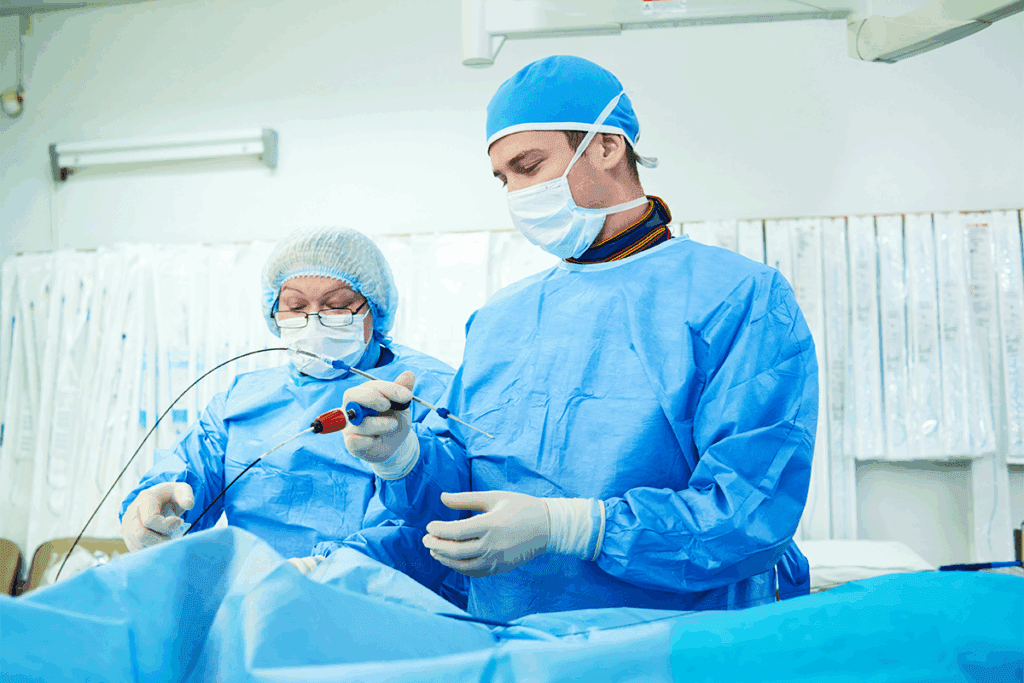
TAVR has changed how we treat aortic stenosis. It offers a less invasive option compared to open-heart surgery. This means less recovery time, less damage to tissues, and it can help high-risk patients.
Choosing TAVR can lead to better results and a quicker recovery. As technology advances, TAVR will likely stay a key treatment for severe aortic stenosis.
Understanding the Risks Associated with TAVR

Risks Associated with TAVR
TAVR, like other medical procedures, carries certain risks and complications. Understanding these risks is key for patients to make informed decisions about their care.
Possible Complications
* Bleeding and Hematoma: As with any invasive procedure, there’s a risk of bleeding and hematoma.
* Infection: Patients are at risk of developing infections, including endocarditis.
* Cardiac Complications: Cardiac arrhythmias and other complications can occur.
It’s essential for patients to discuss these risks with their healthcare provider. This way, they can understand the possible complications and how to mitigate them.
Recovery and Follow-Up Care After TAVR
After TAVR, it’s key to stick to a recovery plan. This helps you heal well and get back to normal.
- Attend all scheduled follow-up appointments with your healthcare provider.
- Monitor your condition and report any unusual symptoms or concerns.
- Follow your doctor’s instructions on managing pain, activity levels, and any lifestyle adjustments.
By following your recovery plan and going to follow-up appointments, you can avoid problems. This ensures the best results for your health.
Conclusion
TAVR is a big step forward in treating heart valve disease. It’s a minimally invasive method that has shown great results. This means it offers hope to those with severe aortic stenosis.
Knowing the good and bad sides of TAVR helps patients make better choices. As technology gets better, TAVR will keep being a key treatment. It will help many people with heart valve disease live better lives.
FAQ
What is TAVR and how does it work?
TAVR, or Transcatheter Aortic Valve Replacement, is a new way to fix a bad aortic valve. It uses a small tube, called a catheter, to reach the heart through an artery in the leg. Then, a new valve is placed inside.
What are the benefits of TAVR compared to traditional open-heart surgery?
TAVR is less risky and less invasive than open-heart surgery. It also means you can recover faster.
What are the possible risks and complications of TAVR?
Even though TAVR is safe, there are risks. These include bleeding, infection, and problems with the new valve. Always talk to your doctor about these risks.
How long does it take to recover from TAVR?
Recovery time can vary. But, most people can get back to their usual activities in a few weeks.
What follow-up care is required after TAVR?
After TAVR, you’ll need to see your doctor for check-ups. They will make sure you’re doing well and adjust your medications if needed.
Is TAVR a suitable option for all patients with aortic valve disease?
No, TAVR isn’t right for everyone. Your doctor will decide if it’s best for you based on your health and medical history.
References
Anatomical Position of Four Different Transobturator Mesh Implants for Female Anterior Prolapse Repair – https://pmc.ncbi.nlm.nih.gov/articles/PMC3862040/