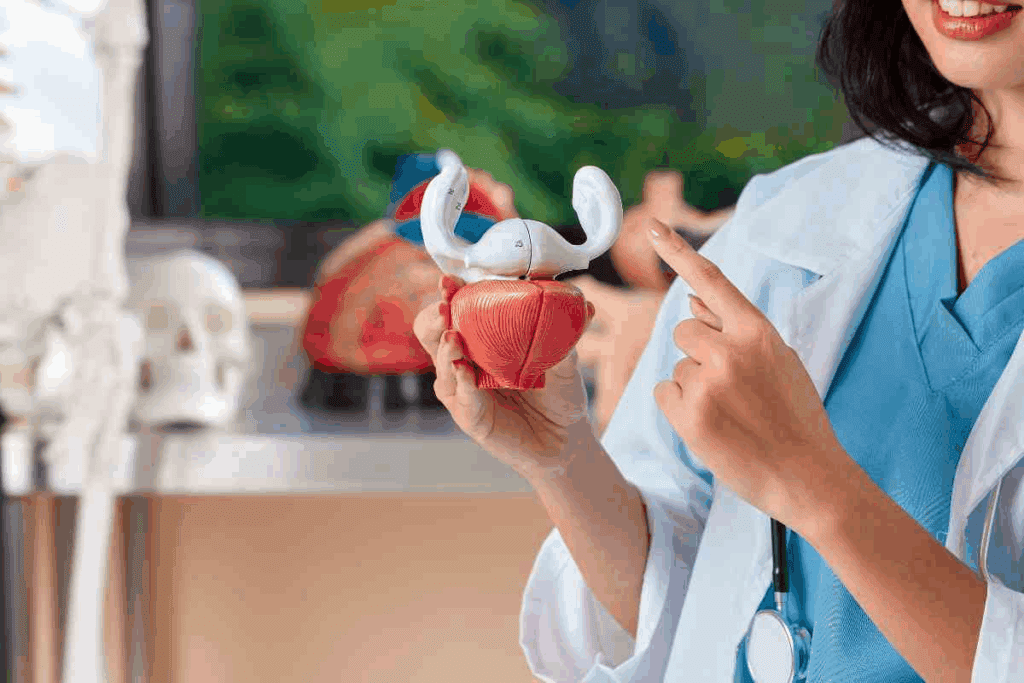
Discover bladder polyp removal recovery time and treatment options for better management.
Having TURBT surgery is a big step in finding and treating bladder cancer. At Liv Hospital, we know how important it is to know about the recovery process. This helps you heal safely and smoothly.
The TURBT procedure is key for those with bladder tumors. It helps doctors see and treat tumors. Knowing what to expect during the recovery period is important for your health.
We help you understand the recovery process. We share trusted, current advice on healing safely and comfortably. Knowing what’s ahead can make you feel less anxious and more confident during recovery.
Key Takeaways
- Understanding the TURBT procedure and its role in treating bladder cancer.
- The typical recovery timeline after TURBT surgery.
- Essential post-operative care instructions for a smooth recovery.
- The importance of follow-up care in the recovery process.
- How to manage common post-surgery symptoms and complications.
What Is TURBT Surgery for Bladder Polyps?
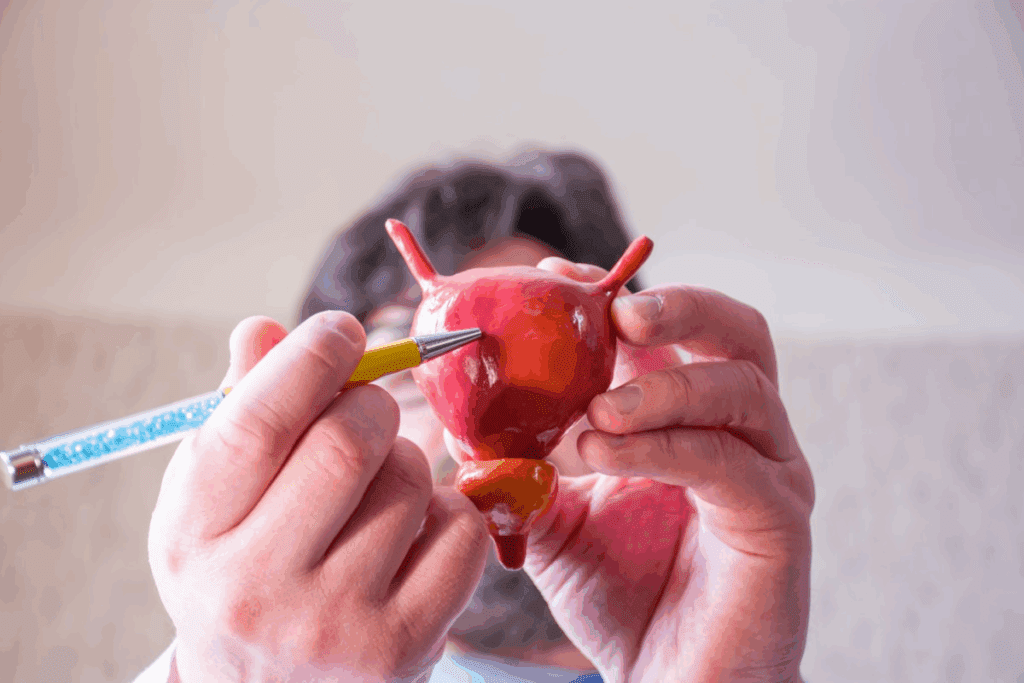
TURBT surgery is a key method for finding and treating bladder tumors. It’s a small surgery that doesn’t need any big cuts. Urologists use it to remove tumors from the bladder without opening the body.
A special tool called a resectoscope is used. It goes through the urethra to reach the bladder. This lets surgeons see and remove the tumor exactly.
The Purpose of Transurethral Resection of Bladder Tumor
The main goal of TURBT surgery is to diagnose and treat bladder tumors by taking out bad tissue. It has several important roles:
- To get tissue samples for tests, figuring out if the tumor is bad or not.
- To take out the tumor, which can stop bleeding or blockage in the urine.
- To see how big the tumor is, helping decide what to do next.
How Bladder Scrape Surgery Works
In a TURBT procedure, the surgeon uses a resectoscope to scrape or shave off bladder wall lesions. Here’s how it works:
- The resectoscope is put through the urethra into the bladder.
- A camera on the resectoscope shows the tumor.
- An electrocautery loop cuts the tumor from the bladder wall.
- The cut-out tissue is taken for more checks.
The TURBT surgery is done under general or spinal anesthesia to make it painless. It usually takes 30 minutes to an hour, depending on the case.
Bladder Polyp Removal Recovery Time: The Complete Timeline
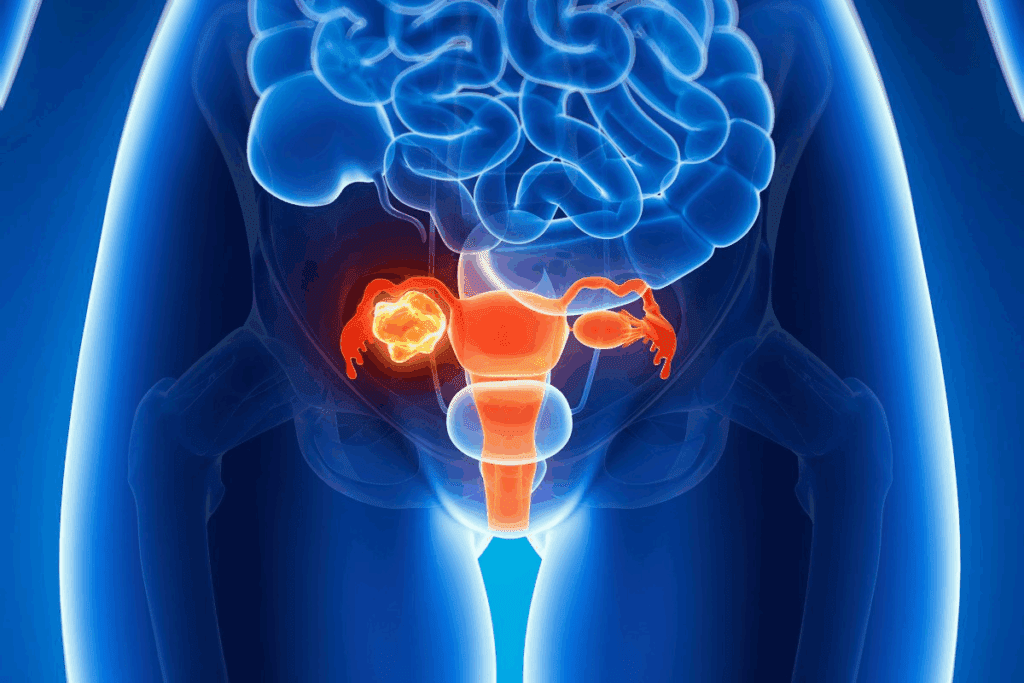
After bladder polyp removal surgery, patients go through three main recovery phases. Knowing these stages helps manage expectations and ensures a smooth recovery.
Immediate Recovery (First 48 Hours)
The first 48 hours are key for initial healing. Patients might feel discomfort, need to urinate often, and see some bleeding. Rest is key during this time to help the bladder heal.
Common symptoms include:
- Urinary urgency and frequency
- Blood-tinged urine
- Mild discomfort or pain in the lower abdomen
Short-Term Recovery (Days 3-14)
As healing continues, patients move into the short-term recovery phase. Symptoms from the first 48 hours start to lessen, but some discomfort may remain. Staying hydrated and following medication is vital.
| Day | Common Symptoms | Care Tips |
| 3-5 | Reduced bleeding, some urinary urgency | Increase fluid intake, avoid strenuous activities |
| 6-10 | Gradual improvement in urinary symptoms | Continue hydration, consider pelvic floor exercises |
| 11-14 | Most symptoms diminish, some fatigue | Resume light activities, follow-up with healthcare provider |
Complete Healing (2-6 Weeks)
Full healing of the bladder lining takes 2 to 6 weeks after surgery. Patients can slowly return to normal activities. But, following your healthcare provider’s advice on activity and follow-up care is essential.
Understanding the recovery timeline helps patients navigate their post-surgery journey. It’s important to stay informed and follow the recommended care plan for optimal healing.
Must-Know Fact #1: Catheter Use Is Essential After Surgery
After TURBT surgery for bladder polyp removal, using a catheter is key to recovery. It might seem scary, but it’s vital for your bladder to heal right.
Why Is a Catheter Needed After Bladder Polyp Removal?
A catheter is needed after TURBT surgery to help the bladder heal and avoid urinary retention. The surgery makes the bladder swell and can irritate it. The catheter drains the bladder, letting it rest and heal, reducing risks.
“Using a catheter after TURBT surgery is common,” says Medical Expert, a urologist. “It helps avoid urinary retention and ensures the bladder heals well.”
Typical Duration of Catheter Use (2-4 Days)
How long you use a catheter varies, but usually, it’s 2-4 days. This time lets the bladder lining heal and lowers bleeding and clot risks.
It’s important to follow your doctor’s advice on catheter care and removal. They’ll tell you how to manage it at home and when it’s okay to remove it.
Managing Your Catheter at Home
At home, you need to take care of your catheter. Here are some tips:
- Keep the catheter and drainage bag clean and secure.
- Empty the drainage bag often to avoid overflow.
- Watch the urine output and tell your doctor if you have any issues.
- Avoid activities that might move the catheter.
Following these tips is key to avoiding problems and having a smooth recovery.
Understanding the need for a catheter after TURBT surgery and following your healthcare team’s advice will help you through this part of your recovery.
Must-Know Fact #2: Urinary Changes Are Normal During Recovery
After TURBT surgery, patients often notice changes in how they urinate. These changes can be scary, but knowing what to expect can help. It makes the recovery process easier.
Why Am I Urinating So Much After Bladder Polyps Surgery?
Many people urinate more after TURBT surgery. This is due to several reasons. The bladder lining gets irritated, a catheter is used, and the body reacts to the surgery. As the bladder heals, urination frequency usually goes back to normal.
To deal with frequent urination, try these tips:
- Drink less water in the evening to avoid midnight bathroom trips
- Stay away from caffeine and alcohol, as they can irritate the bladder
- Do pelvic floor exercises to strengthen the muscles that control urination
Blood in Urine After TURBT: What’s Normal?
Seeing blood in your urine, or hematuria, is common after TURBT surgery. The blood can range from a light pink to a deep red. Usually, this symptom gets better as you heal.
Here’s what to expect with blood in urine after TURBT:
| Timeline | Expected Presence of Blood |
| First 48 hours | Often more pronounced, possibly with clots |
| 2-4 days post-surgery | Gradual decrease in blood presence |
| 1-2 weeks post-surgery | Usually significantly reduced, may have occasional spotting |
Keeping an eye on urinary changes and knowing what’s normal during recovery is key. If you’re worried about blood in your urine or have other symptoms like severe pain or trouble urinating, reach out to your healthcare provider.
Must-Know Fact #3: Physical Activity Restrictions Are Crucial
To have a successful recovery, it’s key to know and follow the physical activity rules after TURBT surgery. Your body needs time to heal after this procedure. Some activities can help, while others can hinder the healing process.
During recovery, it’s important to avoid actions that stress your bladder and the surgical site. This is why physical activity restrictions are important.
Avoiding Heavy Lifting for 1-3 Weeks
One major rule is to avoid heavy lifting. Heavy lifting can strain your abdominal muscles and put pressure on your bladder, which can lead to complications. It’s best to avoid lifting anything heavier than 10-15 pounds (about 4.5 to 6.8 kilograms) for 1-3 weeks after surgery.
- Avoid lifting heavy objects, including groceries or children.
- Refrain from engaging in strenuous activities like weightlifting or intense exercise.
- Be cautious when bending or straining, as these actions can also put pressure on your bladder.
Gradual Return to Normal Activities
While avoiding strenuous activities is important, it’s also key to gradually return to your normal routine. Gradual resumption of activities helps your body adjust and heal more effectively. Start with light activities like short walks and gradually increase the intensity and duration as your body allows.
Here are some guidelines for a gradual return to normal activities:
- Begin with short, gentle walks around your home or neighborhood.
- Gradually increase the distance and duration of your walks over time.
- Reintroduce daily activities like cooking, cleaning, and personal care at a comfortable pace.
- Listen to your body and rest when needed.
Exercise Guidelines During TURBT Recovery
Exercise is important for overall health, but during TURBT recovery, it’s essential to follow specific guidelines. Low-impact exercises are generally recommended as they promote circulation and healing without putting excessive strain on your bladder.
Some examples of low-impact exercises you can consider during recovery include:
- Gentle stretching exercises to maintain flexibility.
- Short walks or light cardio, as tolerated.
- Pelvic floor exercises (like Kegels) to strengthen the muscles around your bladder.
It’s important to talk to your healthcare provider before starting or resuming any exercise routine during your recovery. They can give you personalized advice based on your specific condition and progress.
By following these physical activity restrictions and guidelines, you can significantly contribute to a smooth and successful recovery after TURBT surgery. Remember, your body’s healing process is unique. Being patient and cautious during this period is key to avoiding complications and ensuring the best possible outcome.
Must-Know Fact #4: Possible Complications to Watch For
Knowing about TURBT surgery complications helps patients understand what to expect. While TURBT is usually safe and works well, there are risks and complications to be aware of.
Blood in Urine 2 Months After TURBT: When to Worry
Seeing blood in urine after TURBT surgery is common. Usually, it goes away in a few weeks. But, if you see blood 2 months later, you should talk to your doctor.
Spotting now and then is okay, but constant or heavy bleeding isn’t. If you see blood clots or a lot of blood, get help right away.
Infection Signs and Symptoms
Infections after TURBT surgery are rare but can happen. Knowing the signs helps catch an infection early. Look out for:
- Fever over 100.4°F (38°C)
- Pain or burning when you pee
- Needing to pee a lot or right away
- Cloudy or smelly pee
- Stomach or pelvic pain
If you notice these symptoms, call your doctor. Antibiotics can usually fix an infection quickly.
Urinary Retention Issues
Some people might have trouble peeing after TURBT surgery. This makes it hard to fully empty the bladder.
If you can’t pee fully or feel like you’re not emptying your bladder, talk to your doctor. They might suggest using a catheter or other treatments.
Must-Know Fact #5: Follow-Up Care Is Essential
Follow-up care after bladder tumor surgery is key to your bladder health. The time after TURBT surgery can be filled with questions. But, follow-up care is vital to watch for tumor signs and fix any problems quickly.
Typical Follow-Up Schedule After Bladder Tumor Surgery
The follow-up schedule varies based on the tumor’s stage, grade, and your health. We suggest regular check-ups and surveillance cystoscopy. Your doctor will make a plan just for you.
The first follow-up is usually a few weeks after surgery. Later visits are spaced out over months. Sticking to this schedule helps catch and fix problems early.
Surveillance Cystoscopy: What to Expect
Surveillance cystoscopy checks the bladder for tumor signs. A thin, flexible tube with a camera is used. This lets your doctor see the bladder lining closely.
This procedure is quick and usually painless. Your doctor might use local anesthesia to make it more comfortable. The results help monitor your condition and adjust your treatment if needed.
By following the recommended schedule and surveillance cystoscopy, we can ensure your bladder health. Remember, follow-up care is a big part of your recovery and long-term health.
Must-Know Fact #6: Diet and Hydration Impact Recovery
Your diet and how much you drink can affect healing after TURBT surgery. Eating well and drinking enough water are key for recovery.
Optimal Fluid Intake After TURBT
Drinking plenty of water is vital for bladder health and recovery. Aim for 8-10 glasses a day to help your body heal.
Benefits of Adequate Hydration:
- Helps prevent urinary tract infections
- Flushes out bacteria and debris from the bladder
- Supports overall bladder health
Foods That Support Bladder Healing
Some foods can help your bladder heal faster. Here are a few:
| Food | Benefits |
| Cranberries | May help prevent UTIs |
| Probiotic-rich foods (yogurt, kefir) | Support gut and urinary tract health |
| Leafy greens (spinach, kale) | Rich in antioxidants and nutrients |
“A healthy diet rich in fruits, vegetables, and whole grains can help support the healing process after surgery.” – American Urological Association
What to Avoid During Recovery
Some foods and drinks can irritate your bladder or slow recovery. Avoid these:
- Spicy foods
- Caffeine
- Alcohol
- Acidic foods (citrus fruits, tomatoes)
By choosing the right foods and drinking enough water, you can help your body heal faster after TURBT surgery.
Must-Know Fact #7: Medication Management Is Important
Proper medication management is key for a smooth recovery after TURBT surgery. It can be tough to handle all the medications after the procedure. But, it’s vital for reducing pain and avoiding complications.
Pain Control Options After TURBT
Managing pain well is important for recovery. We usually give pain relief meds to help with discomfort. Always follow the dosage instructions and tell your doctor if the pain is severe or doesn’t go away.
“Pain is what happens when you’re not living the life you want,” but after TURBT surgery, it’s a sign your body needs care. Following your pain management plan will help you feel better.
Antibiotics and Their Purpose
Antibiotics are given after TURBT surgery to stop infection. It’s important to finish all antibiotics, even if you start feeling better early. This makes sure any bacteria are fully cleared.
- Take antibiotics at the same time every day to keep levels steady.
- Don’t skip doses or stop antibiotics without talking to your doctor.
- Tell your doctor about any side effects or worries.
When to Take Medications
Knowing when and how to take your meds is key. Take pain meds with food to avoid stomach upset. Antibiotics should be taken at regular times to work best.
Stick to the medication schedule your healthcare team gives you for a smooth recovery. If you have questions or concerns about your meds, contact your healthcare provider.
By managing your meds well and following your healthcare provider’s advice, you can avoid complications and help your body heal after TURBT surgery.
What to Expect After Bladder Tumor Removal: Week by Week Guide
After TURBT surgery, patients go through a healing process that lasts weeks. Knowing what to expect each week can help manage recovery. We’ll walk you through the healing stages, covering what to expect and how to care for yourself.
Week 1: Initial Healing Phase
The first week is key for healing. You might feel pain, need to urinate often, and see some bleeding. It’s important to follow your doctor’s instructions, including catheter care and pain management. Resting and avoiding hard activities are also important.
Weeks 2-3: Intermediate Recovery
By weeks 2-3, you’ll likely feel better. The catheter is removed, and urine issues start to lessen. Some bleeding might continue, but you can start light exercises. It’s vital to keep up with doctor visits to check on your healing.
Weeks 4-6: Return to Normal Function
By weeks 4-6, you’re mostly back to normal. Urine issues should be much better, and you can do more exercise. Drinking water and eating well helps your bladder. Be ready for any complications and know when to see a doctor.
Keeping in touch with your healthcare team is key. They offer tailored advice and support. Knowing what to expect at each stage helps you heal fully and get back to your life.
TURBT in Bladder Cancer: Recovery Differences Based on Tumor Type
The recovery after TURBT surgery for bladder cancer changes based on the tumor type. Bladder cancer is divided into non-muscle invasive and muscle invasive types. Each type affects recovery differently.
Non-Muscle Invasive vs. Muscle Invasive Recovery
Non-muscle invasive bladder cancer (NMIBC) stays in the bladder lining. Muscle invasive bladder cancer (MIBC) goes deeper into the bladder wall. The recovery for these two types is different.
Recovery for NMIBC is usually quicker, with most people getting back to normal in a few weeks. MIBC, on the other hand, needs more intense treatments like radical cystectomy or chemotherapy. This makes recovery longer and more challenging.
Recovery After Multiple TURBT Procedures
Some patients have to go through multiple TURBT procedures. This could be for recurring NMIBC or as part of MIBC treatment. Each procedure can affect recovery.
Having multiple TURBTs might make recovery a bit longer because of the extra stress on the bladder. But, this can vary based on individual factors and the specific situation.
Additional Treatments and Their Impact on Recovery
Other treatments like intravesical chemotherapy or immunotherapy for NMIBC, or systemic chemotherapy and radiation for MIBC, also play a role in recovery.
These treatments can lead to side effects like fatigue, urinary issues, or a higher risk of infection. Knowing about these effects is key to managing recovery well.
Talking to your healthcare provider about your treatment plan and expected recovery is important. They can offer personalized advice.
Conclusion: Optimizing Your Recovery After Bladder Polyp Removal
Recovering well after bladder polyp removal needs a good care plan. It’s key to follow a clear recovery process for the best healing after TURBT surgery.
Managing your meds, going to follow-up visits, and making lifestyle changes can help a lot. It’s important to stick to the doctor’s post-op instructions. This helps avoid problems and makes recovery smoother.
Knowing the signs of complications and when to get help is also important. Being informed and active helps you get through recovery confidently. This way, you can have the best outcome after bladder polyp removal.
FAQ
What is TURBT surgery and how is it performed?
TURBT (Transurethral Resection of Bladder Tumor) surgery is a method to treat bladder cancer. It uses a resectoscope to remove tumors from the bladder.
Why is a catheter needed after bladder polyp removal?
After removing bladder polyps, a catheter is used. It helps drain urine and aids in the bladder’s healing.
How long does it take to recover from TURBT surgery?
Recovery from TURBT surgery can take 2-6 weeks. This time allows for full healing.
Why am I urinating so much after bladder polyps surgery?
Frequent urination after surgery is normal. It’s due to the bladder’s reaction and the catheter’s presence.
Is blood in urine after TURBT normal?
Some blood in urine after TURBT is okay. But, watch the amount. Seek help if it’s a lot or doesn’t stop.
What are the signs of infection after TURBT surgery?
Signs of infection include fever, chills, and pain or burning while urinating.
How long should I avoid heavy lifting after TURBT surgery?
Avoid heavy lifting for 1-3 weeks after surgery. This helps prevent complications.
What is the typical follow-up schedule after bladder tumor surgery?
Follow-up after surgery varies. It usually includes regular cystoscopy checks to watch for tumor return.
How can I support my bladder healing through diet and hydration?
Drinking lots of fluids and eating a balanced diet helps. Include fruits, vegetables, and whole grains.
What medications are typically prescribed after TURBT surgery?
You might get pain meds and antibiotics. They help manage pain and prevent infection.
Can I exercise after TURBT surgery?
Follow exercise guidelines after surgery. Gradually return to normal activities to avoid issues.
How does the type of bladder cancer affect recovery after TURBT surgery?
The type of bladder cancer affects recovery. Non-muscle invasive or muscle invasive cancer impacts the healing process differently.
References
Government Health Resource. (2025). Bladder Polyp Removal Recovery Time 7 MustKnow Facts. Retrieved from https://www.brighamandwomens.org/assets/BWH/surgery/urology/pdfs/turbt-brochure.pdf