

Bladder leakage is a common problem that affects many people. Luckily, exercises like Kegels can help. They strengthen the pelvic floor muscles bladder workout.
To stop bladder leakage, it’s important to be consistent and patient. Adding pelvic floor exercises to your daily routine can help. This way, you can better control your bladder and reduce leakage.
Understanding Urinary Incontinence
Urinary incontinence is when you leak urine without meaning to. It affects over 60% of women at some point. This condition can really change your life, affecting your health, feelings, and social life.
Types of Urinary Incontinence
There are different kinds of urinary incontinence. The main ones are stress incontinence, urge incontinence, and mixed incontinence.
- Stress Incontinence: This happens when moving or pressure on the bladder makes you leak. Things like coughing, sneezing, laughing, or lifting can trigger it.
- Urge Incontinence: It’s when you suddenly feel a strong need to pee and then leak. It’s often linked to an overactive bladder.
- Mixed Incontinence: This is when you have symptoms of both stress and urge incontinence.
Common Causes of Bladder Leakage
There are many reasons for bladder leakage. These include weak pelvic floor muscles, neurological disorders, some medicines, and lifestyle choices. Knowing these causes helps in finding ways to manage it.
| Cause | Description |
| Weakened Pelvic Floor Muscles | This can happen due to childbirth, aging, or surgery, leading to stress incontinence. |
| Neurological Disorders | Conditions like Parkinson’s disease or multiple sclerosis can affect bladder control. |
| Lifestyle Factors | Smoking, being overweight, and drinking too much caffeine can make incontinence worse. |
The Impact on Quality of Life
Urinary incontinence can really affect your life. It can make it hard to do daily things, keep up with friends, and feel good emotionally. But, with the right treatment, you can feel better.
Knowing about urinary incontinence helps you manage it. You can try bladder leakage exercises and other home remedies for incontinence. These can help a lot.
The Science Behind Bladder Control
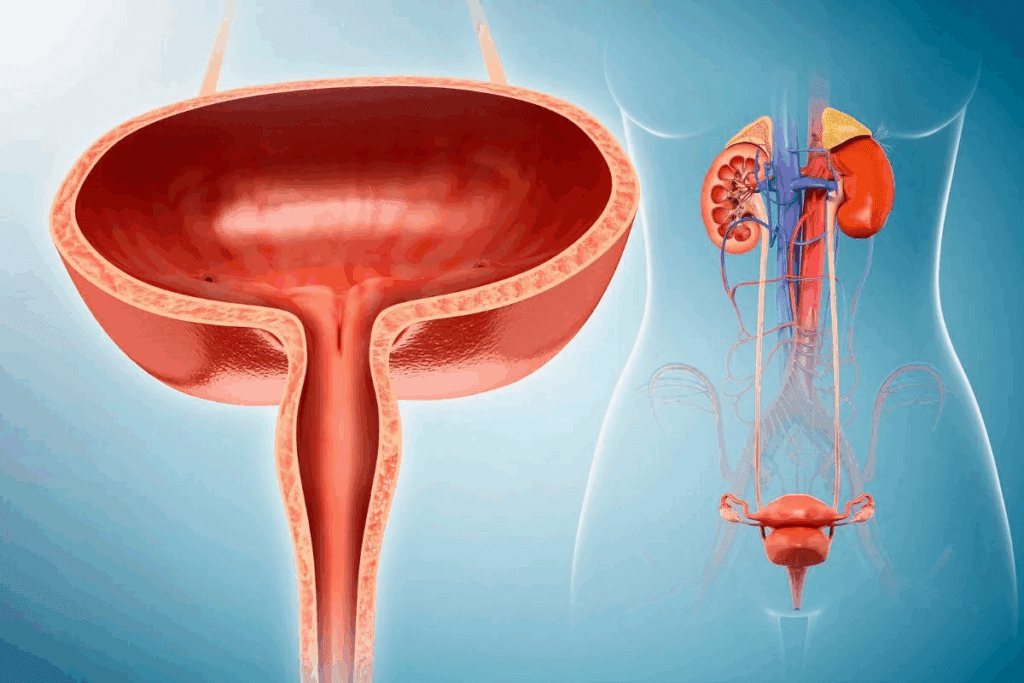
Bladder control is a complex process. It involves muscles, nerves, and tissues working together. The strength and coordination of the pelvic floor muscles are key.
Anatomy of the Pelvic Floor
The pelvic floor is like a hammock. It stretches from the pubic bone to the tailbone. It holds pelvic organs in place and is vital for bladder control and sexual health.
Understanding the pelvic floor is important for urinary incontinence. Its muscles and tissues support the bladder and urethra. This support is key for staying dry, even when you cough or lift.
How Muscle Weakness Leads to Leakage
Weak pelvic floor muscles can cause incontinence. This is because they don’t support the bladder and urethra well. Exercising these muscles can help improve bladder control.
Age, pregnancy, and childbirth can weaken these muscles. As we get older, our muscles naturally weaken. Pregnancy and childbirth can also damage them, leading to incontinence.
The Role of the Urethral Sphincter
The urethral sphincter is vital for continence. It controls urine flow from the bladder. A strong sphincter is key to preventing leaks.
To prevent incontinence, it’s important to keep the pelvic floor and urethral sphincter strong. This can be done with best exercises for bladder control and healthy habits.
The science of bladder control is complex. By understanding the pelvic floor and urethral sphincter, we can take steps to prevent incontinence. This improves our quality of life.
Who Is at Risk for Bladder Leakage?
Bladder leakage is a common problem that affects millions globally. As we get older, our chances of having urinary incontinence grow. Medical conditions like diabetes and neurological disorders also raise the risk.
Keeping a healthy lifestyle is key. Eating well and exercising regularly can lower your risk. Knowing the risk factors and taking steps to avoid them can also help prevent bladder leakage.
Understanding bladder leakage’s causes and risk factors is important. It helps people take steps to keep their bladder healthy. This way, they can reduce the chance of experiencing this issue.
The Complete Bladder Workout Program
To tackle bladder leakage, it’s essential to adopt a complete approach. This includes exercises, lifestyle changes, and dietary adjustments.
Exercises for a Stronger Bladder
Start with Kegel exercises, which target the pelvic floor muscles. To do Kegels, contract your muscles as if stopping urine flow. Hold for a few seconds, then release. Repeat 10-15 times, three times a day.
Also, add exercises that strengthen your core and improve health. Try planks, bridges, and pelvic tilts.
Lifestyle Adjustments for Better Bladder Control
Making a few simple lifestyle changes can help. Avoid irritants like caffeine and spicy foods. Also, maintain a healthy weight and practice good toilet habits.
By combining these exercises and lifestyle changes, you can improve bladder control. This will enhance your overall quality of life.
Mastering Kegel Exercises
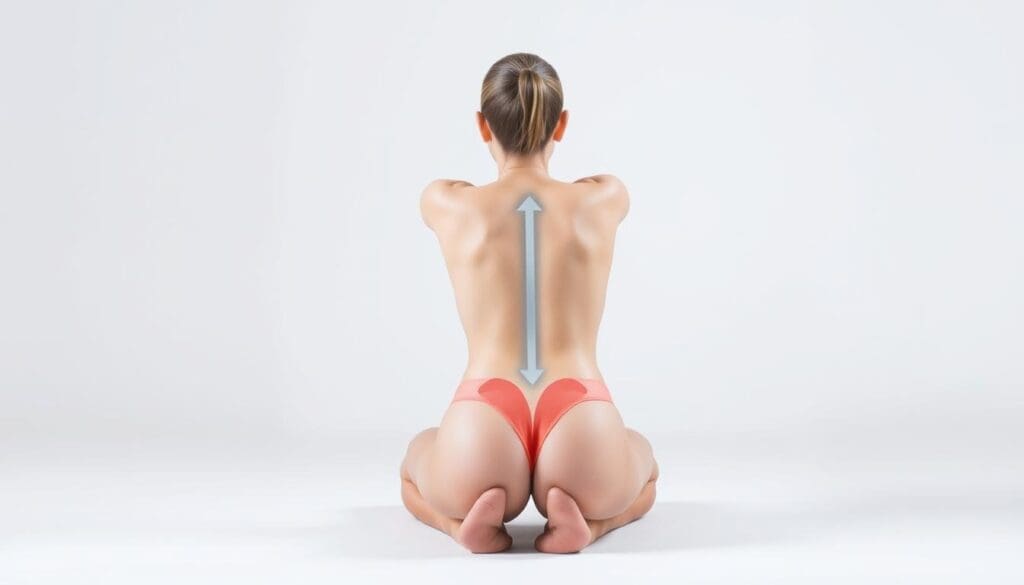
Learning Kegel exercises is key to better bladder control and less urine leakage. These exercises strengthen your pelvic floor muscles. This can greatly reduce bladder issues and improve your life quality.
How to Identify Your Pelvic Floor Muscles
To begin with Kegels, first find your pelvic floor muscles. Try stopping urine flow midstream to locate them. But, do this only occasionally to avoid bladder problems.
Instead, focus on the muscles that stop urination. Hold this contraction for a few seconds. You can also insert a finger into your vagina (for women) or anus (for men) to feel the muscles squeeze.
Proper Kegel Technique
To do a Kegel right, contract your pelvic floor muscles for five seconds. Count out loud to keep breathing steady. Then, relax for five seconds. Do this ten to fifteen times, three times a day.
Keep your breathing relaxed while doing Kegels. Avoid holding your breath or tightening your abdominal muscles to avoid strain.
Common Mistakes to Avoid
A common error is not engaging the pelvic floor muscles correctly. Make sure you’re not just squeezing your buttocks or thighs. Also, don’t forget to relax between contractions to avoid muscle fatigue.
- Don’t overdo it – too many Kegels can strain your muscles.
- Avoid doing Kegels with a full bladder, as this can lead to leakage.
- Be consistent – Kegels are most effective when done regularly.
By mastering Kegel exercises and avoiding common mistakes, you can strengthen your pelvic floor muscles. This can help reduce urine leakage. Adding these exercises to your daily routine can greatly improve bladder control.
Progressive Pelvic Floor Training
Progressive pelvic floor training helps improve bladder control with exercises. It starts with simple exercises and gets harder as you get better. This way, you strengthen your pelvic floor muscles and control your bladder better.
It’s important to be consistent and patient as you go through the training. Our program is designed to fit your pace. This means you can move at your own speed.
Beginner Level Exercises
For beginners, starting with simple exercises is key. These exercises help you find and use your pelvic floor muscles. You’ll learn to do deep breathing, basic Kegel exercises, and slow contractions.
Do these exercises 3-4 times a day. This will help you build a strong base.
Intermediate Strengthening
Once you’re comfortable with the basics, it’s time for more challenging exercises. These exercises make your pelvic floor muscles stronger and more durable. You’ll learn to do longer Kegels, add resistance, and move in ways that work your pelvic floor.
Medical Expert, a urogynecologist, says pelvic floor training really works. “I’ve seen patients get much better at controlling their bladder through regular training.”
“Pelvic floor training is not just about Kegels; it’s about creating a strong foundation for overall pelvic health.”
Medical Expert, Urogynecologist
Advanced Pelvic Floor Workouts
For those who have done the basics, advanced workouts are next. These workouts are even more challenging and help keep your pelvic floor muscles strong. You might do complex Kegels, mix exercises with yoga or Pilates, or use special equipment.
| Exercise Level | Key Exercises | Frequency |
| Beginner | Basic Kegels, Deep Breathing | 3-4 times a day |
| Intermediate | Longer Kegels, Resistance Training | 3-4 times a day |
| Advanced | Complex Kegel Routines, Yoga/Pilates Integration | 3-4 times a day |
By following this program, you can see big improvements in bladder control and pelvic health.
Exercises to Stop Leaking Urine When Running
To stop urine leakage while running, you need to strengthen your pelvic floor muscles. Also, improving your running technique is key. Here are some tips to help you:
Pre-Run Preparation Techniques
Before running, prepare your body with simple exercises.
- Kegel Exercises: Strengthen your pelvic floor muscles by contracting and releasing them repeatedly.
- Pelvic Tilts: Lie on your back with your knees bent and feet flat on the floor. Tilt your pelvis upwards and then downwards, repeating the motion several times.
Exercises During Running
Keep good form while running to avoid leakage.
- Proper Posture: Keep your head up, shoulders relaxed, and engage your core.
- Breathing Techniques: Practice deep, rhythmic breathing to help you relax and maintain a steady pace.
Post-Run Recovery
After running, focus on stretching and cooling down. This helps prevent leakage and reduces muscle soreness.
- Stretching: Focus on stretching your legs, hips, and lower back.
- Cool Down: Gradually bring your heart rate and breathing back to normal with gentle stretches.
Gender-Specific Incontinence Exercises
Managing urinary incontinence needs a personal approach. This is because men and women are different in how their bodies work. Exercises are key to making the pelvic floor muscles stronger. This helps control the bladder better.
Exercises for Women
Women should try Kegel exercises. First, find the muscles that stop urine flow. Then, squeeze them for 5-10 seconds and relax. Do this 10-15 times, three times a day.
Exercises for Men
Men can also do Kegels to strengthen their pelvic floor. This helps the muscles around the bladder and urethra. Doing Kegels regularly can improve bladder control.
Adding these exercises to your daily life can help manage urinary incontinence. It can also make your life better overall.
Natural Remedies and Lifestyle Changes
Managing urinary incontinence requires a mix of diet changes, lifestyle tweaks, and natural remedies. Eating more fiber from fruits, veggies, and whole grains helps control bowel movements. This reduces pressure on the bladder. Drinking lots of water is also key, as it makes urine less concentrated and less irritating.
Doing pelvic floor exercises, like Kegels, can strengthen muscles that help control the bladder. It’s also wise to avoid things that can irritate the bladder, like caffeine, spicy foods, and drinks.
By making these changes, people can actively manage their urinary incontinence. This can greatly improve their quality of life.
Tracking Progress and Overcoming Plateaus
As you keep working on managing incontinence, it’s key to track your progress. You might need to make changes along the way. Here are some strategies to help you:
Monitoring Your Progress
Writing down your exercises in a journal or using an app can be helpful. It lets you see any changes in your symptoms. This way, you can figure out what works best for you.
Strategies for Overcoming Plateaus
If you hit a plateau, don’t get discouraged. Here are some tips to help you move forward:
- Check if you’re doing your exercises right and regularly.
- Try new exercises or change your current ones a bit.
- Get advice from a healthcare expert or a pelvic health physical therapist.
By following these steps and staying focused on your goals, you can beat plateaus. This way, you can keep improving your bladder control.
Professional Treatment Options
Managing urinary incontinence requires a mix of lifestyle changes, pelvic floor exercises, and sometimes medical help. Knowing the causes and types of incontinence helps find the right treatment. A plan that includes lifestyle changes, physical therapy, and surgery when needed can greatly improve life quality.
It’s important to talk to healthcare experts to create a treatment plan that fits your needs. They can help you find the best way to manage your incontinence.
Conclusion
Strengthening your pelvic floor muscles through exercises like Kegels can help you control your bladder better. This can also lower the chance of urinary incontinence. It’s important to be consistent and patient.
Changing your lifestyle and sticking to your exercise routine are key. This way, you can beat urinary incontinence and take back control of your bladder. Start your journey towards a healthier, more confident you today.
FAQ
Q: What is the most effective way to stop bladder leakage?
A: To stop bladder leakage, try a mix of pelvic floor exercises, lifestyle changes, and professional help when needed.
Q: How do I identify the correct muscles to exercise for bladder control?
A: To find the right muscles, try stopping urine flow mid-stream. These are the muscles you should exercise.
### Q: Can I stop bladder leakage without surgery?
A: Yes, many people manage bladder leakage with exercises, lifestyle changes, and non-surgical treatments.
Q: What are the benefits of pelvic floor exercises?
A: Pelvic floor exercises strengthen the muscles around the bladder. This improves bladder control and lowers leakage risk.
Q: How often should I do pelvic floor exercises?
A: Do pelvic floor exercises 3-4 times a day for best results.
Q: Can I do pelvic floor exercises during pregnancy?
A: Yes, pelvic floor exercises are safe and beneficial during pregnancy. They help prevent incontinence and improve bladder control.
Q: Are there any lifestyle changes that can help with bladder leakage?
A: Yes, staying at a healthy weight, avoiding caffeine and spicy foods, and good bowel habits can help with bladder leakage.
Q: When should I seek medical attention for bladder leakage?
A: If bladder leakage persists or worsens, or if exercises and lifestyle changes don’t work, seek medical help.
Q: What are the treatment options for bladder leakage?
A: Treatment options include pelvic floor physical therapy, medication, or surgery, based on the cause and severity.
Q: Can bladder leakage be cured?
A: Many cases of bladder leakage can be managed and improved with the right treatment and lifestyle changes. A “cure” depends on the cause and individual situation.
References
National Center for Biotechnology Information. (2025). How to Stop Bladder Leakage Exercises That Work. Retrieved from https://pmc.ncbi.nlm.nih.gov/articles/PMC10301414/



 Departments
 Related Videos
 Our Doctors
 News
News