
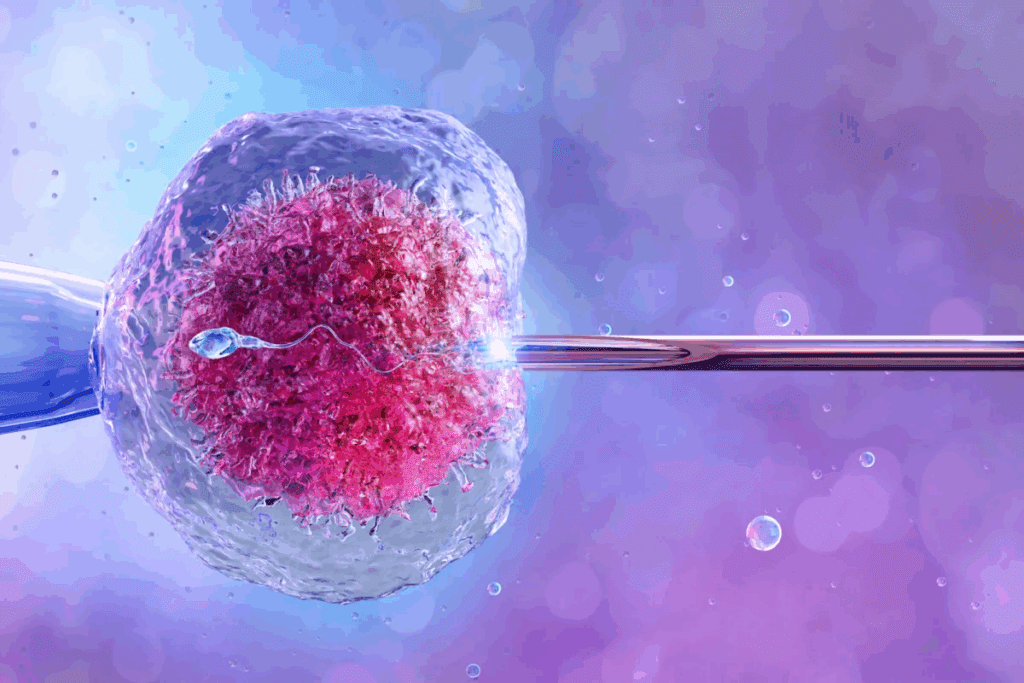
Knowing aboutblastocyst implantation stages is key for those trying to get pregnant. This important step happens about 6 to 8 days after fertilization. It’s a vital part of starting a successful pregnancy.
At Liv Hospital, we know how important this stage is. We offer expert advice and top-notch care. The blastocyst travels from the fallopian tube to the uterus. It starts to hatch around 4 to 5 days after fertilization.
This amazing process is called nidation. It shows how well the embryo and the mother’s body work together. We’ll look into the implantation definition biology and its stages. This will help you understand this essential part of early pregnancy.
Key Takeaways
- Blastocyst implantation occurs 6 to 8 days after fertilization.
- The process involves the blastocyst hatching and entering the uterus.
- Nidation is a critical step in early pregnancy.
- Liv Hospital provides expert guidance for individuals pursuing pregnancy.
- Understanding implantation biology is essential for successful pregnancy.
The Journey of Fertilization to Blastocyst Formation
The journey from fertilization to blastocyst formation is complex and well-coordinated. It includes several stages. These stages go from the egg and sperm fusion to the development of a structure ready for implantation in the uterus.
From Egg and Sperm to Zygote
The journey starts with fertilization. A sperm enters the egg’s outer layer, merging genetic material from both parents. This creates a zygote, a single cell with all the genetic info needed for a new life.
The zygote is the first stage of embryonic development. It’s key for starting the developmental process.
Cell Division and Morula Development
After fertilization, the zygote divides several times, a process called cleavage. These divisions form a cluster called a morula. The morula stage is when cells are tightly packed but haven’t differentiated yet.
- The morula is a critical stage in embryonic development, marking the transition towards more complex structures.
- During this stage, the cells begin to undergo compaction, where they tightly adhere to each other.
Blastocyst Structure and Composition
As development progresses, the morula turns into a blastocyst. The blastocyst has two main cell groups: the inner cell mass (ICM) and the trophectoderm. The ICM will become the fetus, while the trophectoderm forms the placenta and other supporting tissues.
The blastocyst has a fluid-filled cavity, the blastocoel, surrounded by the trophectoderm. This structure is essential for implantation, allowing the embryo to connect with the uterine lining.
- The inner cell mass is vital for fetal development, containing cells that will form the embryo.
- The trophectoderm is key for implantation and forming placental tissues.
What Is Implantation in Pregnancy?
The process of implantation, or nidation, is key to a successful pregnancy. It’s when the blastocyst attaches to the uterine lining. This complex interaction is the start of fetal growth.
Definition of Implantation (Nidation)
Implantation is when the blastocyst attaches to the uterus lining. It’s a vital step for pregnancy to begin. It lets the embryo get nutrients and get rid of waste.
Timing of Implantation After Fertilization
Implantation happens about 6 to 8 days after fertilization. This timing is important. It matches when the uterus is ready for a pregnancy, thanks to hormonal changes.
Biological Significance in Early Pregnancy
The biological significance of implantation is huge. It starts a pregnancy by linking the embryo to the mother’s blood. This lets the embryo get what it needs to grow.
In short, implantation is a critical step in pregnancy. Knowing about it helps us understand how a fetus starts to grow.
The Blastocyst’s Journey to the Uterus
The blastocyst’s trip from the fallopian tube to the uterine cavity is key in early pregnancy. This journey is complex, with each stage vital for successful implantation.
Travel Through the Fallopian Tube
After fertilization in the fallopian tube, the zygote starts to divide while moving towards the uterus. The fallopian tube provides a nurturing environment for the embryo, giving it the nutrients and growth factors it needs.
The embryo grows into a blastocyst as it travels through the fallopian tube. This process takes 3-4 days. During this time, the blastocyst grows and differentiates significantly.
Entry Into the Uterine Cavity
When the blastocyst enters the uterine cavity, it is fully formed and ready to implant. The uterine cavity provides a receptive environment for implantation, with the endometrium thickened and ready to support the embryo.
The blastocyst’s entry into the uterine cavity is a critical transition. This transition is facilitated by the blastocyst’s ability to hatch from its zona pellucida, a glycoprotein layer that surrounds the embryo.
Preparation for Implantation
As the blastocyst prepares for implantation, it undergoes cellular changes. The trophoblast cells of the blastocyst play a critical role in this process, producing enzymes and proteins that help it adhere to the endometrium.
“The process of implantation is a marvel of early pregnancy, where the blastocyst and the uterine lining work together to establish a successful pregnancy.”
We understand that the preparation for implantation is a highly regulated process. This complex dialogue ensures the proper implantation and development of the embryo.
Understanding Blastocyst Implantation Stages in Detail
The journey of a blastocyst to becoming an embryo is complex. It involves several stages. Each stage is important for understanding how implantation works.
Stage 1: Migration and Hatching
The first stage is when the blastocyst moves through the fallopian tube into the uterus. Then, it hatches from its outer shell, called the zona pellucida. This is key because it lets the blastocyst touch the uterine lining directly.
Stage 2: Pre-contact Phase
After hatching, the blastocyst floats in the uterus. This is the pre-contact phase. The uterine lining thickens, getting ready for the blastocyst. It’s a time of preparation for implantation.
Stage 3: Attachment (Apposition)
The next stage is attachment or apposition. The blastocyst gets close to the uterine lining. The trophoblast, the outer layer of the blastocyst, starts to interact with the endometrium. This interaction is vital for successful implantation.
Stage 4: Adhesion
The final stage is adhesion. Here, the blastocyst sticks to the uterine lining. This happens through molecular interactions between the trophoblast and the endometrium. It’s the start of the implantation process, securing the embryo in the uterus.
To better understand implantation, let’s look at a summary table:
| Stage | Description |
|---|---|
| Stage 1: Migration and Hatching | Blastocyst migrates through the fallopian tube and hatches from its outer shell. |
| Stage 2: Pre-contact Phase | Blastocyst floats freely in the uterine cavity as it and the uterine lining prepare for implantation. |
| Stage 3: Attachment (Apposition) | Blastocyst comes into close contact with the uterine lining, initiating interaction between trophoblast and endometrial cells. |
| Stage 4: Adhesion | Blastocyst adheres to the uterine lining through molecular interactions, securing its position. |
The Implantation Site: Where Does the Embryo Implant?
Knowing where the embryo implants is key to understanding early pregnancy. The implantation site is where the embryo attaches to start growing. It’s inside the uterus.
Typical Location in the Uterus
The upper and posterior wall of the uterus is where it usually happens. It’s chosen for its good blood flow and thick endometrium. These provide the embryo with the nutrients and support it needs.
Upper and Posterior Wall Preference
The upper and posterior wall is the most common spot for implantation. It’s chosen for several reasons:
- The posterior wall is thicker and has more blood, making it better for implantation.
- The upper part of the uterus is less affected by forces that could harm implantation.
- This spot is best for the placenta to grow and support the baby.
Variations in Implantation Sites
Even though the upper and posterior wall is usual, implantation can happen in different places. These differences might be due to:
- The shape and size of the uterus.
- Uterine surgery or scarring in the past.
- Abnormalities in the uterine cavity.
In some cases, implantation can happen in less common spots. This might lead to complications. It’s important to understand these variations to manage risks and ensure the best outcomes.
Cellular Changes During Blastocyst Implantation
When a blastocyst implants, many cell changes happen. These changes help start a healthy pregnancy. They include the growth of trophoblast cells, how endometrial cells react, and the making of early placental parts.
Trophoblast Cell Differentiation
The trophoblast cells are key in implantation. As the blastocyst gets close to the uterine lining, these cells split into two types: cytotrophoblast and syncytiotrophoblast. The syncytiotrophoblast layer is very important. It digs into the endometrium, helping the embryo stick.
This change is vital for a good pregnancy. The trophoblast cells help implant the embryo and grow the placenta. The placenta is essential for exchanging nutrients and waste between the mother and baby.
Endometrial Cell Response
The endometrial cells in the uterus change a lot when the blastocyst implants. This is called decidualization. The endometrial cells turn into decidual cells. These cells support the embryo and control the trophoblast cells’ invasion.
This change is controlled by hormones, mainly progesterone. This hormone makes the endometrium ready for the blastocyst, helping it implant well.
Formation of Early Placental Structures
As the trophoblast cells grow and invade, they start making early placental parts. The placenta is a key organ in the uterus during pregnancy. It gives oxygen and nutrients to the fetus and takes away waste.
The making of the placenta needs both trophoblast and endometrial cells. The syncytiotrophoblast layer makes human chorionic gonadotropin (hCG). This hormone is important for keeping the pregnancy going. As the placenta grows, it becomes the main place for gas and nutrient exchange between the mother and fetus.
Hormonal Factors Influencing Implantation
Understanding the hormonal factors that influence implantation is key to early pregnancy. The process of implantation is complex. It involves a delicate balance of hormonal changes that prepare the uterus for the blastocyst.
Role of Progesterone
Progesterone is vital in preparing the uterine lining for implantation. It thickens the endometrium, making it ready for the blastocyst. Progesterone levels surge after ovulation, creating a perfect environment for implantation.
Without enough progesterone, the uterine lining may not be ready. This could lead to implantation failure. So, progesterone is essential for maintaining early pregnancy.
Human Chorionic Gonadotropin (hCG) Production
Human Chorionic Gonadotropin (hCG) is also key in implantation. It’s produced by the trophoblast cells of the blastocyst. hCG helps keep the corpus luteum going, ensuring progesterone keeps flowing.
- hCG levels start to rise after implantation, peaking around 8-11 weeks of gestation.
- It’s vital for supporting embryonic development in the early stages of pregnancy.
Other Key Hormones and Growth Factors
Other hormones and growth factors also play a role in successful implantation. These include:
- Estrogen: Helps regulate the growth and thickening of the endometrium.
- Growth factors: Such as vascular endothelial growth factor (VEGF), which promotes angiogenesis and supports the developing embryo.
These hormonal and growth factor interactions create a complex but highly regulated environment. This environment supports implantation and early embryonic development.
Signs and Symptoms of Successful Implantation
When the blastocyst implants into the uterine lining, women might feel different physical sensations. These signs and symptoms can give clues about the implantation process.
Implantation Bleeding or Spotting
Implantation bleeding or spotting is an early sign. It happens when the blastocyst attaches to the uterine lining. This causes minor blood vessels to break, leading to light spotting.
Mild Cramping and Discomfort
Mild cramping is another symptom of implantation. The embryo’s attachment can cause the uterus to contract mildly. This discomfort is usually not as severe as menstrual cramps.
Early Pregnancy Symptoms Following Implantation
After implantation, women may start to feel early pregnancy symptoms. These include:
- Fatigue
- Nausea or morning sickness
- Breast tenderness
- Frequent urination
- Mood swings
These symptoms come from hormonal changes, like the rise in hCG and progesterone.
When to Expect a Positive Pregnancy Test
A positive pregnancy test confirms successful implantation. hCG levels increase after implantation. Most home tests can detect this hormone in urine around the missed period. It’s best to wait until after a missed period for accurate results.
Here’s a summary of implantation timing and symptoms:
| Symptom | Description | Timing |
|---|---|---|
| Implantation Bleeding | Light spotting due to implantation | 6-12 days post-fertilization |
| Mild Cramping | Mild uterine contractions | 6-12 days post-fertilization |
| Early Pregnancy Symptoms | Fatigue, nausea, breast tenderness, etc. | After implantation, peaking around 8-10 weeks |
| Positive Pregnancy Test | Detection of hCG in urine | Around the time of a missed period |
Knowing the signs of successful implantation can help women understand early pregnancy. These signs can offer reassurance. Yet, it’s key to talk to healthcare professionals for personalized advice and care.
Potential Complications in the Implantation Process
Implantation is a key step in pregnancy, but it can face complications. Knowing about these issues helps manage and reduce pregnancy risks.
Implantation Failure
Implantation failure happens when a fertilized egg can’t attach to the uterus. This might be due to uterine problems, hormonal issues, or embryo defects. Implantation failure is a big worry because it can cause failed pregnancies and make it hard to get pregnant again.
Ectopic Implantation
Ectopic implantation is when an embryo attaches outside the uterus, often in a fallopian tube. It’s very dangerous and needs quick medical help. Risk factors include past ectopic pregnancies, pelvic surgery, and certain health issues.
Multiple Implantations
Multiple implantations mean more than one embryo attaches, leading to multiple pregnancies. While it’s sometimes wanted in fertility treatments, it also brings risks. These risks include early labor and pregnancy problems for both mom and babies.
Shallow Implantation and Its Consequences
Shallow implantation is when an embryo doesn’t fully attach to the uterine lining. This can cause issues with the placenta and raise the chance of pregnancy problems. These problems can include preeclampsia and placental abruption.
| Complication | Description | Potential Risks |
|---|---|---|
| Implantation Failure | Failure of the fertilized egg to implant | Infertility, recurrent pregnancy loss |
| Ectopic Implantation | Implantation outside the uterus | Life-threatening bleeding, infertility |
| Multiple Implantations | Implantation of multiple embryos | Preterm labor, pregnancy complications |
| Shallow Implantation | Incomplete implantation into the uterine lining | Preeclampsia, placental abruption |
Knowing about these complications helps spot and manage them early. This can improve pregnancy outcomes. It’s key for doctors to watch pregnancies closely and for people to know the signs of trouble.
Conclusion: The Remarkable Beginning of Pregnancy
The implantation of the blastocyst is the start of a remarkable journey in pregnancy. A successful implantation is key for a healthy pregnancy. We’ve seen how complex cellular changes, hormonal influences, and timing all play a part.
The blastocyst’s journey to the uterus and its implantation are critical. Hormonal balance and the uterine lining’s readiness are important for success. Understanding these details helps us grasp the early steps of pregnancy.
In conclusion, the implantation of the blastocyst is a vital moment in pregnancy. Knowing its importance helps both expectant mothers and healthcare providers. It aids in monitoring and supporting early pregnancy.
FAQ
What’s implantation, and why is it important in early pregnancy?
Implantation is when a blastocyst attaches to the uterine lining, starting a pregnancy. It’s a complex process. The blastocyst and the uterine lining interact, making it key for a successful pregnancy.
Where does the embryo implant in the uterus?
The embryo usually implants on the upper and posterior wall of the uterus. But, it can implant in different places. Knowing this helps us understand how implantation works.
What are the stages involved in blastocyst implantation?
The stages of blastocyst implantation include migration and hatching, pre-contact, attachment, and adhesion. Each stage is important for understanding how implantation happens.
What hormonal factors influence implantation?
Implantation is influenced by hormones like progesterone and human chorionic gonadotropin (hCG). Other hormones and growth factors also play a role. Knowing this helps us understand implantation better.
What are the signs and symptoms of successful implantation?
Signs of successful implantation include implantation bleeding or spotting, mild cramping, and early pregnancy symptoms. A positive pregnancy test is also a sign. These symptoms can help women know if they might be pregnant.
What are the possible complications during implantation?
Complications during implantation include implantation failure, ectopic implantation, and multiple implantations. Shallow implantation is another issue. Knowing about these complications helps in managing them.
What is the role of trophoblast cells in implantation?
Trophoblast cells are vital in implantation. They differentiate into different cell types. These cells help the blastocyst attach and invade the uterine lining.
How long does it take for implantation to happen after fertilization?
Implantation usually happens 6-10 days after fertilization. It’s a critical moment in early pregnancy.
What is the significance of blastocyst implantation in pregnancy?
Blastocyst implantation is the start of pregnancy. It’s a key step for a successful pregnancy. Understanding this process gives insights into early pregnancy.
References
National Center for Biotechnology Information. Evidence-Based Medical Guidance. Retrieved from https://www.ncbi.nlm.nih.gov/pmc/articles/PMC6279068/
National Center for Biotechnology Information. Blastocyst Implantation Stages: Understanding Early Pregnancy. Retrieved from https://www.ncbi.nlm.nih.gov/books/NBK216205/



 Departments
 Related Videos
 Our Doctors
 News
News