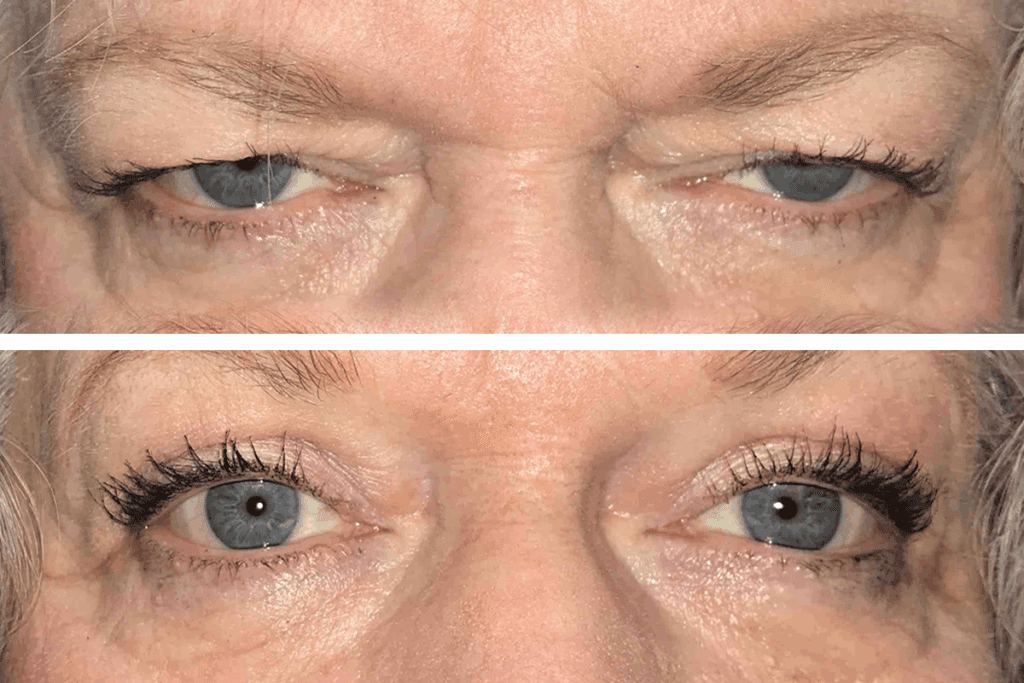
Deciding to have eyelid surgery is a big choice. It’s important to know the possible risks.Learn the 7 common blepharoplasty surgery complications. Understand the dangers and long-term side effects before you decide.
Blepharoplasty is a top plastic surgery every year. It helps fix droopy eyelids and makes you look younger.
But, like any surgical procedure, it comes with risks. Knowing the possible complications and long-term side effects is key for those thinking about it.
Key Takeaways
- Understanding the risks and side effects of blepharoplasty is vital.
- Blepharoplasty is a popular choice for droopy eyelids.
- Knowing about long-term side effects is important for those considering it.
- Choosing experienced, board-certified surgeons is essential.
- Complications can include swelling, bruising, and serious vision changes.
Understanding Blepharoplasty and Pre-Surgical Considerations

Blepharoplasty is a common cosmetic surgery. It helps improve the look and function of the eyelids. The surgery fixes issues like drooping, bagging, and too much skin.
What is Blepharoplasty Surgery?
Blepharoplasty removes extra skin, muscle, and fat from the eyelids. It can be done on the upper, lower, or both eyelids. The aim is to make the eyes look younger and more awake.
Popularity and Success Rates
The popularity of blepharoplasty is growing. It’s effective in fighting eye aging signs. About 85-90% of patients see big improvements in their eyelids’ look and function. This success is thanks to better surgery methods and choosing the right patients.
Procedure | Success Rate | Common Benefits |
Upper Eyelid Blepharoplasty | 85-90% | Improved vision, reduced appearance of aging |
Lower Eyelid Blepharoplasty | 85-90% | Reduced under-eye bags, smoother contour |
Patient Selection and Risk Assessment
Choosing the right patients for blepharoplasty is key. We do a detailed risk check to find out if someone is a good fit. We look at their health, eye health, and what they hope to achieve.
Setting Realistic Expectations
It’s important to set realistic expectations for patients. We talk to them about what they want and what the surgery can do. This way, they know what to expect and are happy with the results.
Temporary vs. Serious Complications: An Overview
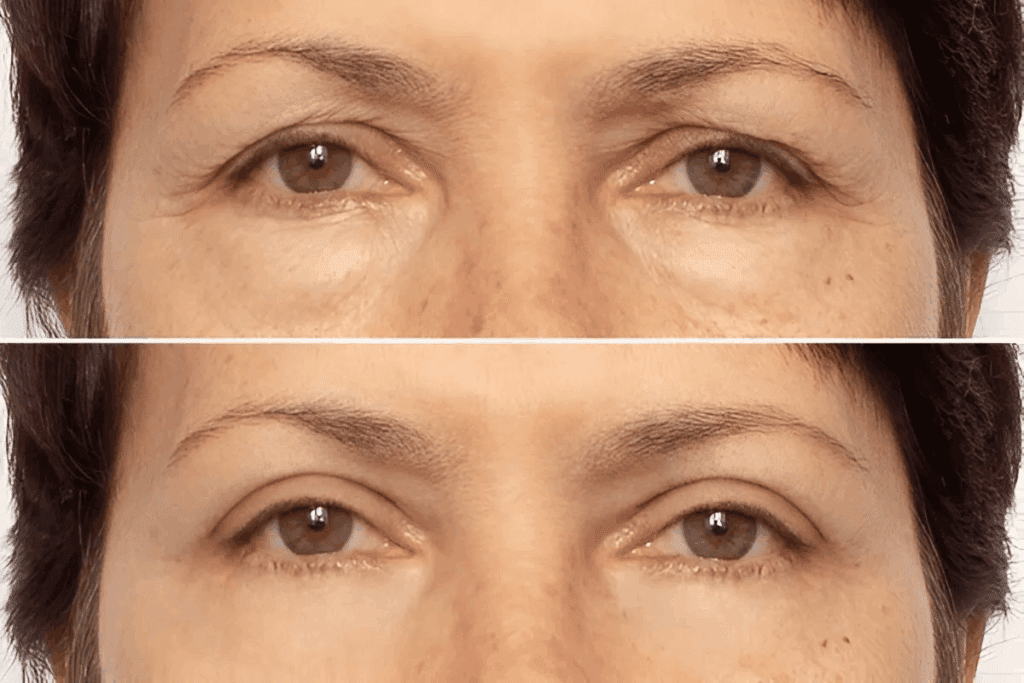
Understanding the difference between temporary and serious complications after blepharoplasty is key. This surgery changes the eyelids. It can lead to various issues after the operation.
Normal Post-Operative Symptoms
Patients often see swelling and bruising after blepharoplasty. These are normal signs that usually go away in a few weeks. It’s important to know the difference between these and serious problems.
A study in the Journal of Ophthalmic Surgery found most patients have some swelling and bruising. But these are usually mild and short-lived.
“The majority of patients undergoing blepharoplasty can expect a smooth recovery with minimal complications,” notes Medical Expert, a renowned ophthalmic surgeon.
Incidence Rates of Complications
Studies show about 9.5% of blepharoplasty cases have complications. Most of these are mild and don’t last long. Here’s a table showing the rates of different complications.
Complication | Incidence Rate (%) |
Swelling and Bruising | 80 |
Infection | 2 |
Dry Eyes | 5 |
Scarring | 3 |
Risk Factors That Increase Complication Likelihood
Some factors can make complications more likely after blepharoplasty. These include age, smoking, and health conditions. Knowing these risk factors helps manage expectations and reduce risks.
Smoking, for example, can slow healing and raise the risk of problems.
Healthcare providers can give tailored advice and plans to lower the risk of complications.
Blepharoplasty Surgery Complications: The Common Issues
Blepharoplasty, like any surgery, has risks and complications. Most patients do well, but knowing the possible issues helps. It’s key for making informed choices and taking good care after surgery.
Mild vs. Severe Complications
Complications from blepharoplasty can be mild or severe. Mild complications like swelling, bruising, or dry eyes are usually temporary. They often get better with simple treatments. But, severe complications can affect recovery a lot and might need more medical help.
Transient vs. Permanent Side Effects
It’s important to know the difference between temporary and permanent side effects. Transient side effects last a few weeks to months and usually go away. For example, temporary blurred vision or light sensitivity. But, permanent side effects can last forever, like dry eye or scarring.
When to Seek Medical Attention
Knowing when to get medical help is key to avoid bigger problems. Look out for signs like sudden vision changes, severe pain, or infection signs. Following your doctor’s advice and going to follow-up visits is important.
If you notice anything odd or worry about your recovery, reach out to your doctor. Quick action can make a big difference and lower the chance of lasting problems.
Complication #1: Excessive Swelling and Bruising
Excessive swelling and bruising are common worries after blepharoplasty surgery. Some swelling and bruising are normal. But, too much can be scary and uncomfortable.
Normal vs. Abnormal Swelling Patterns
Swelling usually peaks in the first 48 hours and then gets better over weeks. Bruising takes longer to go away, changing color as it heals. But, if swelling is uneven, very painful, or has other symptoms, it’s abnormal.
Things like the surgery method, the patient’s health, and following post-op instructions affect swelling and bruising.
Contributing Factors and Risk Reduction
Several things can lead to too much swelling and bruising, including:
- Surgical technique and how much is done
- The patient’s age and skin health
- Medical conditions or meds that affect bleeding
- How well the patient follows post-op care
To lower the risk of too much swelling and bruising, patients can:
- Avoid certain meds before surgery
- Use cold compresses after surgery
- Elevate their head while resting
Management and Resolution Timeline
Managing too much swelling and bruising involves good post-op care and sometimes extra medical help. Most see big improvements in a few weeks.
Timeline | Expected Recovery Progress |
0-48 hours | Peak swelling; bruising starts to show |
2-4 days | Swelling starts to go down; bruising gets clearer |
1-2 weeks | Swelling drops a lot; bruising starts to fade |
2-4 weeks | Most swelling and bruising gone |
By knowing why swelling and bruising happen and taking steps to manage them, patients can lessen their effects. This makes recovery from blepharoplasty smoother.
Complication #2: Infection and Scarring Issues
It’s important for patients to know about the risks of infection and scarring after blepharoplasty. This surgery is usually safe, but complications can happen. Knowing about these risks helps ensure a smooth recovery.
Signs of Post-Surgical Infection
Infection signs include increased redness, swelling, and pain at the surgery site. Patients might also have fever, discharge, or a foul odor. It’s key to watch for these signs and get medical help if they appear.
Hypertrophic Scarring and Keloids
Scarring is a possible issue, with hypertrophic scarring and keloids being major concerns. Hypertrophic scars are raised and red but stay within the incision. Keloids, though, can grow beyond the incision and are harder to treat. Early care and proper wound management can reduce the risk of these scars.
Inclusion Cysts at Incision Sites
Inclusion cysts can form at incision sites. These are benign cysts that happen when skin cells get trapped during healing. They’re usually not serious but can look bad and might need minor surgery to remove.
Treatment Options for Scar Complications
There are many ways to treat scar complications. Options include topical creams and gels, steroid injections, and sometimes laser therapy or surgical revision. The right treatment depends on the scar type and how severe it is.
Understanding these complications and their treatments helps patients manage their recovery from blepharoplasty. It’s vital to follow post-op instructions and go to follow-up appointments to lower risks.
Complication #3: Dry Eyes and Vision Changes
After blepharoplasty, some people may face dry eyes and vision problems. These issues can really affect their daily life. In some cases, these problems can last a long time.
Temporary vs. Persistent Dry Eye Syndrome
Dry eye after blepharoplasty can be short-term or long-lasting. Temporary dry eye often comes from the surgery itself. This includes the exposure of the cornea or the use of certain medicines after surgery.
Persistent dry eye syndrome might happen if the surgery changes the eyelid’s shape or function a lot. Knowing the difference is key to managing the situation and treatment.
- People with dry eyes before surgery are at higher risk for long-term dry eye.
- How much surgery is done, like removing orbital fat.
- If the eyelid can’t close right after surgery.
Vision Disturbances: Causes and Concerns
Vision problems after blepharoplasty can come from several sources. These include corneal irritation, changes in tear composition, or post-surgical swelling. Symptoms can be blurred vision, double vision, or light sensitivity.
Cause | Symptoms | Management |
Corneal Irritation | Blurred Vision, Discomfort | Lubricating Eye Drops |
Changes in Tear Composition | Dryness, Irritation | Tear Supplements |
Management Strategies for Ocular Surface Issues
Managing dry eye and other eye problems is key to avoiding long-term issues. Treatment includes eye drops, tear supplements, and sometimes punctal plugs to save tears.
- Seeing an eye doctor regularly to check on the condition.
- Changing medications that make dry eye worse.
- Trying treatments like intense pulsed light therapy.
Understanding the causes and using the right treatments can help reduce risks of dry eyes and vision problems after blepharoplasty.
Complication #4: Eyelid Malposition Problems
Eyelid malposition, including lagophthalmos, ectropion, and entropion, can happen after blepharoplasty. These issues can change how your eyelids look and work. They can cause symptoms and affect your surgery’s results.
Lagophthalmos (Inability to Close Eyes Fully)
Lagophthalmos means you can’t close your eyes fully. This can cause dry eyes and other eye problems. It happens when your eyelid is too tight or the orbicularis oculi muscle is weak. We’ll look at how to manage lagophthalmos, with both non-surgical and surgical methods.
Ectropion (Lower Eyelid Turning Outward)
Ectropion makes the lower eyelid turn outward. This can expose your conjunctiva and cornea, causing discomfort and dryness. It might even affect your vision. We’ll talk about what causes ectropion and how to fix it, including eyelid tightening.
Entropion (Lower Eyelid Turning Inward)
Entropion is when the lower eyelid turns inward. This can make your eyelashes rub against your cornea, causing irritation and possibly damage. We’ll look at why entropion happens and how to treat it, including surgery.
Surgical and Non-Surgical Correction Options
Fixing eyelid malposition depends on the cause and how bad it is. We’ll discuss surgical and non-surgical options for lagophthalmos, ectropion, and entropion. These might include eyelid retraction repair, canthoplasty, and eye drops or ointments.
In conclusion, eyelid malposition is a big problem after blepharoplasty. Knowing about the different types and how to fix them is key for both patients and doctors to handle these issues well.
Complication #5: Asymmetry and Aesthetic Concerns
Asymmetry after blepharoplasty can affect the surgery’s look. It’s hard to get perfect symmetry because of the eyelids’ complex anatomy and healing differences among patients.
Causes of Post-Surgical Asymmetry
Several things can cause asymmetry after blepharoplasty. These include uneven healing, scarring, or differences in the surgery technique. Pre-existing asymmetry can also play a role, as some people have slight differences in their eyelids before surgery.
To tackle these issues, finding the root cause of asymmetry is key. This means a detailed check-up and possibly using imaging to see how bad the asymmetry is.
Hollowness and Contour Irregularities
Hollowness and irregular contours are other looks that can happen after blepharoplasty. These can come from taking out too much fat or tissue, making the face look unnatural.
Cause | Effect | Potential Solution |
Excessive fat removal | Hollowness | Fat grafting |
Uneven tissue removal | Contour irregularities | Revision surgery |
Revision Surgery Considerations
Revision surgery might be needed to fix asymmetry and other looks after blepharoplasty. Deciding on revision surgery should be a careful choice after talking to a surgeon and weighing the risks and benefits.
Timing is key for revision surgery. It’s best to wait until the swelling goes down and the tissues heal, which can take months to a year.
Dealing with asymmetry and looks after blepharoplasty can be tough. Our team is here to help and support you, from the first meeting to after-surgery care and, if needed, revision surgery.
Complication #6: Nerve Damage and Sensory Changes
Blepharoplasty is generally safe but can cause nerve damage. This damage may lead to changes in how you feel around your eyes. Knowing the risks and how long it might take to recover is key for understanding what to expect.
Temporary Numbness and Sensation Loss
Right after blepharoplasty, some people feel numbness or lose sensation. This usually happens because of the surgery and goes away in a few weeks to months. Most people get their feeling back as their nerves heal. But, how long and how much numbness varies from person to person.
Permanent Nerve Damage Risks
Though rare, permanent nerve damage is a serious issue. The risk depends on how big the surgery is, your body’s unique setup, and the surgeon’s skill. People who have had eye surgeries before or have certain health issues might be at a higher risk. Knowing these risks helps you make a better choice.
Risk Factor | Description | Impact on Nerve Damage Risk |
Extent of Surgery | More extensive surgeries may increase the risk of nerve damage. | Higher |
Anatomical Variations | Individual differences in anatomy can affect nerve vulnerability. | Variable |
Surgical Technique | The skill and technique of the surgeon play a critical role. | Lower with skilled surgeons |
Recovery Timeline for Sensory Function
How long it takes for sensory changes to go away varies. Usually, most people see improvements in 6 to 12 months. Seeing your surgeon regularly is important to track your healing and address any issues. Sometimes, extra treatments are needed to help with recovery.
We know nerve damage and sensory changes can worry you. But, with the right care and follow-up, most people get better. It’s vital to talk to your surgeon about any worries or questions you have. This way, you’ll be well-informed about your situation.
Complication #7: Rare but Serious Long-Term Side Effects
Some long-term side effects of blepharoplasty can greatly affect patients’ health and happiness. We know choosing to have blepharoplasty is a big decision. It’s important for patients to know about possible complications.
Chronic Pain Syndromes
One rare but serious side effect is chronic pain syndromes. Chronic pain can make daily life hard. We offer many ways to manage pain and help patients feel better.
Orbital Hemorrhage and Vision Loss
Orbital hemorrhage, or bleeding around the eye, is rare but serious. It can cause vision loss if not treated quickly. Patients should watch for signs like severe eye pain, swelling, or vision changes. If they see these, they should get medical help right away.
Persistent Chemosis (Conjunctival Edema)
Persistent chemosis, or swelling of the conjunctiva, is another rare side effect. It can make the eye look swollen and uncomfortable. Our team works with patients to find the best treatment and support.
Psychological Impact of Surgical Complications
The emotional impact of complications after blepharoplasty is significant. Patients might feel anxious, depressed, or upset by changes in their appearance or chronic symptoms. We focus on providing full care, including mental health support, to help patients deal with these feelings.
In summary, while rare, serious long-term side effects of blepharoplasty can deeply affect patients’ lives. We are dedicated to giving thorough care and support. Our goal is to help patients get the best results possible.
Conclusion: Balancing Risks and Benefits
Blepharoplasty is a complex procedure with both aesthetic and functional benefits. It also comes with risks and complications. Knowing these factors is key to making informed decisions about eyelid surgery.
We’ve looked at seven common complications of blepharoplasty. These include swelling, bruising, infection, scarring, dry eyes, vision changes, and nerve damage. Being aware of these risks helps patients weigh the pros and cons of the surgery.
To make a well-informed decision, it’s important to consider the risks and benefits. This means understanding the complications, talking to a qualified surgeon, and setting realistic expectations. This way, patients can reduce the risk of adverse effects and get the best results from their surgery.
FAQ
What are the most common complications of blepharoplasty surgery?
Common issues include too much swelling and bruising, infection, and dry eyes. Vision problems, eyelid misalignment, and nerve damage are also possible.
How can I minimize the risk of complications from blepharoplasty?
To lower risks, pick a skilled surgeon and follow all instructions before and after surgery. Also, don’t miss your follow-up appointments.
What are the signs of post-surgical infection after blepharoplasty?
Look out for increased redness, swelling, pain, discharge, or fever. If you notice these, get medical help right away.
Can blepharoplasty cause permanent vision changes?
Yes, though rare, it can lead to vision loss or double vision. Always talk to your surgeon about any vision concerns.
How long does it take to recover from blepharoplasty surgery?
Recovery time varies, but most people can get back to normal in one to two weeks. Swelling and bruising may take longer to go away.
What is the risk of long-term side effects from blepharoplasty?
Long-term side effects are rare but can include chronic pain, orbital hemorrhage, or persistent chemosis. Knowing these risks is key to making an informed choice.
Can I undergo revision surgery to correct complications from blepharoplasty?
Yes, revision surgery might be needed to fix issues or improve appearance. Talk to a qualified surgeon to figure out the best next steps.
What is the incidence rate of complications from blepharoplasty?
About 9.5% of people experience complications from blepharoplasty. Understanding this rate can help you decide if surgery is right for you.
How can I manage dry eyes after blepharoplasty?
Use lubricating eye drops, avoid things that irritate your eyes, and keep up with your surgeon’s appointments to manage dry eyes.
What are the risks of nerve damage during blepharoplasty?
Nerve damage can cause numbness, loss of sensation, or other changes. It’s important to discuss these risks with your surgeon.
Can blepharoplasty cause eyelid malposition?
Yes, it can lead to eyelid malposition, like lagophthalmos, ectropion, or entropion. It’s important to understand the risks and options for correction.
What are the causes of post-surgical asymmetry after blepharoplasty?
Asymmetry can come from uneven swelling, scarring, or the surgical method. Revision surgery might be needed to fix these issues.
How can I reduce the risk of scarring after blepharoplasty?
To lessen scarring, follow your surgeon’s wound care advice, avoid smoking, and keep up with follow-up appointments to monitor healing.
References
National Center for Biotechnology Information. Blepharoplasty: Functional and Aesthetic Outcomes Demonstrated by Photography. Retrieved from https://www.ncbi.nlm.nih.gov/pmc/articles/PMC10972357/