
The eyes are often the first thing people notice. They play a big role in showing emotions and connecting with others. But, age, genetics, and health can affect the eyelids’ look and function.Blepharoplasty vs blepharoptosis: What’s the difference? Our essential guide explains these two critical but different eyelid procedures.
At Liv Hospital, we know how important it is to tell different eyelid conditions apart. We’ll look at the main differences between blepharoplasty and blepharoptosis. These are two different surgeries for different problems.
It’s key to know these differences if you’re thinking about eyelid surgery. Each surgery fixes different issues and has its own results.
Key Takeaways
- Eyelid surgery includes many procedures, like blepharoplasty and blepharoptosis repair.
- Blepharoplasty deals with eyelid looks.
- Blepharoptosis repair fixes droopy eyelids.
- Each surgery has its own results and solves different problems.
- Getting a correct diagnosis is key to finding the right treatment.
Understanding Eyelid Anatomy and Function
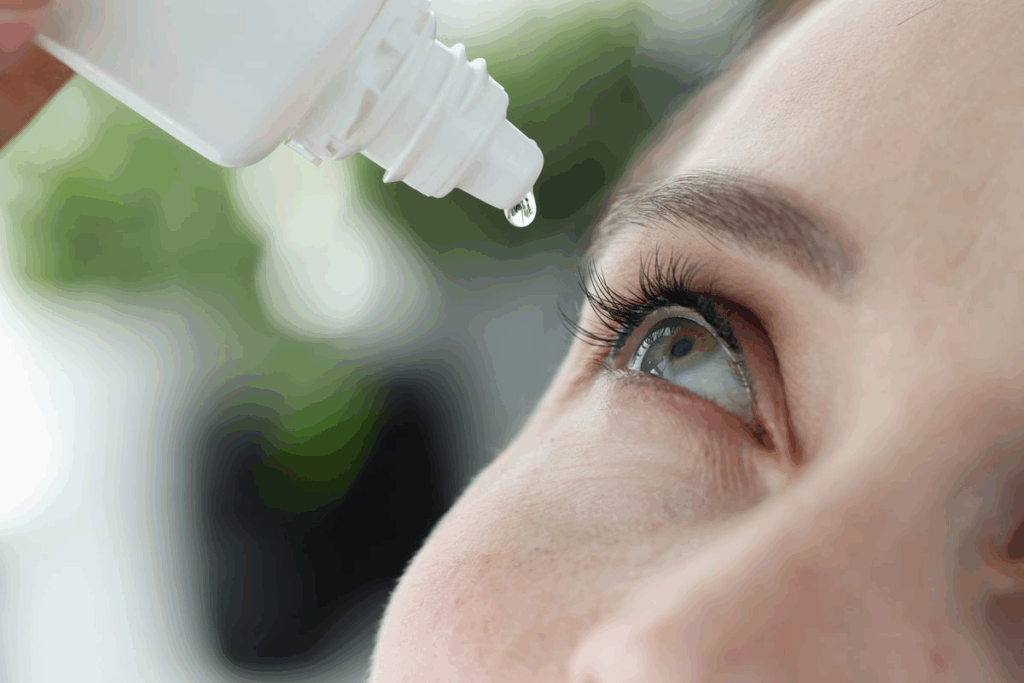
The eyelids are made up of skin, fat, muscles, and other tissues. They work together to protect our eyes. Blinking and spreading tears are key functions they help with.
Key Structures of the Upper and Lower Eyelids
The upper and lower eyelids have layers of skin, muscle, and fat. The levator muscle in the upper eyelid helps lift the eyelid. The meibomian glands in the eyelids make the lipid layer of tears, keeping our eyes moist.
“The eyelids’ complex structure shows how vital they are for eye health,” say eye doctors. Knowing about these parts helps in diagnosing and treating eyelid problems.
The Role of Muscles in Eyelid Movement
The levator palpebrae superioris and the orbicularis oculi muscles control eyelid movement. The levator muscle lifts the eyelid. The orbicularis oculi helps us blink and close our eyelids.
- The levator muscle is controlled by the oculomotor nerve.
- The orbicularis oculi is controlled by the facial nerve.
How Aging Affects Eyelid Appearance and Function
As we age, our eyelids change. They can droop, have too much skin, and lose fat. These changes affect how our eyelids look and work.
With age, the levator muscle weakens, causing eyelids to droop. Knowing how aging affects the eyelids helps doctors choose the right treatments. This can include surgery or other treatments.
Defining Blepharoplasty: The Cosmetic Eyelid Procedure

The main goal of blepharoplasty is to make the eyes look younger and more refreshed. It’s a surgery that fixes various eyelid appearance issues.
What Blepharoplasty Addresses
Blepharoplasty tackles several eyelid concerns, such as:
- Excess skin that makes eyes look older or tired
- Fat deposits causing bulging or puffiness
- Muscle laxity leading to a tired look
By fixing these problems, blepharoplasty greatly improves the eyes’ look. It makes them appear more vibrant and youthful.
Types of Blepharoplasty (Upper and Lower)
There are two main types of blepharoplasty: upper and lower.
Type | Description | Concerns Addressed |
Upper Blepharoplasty | Removes excess skin and fat from the upper eyelids | Hooding, excess skin, and fat deposits |
Lower Blepharoplasty | Addresses lower eyelid issues like removing or repositioning fat, and tightening skin | Under-eye bags, dark circles, and excess skin |
These procedures can be done separately or together, based on individual needs and goals.
“Blepharoplasty has become a cornerstone of facial rejuvenation surgery, providing a reliable way to make eyes look younger.”
A renowned plastic surgeon
Ideal Candidates for Blepharoplasty
People who want to improve their eyelid look and are healthy are good candidates. They might be concerned about:
- Excess skin or fat around the eyes
- A tired or aged look due to eyelid issues
- Impaired peripheral vision from drooping upper eyelids
We evaluate each person’s concerns during a consultation. We decide if blepharoplasty is the best choice for their aesthetic goals.
Understanding Blepharoptosis (Ptosis): The Functional Eyelid Condition
Ptosis, or blepharoptosis, is a condition where the upper eyelid droops. It can happen in one or both eyes and can vary in how severe it is.
Causes of Drooping Eyelids
The reasons for ptosis are many. They include congenital factors and conditions that come from aging, injury, or neurological disorders.
- Congenital ptosis, present at birth
- Aponeurotic ptosis, often related to aging
- Neurogenic ptosis, resulting from nerve damage
- Mechanical ptosis, caused by external factors weighing down the eyelid
Knowing the cause is key to finding the right treatment.
Impact on Vision and Daily Life
Ptosis can really affect a person’s life. It can block vision and cause eye strain or tiredness. It’s important to treat it to improve daily life.
We will look at how ptosis severity is measured to understand its effects better.
Classification of Ptosis Severity
The severity of ptosis is measured by the margin reflex distance (MRD1). This measures the gap between the eyelid and the light reflex on the cornea.
Severity | MRD1 Measurement |
Mild | 2-3 mm |
Moderate | 1-2 mm |
Severe | <1 mm |
This helps doctors understand the condition’s impact and decide on treatment.
Blepharoplasty vs Blepharoptosis: Key Differences Explained
Blepharoplasty and blepharoptosis are two different eyelid surgeries. They aim to solve different problems. Blepharoplasty is for looks, while blepharoptosis fixes droopy eyelids that block vision.
Cosmetic vs. Functional Concerns
Blepharoplasty is mainly for looks. It fixes issues like too much skin or fat around the eyes. Blepharoptosis repair, on the other hand, is for function. It corrects eyelids that droop and affect your sight.
People get blepharoplasty to look younger. Those with droopy eyelids get blepharoptosis repair to see better.
Underlying Anatomical Issues
Blepharoplasty deals with the skin, fat, and muscles of the eyelids. Surgeons might take out extra skin, move or remove fat, and adjust muscles for a younger look.
Blepharoptosis repair, though, focuses on the levator muscle. It’s for lifting the eyelid. The goal is to fix the muscle to lift the eyelid and improve vision.
Different Surgical Goals and Outcomes
Blepharoplasty aims to make the eyelids look better. It’s about looking younger and more awake. The results are mostly about looks.
Blepharoptosis repair, though, is about fixing the eyelids to work right. It’s for better vision and comfort. The results are both about looks and function.
In short, blepharoplasty and blepharoptosis are two different surgeries. They solve different problems. Knowing the difference helps choose the right surgery for you.
Common Causes and Risk Factors for Eyelid Conditions
Eyelid conditions come from genetics, environment, and aging. Knowing these causes helps in preventing and treating them.
Involutional (Age-Related) Changes
As we get older, our eyelids change a lot. This can lead to issues like blepharoplasty and blepharoptosis. Age-related changes include weaker muscles, less skin elasticity, and fat moving around the eyes.
These changes can cause:
- Too much skin on the upper eyelids, blocking vision
- Baggy lower eyelids from fat prolapse
- Droopy eyelids from weak levator muscles
Congenital and Genetic Factors
Some people are born with eyelid problems or have a genetic risk for certain conditions. Congenital ptosis, for example, is when a child is born with a droopy eyelid.
Congenital Condition | Description | Potential Impact |
Congenital Ptosis | Drooping eyelid present at birth | Vision obstruction, amblyopia |
Eyelid Coloboma | A gap or defect in the eyelid | Corneal exposure, vision problems |
Neurological Disorders and Trauma
Neurological issues and injuries can also cause eyelid problems. Conditions like myasthenia gravis or third cranial nerve palsy can lead to ptosis.
Trauma to the eye or area can result in:
- Eyelid lacerations or deformities
- Orbital fractures affecting eyelid function
- Neurogenic ptosis due to nerve damage
Understanding the causes and risk factors of eyelid conditions helps us diagnose and treat them better. This improves both function and appearance.
Diagnosis and Assessment: Determining the Appropriate Procedure
Getting the right diagnosis is key to choosing the best surgery for eyelid problems. Eyelid issues can affect both how you look and how well you see.
We use a detailed clinical evaluation to diagnose eyelid conditions. This includes looking at the patient’s medical history, examining the eyelids, and checking their vision.
Clinical Evaluation Methods
Our methods aim to collect all the needed info about the patient’s condition. This includes:
- Looking at the patient’s medical history to find any underlying issues.
- Examining the eyelids to check their position, movement, and health.
- Checking the patient’s vision to see if the eyelid problem is affecting it.
Measuring Eyelid Position and Function
Measuring eyelid position and function is a big part of diagnosing. We use special techniques to check:
- The margin-reflex distance (MRD) to see how far the upper eyelid is from the corneal light reflex.
- The levator function to see how strong and effective the muscle for eyelid elevation is.
These measurements help us understand how serious the condition is and guide our treatment choices.
When Both Conditions Coexist
Sometimes, patients have both too much skin (blepharoplasty) and ptosis (ptosis repair) at the same time. When this happens, we create a detailed plan to treat both problems.
Condition | Primary Concern | Treatment Approach |
Blepharoplasty | Cosmetic | Removing excess skin and fat |
Blepharoptosis (Ptosis) | Functional | Fixing or repositioning the levator muscle or aponeurosis |
Both Conditions | Cosmetic and Functional | Combining blepharoplasty and ptosis repair |
By accurately diagnosing and assessing the patient’s condition, we can create an effective treatment plan. This plan meets their needs and improves their outcome.
Surgical Techniques for Blepharoplasty and Their Outcomes
Knowing about blepharoplasty techniques is key for those thinking about eyelid surgery. This surgery aims to refresh the look of the eyelids. It uses various methods, each suited for different needs and goals.
Traditional vs. Transconjunctival Approaches
Blepharoplasty can be done in two ways: traditional or transconjunctival. The traditional approach makes cuts in the skin, along the eyelid’s natural folds. It’s best for those with loose skin or too much fat.
The transconjunctival approach makes cuts inside the lower eyelid. It’s used for fat issues without too much skin. This method hides scars well.
Addressing Excess Skin, Fat, and Muscle
Surgeons can fix different eyelid problems during blepharoplasty. They might remove fat or reposition it. They can also tighten muscles for a younger look.
The right technique depends on the patient’s needs. This way, surgeons can give results that look natural and pleasing.
Expected Results and Limitations
Blepharoplasty can make a big difference, making eyes look more youthful. But, it’s important to know its limits. It can’t fix dark circles or crow’s feet, which might need other treatments.
Understanding blepharoplasty’s techniques and outcomes helps patients make better choices. Talking to a skilled surgeon is key to finding the best method for your goals.
Ptosis Repair Techniques and Their Effectiveness
Fixing ptosis is a detailed process with many methods. Each method is chosen based on the ptosis’s severity, the patient’s health, and the surgeon’s skill.
External Levator Advancement
External levator advancement is a popular method for fixing ptosis. It involves an incision in the eyelid crease to strengthen the levator muscle. This helps improve the eyelid’s position and function. A study in the Journal of Ophthalmic Surgery found it works well with few side effects.
“The external levator advancement technique is versatile and can be tailored to the individual needs of the patient,” says Medical Expert, a renowned oculoplastic surgeon. “It’s a procedure that requires precision and a deep understanding of eyelid anatomy.”
Müller’s Muscle Conjunctival Resection
Müller’s muscle conjunctival resection is good for mild to moderate ptosis. It removes part of Müller’s muscle and the conjunctiva to lift the eyelid. This method has the benefit of leaving little to no scar.
Frontalis Sling Procedures for Severe Ptosis
For severe ptosis, frontalis sling procedures are often used. This method uses a sling to connect the frontalis muscle to the eyelid. It’s great for when the levator muscle is weak or doesn’t work well. It has shown to greatly improve eyelid position and patient happiness.
In conclusion, choosing the right ptosis repair method depends on several factors. These include the ptosis’s severity, the patient’s health, and the surgeon’s experience. Knowing about these methods helps both surgeons and patients make better choices for ptosis correction.
Costs, Insurance, and Financial Considerations
Eyelid surgery, for looks or function, has different costs and insurance rules. The price of blepharoplasty and ptosis repair changes based on the surgery’s type, the doctor’s skill, and where you live.
When Insurance Covers Ptosis Repair
Insurance often pays for ptosis repair if it’s needed for vision. Proof of vision loss is key to show it’s medically necessary. If so, insurance might help with the costs.
“Insurance decisions for ptosis repair depend on the case,” says Medical Expert, a top oculoplastic surgeon. “It looks at how bad the condition is and how it affects daily life.”
Typical Costs for Cosmetic Blepharoplasty
Cosmetic blepharoplasty isn’t covered by insurance because it’s not needed. Prices for cosmetic eyelid surgery vary a lot. They can be from $2,000 to $5,000 or more per eye, based on the surgery’s complexity and the doctor’s fees.
- Surgeon’s fee
- Facility fees
- Anesthesia costs
- Pre- and post-operative care
Navigating Insurance Approval for Functional Procedures
Getting insurance for functional eyelid surgery needs good documentation and approval steps. It’s important to work with your surgeon and insurance to meet all the requirements and get coverage.
“Knowing your insurance and what’s needed for approval can help with the cost of eyelid surgery,” says the American Academy of Ophthalmology.
In summary, while eyelid surgery costs can be high, understanding what affects these costs and insurance can help patients make better choices about their care.
Recovery, Risks, and Possible Complications
The path to healing after blepharoplasty or ptosis repair has several important steps. Knowing what to expect helps patients set realistic goals and ensures a smooth recovery.
Typical Recovery Timeline for Each Procedure
The time it takes to recover from blepharoplasty and ptosis repair varies. Generally, here’s what patients can expect:
- Blepharoplasty: Most can go back to work in 7-10 days. Full recovery takes a few weeks to months.
- Ptosis Repair: Recovery is usually quicker. Most can resume normal activities in a week. Swelling may take months to go away.
Managing Post-Operative Expectations
It’s key to manage what you expect after eyelid surgery for happiness. We tell patients to:
- Stick to post-operative instructions to avoid problems.
- Go to follow-up appointments to check on healing.
- Be patient, as full results may take months to show.
Recognizing and Addressing Complications
Though rare, complications can happen. Common ones include:
- Infection
- Dry eye
- Asymmetry
- Vision changes
It’s vital for patients to know these possible issues and reach out to their doctor if they notice anything odd.
Understanding the recovery and risks helps patients prepare better. This ensures a more satisfying outcome.
Conclusion: Making Informed Decisions About Eyelid Surgery
Understanding the differences between blepharoplasty and blepharoptosis is key. This knowledge helps people make smart choices about eyelid surgery. Knowing the purpose, techniques, and results of each procedure lets individuals pick the right one for them.
It’s important to know all the options for eyelid issues. Whether you want to refresh your eyelids with blepharoplasty or fix droopy eyelids with blepharoptosis, knowing the details is essential. This knowledge helps patients make choices that meet their needs and hopes.
Choosing wisely is the first step to a successful eyelid surgery. We suggest talking to experts to explore your options. This way, you can find the best treatment for your situation. It ensures a good experience and the best results from your surgery.
FAQ
What is the main difference between blepharoplasty and blepharoptosis repair?
Blepharoplasty is a cosmetic surgery that removes excess skin and fat from the eyelids. On the other hand, blepharoptosis repair is a surgery that fixes a drooping eyelid. It aims to improve vision.
Can blepharoplasty correct ptosis?
No, blepharoplasty can’t fix ptosis. It removes excess skin and fat but doesn’t lift a drooping eyelid. A ptosis repair is needed for that.
What causes blepharoptosis (ptosis)?
Ptosis can happen due to aging, birth defects, nerve problems, or injuries. Knowing the cause helps decide the right treatment.
How is the severity of ptosis classified?
Ptosis severity is measured by how much the eyelid droops. This is called the margin reflex distance (MRD). It helps choose the right treatment.
Can I undergo both blepharoplasty and ptosis repair simultaneously?
Yes, you can have both surgeries at the same time if you have both issues. This approach fixes both looks and function.
What are the typical costs associated with blepharoplasty and ptosis repair?
Costs depend on where you are, the surgeon, and how complex the surgery is. Blepharoplasty is usually not covered by insurance. But, ptosis repair might be if it’s medically needed.
What is the recovery timeline for blepharoplasty and ptosis repair?
Recovery times vary. But, you can expect swelling and bruising to go away in a few weeks. It might take a few months to fully recover.
Are there any other complications associated with eyelid surgery?
Yes, there are risks like infection, scarring, and dry eye. Following your surgeon’s instructions and going to follow-up visits can help avoid these.
How do I determine if I’m a candidate for blepharoplasty or ptosis repair?
A detailed check-up with a skilled surgeon is needed. They will look at your eyelids, how they work, and your health to suggest the best treatment.
What are the different surgical techniques used for ptosis repair?
There are several techniques for ptosis repair. These include external levator advancement, Müller’s muscle conjunctival resection, and frontalis sling procedures. The right technique depends on the ptosis’s cause and severity.
Can ptosis repair improve vision?
Yes, it can. Ptosis repair lifts the eyelid, reducing blockage and improving your field of vision.
How do I navigate insurance approval for functional eyelid procedures?
To get insurance approval, talk to your surgeon and insurance company. They will check if the procedure is medically necessary and help with the approval process.
References
National Health Service (NHS). Blepharoplasty vs. Blepharoptosis: Eyelid Appearance and Function. Retrieved from https://www.nhs.uk/conditions/blepharoplasty/