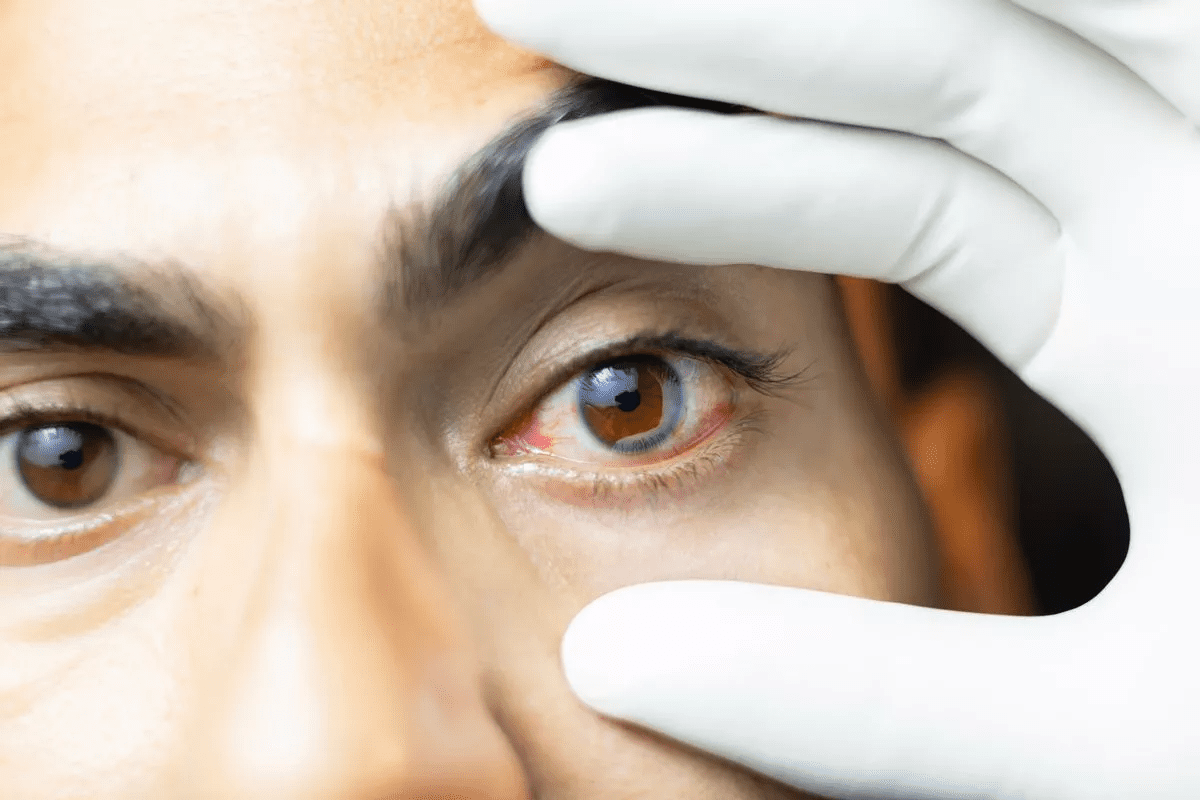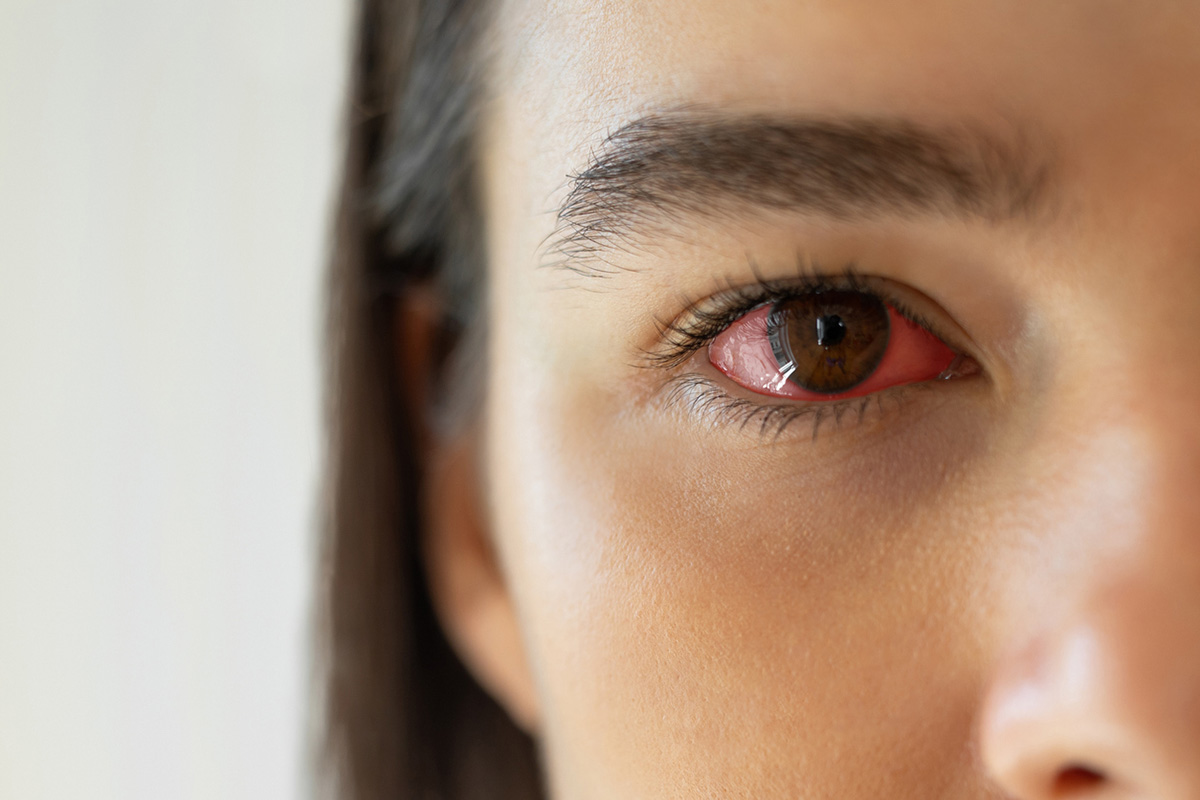
Seeing a sudden red spot in your eye can be scary. But knowing why it happens and how to handle it can help. It’s important for your eye health. What are blood clot in eye symptoms? This complete guide explains the 5 warning signs and when you must see a doctor.
At Liv Hospital, we offer top-notch eye health services. We deal with issues like subconjunctival hemorrhage and retinal vein occlusion. We make sure you get the care you need.
A blood clot in the eye usually goes away in 7 to 14 days. Using artificial tears and not rubbing your eyes can help. But, if the clot doesn’t go away or hurts, you should see a doctor.
Key Takeaways
- Understanding the causes of blood clots in the eye is key for managing them.
- Subconjunctival hemorrhage and retinal vein occlusion affect the eye’s blood system.
- Most eye blood clots heal in 7 to 14 days.
- Artificial tears and not rubbing your eyes can help recovery.
- Seeing a doctor is important if the clot doesn’t go away or hurts.
Understanding Eye Blood Clots
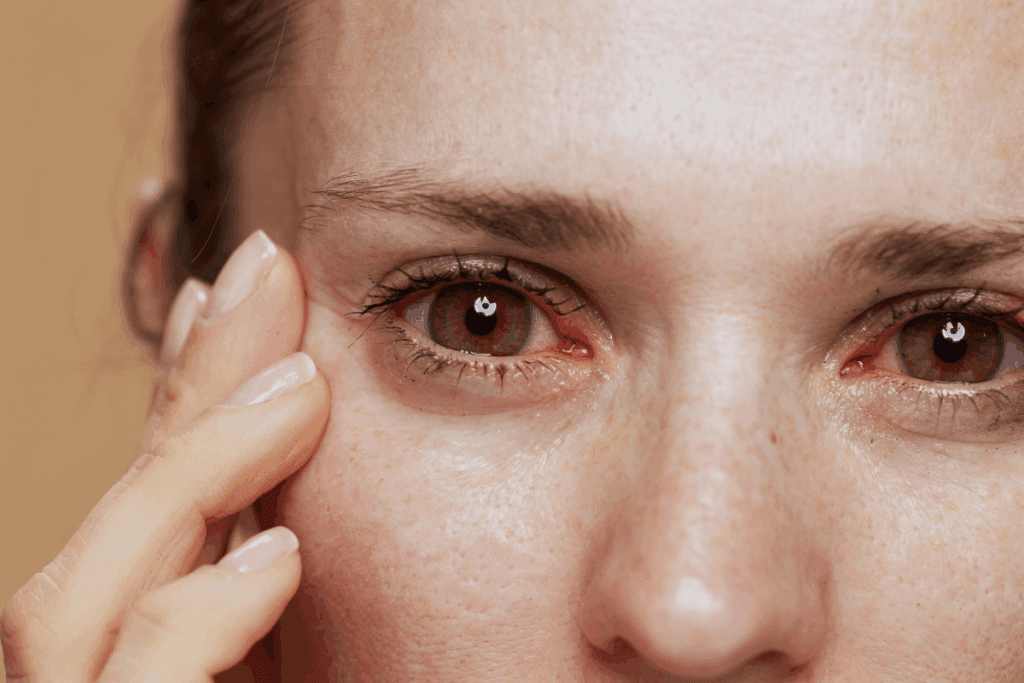
Eye blood clots can be scary, but knowing what causes them is key. They can appear in different ways, each affecting eye health differently.
What Is a Subconjunctival Hemorrhage?
A subconjunctival hemorrhage happens when tiny blood vessels burst under the eye’s clear surface. This results in a sudden red patch on the eye’s white part. These usually clear up on their own in 1 to 2 weeks. They often happen from actions that raise blood vessel pressure, like coughing or straining.
Seeing a subconjunctival hemorrhage can be shocking, but it’s usually not serious. It won’t hurt your vision. But, if you keep getting them or they’re bad, see an eye doctor to check for other issues.
What Is a Retinal Vein Occlusion?
Retinal vein occlusion (RVO) happens when a vein in the retina gets blocked. This can cause sudden vision loss and is serious. Central retinal vein occlusion (CRVO) affects the main vein and can severely harm vision.
RVO is linked to health problems like high blood pressure, diabetes, and glaucoma. Quick medical help is needed to manage it and stop vision loss.
Prevalence and Risk Factors
Subconjunctival hemorrhages are common and can happen to anyone, but more often in older people and those with high blood pressure. Central retinal vein occlusion affects fewer than 1 percent of adults globally, but it can greatly impact vision.
Things that increase your risk of eye blood clots include high blood pressure, heart disease, diabetes, and some medicines. Knowing these risks helps in preventing and catching them early.
It’s important to know the signs of eye blood clots and get help if you notice anything odd. Regular eye checks can also help catch and manage these issues early.
Blood Clot in Eye Symptoms
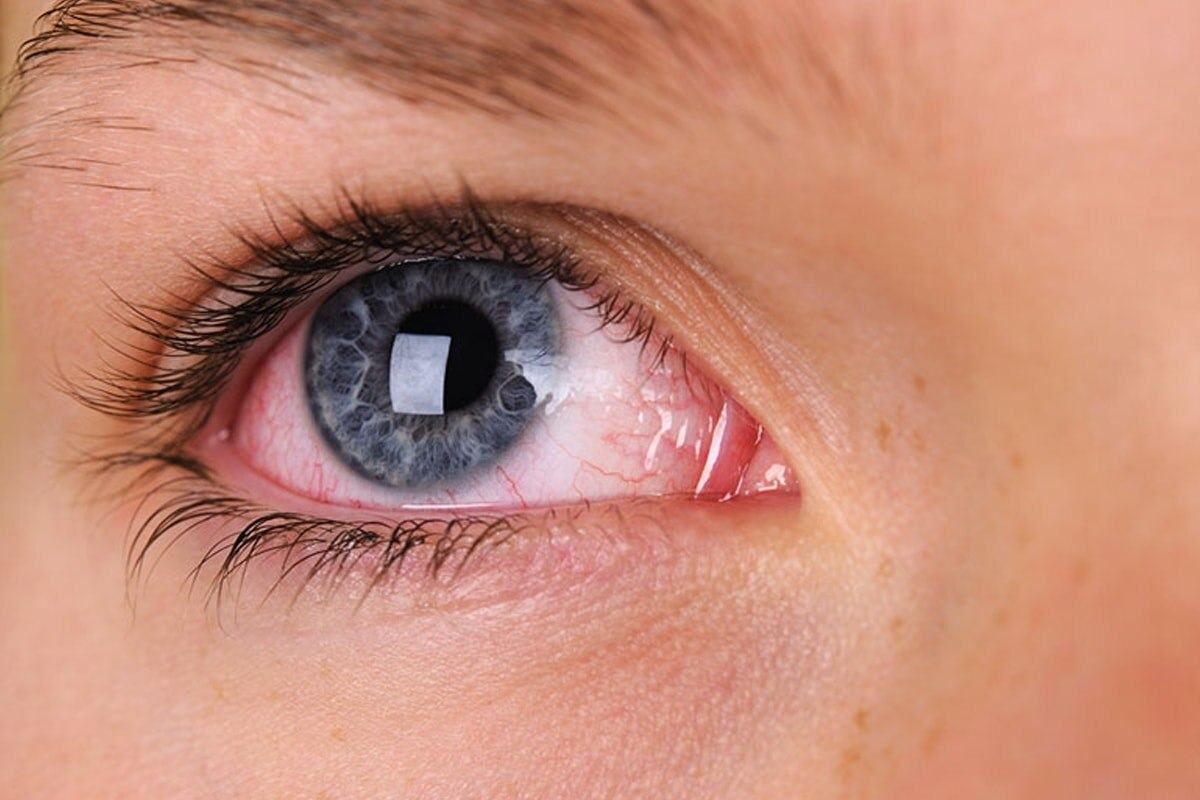
Seeing a blood clot in your eye can be scary. But knowing the symptoms is the first step to dealing with it. We’ll help you understand the common signs of a blood clot in the eye. This will guide you on when to get medical help.
Visual Symptoms
A blood clot in the eye often shows as a bright or dark red spot on the white part of the eye. The size of this spot can change. You might also notice other vision problems.
- A visible red dot or patch on the sclera (the white part of the eye)
- Blurred vision or temporary loss of visual clarity
- Floaters or spots in the field of vision
Physical Appearance
The look of a blood clot in the eye is quite clear. The redness usually stays in one eye. It might look more obvious when you look in a mirror.
Associated Discomfort
While the visual signs are scary, some people feel discomfort too. This can include a gritty feeling or being more sensitive to light.
- Mild irritation or a gritty sensation in the eye
- Increased sensitivity to light
- A feeling of pressure or fullness in the affected eye
Warning Signs of Serious Conditions
Knowing the signs of serious problems is important. If you have severe pain, vision loss, or double vision, get help right away.
Symptom | Description |
Severe Pain | Pain that is intense or worsening over time |
Vision Loss | Significant or complete loss of vision in one or both eyes |
Double Vision | Seeing double or experiencing vision disturbances |
Knowing the symptoms of a blood clot in the eye is key to taking the right action. If you’re worried about your symptoms, talk to a doctor. They can give you advice and treatment that’s right for you.
What Causes Blood Clots in the Eye?
Blood clots in the eye can be caused by many health issues and outside factors. Knowing what causes them is key to preventing and treating them.
Hypertension and Cardiovascular Issues
High blood pressure is a big risk for eye blood clots. It can damage blood vessels in the eye, leading to clots. Cardiovascular diseases also play a part, as they can mess with blood flow and clotting.
“Hypertension is a major risk factor for eye blood clots, stressing the need to control blood pressure to avoid eye problems.”
Medications and Blood Thinners
Some medicines, like blood thinners, can raise the risk of eye blood clots. These drugs are meant to stop clots but can cause bleeding if not managed right. It’s vital to watch and adjust these meds with a doctor’s help.
Physical Trauma and Strain
Eye or head injuries can damage blood vessels and cause clots. Heavy lifting, bending, or straining can also put pressure on the eyes, leading to clots. Forceful coughing or sneezing can do the same thing.
Underlying Medical Conditions
Conditions like diabetes and blood clotting disorders raise the risk of eye blood clots. It’s important to manage these conditions through lifestyle changes and medical care to avoid eye problems.
Understanding the causes of eye blood clots helps people take steps to lower their risk and protect their vision.
Diagnosing Blood Clots in the Eye
Diagnosing blood clots in the eye is a detailed process. An eye specialist must carefully examine and test to find the cause and extent of the issue.
When to Seek Medical Attention
If you see sudden vision changes, eye pain, or a blood clot in your eye, get help fast. Early diagnosis is key to effective treatment and preventing complications. If you notice unusual symptoms or if they get worse, see an eye specialist.
Seek immediate medical attention for severe eye pain, vision loss, double vision, or a big increase in the blood clot size. A quick check by a healthcare professional can help find the cause and the right treatment.
Diagnostic Tests and Procedures
Diagnosing a blood clot in the eye starts with a detailed eye exam. A healthcare professional may:
- Look for visible signs of a blood clot or other issues
- Check how well you can see
- Measure eye pressure to check for glaucoma
- Do a dilated eye exam to look at the retina and other parts
More tests might include blood pressure checks and blood tests. These help find if high blood pressure or clotting disorders are causing the clot.
Questions Your Doctor May Ask
Your doctor will ask several questions to understand your situation. They might ask:
- When did you first notice the blood clot or symptoms?
- Have you had any eye trauma or injury?
- Do you have hypertension, diabetes, or other health issues?
- Are you taking any medications, like blood thinners?
Answering these questions helps your doctor make a correct diagnosis and plan a treatment.
Are Eye Blood Clots Dangerous?
Eye blood clots are usually not serious but can sometimes mean there’s a bigger health problem. Knowing the risks helps you know what to do next.
Short-term Risks
Eye blood clots can make your eyes hurt and blur your vision. Symptoms include blurred vision, eye pain, or a red patch on the eye. Most of the time, these clots clear up in a couple of weeks without harm.
Long-term Complications
But sometimes, these clots can cause bigger problems. For example, retinal vein occlusion can lead to permanent vision loss if not treated quickly. If your vision changes suddenly or you have ongoing eye pain, see a doctor right away.
Connection to Systemic Health Issues
Studies show that many people with eye strokes also have heart disease risk factors. In fact, 64 percent of them have heart problems. This shows why getting a full medical check-up after an eye blood clot is so important.
Systemic Health Issue | Percentage | Implication |
Hypertension | 40% | Increased risk of cardiovascular events |
Diabetes | 25% | Potential for vision-threatening complications |
Hyperlipidemia | 30% | Higher risk of atherosclerosis |
When to Worry vs. When to Wait
It’s important to know when an eye blood clot is just a minor issue and when it’s a serious warning sign. If you have severe vision loss, eye pain, or if the clot is from trauma, get help right away. For milder cases, just keep an eye on it and see an eye doctor later.
Stay alert to your eye health and know the risks of eye blood clots. This way, you can get help fast if you need to and keep your eyes healthy.
Home Remedies for Eye Blood Clots
Medical help is key for eye blood clots. But, some home remedies can ease symptoms and aid healing. They can make you feel better while your eye gets better.
Cold Compress Application
Using a cold compress is a simple way to reduce swelling and ease pain. Wrap an ice pack or a cold, damp cloth in a towel. Gently place it over your closed eye for 10-15 minutes. Do this a few times a day as needed.
The cold helps shrink blood vessels. This can make the clot look smaller and ease pain.
Warm Compress Techniques
In some cases, a warm compress is recommended to help the clot absorb. Soak a clean cloth in warm water, wring it out, and place it over your closed eye for a few minutes. The warmth can increase blood flow, aiding in healing.
But, always check with your healthcare provider before using cold and warm compresses.
Rest and Elevation Strategies
Resting and keeping your head elevated can help manage symptoms. Use extra pillows to keep your head slightly elevated. This can reduce swelling.
Avoid activities that could raise your blood pressure and worsen the clot. Resting and avoiding strain can help your eyes heal.
Over-the-Counter Solutions
OTC eye drops, like artificial tears, can soothe irritated eyes and provide lubrication. They’re great for dryness or discomfort with a blood clot. But, choose preservative-free drops to avoid more irritation.
Always talk to your healthcare provider before trying new eye drops. They can ensure they’re safe for you.
Using these home remedies can help manage symptoms and support healing. But, they’re not a replacement for medical advice. Always get professional help for proper diagnosis and treatment.
Medical Treatments for Blood Clots in the Eye
Medical treatments for blood clots in the eye depend on the cause and how severe they are. Some may get better on their own. But others need help to avoid problems and heal right.
Prescription Medications
If blood clots in the eye come from conditions like high blood pressure or diabetes, prescription medications might be needed. For example, drugs for high blood pressure can help. They lower the risk of more eye problems.
Eye Drops for Blood Clot in Eye
Eye drops can help with symptoms like dryness or irritation from blood clots. Sometimes, drops with anti-inflammatory agents are used to lessen swelling.
Surgical Interventions
For serious cases, like retinal vein occlusion, surgical interventions might be needed. Surgery could include removing the vitreous gel or improving blood flow to the retina.
Laser Therapy Options
Laser therapy is an option for some blood clots in the eye, like those from retinal vein occlusions. Laser photocoagulation can help reduce swelling and stop vision loss.
In summary, treating blood clots in the eye needs a plan based on the cause and how bad it is. Knowing about medical treatment for eye blood clot helps patients make informed choices.
Step-by-Step Guide to Removing Eye Blood Clots
Removing blood clots from the eye is a multi-step process. It starts with immediate care and might need professional help. We’ll show you how to manage eye blood clots well.
Immediate First Aid
First, apply immediate first aid when you see an eye blood clot. This can lessen symptoms and stop things from getting worse.
- Use a cold compress on the affected eye to reduce swelling and ease pain.
- Rest and avoid hard activities that could make things worse.
- Don’t rub your eyes, as it can irritate or harm them more.
Self-Care Techniques
Along with first aid, some self-care can help you recover. These include:
- Keep using cold or warm compresses as needed to ease discomfort and help healing.
- Stay healthy with a good diet and enough water to support your eyes.
- Avoid blood-thinning meds unless a doctor tells you to.
Medical Intervention Process
If the problem doesn’t get better or gets worse, you might need medical help. Here’s what to do:
- Make an appointment with an eye doctor or a general doctor to check your condition.
- Get a detailed check-up to find out why and how big the clot is.
- Do what your doctor says, which might include meds, eye drops, or other treatments.
Post-Treatment Care
After treating an eye blood clot, it’s important to take good care of yourself. This means:
- Follow your doctor’s advice on meds and when to come back.
- Keep up with self-care to help healing and avoid more problems.
- Watch your condition for any changes or complications.
By following this guide, you can handle eye blood clots well and keep your eyes healthy. If symptoms don’t go away or get worse, get medical help right away.
Recovery Timeline and Expectations
Recovering from a blood clot in the eye takes time and understanding. The healing time can change based on the cause and how serious it is.
Typical Healing Process
Most eye blood clots heal in 1 to 2 weeks. It’s important to watch your symptoms and follow your doctor’s advice during this time.
Monitoring Progress
Seeing your doctor regularly is key to tracking your healing. They might do tests to check if the clot is going away and if the eye is okay.
When to Expect Improvement
You might start feeling better in a few days to a week after treatment starts. But, it can take longer for the clot to fully go away. Be patient and stick to your treatment plan.
Follow-up Care Requirements
Getting regular check-ups is important to make sure the clot is gone and to catch any problems early. Your doctor will tell you when to come back for more visits.
To understand your recovery better, here’s a general outline:
Timeframe | Expected Progress | Care Requirements |
1-3 days | Initial healing begins, reduction in clot size | Continue prescribed medication, attend follow-up appointments |
1-2 weeks | Significant improvement, clot largely resolved | Maintain follow-up schedule, report any concerns to your doctor |
2-4 weeks | Complete resolution of the clot, minimal to no symptoms | Final follow-up appointment to confirm full recovery |
Knowing what to expect during recovery can help you feel less anxious. By listening to your doctor and going to all your follow-up visits, you can get the best results.
Preventing Blood Clots in the Eye
Keeping your eyes healthy is important. There are ways to stop blood clots from forming in your eyes. By following these steps, you can lower your risk of eye blood clots and their problems.
Lifestyle Modifications
Changing your lifestyle can help prevent eye blood clots. Eating foods rich in fruits, vegetables, and omega-3 fatty acids is key. These foods boost your heart health and lower blood clot risk.
- Eating a balanced diet
- Exercising regularly
- Not smoking
- Limiting alcohol consumption
Staying active improves blood flow, which helps prevent blood clots. Quitting smoking and drinking less alcohol also helps your health and eye safety.
Managing Underlying Conditions
It’s important to manage health issues like high blood pressure, diabetes, and heart disease. These conditions can raise your risk of eye blood clots.
Work with your doctor to control these conditions. Use medicine, make lifestyle changes, and get regular check-ups to lower your risk.
Condition | Management Strategy | Benefit |
Hypertension | Medication, diet, exercise | Reduces blood pressure, lowering risk of blood clots |
Diabetes | Blood sugar monitoring, diet, insulin therapy | Controls blood sugar levels, reducing eye damage risk |
Cardiovascular Disease | Medication, lifestyle changes, regular check-ups | Improves heart health, reducing risk of blood clots |
Eye Protection Strategies
Protecting your eyes from harm is key to preventing blood clots. Wear protective eyewear during sports or work tasks that could hurt your eyes. This greatly lowers the chance of eye trauma and blood clots.
Regular Eye Examinations
Getting regular eye exams is vital for eye health. Your eye doctor can check your eyes, find any problems early, and give advice on care.
By following these tips and being proactive about eye health, you can greatly reduce your risk of eye blood clots. This helps keep your vision healthy for many years.
Conclusion
Understanding blood clots in the eye is key to keeping your eyes healthy. We’ve covered the causes, symptoms, diagnosis, treatment, and prevention of eye blood clots. This guide aims to help you manage your eye health well.
Most eye blood clots are not serious and can heal by themselves. But, knowing the symptoms and when to see a doctor is important. We hope this summary helps you understand and manage your eye health better.
A blood clot in eye summary shows how vital it is to know about this condition. Understanding the eye clot conclusion and summary of blood clot in eye helps you take action. By following the advice in this article, you’ll be ready to face any eye health problems.
FAQ
What is a blood clot in the eye?
A blood clot in the eye can be a subconjunctival hemorrhage or retinal vein occlusion. These are when blood builds up in or around the eye.
What are the symptoms of a blood clot in the eye?
Symptoms include redness, blurred vision, and floaters. You might also feel eye pain or be sensitive to light, depending on the cause.
How is a blood clot in the eye diagnosed?
To diagnose, a doctor will do a detailed eye exam. This includes tests like visual acuity and dilated eye exams. They might also use OCT or fluorescein angiography.
What causes blood clots in the eye?
Causes include high blood pressure, heart issues, and physical trauma. Certain medicines and health conditions can also cause them.
Are blood clots in the eye dangerous?
While some may clear up on their own, they can pose risks. These include vision loss and may signal other health problems.
How can I remove a blood clot from my eye at home?
Try using cold or warm compresses, resting, and elevating your head. But, it’s best to see a doctor for proper care.
What are the medical treatments for blood clots in the eye?
Treatments include medicines, eye drops, surgery, and laser therapy. The choice depends on the cause and how severe it is.
Can blood clots in the eye be prevented?
Yes, by making lifestyle changes and managing health conditions. Protecting your eyes and regular eye exams are also important.
What is the recovery timeline for a blood clot in the eye?
The recovery time varies. Mild cases might heal in weeks, while severe ones could take longer and need ongoing care.
When should I seek medical attention for a blood clot in my eye?
Seek help right away if you lose vision suddenly, have severe eye pain, or notice big changes in your vision or eye.
How can I manage my eye health to prevent blood clots?
Stay healthy, control chronic conditions, wear protective eyewear, and get regular eye exams. These steps help keep your eyes in good shape.
References
National Health Service (NHS). Evidence-Based Medical Guidance. Retrieved from https://www.nhs.uk/conditions/subconjunctival-haemorrhage/