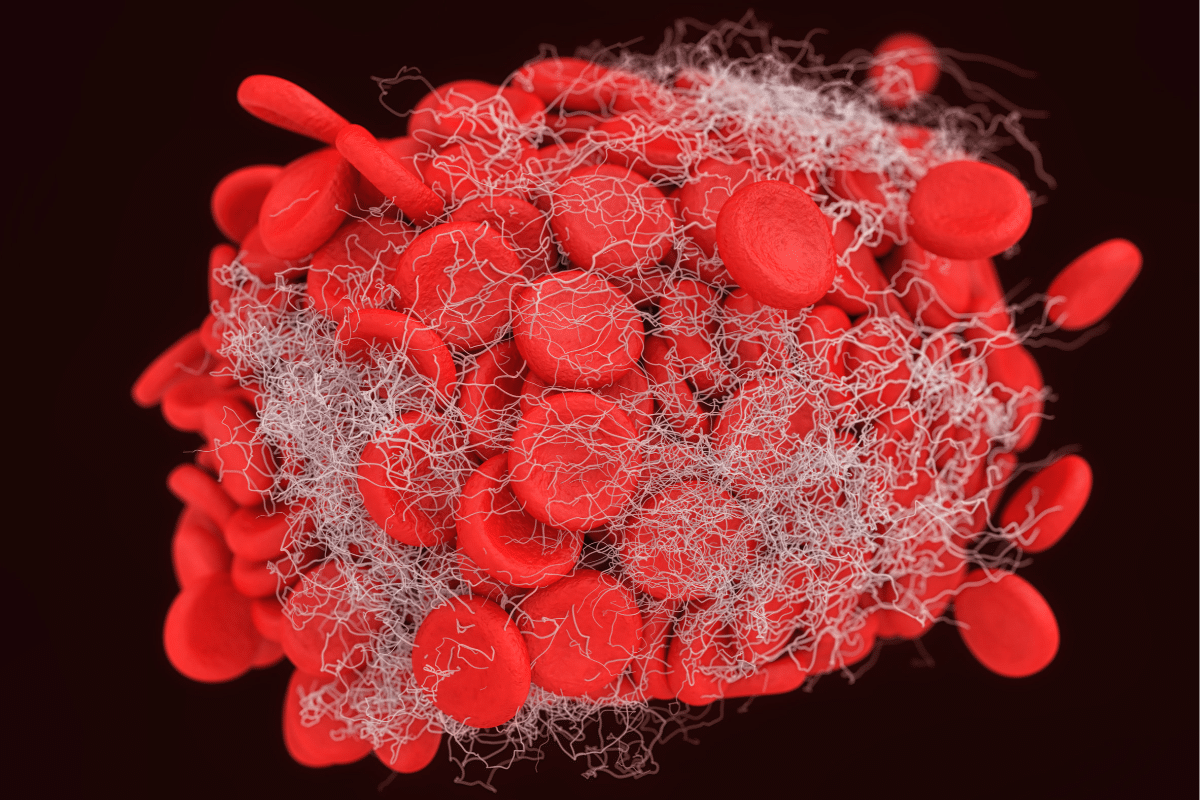
Guide on how to recognize the signs of a blood clot in hand veins and the necessary steps for immediate treatment. A lump or hard knot in a vein might mean you have a blood clot. This is a serious issue that needs quick action. It’s called superficial thrombophlebitis and often happens after vein procedures.
Spotting early signs is key to avoiding bigger problems. If you see redness, tenderness, or a firm lump on a vein in your hand or wrist, it’s important to know what it could be. Liv Hospital says catching it early is vital for keeping your vascular health in check.
Key Takeaways
- Superficial thrombophlebitis refers to a blood clot in a superficial vein.
- Early signs include a lump, redness, or tenderness along the vein.
- Medical procedures can sometimes cause blood clots in hand veins.
- Prompt recognition of symptoms can prevent unnecessary complications.
- Understanding the causes and symptoms is key for effective management.
Understanding Blood Clots in Hand Veins

Hand vein blood clots are often linked to superficial thrombophlebitis. This is different from deep vein thrombosis. Superficial thrombophlebitis is when a vein near the skin gets inflamed because of a blood clot.
What is Superficial Thrombophlebitis?
Superficial thrombophlebitis is when a blood clot forms in a vein close to the skin. It causes inflammation, pain, and swelling. It’s not as serious as deep vein thrombosis but needs medical care to avoid problems.
Causes of superficial thrombophlebitis include intravenous (IV) line complications, hand trauma, or blood draw issues. Knowing these causes helps in preventing and treating the condition.
How Hand Vein Clots Differ from Deep Vein Thrombosis
Deep Vein Thrombosis (DVT) is a serious condition with a blood clot in deeper veins, usually in the legs. But it can happen in the arms too. DVT is more dangerous because the clot can break loose and go to the lungs, causing a pulmonary embolism.
The main differences are where the clot is (superficial vs. deep veins) and the risks. Superficial thrombophlebitis is less risky but can signal an underlying issue that needs a doctor’s check-up.
Knowing the signs and symptoms of both conditions is key. For superficial thrombophlebitis, look for redness, swelling, and a cord along the vein. DVT symptoms are more subtle, like swelling, pain, and warmth in the affected limb.
Common Causes of Blood Clot in Hand
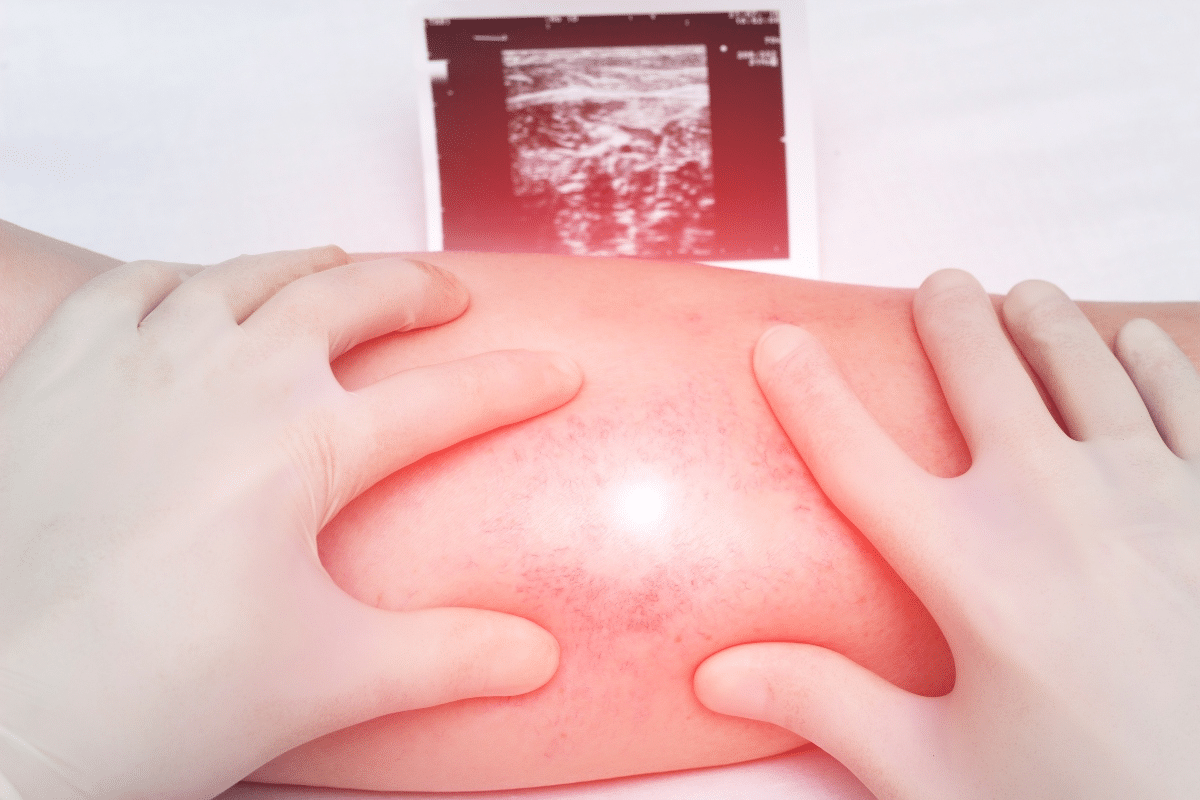
Hand vein blood clots can happen for many reasons. This includes problems with intravenous lines and physical injuries. Knowing why they happen helps us prevent and treat them better.
Intravenous (IV) Line Complications
Intravenous lines are used to put medicine and fluids into your blood. But, they can sometimes cause blood clots. IV line complications are a big reason for blood clots in hand veins.
Putting in an IV can irritate the vein wall. This can cause inflammation and lead to clots. Risks for clotting with IV lines include:
- The length of time the IV is in
- The size and type of the IV catheter
- Where the IV is placed (like the hand, arm, or wrist)
- Having had problems with IVs before
|
Risk Factor |
Description |
Impact on Clot Formation |
|---|---|---|
|
Duration of IV Line |
Longer time in increases irritation |
Higher risk of clotting |
|
Size and Type of IV Catheter |
Bigger catheters irritate more |
More risk with bigger ones |
|
Location of IV Line |
IVs in the hand and wrist are riskier |
More risk in these areas |
Physical Trauma to Hand Veins
Getting hurt in the hand can also cause blood clots. This can happen from accidents, sports injuries, or even small bumps.
When a vein gets hurt, the body tries to stop bleeding by forming a clot. But sometimes, this clot can be a problem, like if it’s big or stays after the injury heals.
Blood Draw Complications
Blood draws are common, but they can sometimes cause clots. The risk of clotting after a blood draw is similar to IV lines. This includes the skill of the person doing it, the needle size, and your blood health.
Symptoms of a clot after a blood draw include pain, swelling, and redness. If these get worse or don’t go away, you should see a doctor.
To manage blood clots from blood draws, watch the area closely. Sometimes, using warm compresses or over-the-counter pain meds can help.
Recognizing Early Stage Blood Clot in Hand Vein
It’s key to spot early signs of a blood clot in a hand vein. This can lead to quick medical help. Early action can stop problems and help people feel better.
Visual Signs: Redness and Swelling
Redness and swelling are big signs of a blood clot in a hand vein. The area might look inflamed and feel warm. This happens because the body sends more blood to fight the clot.
Hard Knot or Lump in Vein
A hard knot or lump in the vein is another sign. This lump is usually sore and can be felt along the vein. It’s caused by the clot and the vein wall getting inflamed.
Pain in Vein on Wrist and Hand
Pain in the wrist and hand vein is common. The pain can feel dull or sharp and gets worse with movement. Remember, this pain doesn’t go away with rest.
Knowing these signs helps people get medical help fast. This can stop serious problems. If you notice these symptoms, see a doctor right away for the right care.
Risk Factors for Developing Hand Vein Blood Clots
It’s important to know what can lead to blood clots in hand veins. This knowledge helps in preventing and spotting these clots early. Several factors can cause blood clots, including medical procedures, existing health conditions, and lifestyle choices.
Medical Procedures and Hospitalizations
Medical procedures, like using IV lines, can raise the risk of blood clots in hand veins. Being in the hospital for a long time or needing a central venous catheter also increases this risk. People having surgery, like orthopedic or heart surgery, are more likely to get clots because they can’t move much and their body reacts to the surgery.
IV-related complications are a big risk factor. IV lines can irritate the veins, causing clots. The risk goes up with bigger or stiffer catheters and longer IV use.
Pre-existing Medical Conditions
Some health conditions can make you more likely to get blood clots in hand veins. Problems with blood clotting, like thrombophilia, or inflammation, like vasculitis, can increase the risk. People with cancer, or those getting chemotherapy, are also at higher risk because cancer cells can trigger clotting.
Other conditions, such as autoimmune disorders or heart failure, can also raise the risk of clotting. It’s key to manage these conditions well to lower the risk of hand vein blood clots.
Lifestyle and Environmental Factors
Lifestyle and environment play a big part in the risk of blood clots in hand veins. Being stuck in one place for a long time, whether traveling, working, or for other reasons, can increase the risk. Smoking and being overweight also raise the risk because they can mess with blood flow and clotting.
Doing the same hand movements a lot, like in some jobs or hobbies, can also irritate veins and lead to clots. Knowing these risk factors helps in taking steps to prevent them.
|
Risk Factor |
Description |
Prevention Strategy |
|---|---|---|
|
Medical Procedures |
IV lines, surgeries, hospitalizations |
Proper IV management, early mobilization |
|
Pre-existing Conditions |
Thrombophilia, vasculitis, cancer |
Condition management, anticoagulant therapy |
|
Lifestyle Factors |
Smoking, obesity, prolonged immobilization |
Smoking cessation, weight management, regular movement |
IV-Related Blood Clots and Phlebitis
IV fluids or medications can sometimes cause blood clots. This is a serious issue that needs attention. IVs are lifesaving but can lead to problems like blood clots and phlebitis in hand veins.
Why IV Procedures Can Lead to Clotting
IVs can irritate vein walls, causing inflammation and clotting. The IV catheter can disrupt blood flow, raising the risk of thrombosis. Factors like catheter size, therapy duration, and patient health play a role in clotting.
Swollen Arm After IV Drip: Causes and Concerns
A swollen arm after an IV drip might signal a problem like phlebitis. Symptoms include pain, redness, and warmth. It’s important to watch these signs closely to avoid worse issues.
Swelling can be due to the IV catheter or serious conditions like DVT. But DVT is rare in hand veins.
Injection Site Phlebitis: Recognition and Management
Phlebitis is vein inflammation near an IV site. Spotting signs like pain, swelling, and redness is key. Managing it involves removing the IV, using warm compresses, and possibly anti-inflammatory drugs.
Severe phlebitis might need doctor care to avoid infections or further complications.
Diagnosing Blood Clots in Hand Veins
Diagnosing blood clots in hand veins involves several steps. It starts with a clinical check-up and then uses tests to confirm. Getting the right diagnosis is key to treating the problem and avoiding serious issues.
Physical Examination: Identifying Hardened Veins in Arm
The first step is a physical check-up. Doctors look for signs like redness, swelling, and hardened veins in the arm. A hard knot or lump in the vein could mean a blood clot.
Doctors also check the vein’s hardness and tenderness by touch. This helps them see how big the clot is and how it’s affecting the area.
Imaging Tests and Laboratory Work
Imaging tests are needed to confirm the diagnosis. Ultrasound is often used to see the clot and its size. It helps doctors understand the situation better.
Lab tests might also be done. They check for clotting disorders or inflammation that could be causing the clot.
Differential Diagnosis: Conditions That Mimic Hand Vein Clots
Not every symptom of a blood clot is actually one. Other issues like cellulitis, varicose veins, or tendinitis can look similar. It’s important to rule out these conditions.
To do this, doctors use a physical exam, patient history, and tests. This makes sure the treatment is right for the actual problem.
Home Treatment Options for Superficial Blood Clots
Knowing when to treat superficial blood clots at home is key. Superficial thrombophlebitis, or inflammation of the veins, can often be managed at home. The right approach is important.
When Self-Care is Appropriate
Self-care works for mild superficial blood clots that don’t indicate a DVT. If the clot is in a superficial vein and symptoms are mild, home treatment can help. Always check with a healthcare provider first.
Effective Home Remedies for Sore Vein on Top of Hand
Several home remedies can ease discomfort from a sore vein on top of the hand. A warm compress can help reduce pain and swelling. Elevating the hand above the heart also helps reduce swelling.
|
Remedy |
Description |
Benefits |
|---|---|---|
|
Warm Compress |
Apply a warm, damp cloth to the affected area |
Reduces pain and inflammation |
|
Elevation |
Elevate the hand above heart level |
Reduces swelling |
|
Compression |
Use a compression bandage or stocking |
Improves circulation, reduces swelling |
Monitoring Progress During Home Treatment
It’s important to watch how the clot is doing and any symptoms. Track any changes in pain, swelling, or redness. If symptoms get worse or don’t get better, see a doctor.
Signs that require immediate medical attention include: increasing pain, swelling that doesn’t improve with elevation, redness or warmth that spreads, or fever.
By knowing when to use self-care and using effective home remedies, people can manage superficial blood clots and help them heal.
Medical Treatments for Blood Clots in Hand Veins
Treating blood clots in hand veins involves several steps. The right treatment depends on the clot’s size, the patient’s health, and any other conditions they might have.
Anti-inflammatory Medications
For many, the first treatment is anti-inflammatory drugs. These help lessen swelling and pain from the clot. Nonsteroidal anti-inflammatory drugs (NSAIDs) like ibuprofen are often used. Sometimes, creams or gels are suggested for direct application.
- Ibuprofen
- Aspirin
- Naproxen
Anticoagulant Therapy: When It’s Necessary
For severe cases or when there’s a risk of the clot moving, anticoagulant therapy is needed. These drugs stop blood from clotting or prevent clots from growing. They help avoid serious problems like pulmonary embolism.
Common anticoagulants include:
- Warfarin
- Rivaroxaban
- Apixaban
Surgical Interventions for Severe Cases
In rare, severe cases, surgery might be needed. Surgical options include removing the clot through thrombectomy.
It’s key for patients to work with their healthcare provider to find the best treatment. Knowing the medical options helps patients make informed decisions about their care.
Recovery Timeline and Expectations
Knowing how long it takes for blood clots in hand veins to heal is key. It helps manage your expectations and ensures healing goes smoothly. The time it takes can change based on the clot’s size, treatment success, and your health.
Typical Healing Process for Hand Vein Clots
The healing of hand vein clots goes through several steps. First, you might feel pain and swelling due to the clot. These symptoms can be eased with anti-inflammatory drugs.
As the clot starts to dissolve, the pain and swelling should lessen. This is a sign that healing is underway.
Stages of Healing:
- Inflammation: The initial stage characterized by pain, redness, and swelling.
- Clot Dissolution: The body starts to break down the clot, reducing symptoms.
- Tissue Repair: The affected vein begins to heal, and normal function returns.
Potential Complications During Recovery
Most hand vein clots heal well, but some complications can happen. These include:
|
Complication |
Description |
Action |
|---|---|---|
|
Clot Extension |
The clot grows, potentially blocking more of the vein. |
Seek medical attention if symptoms worsen. |
|
Infection |
Bacterial infection at the site of the clot or IV line. |
Monitor for signs of infection, such as increased redness or fever. |
|
Pulmonary Embolism |
Though rare, a clot can break loose and travel to the lungs. |
Get immediate medical help if you have trouble breathing. |
Signs of Proper Healing vs. Worsening Condition
It’s important to know the difference between healing and complications. Healing is shown by less pain, swelling, and redness. But, if pain, swelling, or new symptoms get worse, it might be a sign of trouble.
Monitoring Progress: Keep an eye on the affected area. Tell your doctor if you notice any concerning changes.
Managing Symptoms of Blood Clot in Wrist
Managing blood clot symptoms in the wrist needs a mix of pain relief and lifestyle changes. These steps are key to making patients more comfortable and helping them recover faster.
Relieving Pain and Discomfort
Dealing with pain is a big part of managing wrist blood clot symptoms. You can use over-the-counter pain meds like ibuprofen or acetaminophen. These can help lessen pain and swelling.
Also, using warm compresses on the area can help. It boosts blood flow and eases discomfort. Sometimes, keeping the arm up can also help by reducing swelling and pain.
Activity Modifications During Healing
Changing how you do things is important when you’re healing. Stay away from heavy lifting and activities that strain your wrist. Gentle exercises, as suggested by a doctor, can keep your wrist flexible without stressing the vein too much.
When Pain in Left Arm Vein Requires Special Attention
It’s important to know when pain in the left arm vein needs extra care. If the pain is really bad, or if you see signs of infection like redness or swelling, get medical help right away. Also, if you have trouble breathing or chest pain, call for emergency help. These could be signs of a serious issue.
|
Symptom |
Action |
|---|---|
|
Mild pain |
Over-the-counter pain relief, warm compresses |
|
Severe pain or swelling |
Seek medical attention |
|
Signs of infection |
Immediate medical evaluation |
When to Seek Emergency Medical Attention
Knowing when to get immediate medical help is key for people with blood clots in their hand veins. Many cases of superficial thrombophlebitis can be treated without surgery. But, some situations need quick medical check-ups to avoid serious problems.
Warning Signs of Serious Complications
It’s important to know the signs that a blood clot in the hand vein might be serious. Look out for:
- Increasing pain or swelling that doesn’t get better with rest or elevation
- Redness or warmth spreading beyond the initial area of the clot
- Pus or discharge from the affected area, indicating possible infection
- Fever above 100.4°F (38°C)
- Shortness of breath or chest pain, which could indicate a pulmonary embolism
Immediate action is required if you see any of these signs. They could mean a serious and possibly life-threatening condition.
Differentiating Between Minor and Severe Clots
Not all blood clots in hand veins are the same. Some are more serious or have a higher risk of complications. Signs of a more severe clot include:
- Large size of the clot
- Clots that are deep or near critical areas
- Presence of underlying medical conditions that increase clotting risk
- Recent surgery or prolonged immobilization
Understanding these factors helps both individuals and healthcare providers decide if emergency medical attention is needed.
Emergency Treatment Protocols
When a blood clot in the hand vein needs emergency care, treatment can vary. It depends on the severity and specific situation. Emergency treatment might include:
- Immediate anticoagulation therapy to prevent clot progression
- Administration of thrombolytic therapy in severe cases
- Supportive care, such as pain management and limb elevation
- In some cases, surgical intervention may be necessary
In conclusion, knowing when to seek emergency medical attention for blood clots in hand veins is vital. Recognizing warning signs and understanding the differences between minor and severe clots helps. This way, individuals can act quickly when needed.
Conclusion: Managing and Understanding Hand Vein Blood Clots
It’s important to know about blood clots in hand veins. This knowledge helps prevent problems and aids in recovery. By spotting the causes, risks, and signs of these clots, people can get help fast.
Handling blood clots well means taking care of yourself, getting medical help, and changing your lifestyle. Knowing the signs of serious issues is key. If you see these signs, get to the hospital right away.
Learning about hand vein blood clots helps lower the risk of complications. It also helps in getting better faster. To manage these clots well, you need medical advice, education, and self-care.
FAQ
What is a superficial blood clot?
A superficial blood clot, also known as superficial thrombophlebitis, forms in a vein near the skin’s surface. It causes pain, redness, and swelling.
What are the symptoms of a blood clot in the hand vein?
Symptoms include a hard knot in the vein, pain, redness, swelling, and warmth. These signs occur around the affected area.
Can IV lines cause blood clots in hand veins?
Yes, IV lines can cause blood clots in hand veins. This happens due to vein irritation or injury, leading to inflammation and clotting.
How is a blood clot in the hand vein diagnosed?
Diagnosis involves a physical exam, imaging tests like ultrasound, and lab work. These steps help rule out other conditions.
What are the risk factors for developing blood clots in hand veins?
Risk factors include medical procedures, pre-existing conditions, physical trauma, and lifestyle or environmental factors.
Can blood clots in hand veins be treated at home?
Mild cases can be treated at home. Use warm compresses, elevate the arm, and take over-the-counter pain relievers.
When should I seek medical attention for a blood clot in my hand vein?
Seek medical help for severe pain, increasing redness or swelling, warmth, or tenderness. Also, watch for fever, as it can indicate a serious condition.
What is the typical recovery time for a blood clot in the hand vein?
The recovery time varies. Most cases of superficial thrombophlebitis resolve in a few weeks with proper treatment and self-care.
Can a blood clot in the hand vein lead to complications?
While rare, complications like deep vein thrombosis or pulmonary embolism can occur. Seek medical attention for concerning symptoms.
How can I manage pain and discomfort from a blood clot in my wrist?
Manage pain with over-the-counter pain relievers, warm compresses, and avoiding activities that worsen the condition.
What is injection site phlebitis?
Injection site phlebitis is inflammation of a vein caused by an IV line or injection. It leads to pain, redness, and swelling at the site.
Can a clot after a blood draw cause complications?
While usually minor, a clot after a blood draw can cause complications if it becomes dislodged or if symptoms persist. It’s important to follow up with your healthcare provider.
References
National Health Service (NHS). Hand Vein Thrombophlebitis: Recognition and Treatment. Retrieved from https://www.nhs.uk/conditions/phlebitis/[1