

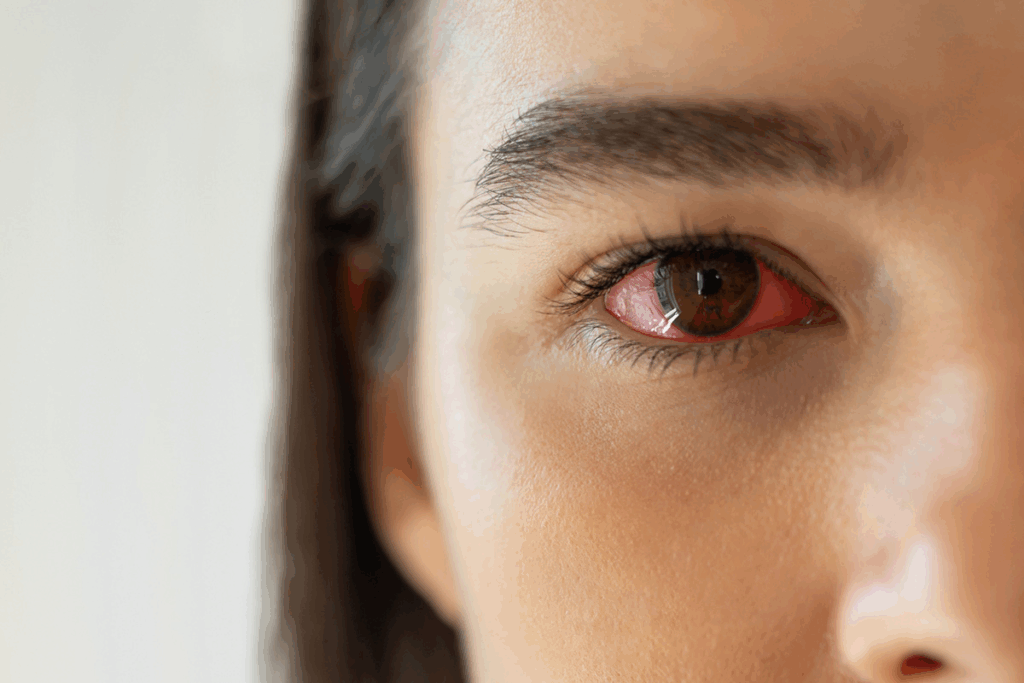
An eye stroke, also known as retinal artery occlusion, happens when blood flow to the retina is cut off. This is usually due to a blood clot or plaque. It can cause sudden, painless vision loss in one eye. This is a key sign of the condition. Have a blood clot on the eyeball? This complete guide explains the causes and treatment for a subconjunctival hemorrhage.
Experiencing sudden vision loss is scary. It’s very important to get medical help right away. This can help prevent lasting damage.
About one in 100,000 people have an eye stroke each year. Men over 60 are most at risk. Knowing the signs and getting help quickly can make a big difference for those affected.
Key Takeaways
- Eye stroke is a serious medical emergency that requires immediate attention.
- Sudden, painless vision loss in one eye is a primary symptom.
- Males aged 60 and older are at the highest risk.
- Prompt treatment can significantly improve outcomes.
- Understanding the warning signs is key for timely medical intervention.
Understanding Eye Stroke
It’s important to know about eye stroke to get help fast and avoid losing your sight forever. An eye stroke happens when blood can’t reach the eye. This can cause serious vision problems or even blindness.
Definition and Medical Terminology
An eye stroke is when a blood clot blocks an artery in the eye. The most common is when the main artery in the retina gets blocked. This is called a central retinal artery occlusion (CRAO). A blockage in a smaller artery is called a branch retinal artery occlusion (BRAO). Both are emergencies that need quick medical help.
The term “eye stroke” is often used the same as “retinal artery occlusion.” It shows how vision can suddenly go away because of blood flow blockage.
How Eye Stroke Differs from Brain Stroke
Eye stroke and brain stroke both happen when blood flow stops. But they affect different parts of the body. A brain stroke happens when blood stops getting to the brain. An eye stroke is when blood stops getting to the eye.
Even though they’re different, they share some risk factors. These include high blood pressure, diabetes, and heart disease. Knowing this can help spot who might be at risk for both.
Prevalence and Demographics
About one in 100,000 people get eye stroke every year. Men over 60 are most at risk. But anyone can get it, no matter their age or gender.
Demographic | Characteristics | Risk Level |
Age | 60 and older | High |
Gender | Males | Higher than females |
Medical History | Hypertension, Diabetes | Increased |
Causes of Eye Stroke
It’s important to know what causes eye strokes to prevent them. Eye strokes happen when a blood vessel in the back of the eye gets blocked. People often wake up with sudden, painless vision loss in one eye, with no warning.
Blood Flow Interruption Mechanisms
There are several ways blood flow to the eye can stop. Retinal artery occlusion is one, where the artery to the retina gets blocked. This can be from a blood clot or an embolus. Another cause is retinal vein occlusion, where the vein draining blood from the retina gets blocked, causing vision loss.
Ischemic optic neuropathy is also a cause of eye stroke. It happens when blood flow to the optic nerve is cut off. Knowing these causes helps doctors diagnose and treat eye strokes better.
Types of Eye Stroke
There are different types of eye stroke, each with its own cause. The main types are:
- Retinal artery occlusion
- Retinal vein occlusion
- Ischemic optic neuropathy
Type of Eye Stroke | Cause | Effect on Vision |
Retinal Artery Occlusion | Blockage of retinal artery | Sudden, painless vision loss |
Retinal Vein Occlusion | Blockage of retinal vein | Vision loss, potentially with floaters |
Ischemic Optic Neuropathy | Compromised blood flow to optic nerve | Sudden vision loss, often in one eye |
Knowing the causes and types of eye stroke is key to getting help fast. If you suddenly lose vision or have other eye stroke symptoms, get medical help right away.
Eye Clot Symptoms: What to Watch For
Knowing the signs of an eye clot can stop vision loss. It’s key to spot these symptoms early for the best treatment.
Sudden Vision Loss
Sudden vision loss in one eye is a big warning sign. It can be total or partial. If you see this, get help right away. This symptom is different from other eye problems because it happens suddenly.
Painless Nature of Symptoms
The signs of an eye clot are usually painless. This means you might not feel any pain even if your vision changes a lot. Because of this, people might not get help right away.
Morning Onset Pattern
Many people notice eye stroke symptoms in the morning. This morning onset pattern is a clue. It means the problem might happen while you’re sleeping. Knowing this can help you get medical help fast if you wake up with vision issues.
Look out for dark shadows, blurry vision, and seeing floaters. These are signs that need quick attention. Spotting these early can make a big difference in treatment.
If you notice any of these symptoms, see a doctor right away. Getting help quickly, usually within 4-6 hours, can greatly improve your chances of recovery.
Common Signs of Eye Stroke
Knowing the signs of eye stroke is key for quick treatment. The retina can only last four to six hours without oxygen. This makes fast action vital to save your vision.
Complete or Partial Vision Loss
Sudden vision loss is a common eye stroke symptom. It can be full or partial. This happens when blood stops reaching the retina, harming the cells that see.
How bad it is can affect your daily life. You might lose all vision in one eye or have trouble seeing parts of things.
Dark Shadows in Visual Field
Some people see dark shadows or a curtain in their vision. This is a sudden, shadowy area in your sight. It can be in the middle or edges of your vision.
If you see this, get medical help right away. It means there’s a blockage in the blood to your retina.
Decreased Visual Contrast
Eye stroke can also make it hard to see differences in objects or colors. This makes everyday tasks like reading or driving tough. If your contrast vision changes suddenly, see a doctor.
Light Sensitivity Changes
Eye stroke can also change how light affects your vision. You might be too sensitive to light or struggle to see in bright places. These changes can really affect your life, so get checked out by a doctor fast.
In short, knowing the signs of eye stroke is very important. Look out for vision loss, dark shadows, contrast issues, and light sensitivity changes. If you see these, get help right away to avoid losing your vision forever.
Additional Visual Disturbances
Eye stroke can cause more than just pain. People may also see things differently. These changes can make everyday life hard. It’s important to know what to look out for.
Blurred Vision is a common issue. It happens when blood flow to the eye is cut off. This makes it hard to do simple tasks. It’s tricky because it doesn’t always hurt.
Blurred Vision
Blurred vision can hit one or both eyes. It might go away on its own or stick around. If it doesn’t get better, it could lead to worse vision problems.
Floaters and Gray Spots
Some people see floaters and gray spots in their vision. These are usually from changes in the eye’s gel. But they can also mean eye stroke. It’s key to see an eye doctor to figure out why.
Visual Field Defects
Visual field defects are another sign. Some see dark spots in their vision. Others might lose the edge of their sight or have trouble with light. These changes can make it hard to move around safely.
In short, knowing about these visual changes is vital. If you see any of these, get help right away. This can stop things from getting worse.
When to Seek Immediate Medical Attention
The start of eye stroke symptoms needs quick action to avoid lasting harm. Knowing how urgent it is can greatly affect treatment success.
The Critical 4-6 Hour Treatment Window
Treatment for eye stroke must start right away. Clot-busting medication works best when given through an IV within four-and-a-half hours of symptoms. This shows how important it is to get medical help fast.
Emergency Signs That Require Immediate Care
If you suddenly lose vision or see blurred images, don’t wait to get help. Other urgent signs include dark shadows in your sight, less contrast, and sensitivity to light. These stroke vision symptoms mean you need to see a doctor right away.
What to Tell Emergency Medical Personnel
When you go to the hospital, tell them everything about your symptoms of stroke in eye. Tell them when you first noticed your symptoms, any changes, and your medical history. This includes high blood pressure, high cholesterol, diabetes, or past strokes.
Knowing what is eye stroke and its signs helps protect your eyes. Quick action and talking clearly with doctors are vital for good treatment.
Risk Factors for Developing Eye Stroke
Several factors can increase the likelihood of experiencing an eye stroke. Understanding these risk factors is key for prevention and early detection.
Age and Gender Considerations
Retinal occlusion, a common form of eye stroke, tends to affect people over 50. Men are slightly more at risk than women, though it can affect anyone, regardless of gender.
Medical Conditions That Increase Risk
Certain medical conditions can significantly increase the risk of developing eye stroke. These include:
- Glaucoma
- Hypertension
- Diabetes
- High cholesterol
Having one or more of these conditions doesn’t guarantee an eye stroke, but it does increase the risk. Managing these conditions effectively is key.
Lifestyle Factors
Lifestyle choices also play a significant role in determining the risk of eye stroke. Smoking, a sedentary lifestyle, and a diet high in saturated fats can contribute to the risk.
Table: Risk Factors for Eye Stroke
Risk Factor | Description | Impact |
Age | People over 50 | Higher risk with increasing age |
Gender | Men slightly more than women | Men are at a higher risk |
Glaucoma | Presence of glaucoma | Increases risk significantly |
Hypertension | High blood pressure | Contributes to vascular issues |
Smoking | Smoking habit | Damages vascular health |
By understanding these risk factors, individuals can take proactive steps to reduce their likelihood of experiencing an eye stroke. Regular check-ups and a healthy lifestyle are key components of prevention.
Diagnosing Eye Stroke
To diagnose an eye stroke, doctors use many methods. These range from simple checks to advanced imaging tests. The process is detailed but essential for finding the right treatment.
Initial Eye Examination
The first step is a thorough eye check. We look at visual acuity and visual field for any issues. We also check the retina and optic nerve for damage or disease.
Fundus photography is a key tool here. It gives us a clear view of the eye’s inner parts. This helps spot signs of an eye stroke, like retinal ischemia or optic neuropathy.
Diagnostic Tests and Procedures
After the first check, we might do more tests. These help confirm the diagnosis and see how much damage there is. Some tests we might use include:
- Optical Coherence Tomography (OCT): Gives us detailed retina images to check damage.
- Fluorescein Angiography: Shows us any blood vessel issues in the retina.
- Visual Field Testing: Checks how much of the visual field is affected.
Diagnostic Test | Purpose |
Optical Coherence Tomography (OCT) | Detailed imaging of the retina to assess damage extent |
Fluorescein Angiography | Identifying abnormalities in retinal blood vessels |
Visual Field Testing | Assessing the extent of visual field loss |
Differentiating from Other Eye Conditions
It’s important to tell an eye stroke from other eye problems. These might look similar, like retinal detachment or optic neuritis. We use a mix of clinical checks, patient history, and test results to make this distinction.
By correctly identifying the issue, we can offer the best treatment. This helps the patient recover better and avoids more problems.
Treatment Options and Recovery
Quick treatment of eye stroke can greatly help patients with sudden vision loss. The main goal is to bring back vision or reduce further loss.
Emergency Medical Interventions
Getting medical help right away is key for eye stroke treatment. Emergency steps might include:
- Using clot-busting drugs to break up the blockage.
- Lowering eye pressure to ease symptoms.
- Improving blood flow to the retina.
Medications and Therapies
Several medicines and treatments help manage eye stroke:
Treatment | Purpose |
Anti-platelet medications | Stop new clots from forming |
Anticoagulant medications | Stop new clots and prevent existing ones from growing |
Thrombolytic therapy | Dissolve clots causing the eye stroke |
Vision Rehabilitation
For those with permanent vision loss from eye stroke, vision rehab helps. It includes:
- Learning new ways to use what vision you have left.
- Using tools to help with daily tasks.
- Training to move around safely.
Long-Term Prognosis
The future looks different for everyone after an eye stroke. Some might see better, while others won’t. How well you do depends on how fast and well you’re treated, and why you had the stroke.
Knowing the symptoms of an eye stroke and getting help fast can make a big difference. Quick action can help restore vision and improve life for patients.
Conclusion
An eye stroke can severely affect your vision. It often causes sudden and painless vision loss. Knowing the symptoms is key to getting help quickly.
We’ve talked about what an eye stroke is, its causes, and why you should get medical help fast. A vascular neurologist will check if you’re at risk for another stroke. This is because eye strokes and brain strokes are linked.
Getting treatment quickly is very important. You have a small window of 4-6 hours to act. It’s vital to know the signs and seek help right away if you notice any symptoms.
FAQ
What is an eye stroke?
An eye stroke, also known as retinal artery occlusion, happens when blood flow to the retina is blocked. This blockage is usually caused by a blood clot or plaque. It leads to sudden, painless vision loss in one eye.
What are the symptoms of eye stroke?
Symptoms of eye stroke include sudden vision loss and blurred vision. You might also see dark shadows in your visual field. Decreased visual contrast and light sensitivity changes are common, often without pain.
How does eye stroke differ from brain stroke?
Eye stroke affects the eye, causing vision loss. Brain stroke, on the other hand, affects the brain. It can cause paralysis, speech difficulties, and cognitive impairment.
What causes eye stroke?
Eye stroke is caused by blocked blood flow to the retina. This can be due to retinal artery occlusion, retinal vein occlusion, or ischemic optic neuropathy. Blood clots, plaque, and certain medical conditions can trigger it.
What are the risk factors for developing eye stroke?
Risk factors for eye stroke include age and certain medical conditions like hypertension and diabetes. Lifestyle factors and gender also play a role.
How is eye stroke diagnosed?
Eye stroke is diagnosed through a detailed eye examination and various tests. These help identify the condition and its cause.
What are the treatment options for eye stroke?
Treatment for eye stroke includes emergency medical interventions and medications. Therapies aim to restore vision. Vision rehabilitation helps with adapting to vision loss.
What is the critical treatment window for eye stroke?
The critical time for treating eye stroke is within 4-6 hours after symptoms start. Quick medical action can greatly improve outcomes.
Can eye stroke be prevented?
While some risk factors can’t be changed, managing health conditions and a healthy lifestyle can reduce eye stroke risk. Regular eye care is also important.
What should I tell emergency medical personnel if I suspect an eye stroke?
If you think you’re having an eye stroke, tell emergency staff about your vision loss symptoms. Share any relevant medical history to get timely treatment.
What is the long-term prognosis for eye stroke?
Eye stroke prognosis varies. It depends on the condition’s severity, treatment effectiveness, and individual factors. Some see significant recovery, while others may have lasting vision loss.
What are the signs of ocular stroke?
Signs of ocular stroke include sudden vision loss and visual disturbances like blurred vision and dark shadows. These symptoms can affect daily activities.
What causes stroke in the eye?
Eye stroke is caused by blocked blood flow to the retina or optic nerve. This blockage is often due to a blood clot, plaque, or other conditions that disrupt blood flow.
References
National Health Service (NHS). Evidence-Based Medical Guidance. Retrieved from https://www.nhs.uk/conditions/subconjunctival-haemorrhage/

























