
Do you often get bruises without knowing why? Easy bruising might point to serious health problems, like blood diseases and autoimmune disorders. It’s important to know about these conditions to get the right treatment.
Liv Hospital focuses on finding and treating the real causes of easy bruising. They aim to give top-notch medical care. This means they help people who don’t understand why they bruise so easily.
Key Takeaways
- Easy bruising can indicate underlying health issues.
- Blood diseases and autoimmune disorders are possible causes.
- Liv Hospital offers expert diagnosis and treatment.
- Understanding these conditions is key to proper care.
- Patient-centered care is a priority at Liv Hospital.
Understanding Easy Bruising and Normal Blood Clotting
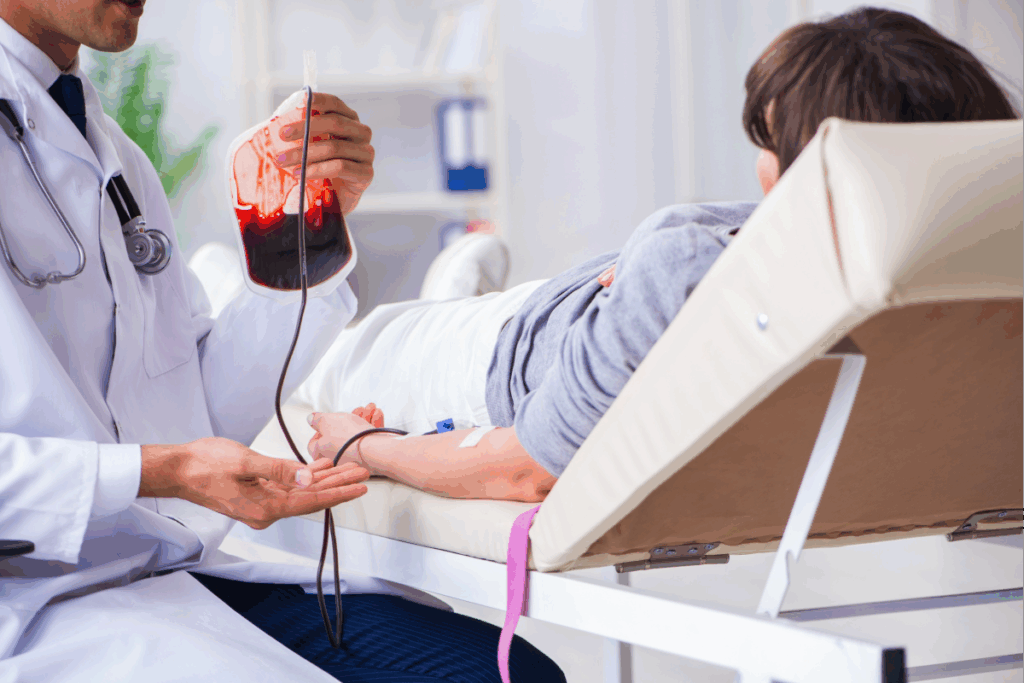
To understand easy bruising, we need to know about blood clotting. Bruising happens when blood leaks into tissue due to damaged blood vessels. This can be from minor injuries or signs of a bigger problem.
What Causes Bruises to Form
Bruises form when blood vessels get hurt. Blood then leaks into the skin. The body tries to stop this bleeding by clotting. Many things can affect this, like blood vessel health, platelet function, and clotting factors.
- Damage to blood vessels
- Insufficient platelet count or function
- Deficiencies in clotting factors
The Normal Blood Clotting Process
The clotting process is complex and vital. It stops bleeding when a vessel is injured. It involves many steps and factors, all working together.
The main stages are:
- Vascular spasm: The injured vessel constricts to reduce blood flow.
- Platelet plug formation: Platelets stick to the injury, forming a temporary plug.
- Coagulation cascade: Chemical reactions create a fibrin clot.
- Fibrinolysis: The clot dissolves as the vessel heals.
When Bruising Becomes a Medical Concern
Occasional bruising is normal, but frequent orunexplained bruising is not. Blood disorders or autoimmune diseases can cause easy bruising. If you notice frequent bruising, it’s time to see a doctor.
Look out for these signs:
| Indicator | Description |
| Frequency | Bruising occurs frequently or without apparent cause |
| Severity | Bruises are large, painful, or slow to heal |
| Associated Symptoms | Presence of other symptoms like fatigue, fever, or bleeding gums |
Hemophilia and Related Clotting Factor Disorders

Hemophilia is a genetic disorder that makes it hard for blood to clot. This leads to more bruising and bleeding. It happens because of a lack of certain proteins needed for blood to coagulate.
There are different types of hemophilia, each caused by a lack of a specific protein. Knowing the type is key for the right treatment.
Hemophilia A: Factor VIII Deficiency
Hemophilia A, also known as classic hemophilia, is caused by a lack of factor VIII. It’s the most common type. People with it often have long-lasting bleeding in joints or muscles, easy bruising, and long bleeding after injuries or surgeries.
Hemophilia B: Factor IX Deficiency
Hemophilia B is caused by a lack of factor IX. It’s less common than Hemophilia A but has similar symptoms. It’s an X-linked recessive disorder, meaning it’s more common in males.
Hemophilia C: Factor XI Deficiency
Hemophilia C is caused by a lack of factor XI. It affects both males and females and is not linked to the X chromosome. It’s generally milder and might not be diagnosed until later in life, often during surgeries or after big injuries.
The following table summarizes the key differences between the types of hemophilia:
| Type | Deficient Clotting Factor | Characteristics |
| Hemophilia A | Factor VIII | Most common form, X-linked recessive, severe bleeding episodes |
| Hemophilia B | Factor IX | Less common, X-linked recessive, similar symptoms to Hemophilia A |
| Hemophilia C | Factor XI | Affects both genders, generally milder, may be diagnosed later in life |
In conclusion, hemophilia and related clotting factor disorders are genetic conditions that make it hard for blood to clot. This leads to easy bruising and other bleeding problems. Knowing the specific type is key for the right treatment.
Von Willebrand Disease and Platelet Disorders
Easy bruising can be a sign of von Willebrand disease and platelet disorders. These issues make it hard for the body to form blood clots. This leads to more bruising and bleeding.
Types of Von Willebrand Disease
Von Willebrand disease is a genetic disorder that affects blood clotting. It’s caused by a problem with von Willebrand factor (VWF), a key protein. There are three main types:
- Type 1: The most common and mildest form, with a partial VWF deficiency.
- Type 2: Further divided into subtypes (2A, 2B, 2M, and 2N), this type involves qualitative defects in VWF.
- Type 3: The most severe form, with a complete VWF deficiency, leading to significant bleeding complications.
Knowing the specific type of von Willebrand disease is key to managing symptoms and preventing complications.
Bernard-Soulier Syndrome
Bernard-Soulier Syndrome is a rare inherited disorder. It causes abnormally large platelets and low platelet count. This makes it hard for platelets to function, leading to prolonged bleeding and easy bruising.
The syndrome is caused by mutations in genes that encode for platelet glycoproteins. These proteins are vital for platelet adhesion and aggregation.
Glanzmann Thrombasthenia
Glanzmann Thrombasthenia is a rare bleeding disorder. It’s caused by a deficiency or dysfunction of platelet glycoproteins IIb/IIIa. This impairs platelet aggregation, causing prolonged bleeding times and increased bruising.
Patients with Glanzmann Thrombasthenia often have frequent nosebleeds, gum bleeding, and easy bruising. Both Bernard-Soulier Syndrome and Glanzmann Thrombasthenia show how important platelet function is in hemostasis. They also highlight the need for specific diagnostic approaches to manage these conditions effectively.
Blood Disease Bruises: Thrombocytopenia and Related Conditions
Thrombocytopenia is when you have too few platelets. This can make it easy to bruise. It’s caused by many things, like autoimmune diseases, some medicines, and problems with the bone marrow.
Immune Thrombocytopenic Purpura (ITP)
Immune Thrombocytopenic Purpura (ITP) happens when your immune system attacks platelets. This leads to a low platelet count. It can cause easy bruising, nosebleeds, and bleeding gums.
ITP can affect both kids and adults. How severe it is can vary a lot.
The exact reason for ITP is not known. But it’s thought to be a mix of genetics and environment. Treatment options include medicines that calm down the immune system. Sometimes, removing the spleen is needed.
Drug-Induced Thrombocytopenia
Drug-Induced Thrombocytopenia happens when some medicines lower your platelet count. This can happen in a few ways, like when the immune system attacks platelets or when the bone marrow makes fewer platelets.
Some common medicines that can cause this include heparin, antibiotics, and anti-inflammatory drugs. Doctors figure out if a medicine is the cause by looking at when the problem started. Management means stopping the bad medicine and sometimes giving other treatments to help the platelet count.
Thrombotic Thrombocytopenic Purpura (TTP)
Thrombotic Thrombocytopenic Purpura (TTP) is a rare condition where blood clots form in small blood vessels. It’s linked to low platelet counts, broken red blood cells, and can cause neurological problems and kidney issues.
TTP is a serious condition that needs quick treatment. This usually involves plasma exchange to get rid of bad antibodies and replace a missing enzyme. Early diagnosis and treatment are key to avoiding serious problems and improving chances of recovery.
Leukemia and Blood Cancers That Cause Bruising
Leukemia and other blood cancers can make it hard for the body to make healthy blood cells. This leads to easy bruising. We will look at the different types of leukemia and how they affect blood cell production and bruising.
Acute Myeloid Leukemia
Acute Myeloid Leukemia (AML) starts in the bone marrow and quickly spreads to the blood. It can also go to other parts of the body like the lymph nodes and liver. AML makes it hard to make normal blood cells, causing a drop in healthy cells and leading to bruising.
AML grows fast and fills the bone marrow with abnormal cells. Symptoms include fatigue, weight loss, and easy bruising or bleeding. Doctors use blood tests and bone marrow biopsies to diagnose AML.
Acute Lymphoblastic Leukemia
Acute Lymphoblastic Leukemia (ALL) affects the lymphoid cells in the bone marrow. It grows quickly if not treated. ALL can lower the production of normal blood cells, causing symptoms like bruising, fatigue, and infections.
ALL is more common in kids but can happen in adults too. Symptoms can come on fast. Doctors check the blood and bone marrow to diagnose ALL. Treatment often includes chemotherapy and sometimes a bone marrow transplant.
Multiple Myeloma
Multiple Myeloma is a blood cancer with too many plasma cells in the bone marrow. It can cause anemia, bone pain, and a higher risk of infections and bruising because it suppresses normal blood cell production.
Multiple Myeloma can cause anemia, bone fractures, and hypercalcemia. It can also harm the kidneys and make infections more likely.
- Leukemia and other blood cancers can disrupt normal blood cell production.
- Easy bruising is a common symptom of these conditions.
- Diagnosis involves blood tests and bone marrow examination.
- Treatment options vary depending on the type and stage of the cancer.
Leukemia and other blood cancers are serious and can cause easy bruising among other symptoms. Knowing about the different types of leukemia and their effects is key for early diagnosis and treatment.
Autoimmune Disorders Associated with Easy Bruising
Certain autoimmune diseases can cause easy bruising. This happens because they affect blood vessels and clotting factors. Autoimmune disorders occur when the body’s immune system attacks its own tissues. This leads to various health issues, including easy bruising.
Systemic Lupus Erythematosus (SLE)
Systemic Lupus Erythematosus, or SLE, is a chronic autoimmune disease. It can affect the skin, joints, kidneys, brain, and other organs. Easy bruising in SLE patients is due to the disease’s impact on blood vessels and antiphospholipid antibodies.
Rheumatoid Arthritis and Vasculitis
Rheumatoid arthritis (RA) mainly affects the joints, causing inflammation and pain. In some cases, RA can lead to vasculitis, an inflammation of the blood vessels. This can weaken blood vessel walls, making them more prone to bruising.
Antiphospholipid Syndrome
Antiphospholipid syndrome (APS) is an autoimmune disorder with antiphospholipid antibodies. These antibodies can cause blood clots in arteries or veins. While APS is more commonly linked to clotting, it can also cause easy bruising, mainly if there’s an issue with platelet count or function.
The following table summarizes the key aspects of these autoimmune disorders and their association with easy bruising:
| Autoimmune Disorder | Primary Effects | Association with Easy Bruising |
| Systemic Lupus Erythematosus (SLE) | Affects multiple organs, including skin and joints | Easy bruising due to antiphospholipid antibodies and vasculitis |
| Rheumatoid Arthritis (RA) | Primarily affects joints, potentially leading to vasculitis | Increased risk of bruising due to vasculitis |
| Antiphospholipid Syndrome (APS) | Causes blood clots due to antiphospholipid antibodies | Can lead to easy bruising, mainly with concurrent platelet issues |
Understanding the link between these autoimmune disorders and easy bruising is key. Patients with unexplained bruising should see their healthcare provider. This is to check if an underlying autoimmune condition is present.
Diagnosing and Evaluating Unexplained Bruising
Unexplained bruising can signal an underlying issue that needs a detailed diagnosis. Healthcare providers must look into many possible causes. These range from simple to serious conditions.
Essential Blood Tests and Imaging
Diagnosing unexplained bruising starts with blood tests. These tests check for:
- Complete Blood Count (CBC) to see if platelets and blood cells are normal.
- Prothrombin Time (PT) and Activated Partial Thromboplastin Time (aPTT) to check blood clotting.
- Liver function tests to see if the liver is working right.
Imaging studies might also be needed. Ultrasound and CT scans help see inside the body. They look for internal bleeding or other problems.
Genetic Testing for Inherited Disorders
If there’s a family history of bleeding disorders, genetic testing might be suggested. It looks for specific genetic mutations. This can find conditions like hemophilia or von Willebrand disease.
| Condition | Gene Involved | Diagnostic Test |
| Hemophilia A | F8 | Factor VIII assay, genetic testing |
| Von Willebrand Disease | VWF | Von Willebrand factor antigen and activity assays |
Differential Diagnosis Considerations
When dealing with unexplained bruising, finding the cause is key. Doctors look at many possible reasons. These include blood disorders, autoimmune diseases, and side effects from medications. A detailed medical history and physical exam help guide the diagnosis.
By using clinical evaluation, lab tests, and sometimes genetic testing, doctors can find the cause of bruising. Then, they can create a treatment plan.
Treatment Strategies for Blood and Autoimmune Bruising Disorders
Managing blood and autoimmune bruising disorders needs a detailed plan. This plan includes different treatments based on the cause. For example, if it’s a blood disorder like hemophilia or an autoimmune issue like Immune Thrombocytopenic Purpura (ITP), the treatment varies.
Medication Options and Replacement Therapies
Medicine is key in treating many bruising disorders. For ITP, doctors might use corticosteroids to increase platelets or immunosuppressive drugs to lower antibodies. For hemophilia A and B, replacement therapies like factor VIII or IX concentrates are vital for stopping bleeding.
Key medication options include:
- Corticosteroids
- Immunosuppressive drugs
- Clotting factor concentrates
Lifestyle Modifications to Reduce Bruising Risk
Changing your lifestyle is also important. Avoiding sports and activities that could cause injuries is a good start. Eating right, not taking NSAIDs, and being careful with sharp objects can also help.
Emerging Treatments and Clinical Trials
New treatments and clinical trials are changing how we treat bruising disorders. Gene therapy is being tested for hemophilia, aiming to fix the genetic issue. Research also focuses on new anticoagulants and targeted therapies for autoimmune diseases.
Emerging treatments include:
- Gene therapy for hemophilia
- Novel anticoagulants
- Targeted therapies for autoimmune disorders
Conclusion: Living Well with Blood Disorders That Cause Bruising
Living with blood disorders means being aware and managing them well to avoid bruising. We’ve looked at diseases like hemophilia and systemic lupus erythematosus that can cause easy bruising. These include hemophilia, Von Willebrand disease, thrombocytopenia, leukemia, and systemic lupus erythematosus.
To manage bruising, it’s key to know the cause and use the right treatments. This might include medicines, replacement therapies, or changes in lifestyle. It’s important for those with these conditions to work with their doctors to create a care plan that fits them.
While diseases that cause bruising can affect daily life, proper care can help people live well. Autoimmune disease bruising needs special attention to avoid serious problems. By spreading awareness and education, we can help those affected by these conditions.
At Liv Hospital, we’re dedicated to giving top-notch care to those with blood disorders. We offer a range of treatments and support to help manage bruising and other issues.
FAQ
What are the most common blood diseases that cause bruising?
Hemophilia, von Willebrand disease, thrombocytopenia, and leukemia are common. They make it hard for blood to clot, leading to easy bruising.
How do autoimmune disorders cause bruising?
Autoimmune disorders like SLE, rheumatoid arthritis, and antiphospholipid syndrome can cause bruising. They affect blood vessels and clotting. This leads to inflammation and damage, making vessels more prone to bruising.
What is the difference between hemophilia A and hemophilia B?
Hemophilia A lacks factor VIII, while hemophilia B lacks factor IX. Both affect clotting. But hemophilia A is more common.
How is von Willebrand disease diagnosed?
Diagnosis involves medical history, physical exam, and lab tests. Tests measure von Willebrand factor levels and activity.
What is thrombocytopenia, and how does it cause bruising?
Thrombocytopenia means low platelet count. It causes bruising because platelets are key to clotting. Low platelets make it hard for blood to clot, leading to easy bruising.
Can lifestyle changes help reduce bruising risk?
Yes, avoiding injuries, eating well, and managing health can reduce bruising risk.
What are the treatment options for blood and autoimmune bruising disorders?
Treatments include medication, replacement therapies, and lifestyle changes. New treatments and trials are also available for some conditions.
How can genetic testing help diagnose inherited bleeding disorders?
Genetic testing identifies genetic mutations that affect clotting. It helps develop treatment plans and manage the condition.
What is the role of differential diagnosis in evaluating unexplained bruising?
Differential diagnosis is key in evaluating unexplained bruising. It helps rule out other causes and find the underlying condition.
Can bruising be a symptom of a more serious underlying condition?
Yes, bruising can signal serious conditions like leukemia or lymphoma. If you have unexplained or frequent bruising, see a healthcare provider to find the cause.
References
- Huerta, C., & García Rodríguez, L. A. (2002). Risk of clinical blood dyscrasia in a cohort of antibiotic users. Pharmacotherapy, 22(5), 630-636. Retrieved fromhttps://pubmed.ncbi.nlm.nih.gov/12013362/