
Easy bruising can be more than a nuisance; it may signal underlying health issues related to clotting mechanisms or blood vessel health. Various conditions can lead to this symptom, including thrombocytopenia and von Willebrand disease, as well as autoimmune diseases.
Understanding the causes of easy bruising is key. It helps us know when to seek medical attention. Certain blood conditions can significantly impact quality of life if left untreated.
Key Takeaways
- Easy bruising can indicate underlying health conditions.
- Several blood disorders are associated with easy bruising.
- Thrombocytopenia and von Willebrand disease are among the conditions that can cause bruising.
- Autoimmune diseases can also lead to easy bruising.
- Seeking medical evaluation is critical for diagnosis and treatment.
Understanding Easy Bruising and Its Causes
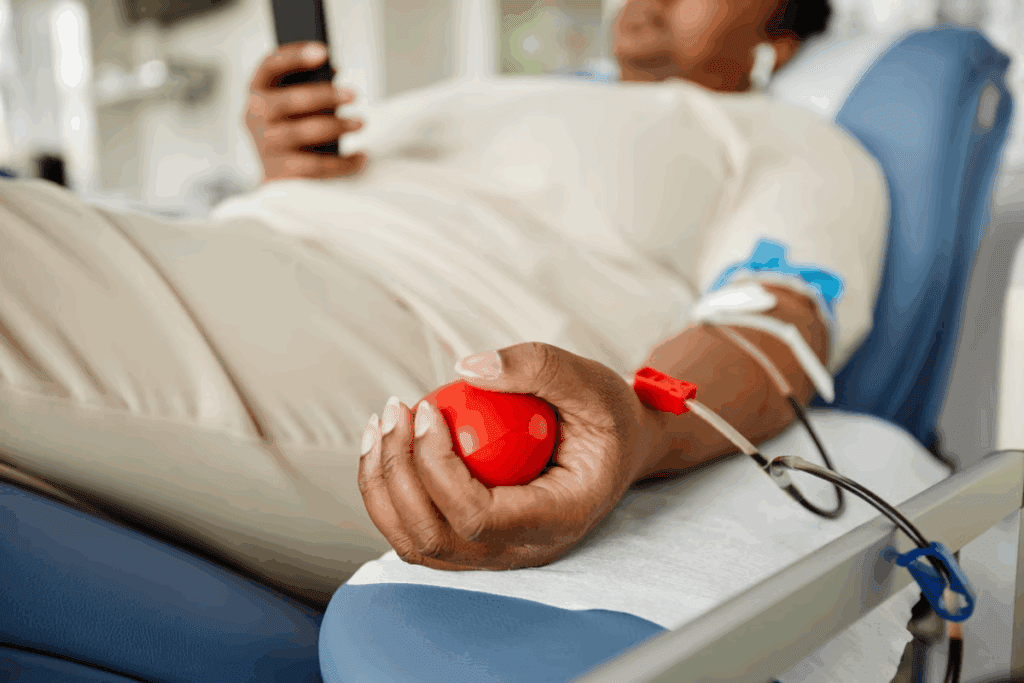
Easy bruising can worry people about blood disorders. It happens when blood vessels get damaged. This lets blood leak into the tissue around it. While some bruising is normal, too much or unexplained bruising might mean there’s a problem.
The Normal Clotting Process
The body’s way of stopping bleeding is complex. It involves platelets and clotting factors. When a blood vessel gets hurt, platelets stick to it. This forms a plug to stop the bleeding.
Then, clotting factors work together to make fibrin. This protein strengthens the plug, making a stable clot. This process is key to stopping too much bleeding.
But, if there’s a problem with platelets, clotting factors, or blood vessels, it can cause easy bruising. Or even more serious bleeding issues.
When Easy Bruising Becomes a Concern
Easy bruising is a worry if it happens a lot, without reason, or with other symptoms. These include:
- Prolonged bleeding from cuts or injuries
- Nosebleeds or bleeding gums
- Blood in urine or stool
- Heavy menstrual periods
Seeing a doctor is key if you notice these signs. Blood disorders like thrombocytopenia, von Willebrand disease, and hemophilia can cause bruising. Autoimmune diseases like lupus and Sjögren’s syndrome can also cause it due to inflammation.
“Understanding the root cause of easy bruising is vital for the right treatment. Blood disorders that cause bruising can come from platelet problems, lack of clotting factors, or blood vessel issues.”
It’s important to know when easy bruising is a sign of something serious. If you get unusual or unexplained bruises, get medical help. This is to check for blood disorders or other health problems.
Thrombocytopenia: When Platelet Counts Drop

When platelet counts drop, it can lead to thrombocytopenia. This condition causes health issues. It’s marked by low platelet levels in the blood, leading to easy bruising and bleeding.
Causes of Thrombocytopenia
Thrombocytopenia can stem from autoimmune diseases, bone marrow disorders, and some medications. Autoimmune diseases, like immune thrombocytopenic purpura (ITP), attack and destroy platelets by mistake.
Bone marrow issues, like leukemia or aplastic anemia, can also lower platelet production. Some medications, including heparin and certain antibiotics, can cause thrombocytopenia as a side effect.
Symptoms Beyond Bruising
Thrombocytopenia’s symptoms go beyond just easy bruising. Other signs include:
- Nosebleeds
- Bleeding gums
- Heavy menstrual periods
- Blood in urine or stool
These symptoms happen because there aren’t enough platelets. This makes it hard for blood to clot properly.
Diagnosis and Treatment Options
To diagnose thrombocytopenia, a complete blood count (CBC) test is used. This test measures the platelet count. More tests might follow to find the cause.
| Treatment Approach | Description |
| Medications | Corticosteroids or immunoglobulins to boost platelet count |
| Platelet Transfusions | To temporarily increase platelet count in emergency situations |
| Splenectomy | Surgical removal of the spleen to prevent platelet destruction |
Treatment depends on the cause and how severe the thrombocytopenia is. Sometimes, treating the underlying issue can help platelet counts return to normal.
Von Willebrand Disease: The Most Common Inherited Bleeding Disorder
Easy bruising and bleeding are signs of Von Willebrand disease. This condition is caused by a lack of a key clotting protein. It makes blood clotting hard, leading to bleeding problems.
Types of Von Willebrand Disease
Von Willebrand disease comes in several types, each with its own severity. The main types are:
- Type 1: The most common and mildest form, with a partial lack of von Willebrand factor.
- Type 2: This type has a qualitative defect in von Willebrand factor, divided into subtypes.
- Type 3: The most severe form, with a complete lack of von Willebrand factor.
Recognizing Von Willebrand Disease
It can be hard to spot Von Willebrand disease because it shows up differently in people. Signs include:
- Easy bruising
- Frequent nosebleeds
- Heavy or long menstrual bleeding
- Bleeding after surgery or dental work
To diagnose it, doctors look at your medical history, do a physical exam, and run tests. These tests check von Willebrand factor levels and activity.
Management Approaches
Managing Von Willebrand disease involves treatments to replace or boost von Willebrand factor. Some methods include:
| Treatment | Description | Use Case |
| Desmopressin | A synthetic hormone that boosts von Willebrand factor release | Type 1 and some Type 2 cases |
| Von Willebrand factor concentrates | Therapy that directly adds von Willebrand factor | Type 3 and severe Type 2 cases |
| Antifibrinolytics | Drugs that keep clots stable | Help for minor bleeding |
Getting Von Willebrand disease under control needs a plan that fits the person’s needs and condition.
Hemophilia: Deficiency in Clotting Factors
Hemophilia is a genetic disorder that makes blood clotting hard. This leads to long bleeding episodes. It happens because of a lack of clotting factors, which are proteins needed to stop bleeding when a blood vessel is hurt.
Types of Hemophilia
There are two main types of hemophilia: Hemophilia A and Hemophilia B. Hemophilia A is caused by a lack of clotting factor VIII. Hemophilia B is caused by a lack of clotting factor IX. Both are inherited in an X-linked recessive pattern, mainly affecting males.
Key differences between Hemophilia A and B:
- Hemophilia A is more common, affecting about 1 in 5,000 male births.
- Hemophilia B is less common, occurring in approximately 1 in 20,000 male births.
- Symptoms for both types can be similar, including prolonged bleeding after injury or surgery.
Severity Levels and Symptoms
The severity of hemophilia depends on the clotting factor activity in the blood. People with severe hemophilia have less than 1% activity. Those with moderate hemophilia have 1-5%, and mild hemophilia have 5-40%.
Symptoms can vary based on severity:
- Frequent and spontaneous bleeding into joints or muscles.
- Prolonged bleeding after injuries, surgeries, or dental procedures.
- Easy bruising.
Modern Treatment Protocols
Modern treatment for hemophilia involves replacing the missing clotting factor. This can be done through:
- On-demand treatment: Giving clotting factor concentrates as needed to stop bleeding.
- Prophylactic treatment: Regularly infusing clotting factor concentrates to prevent bleeding.
- New therapies: Including non-factor replacement therapies and gene therapy, aiming to improve clotting or address the genetic cause.
Understanding Hemophilia A and B, knowing the severity levels and symptoms, and using modern treatments can help people with hemophilia live more active lives. This reduces the risk of bleeding complications.
Immune Thrombocytopenic Purpura (ITP): When the Immune System Attacks
Immune Thrombocytopenic Purpura, or ITP, is a complex autoimmune disorder. It affects the blood’s ability to clot. The immune system mistakenly attacks and destroys platelets, which are key for blood clotting. This leads to easy bruising and bleeding.
Acute vs. Chronic ITP
ITP comes in two main forms: acute and chronic. Acute ITP is common in children and often follows a viral infection. It starts suddenly and usually goes away within a few weeks or months.
Chronic ITP is more common in adults and can last for years. It involves a long-lasting low platelet count. This requires ongoing management and treatment to prevent serious bleeding.
Recognizing ITP Symptoms
The symptoms of ITP can vary among individuals. They often include:
- Easy or excessive bruising
- Petechiae (small red or purple spots on the skin)
- Nosebleeds or bleeding in the mouth
- Bleeding in the digestive tract or urine
Treatment Approaches for ITP
Treatment for ITP aims to increase platelet counts and reduce bleeding risk. It may include:
- Corticosteroids to reduce platelet destruction
- Immunoglobulins to temporarily boost platelet counts
- Splenectomy (removal of the spleen) in severe cases
Medical professionals say the goal is to increase platelet counts and prevent serious bleeding. Effective management depends on the individual’s health and condition severity.
Autoimmune Diseases That Cause Bruising
Bruising is a common symptom in many autoimmune disorders, like lupus and Sjögren’s syndrome. These diseases happen when the body’s immune system attacks its own tissues. This leads to inflammation and other problems.
In the case of bruising, these diseases can affect blood vessels and how the immune system works with platelets. This makes it hard to diagnose and manage.
Lupus and Blood Vessel Inflammation
Systemic Lupus Erythematosus (SLE), or lupus, is an autoimmune disease that can harm many organs. It can affect the skin and blood vessels. Lupus can cause blood vessel inflammation, known as vasculitis, which may lead to bruising.
Vasculitis in lupus can range from mild to severe. It’s important to manage it to prevent more problems. The inflammation can damage blood vessels, making them more likely to bruise.
Sjögren’s Syndrome and Vascular Complications
Sjögren’s syndrome mainly affects glands that produce tears and saliva. But it can also affect other parts of the body, including blood vessels. Sjögren’s syndrome can lead to inflammation of blood vessels, which may result in bruising.
The vascular complications of Sjögren’s syndrome can be hard to diagnose and need a detailed treatment plan.
Managing Autoimmune-Related Bruising
Managing bruising caused by autoimmune diseases means treating the underlying condition and addressing vascular complications. For lupus and Sjögren’s syndrome, treatment may include medications to reduce inflammation and suppress the immune system.
Effective management of autoimmune-related bruising requires a multidisciplinary approach. This involves rheumatologists, hematologists, and other healthcare professionals. By controlling the underlying autoimmune disease, it’s possible to reduce bruising and improve the patient’s quality of life.
Leukemia and Other Blood Cancers
Blood cancers, like leukemia, mess up how blood cells are made. This can cause bruising and bleeding problems. Leukemia is a cancer that affects the blood and bone marrow. It leads to too many white blood cells.
This can push out other important blood cells, like platelets. Platelets help blood to clot.
How Blood Cancers Affect Clotting
Blood cancers can mess with clotting in a few ways:
- Platelet Production: Leukemia can stop the bone marrow from making enough platelets, causing thrombocytopenia.
- Clotting Factor Deficiency: Some blood cancers can make it hard for blood to clot by lacking clotting factors.
- Dysfunctional Platelets: Even with normal platelet counts, leukemia can make platelets not work right, making it hard to clot blood.
Warning Signs Beyond Bruising
Bruising is a big symptom, but it’s not the only one. Look out for these signs too:
- Fatigue and Weakness: Feeling tired or weak all the time.
- Weight Loss: Losing weight without trying.
- Fever and Night Sweats: Having fevers and night sweats over and over.
- Infections: Getting sick a lot because your immune system is weak.
Diagnostic Pathways
Diagnosing leukemia and other blood cancers takes a few steps:
- Complete Blood Count (CBC): Checks for abnormal blood cell levels.
- Bone Marrow Biopsy: Looks at the bone marrow for cancer cells.
- Imaging Tests: Like CT scans or PET scans to see how far the disease has spread.
Getting diagnosed early is key for good treatment. If you have ongoing or serious symptoms, see a doctor for a full check-up.
Blood Disorders That Cause Bruising: Amyloidosis and Vasculitis
Easy bruising can be more than just a minor issue. It can be a sign of serious conditions like amyloidosis or vasculitis affecting the blood vessels. These two disorders impact the integrity and function of blood vessels, potentially leading to bruising among other symptoms.
Amyloidosis: Protein Deposits in Blood Vessels
Amyloidosis is characterized by the deposition of abnormal proteins called amyloids in various tissues of the body, including blood vessels. This deposition can lead to the weakening of blood vessel walls. This makes them more susceptible to rupture and, consequentially, bruising.
Symptoms of Amyloidosis include not just bruising, but also fatigue, weight loss, and swelling. The condition can affect multiple organs, leading to a wide range of symptoms depending on the areas affected.
| Organ/System | Symptoms |
| Kidneys | Proteinuria, Kidney Failure |
| Heart | Shortness of Breath, Fatigue |
| Blood Vessels | Bruising, Purpura |
Vasculitis: Inflammation of Blood Vessels
Vasculitis refers to the inflammation of blood vessels. This can cause damage to the vessel walls, leading to leakage and bruising. The condition can be acute or chronic and may affect various sizes of blood vessels.
The symptoms of vasculitis can vary widely depending on the blood vessels and organs involved. Common symptoms include fever, fatigue, weight loss, and, noticeably, bruising.
Management of Vasculitis involves reducing inflammation and preventing further damage to the blood vessels. Treatment often includes corticosteroids and immunosuppressive drugs.
Understanding and diagnosing amyloidosis and vasculitis correctly is key for effective management and treatment. Both conditions require a thorough approach. This includes clinical evaluation, laboratory tests, and sometimes biopsy, to determine the extent of the disease and the appropriate treatment strategy.
Diagnosis and Testing for Blood Disorders
Diagnosing blood disorders involves many tests to check different blood parts. When people bruise easily, doctors start a test process to find the cause.
Initial Blood Tests
First, doctors do blood tests to look at platelet count and clotting factors. These tests find problems that might cause bruising.
Common Initial Blood Tests Include:
- Complete Blood Count (CBC) to check platelet count and blood cells
- Prothrombin Time (PT) and Activated Partial Thromboplastin Time (aPTT) to check clotting factors
- Blood Smear to see blood cell shapes
| Test | Purpose | Relevance to Bruising |
| CBC | Checks platelet count and blood cells | Finds thrombocytopenia or other issues |
| PT/aPTT | Looks at clotting factor work | Finds clotting factor shortages |
| Blood Smear | Examines blood cell shapes | Shows blood cell shape problems |
Specialized Diagnostic Procedures
If first tests show problems, more detailed tests might be needed. These include bone marrow biopsies or genetic tests for bleeding disorders.
Working With a Hematologist
For complex or severe blood disorders, seeing a hematologist is helpful. Hematologists focus on blood diseases, helping manage bruising and other symptoms.
By using initial tests, detailed procedures, and hematologist advice, patients get the right diagnosis and treatment.
Conclusion: When to Seek Medical Attention for Easy Bruising
Knowing when to see a doctor is key for those with easy bruising. Easy bruising might mean there’s a health issue that needs checking. If bruises are big, hurt a lot, or get bigger, get medical help.
Also, if you’re on blood thinners and bruise easily, or bruises show up without reason, see a doctor. If bruises come with symptoms like nose bleeds, tiredness, or feeling dizzy, it’s time to visit a healthcare provider. For more on blood disorders that cause bruising, check outMedical News Today.
Getting a diagnosis early can really help. Knowing when to act can keep you healthy.
FAQ
What are the common blood disorders that cause easy bruising?
Blood disorders like thrombocytopenia and von Willebrand disease can cause easy bruising. Hemophilia, immune thrombocytopenic purpura (ITP), and autoimmune diseases like lupus also lead to this issue.
How does thrombocytopenia cause bruising?
Thrombocytopenia leads to bruising because of low platelet counts. This makes it hard for blood to clot, causing easy bruising and bleeding.
What is von Willebrand disease, and how does it affect bruising?
Von Willebrand disease is a bleeding disorder caused by a lack or dysfunction of von Willebrand factor. This protein is key for blood clotting, leading to easy bruising and bleeding.
Can autoimmune diseases cause bruising?
Yes, autoimmune diseases like lupus and Sjögren’s syndrome can cause bruising. They affect blood vessels or how the immune system works with platelets.
How do blood cancers like leukemia cause bruising?
Blood cancers like leukemia disrupt blood cell production and clotting. This can lead to low platelet counts or dysfunctional clotting factors, causing bruising.
What is the role of a hematologist in diagnosing blood disorders that cause bruising?
Hematologists are key in diagnosing bruising disorders. They interpret blood tests, perform diagnostic procedures, and create treatment plans.
What are the symptoms of hemophilia, and how is it treated?
Hemophilia symptoms include prolonged bleeding, easy bruising, and joint pain. Treatment involves replacing clotting factors to stop or prevent bleeding.
Can amyloidosis and vasculitis cause bruising?
Yes, amyloidosis and vasculitis can cause bruising. They affect blood vessels, leading to inflammation, damage, or deposits that impair clotting and increase bruising risk.
How is immune thrombocytopenic purpura (ITP) diagnosed and treated?
ITP is diagnosed with blood tests showing low platelet counts. Treatment aims to increase platelet counts or reduce immune system attacks on platelets, often using medications or other therapies.
When should I seek medical attention for easy bruising?
Seek medical attention for easy bruising if it’s frequent, severe, or with other symptoms like bleeding, fatigue, or weight loss. It may indicate a blood disorder.
References
- Huerta, C., & García Rodríguez, L. A. (2002). Risk of clinical blood dyscrasia in a cohort of antibiotic users. Pharmacotherapy, 22(5), 630-636. Retrieved fromhttps://pubmed.ncbi.nlm.nih.gov/12013362/