
During pregnancy, expectant mothers make important health decisions. These decisions affect their health and their baby’s wellbeing. A key part of prenatal care is glucose testing, which checks for gestational diabetes.blood glucose test pregnancyWhat to Eat The Day Before Blood Test: Best Tips
Many pregnant women find glucose testing stressful. Knowing the difference between fasting and non-fasting glucose tests is important. It affects test accuracy and your prenatal care experience.
At top medical centers like Liv Hospital, we focus on complete maternal care. It’s essential for expectant mothers to understand glucose screening during pregnancy.
Key Takeaways
- Glucose testing is a critical component of prenatal care.
- Fasting requirements vary depending on the type of glucose test.
- Understanding the difference between fasting and non-fasting tests can reduce anxiety.
- Proper preparation for glucose testing is essential for accurate results.
- Comprehensive maternal care includes guidance on glucose screening.
Understanding Gestational Diabetes and Its Risks

Gestational diabetes is when blood sugar levels get too high during pregnancy. It’s important to manage it well for the health of both mom and baby.
What is Gestational Diabetes?
Gestational diabetes happens in the second or third trimester of pregnancy. Hormonal changes and insulin resistance cause high blood sugar. It’s not because of a lack of insulin, but because the body can’t make enough to handle pregnancy.
Prevalence of Gestational Diabetes
Many pregnant women worldwide get gestational diabetes. It affects up to 10% of pregnancies. It’s more common in certain ethnic groups and in women with a family history of diabetes or obesity.
Potential Complications for Mother and Baby
Gestational diabetes can cause problems for both mom and baby if not treated. These issues include:
- Preeclampsia and other hypertensive disorders
- Increased risk of cesarean delivery
- Fetal macrosomia (excessive birth weight)
- Neonatal hypoglycemia (low blood sugar in the newborn)
- Increased risk of developing type 2 diabetes later in life for both mother and child
Complication | Description | Risk Factors |
Preeclampsia | A condition characterized by high blood pressure and often protein in the urine | History of hypertension, first pregnancy, multiple pregnancy |
Fetal Macrosomia | A condition where the baby is significantly larger than average | Poor blood sugar control, previous history of macrosomia |
Neonatal Hypoglycemia | Low blood sugar in the newborn | Maternal hyperglycemia during delivery |
Knowing these risks shows why it’s key to screen for gestational diabetes and manage it well. This helps avoid serious problems.
The Importance of Blood Glucose Test During Pregnancy
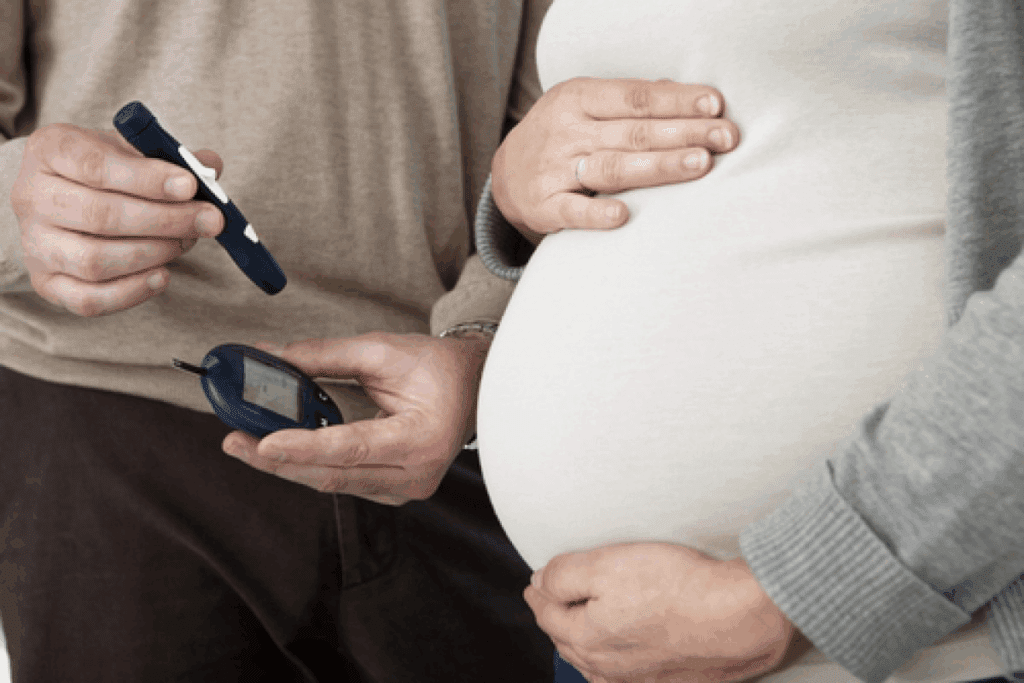
Glucose testing during pregnancy is very important. It helps find gestational diabetes early. Gestational diabetes happens when the body can’t make enough insulin or use it well. This leads to high blood sugar levels.
Why Glucose Testing is Essential
Glucose testing is key to spotting gestational diabetes. This condition can harm both mom and baby if not treated. Early detection leads to timely treatment, lowering risks like premature birth and high birth weight.
Also, gestational diabetes can raise the chance of getting type 2 diabetes later. So, finding and managing it through glucose tests is vital for health in the long run.
When Glucose Testing is Recommended
Most pregnant women get tested between 24 and 28 weeks. But, those at higher risk might test earlier. High-risk groups include women with a history of gestational diabetes, obesity, or a family history of diabetes.
The American College of Obstetricians and Gynecologists says all pregnant women should be screened. The exact time depends on individual risks and medical history.
Who Should Be Tested
All pregnant women should get tested, usually between 24 and 28 weeks. But, some are at higher risk and might need earlier or more tests.
Risk Factors | Description |
History of Gestational Diabetes | Women who have had gestational diabetes in a previous pregnancy are at higher risk. |
Obesity | Being significantly overweight increases the risk of gestational diabetes. |
Family History of Diabetes | A family history of diabetes, in first-degree relatives, increases risk. |
Knowing who and when to test is key for early gestational diabetes detection. By identifying risks and testing on time, pregnant women can ensure a healthy pregnancy.
“Early detection of gestational diabetes through glucose testing is key to managing the condition and ensuring a healthy outcome for both mother and baby.”
Types of Glucose Tests for Pregnant Women
Pregnant women may have to take different glucose tests. These tests help find out if they have gestational diabetes. They check how well the body handles blood sugar.
Glucose Challenge Test (GCT)
The Glucose Challenge Test is a first step to find out if a woman might get gestational diabetes. She drinks a glucose solution and then her blood sugar is checked later.
This test is important because it spots problems early. This way, doctors can act fast.
Oral Glucose Tolerance Test (OGTT)
The Oral Glucose Tolerance Test is used to confirm if a woman has gestational diabetes. She must fast before the test. Then, she drinks a glucose solution and her blood sugar is checked.
The OGTT is seen as the best test for diagnosing gestational diabetes. It accurately shows how well the body controls blood sugar.
Random Glucose Testing
Random glucose testing checks blood sugar at any time. It doesn’t matter when the person last ate. This test gives quick insight into blood sugar levels.
It’s often used in hospitals to see if more testing is needed.
Hemoglobin A1C Test
The Hemoglobin A1C test shows average blood sugar levels over two to three months. It looks at how much glucose is attached to hemoglobin in red blood cells.
This test is useful for seeing long-term blood sugar control. It’s used for managing diabetes, including gestational diabetes.
Knowing about the different glucose tests helps pregnant women get ready. Each test has its own purpose and rules. Understanding what to expect makes the testing process less scary and smoother.
The Glucose Challenge Test: No Fasting Required
The glucose challenge test is a key test during pregnancy that doesn’t need fasting. It helps find women at risk for gestational diabetes. We’ll explain how it’s done, what to expect, and how to understand your results.
How the Test is Performed
You’ll drink a glucose solution during the test. This sweet drink has a lot of glucose that your body absorbs fast. After drinking it, you’ll wait for one hour before your blood is taken.
What to Expect During the Test
The test is simple. You drink the glucose solution and wait for an hour. You can usually do your normal activities during this time. But, it’s best to stay at the testing place or nearby.
After the hour, your blood is drawn. This sample is sent to a lab for analysis.
Understanding Your Results
Your blood sample is analyzed to check your blood glucose level. The results show if you passed the screening or need more tests. If your results are bad, it doesn’t mean you definitely have gestational diabetes. But, you might need more tests to be sure.
What Happens if Results are Abnormal
If your test results are bad, you’ll likely need to do a more detailed test. This is called the Oral Glucose Tolerance Test (OGTT). It requires fasting. We’ll talk more about the OGTT in the next section.
Test | Fasting Required | Purpose |
Glucose Challenge Test | No | Initial screening for gestational diabetes |
Oral Glucose Tolerance Test (OGTT) | Yes | Definitive diagnosis of gestational diabetes |
Knowing about the glucose challenge test helps you get ready for it during pregnancy. If you have questions or concerns, talk to your healthcare provider.
The Glucose Tolerance Test: Fasting is Necessary
The glucose tolerance test is key for checking for gestational diabetes. It requires fasting to get accurate results. This test helps doctors see how well your body handles blood sugar after drinking a sugary drink.
Preparation Requirements
To get ready for the glucose tolerance test, you need to know about fasting requirements. You’ll be asked to fast for 8 to 14 hours before the test. This means you can only drink water during this time.
- Avoid eating or drinking anything except water for 8 to 14 hours before the test.
- Tell your healthcare provider about any medicines you’re taking.
- Follow any special instructions from your healthcare provider.
The Fasting Period Explained
The fasting period is key for getting good test results. Fasting helps set a baseline for your blood sugar levels. This makes it easier to see how your body reacts to the glucose drink. It’s also important to drink water to stay hydrated.
Step-by-Step Test Procedure
Here’s what happens during the glucose tolerance test:
- Go to the testing facility after fasting for the needed time.
- A healthcare professional will take a blood sample to check your fasting blood glucose level.
- You’ll then get a glucose drink with a certain amount of sugar.
- Your blood will be taken again at set times (usually 1, 2, or 3 hours) after drinking the glucose drink.
Interpreting Your Results
After the test, your healthcare provider will look at the results. Normal results mean your body is handling blood sugar well. Abnormal results might show gestational diabetes or poor glucose tolerance.
“Understanding your test results is key for managing your health during pregnancy. If you have any questions or concerns, don’t hesitate to talk to your healthcare provider.”
Your healthcare provider will talk about what your results mean. They’ll also tell you what steps to take next.
Timeline of Glucose Testing Throughout Pregnancy
The timing of glucose testing changes throughout pregnancy. It depends on your risk factors. Knowing when you’ll need testing helps you prepare.
First Trimester Testing for High-Risk Women
Women at high risk might get tested early in pregnancy. This early check can spot problems quickly. High-risk groups include those with a history of diabetes, obesity, or a family history of diabetes.
Standard Second Trimester Screening (24-28 Weeks)
Most women get tested between 24 and 28 weeks. This is when insulin resistance peaks. It’s the best time to catch gestational diabetes.
Here’s what you can expect:
Gestation Period | Test Type | Purpose |
24-28 weeks | Glucose Challenge Test (GCT) | Initial screening for gestational diabetes |
24-28 weeks | Oral Glucose Tolerance Test (OGTT) | Confirmatory test if GCT results are abnormal |
Follow-up Testing When Needed
If your first test shows issues, you’ll need more tests. These might include more glucose tests or other checks. They help manage your blood sugar.
Follow-up testing is key for those with abnormal results. It helps catch and manage gestational diabetes early.
Knowing when you’ll need glucose tests helps you prepare. It tells you what to expect at each stage.
Tips for Preparing for Your Glucose Test
Getting ready for your glucose test is easier with the right tips. It might seem scary, but we’ve got you covered. Follow these steps to feel more ready and confident.
Dietary Recommendations Before Testing
Eating well before your test is important. A balanced meal has carbs, proteins, and fats. This helps you get a normal test result. Try to cut down on sugar a few days before the test.
“A normal diet with regular meals in the days before the test is best,” says a study. This keeps your body in its usual state, giving a more accurate result.
Managing Test Anxiety
Feeling anxious about the test is normal. Try deep breathing and positive thinking to calm down. Knowing what to expect can also help reduce worries.
“The key to managing test anxiety is preparation. Knowing what to expect during the test can significantly reduce stress levels.”
What to Bring to Your Appointment
Bring a few things to your test to make it easier. A book or magazine, water, and any needed documents are good ideas.
- A list of any medications you’re currently taking
- Snacks to eat after the test, in case you feel lightheaded or hungry
- Comfortable clothing
Common Side Effects and How to Manage Them
Some women might feel sick or dizzy after the test. If you feel bad, sit or lie down until it goes away. Eating something soon after can help your blood sugar levels.
By following these tips, your glucose test will be smoother and less stressful. Remember, being prepared is the key to a successful test.
What Happens After a Gestational Diabetes Diagnosis
Getting a gestational diabetes diagnosis can feel scary. But knowing your treatment options is key to managing it. We’re here to guide you through the next steps and support you on this journey.
Treatment Options and Management
After a diagnosis, managing your blood sugar levels is the main goal. This can be done through dietary changes, exercise, and blood sugar monitoring. Sometimes, medication is needed to control blood sugar.
We work with you to create a personalized management plan. This plan considers your health, lifestyle, and pregnancy stage.
Dietary Changes and Exercise
Making dietary changes is key in managing gestational diabetes. We suggest a balanced diet rich in nutrients and fiber, but low in sugars and unhealthy fats. It’s also important to monitor carbohydrate intake and choose foods with a low glycemic index.
Exercise is also vital. Regular physical activity can lower blood sugar levels and improve insulin sensitivity. We recommend safe activities like walking, swimming, or prenatal yoga during pregnancy.
- Eat a balanced diet rich in nutrients and fiber.
- Monitor carbohydrate intake and choose low glycemic index foods.
- Engage in regular physical activity like walking or prenatal yoga.
Blood Sugar Monitoring
Blood sugar monitoring is essential to understand how your body reacts to different foods and activities. We’ll teach you how to use a glucometer to check your blood sugar levels regularly.
By tracking your blood sugar levels, you can spot patterns. This helps you make informed decisions about your diet and exercise routine. It keeps your blood sugar in the target range.
- Check your blood sugar levels as advised by your healthcare provider.
- Record your readings to track patterns over time.
- Adjust your diet and exercise based on your blood sugar levels.
When Medication Is Necessary
In some cases, despite dietary changes and exercise, medication may be needed. We’ll discuss medication options with you, including insulin therapy. We’ll help you understand the benefits and any side effects.
The decision to start medication depends on your individual needs and how well your blood sugar levels are controlled through lifestyle changes alone.
Managing gestational diabetes requires a complete approach. But with the right support and guidance, you can control your blood sugar levels and have a healthy pregnancy.
Conclusion
It’s key for expectant mothers to know about glucose testing and gestational diabetes. Glucose tests are a big part of prenatal care. They help find and manage gestational diabetes early on.
Expectant mothers need to understand the different glucose tests and what they need. We’ve looked at the Glucose Challenge Test and the Oral Glucose Tolerance Test. We’ve also talked about why managing gestational diabetes is so important.
Managing gestational diabetes means making healthy food choices, exercising, and checking blood sugar levels. With the help of healthcare providers, expectant mothers can keep their condition under control. This ensures a healthy pregnancy.
Glucose testing is essential for spotting gestational diabetes in pregnancy. By knowing about glucose testing, expectant mothers can help manage their health during pregnancy.
FAQ
What is a glucose test during pregnancy?
A glucose test during pregnancy checks for gestational diabetes. It measures how well your body handles sugar after drinking a sugary drink.
Do I need to fast before a glucose test?
It depends on the test type. The glucose challenge test doesn’t need fasting. But, the glucose tolerance test does, for 8 to 14 hours.
When do I take the glucose test during pregnancy?
Glucose testing is usually suggested between 24 and 28 weeks. High-risk women might test earlier, in the first trimester.
What is the glucose challenge test?
The glucose challenge test involves drinking a sugary drink and then checking your blood sugar. You don’t need to fast for this test.
What happens if my glucose challenge test results are abnormal?
If your results are abnormal, you might need more testing. This could be the glucose tolerance test to confirm gestational diabetes.
How do I prepare for the glucose tolerance test?
To prepare for the glucose tolerance test, fast for 8 to 14 hours beforehand. Also, follow any diet advice from your healthcare provider.
What are the dietary recommendations before glucose testing?
Before glucose testing, eat a balanced diet. Avoid sugary foods and drinks. Your healthcare provider might give specific diet advice.
How can I manage test anxiety?
To manage test anxiety, try relaxation techniques like deep breathing. Also, talk to your healthcare provider about any worries you have.
What are the treatment options for gestational diabetes?
Treatment for gestational diabetes includes diet changes, exercise, and blood sugar monitoring. Sometimes, medication is needed to control blood sugar.
How is gestational diabetes managed?
Gestational diabetes is managed with diet, exercise, and blood sugar monitoring. Your healthcare provider might also suggest medication.
What are the possible complications of gestational diabetes?
Gestational diabetes can cause problems for both mom and baby. These include high birth weight, premature birth, and a higher risk of cesarean delivery.
When is follow-up testing necessary?
Follow-up testing might be needed based on your initial glucose test results. Your healthcare provider will tell you if you need more testing.
References
A glucose tolerance test (GTT) is a procedure that determines whether a patient can use and store glucose normally.
https://www.ncbi.nlm.nih.gov/books/NBK532915/