
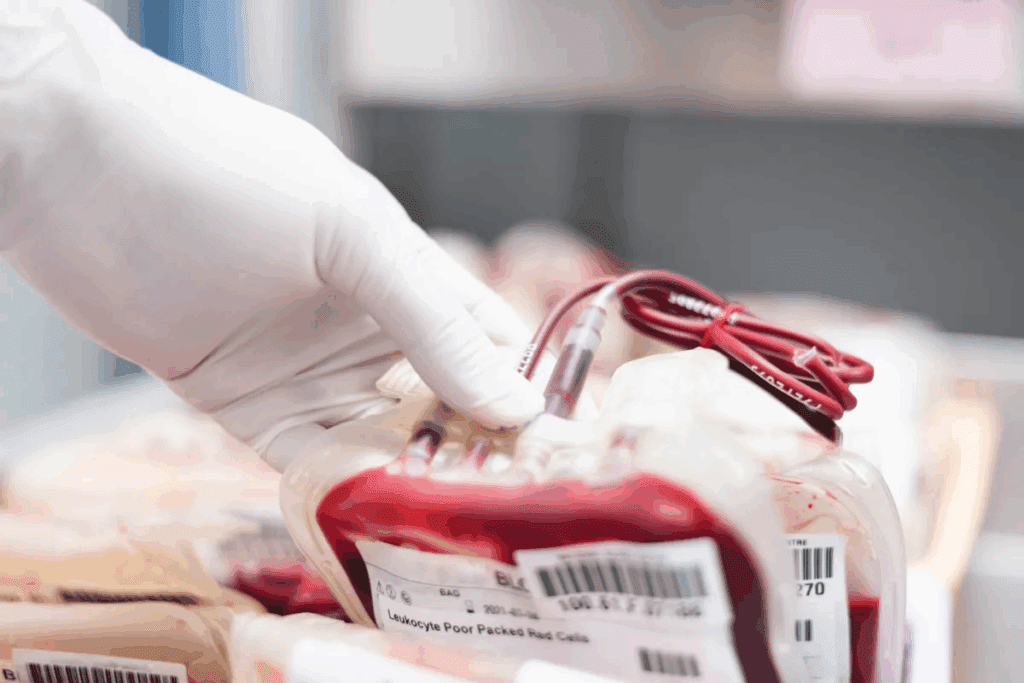
It’s important to understand how blood and bones work together. At Liv Hospital, we see how this connection affects our health. It’s key for diagnosing and treating health issues.
Blood cell production happens in the bone marrow. This spongy tissue inside bones is vital. It helps us get oxygen, fight infections, and stop bleeding when injured.
By looking into the link between blood in bones and related disorders, we learn a lot. We can understand how to keep our bones and blood healthy.
Key Takeaways
- Blood cell production occurs in the bone marrow.
- The relationship between blood and bones is vital for overall health.
- Understanding this connection can help diagnose and treat related disorders.
- Bone marrow plays a critical role in delivering oxygen and fighting infections.
- Maintaining healthy bones and blood is essential for overall well-being.
The Critical Role of Blood in Bones: An Overview
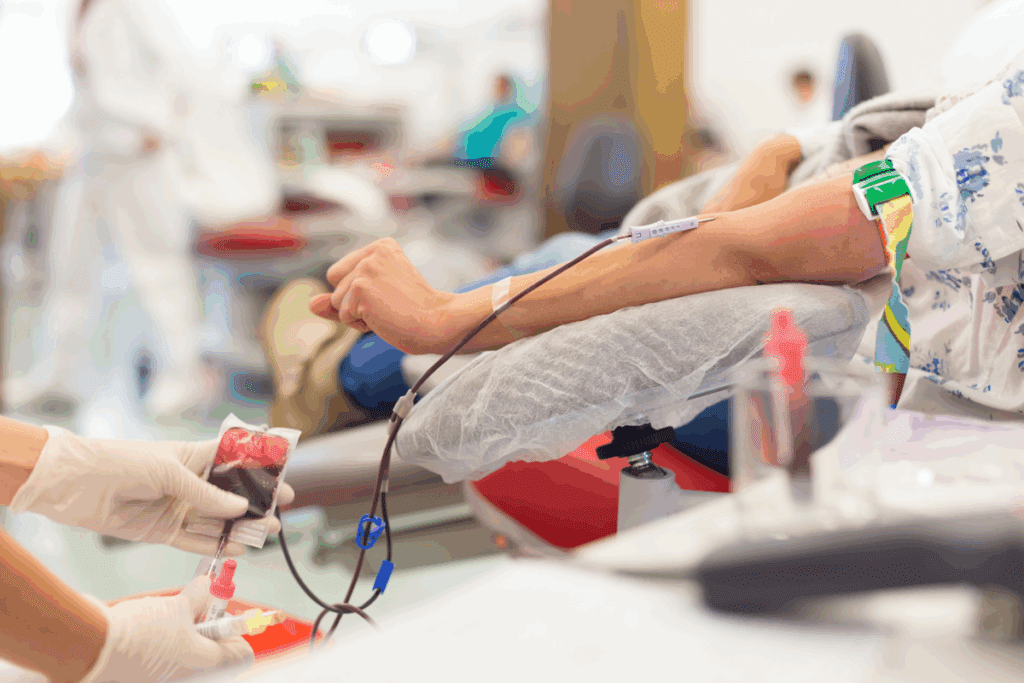
It’s important to understand how blood and bones work together for our health. Bone marrow is key in making blood cells.
The Fundamental Bone-Blood Relationship
Bone marrow, found in some bones, makes blood cells. This process, called hematopoiesis, is vital. It helps us by providing cells for oxygen, fighting off infections, and stopping bleeding.
Medical Significance of Bone Marrow Function
Bone marrow’s role is huge in medicine. Problems with it can cause many health issues. Knowing how it works helps doctors diagnose and treat these problems.
| Bone Marrow Function | Impact on Health |
| Produces red blood cells | Essential for oxygen transport |
| Produces white blood cells | Crucial for immune defense |
| Produces platelets | Necessary for blood clotting |
Understanding blood’s role in bones helps us see how our body’s systems work together. It shows why keeping bones healthy is important for our overall health.
Fact 1: What Is Bone Marrow and How Does It Work?

Bone marrow is key to how our body makes blood cells and keeps us healthy. It’s the soft, spongy tissue inside bones like the hips and thighbones. It’s vital for making blood cells.
Definition and Structure of Bone Marrow
Bone marrow is a complex organ filled with blood vessels and different cell types. It’s found inside bones and is supported by reticular connective tissue. Its structure helps make blood cells through a process called hematopoiesis.
Types of Bone Marrow: Red vs. Yellow
There are two types of bone marrow: red and yellow. Red marrow makes blood cells like red and white blood cells and platelets. It’s in the spongy parts of bones, like the vertebrae, pelvis, and ribs. Yellow marrow is mostly fat and is in the long bones’ hollow shafts. It can turn into red marrow if needed, like in severe blood loss.
Distribution Throughout the Skeleton
Bone marrow is found all over the skeleton, but its location changes with age. In kids, all marrow is red and makes blood cells. As we get older, some red marrow turns into yellow, mainly in long bones.
In adults, red marrow is mostly in the bones of the spine, pelvis, and ribs. It’s also in the upper parts of long bones.
Fact 2: The Process of Hematopoiesis in Bone Marrow
In the bone marrow, a detailed process called hematopoiesis happens. It creates different blood cells that are vital for our health. This complex process ensures our bodies have the right blood cells.
Blood Cell Production Explained
Hematopoiesis makes three main blood cell types: red, white, and platelets. Red blood cells carry oxygen, white blood cells fight infections, and platelets help blood clot. It starts with hematopoietic stem cells, which can become any blood cell type.
Stem Cells and Their Differentiation
The blood cell production journey begins with hematopoietic stem cells. These cells can renew themselves and turn into different blood cell types. They become more specialized progenitor cells, leading to the various blood cells. This process is controlled by growth factors, cytokines, and other signals.
Regulation of Blood Cell Production
Many factors regulate hematopoiesis, like growth factors, hormones, and transcription factors. For example, erythropoietin boosts red blood cell production, and granulocyte-colony stimulating factor (G-CSF) helps white blood cells. This careful control ensures blood cell production matches our body’s needs.
The complex hematopoiesis process shows how vital bone marrow is for our health. It’s key to understanding the relationship between bones and blood.
Fact 3: Different Bones Produce Different Blood Cell Types
The body makes blood cells in many bones. Each bone has a special job in making different types of blood cells. This is key for our health.
Bone-Specific Blood Cell Production
Each bone is good at making certain blood cells. This is because of the bone’s marrow and blood vessels. For example, the pelvis and vertebrae make red blood cells. Long bones like the femur and humerus make white blood cells and platelets.
Key Blood-Producing Bones in Adults
In adults, the main bones for making blood are the pelvis, vertebrae, ribs, and sternum. These bones have lots of red marrow, which is where blood cells are made. The pelvis is a big player in making blood cells.
Changes in Blood Production Sites Throughout Life
Where blood cells are made changes as we grow older. When we’re young, long bones help make blood. But as we get older, flat bones and vertebrae take over. Knowing this helps doctors understand and treat blood problems better.
Looking into how bones make blood shows how important it is for our health. More research is needed to find new ways to treat blood disorders.
Fact 4: Groundbreaking Research on Blood in Bones
A groundbreaking study has shed new light on the complex relationship between blood and bones. It reveals new insights into how different bones contribute to blood cell production.
The First Skeleton-Wide Mapping Study
This pioneering research, which can be traced back to significant advancements in the field in 2004, involved a detailed mapping of blood cell production across the entire skeleton. Scientists were able to understand the varied roles different bones play in hematopoiesis.
How Sternum, Tibia, Vertebrae, and Humerus Respond to Blood Loss
The study found that different bones respond uniquely to blood loss. For instance, the sternum, tibia, vertebrae, and humerus each have distinct responses. This highlights the complexity of bones and blood interaction. This variability is key for understanding how the body adapts to different conditions.
Implications for Medical Treatments
The findings of this skeleton-wide mapping study have significant implications for medical treatments related to blood disorders. By understanding how different bones contribute to blood cell production and respond to stressors, healthcare providers can develop more targeted and effective therapies.
We are moving towards a better understanding of the complex relationship between blood and bones. Research like this is paving the way for future breakthroughs in treating related disorders.
Fact 5: The Vascular Network Supporting Blood Cell Production
The blood vessels in bones are key for making blood cells. They carry nutrients and oxygen to cells and take away waste. This is vital for blood cell growth.
Blood Vessel Structure Within Bones
Bones have a detailed network of blood vessels. These vessels are made to meet the high needs of blood cell creation. They are designed to exchange nutrients and waste efficiently.
Nutrient Delivery Systems
The blood vessels in bones bring vital nutrients to blood cells. They carry glucose, amino acids, and more for cell growth. Getting these nutrients right is key to healthy blood cell making.
Oxygen Supply and Waste Removal
Enough oxygen is needed for blood cell making. The blood vessels make sure cells get oxygen and get rid of waste. This balance keeps the bone marrow healthy.
The blood vessels in bones do more than just carry nutrients. They also remove waste, showing their big role in blood cell health.
Fact 6: Blood Disorders That Impact Bone Structure
Blood disorders can mess with how blood and bones work together. This can really hurt bone health, making us feel not so well.
Myelofibrosis: When Bone Marrow Scars
Myelofibrosis is a serious blood problem. It makes the bone marrow scar up. This stops it from making blood cells right.
This can cause a lot of pain in the bones and make us really tired. It’s a tough condition to deal with.
Leukemia’s Effect on Bone Integrity
Leukemia is a blood cancer that hurts bones. It can make bones ache and make them more likely to break. The cancer cells get in the way of making blood cells.
Other Blood Disorders Affecting Bones
Other blood problems like lymphoma and multiple myeloma can also mess with bones. They can cause bone damage, make bones thin, and make them more likely to break. It’s important to know how these diseases affect bones to manage them well.
In short, many blood disorders can really hurt bone health. It’s key to understand how these conditions affect bones to give the right care and support.
Fact 7: Bone Disorders That Disrupt Blood Cell Production
Certain bone disorders can mess up the process of making blood cells. We’ll look at how osteoporosis, bone fractures, and bone marrow edema syndrome affect blood cell production.
Osteoporosis and Its Effect on Bone Marrow
Osteoporosis weakens bones, making them more likely to break. It also harms the bone marrow, where blood cells are made. Osteoporosis can lower bone marrow density, which might stop blood cell production.
Research shows osteoporosis changes the bone marrow environment. This affects the stem cells needed for making blood cells. This can lower the production of some blood cells.
Bone Fractures and Disrupted Hematopoiesis
Bone fractures can really mess with blood cell production. This is true if the fracture is in bones with active marrow, like the hips or vertebrae. The healing process after a fracture can temporarily shift the body’s priorities from making blood cells to fixing bone tissue.
- Fractures can cause inflammation, which hurts the bone marrow’s ability to make blood cells.
- The body’s response to fixing the fracture can change how blood cells are made.
Bone Marrow Edema Syndrome
Bone marrow edema syndrome is when fluid builds up in the bone marrow. This can cause pain and might mess with blood cell production. The edema can press on the marrow, making it hard to work.
In conclusion, bone disorders like osteoporosis, bone fractures, and bone marrow edema syndrome can really mess with blood cell production. Knowing how these disorders affect blood cell production is key to helping patients with these conditions stay healthy.
Fact 8: Statistical Insights on Blood-Bone Related Disorders
Looking into blood-bone related disorders gives us important stats. These disorders affect the connection between blood and bones a lot. They have big effects on health and the healthcare system.
1.5 Million Annual Fractures from Bone Disease
Bone diseases cause a lot of fractures every year. About 1.5 million fractures happen annually. This shows how key it is to understand the blood on bones relationship for bone health.
15% Incidence of Bone Marrow Scarring in Blood Disorders
Some blood disorders lead to bone marrow scarring in 15% of patients. Research on theNational Center for Biotechnology Information website shows how blood disorders affect bone marrow.
Age and Demographic Patterns
Age and demographics are key in blood-bone disorders. Knowing these patterns helps us create better treatments and improve health outcomes.
By studying these stats, we learn more about blood and bones. This knowledge helps us find better ways to diagnose and treat these disorders.
Diagnostic and Treatment Approaches for Blood-Bone Disorders
Medical technology has made it easier to find and fix problems with blood and bones. Doctors use imaging, blood tests, and bone marrow biopsies to diagnose these issues.
Imaging Techniques for Bone Marrow Assessment
Imaging is key for checking bone marrow health. MRI and CT scans give clear pictures of bones and marrow.
Blood Tests and Bone Marrow Biopsies
Blood tests spot blood cell problems. Bone marrow biopsies show how well the marrow is working.
Emerging Therapeutic Strategies
New treatments are being developed. These include targeted therapies and ways to help bones and marrow heal.
| Diagnostic Method | Information Provided |
| MRI/CT Scans | Detailed images of bone structure and marrow |
| Blood Tests | Abnormalities in blood cell counts and morphology |
| Bone Marrow Biopsy | Direct evidence of marrow health and function |
Conclusion
We’ve looked into the important link between blood and bones. We’ve seen how bone marrow is key in making blood cells. The bones and blood systems work together closely.
Bones, made up of about 200 bones, hold minerals like calcium and phosphorus. They help make blood cells in the red bone marrow. Knowing howblood and bones work together helps us treat diseases better.
Conditions like myelofibrosis, leukemia, and osteoporosis affect this connection. They can harm blood cell production and bone strength. Understanding this link is vital for better care and research.
As we learn more about blood and bones, we’re getting closer to new treatments. This will improve care for people everywhere.
FAQ
What is the role of bone marrow in blood cell production?
Bone marrow is the spongy tissue inside bones like the hips and thighbones. It makes blood cells, including red blood cells, white blood cells, and platelets. This process is called hematopoiesis.
How do different bones contribute to blood cell production?
Different bones have different levels of activity in making blood cells. In adults, the sternum, vertebrae, and pelvis are more active. In children, long bones like the femur and tibia also play a role.
What is the significance of the vascular network within bones for blood cell production?
The vascular network in bones is key for blood cell production. It provides nutrients, oxygen, and removes waste. This supports the bone marrow in making blood cells.
How do blood disorders like myelofibrosis and leukemia impact bone health?
Blood disorders like myelofibrosis can scar the bone marrow, disrupting blood cell production. Leukemia can weaken bones, causing pain and increasing the risk of fractures.
Can bone disorders affect blood cell production?
Yes, bone disorders like osteoporosis, fractures, and bone marrow edema syndrome can harm blood cell production. This can lead to various health problems.
What are the current diagnostic approaches for blood-bone disorders?
Current diagnostic methods include MRI and CT scans, blood tests, and bone marrow biopsies. These help doctors understand and diagnose blood-bone disorders.
What emerging therapeutic strategies are being explored for blood-bone disorders?
New treatments include targeted therapies, gene therapy, and ways to repair damaged bone marrow. These aim to improve health outcomes for people with blood-bone disorders.
How common are disorders related to blood and bones?
Disorders like fractures due to bone disease and bone marrow scarring are common. There are 1.5 million fractures annually and a 15% incidence of bone marrow scarring.
References
- Xie, Y., Yin, T., Wiegraebe, W., & Camargo, F. D. (2005). Structural organization of the bone marrow and its role in hematopoiesis. PLoS Biology, 3(3), e76. https://www.ncbi.nlm.nih.gov/pmc/articles/PMC7769132/
- Baccin, C., Al-Sabah, J., Velten, L., & Grun, D. (2021). Anatomy of Hematopoiesis and Local Microenvironments in the Bone Marrow. Frontiers in Immunology, 12, 768439. https://www.frontiersin.org/articles/10.3389/fimmu.2021.768439/full



 Departments
 Related Videos
 Our Doctors
 News
News