
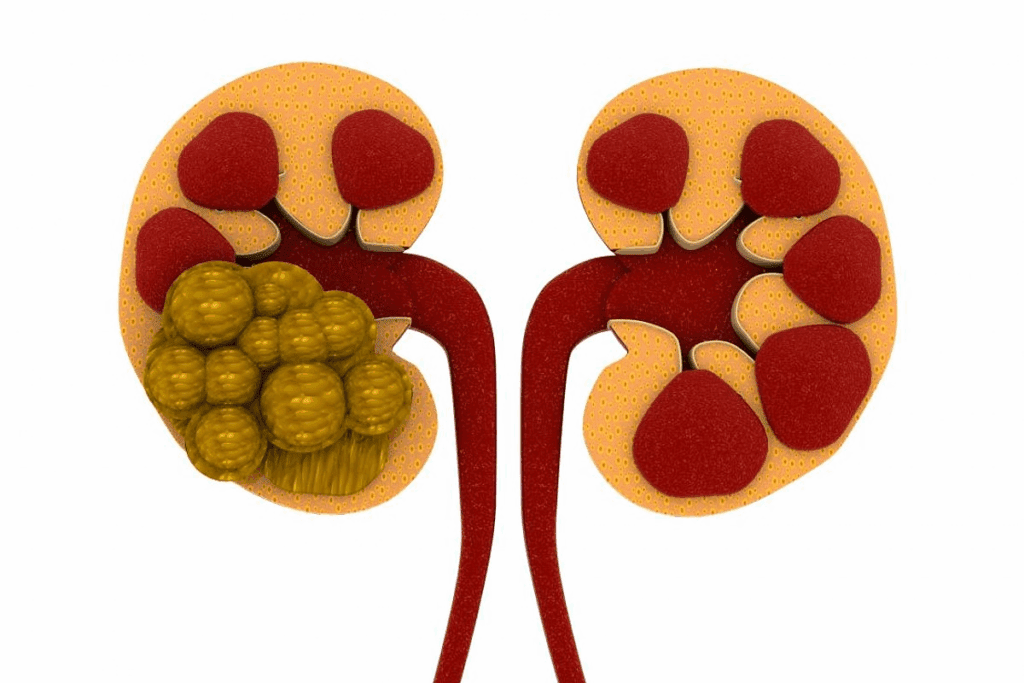
Discovering proteinuria or albuminuria in a medical test can be scary. But knowing what it means is key to keeping your kidneys healthy. If you have blood in urine protein in urine, what does this combination of symptoms indicate and when should you seek immediate medical help?
Usually, proteins stay in the blood and don’t show up in urine. But if your kidneys aren’t working right, protein can leak into the urine. This could mean your kidneys are damaged.
At Liv Hospital, we focus on accurate diagnoses and tailored treatment plans. This helps keep your kidneys working well and your health in check. It’s important to understand the reasons, signs, and what proteinuria means for your health.
Key Takeaways
- Proteinuria or albuminuria refers to the presence of excessive protein in urine.
- It may indicate kidney damage or disease.
- Normally, proteins stay in the bloodstream and should not appear in urine.
- Accurate diagnosis and personalized treatment plans are key for kidney health.
- Liv Hospital offers complete care for those with kidney issues.
Understanding Protein in Urine (Proteinuria)
It’s important to understand proteinuria to know its health impact. Proteinuria means there’s too much protein in your urine. This can signal health problems.
Definition and Medical Terminology
Proteinuria, or albuminuria when it’s albumin, means proteins are in your urine. Normally, kidneys keep proteins in your blood. But, if they’re damaged, proteins can leak into your urine.
The term proteinuria involves albumin, a key blood protein. Its presence in urine signals kidney damage. Sometimes, people use proteinuria and albuminuria the same way, but albuminuria is more specific.
How Proteins Normally Function in the Body
Proteins are big molecules that help build and repair tissues. They also make enzymes and hormones and help balance fluids. Healthy kidneys keep proteins in your blood by filtering waste.
Healthy kidney function is key to keeping proteins balanced. When kidneys work right, they stop proteins from getting into your urine.
Types of Proteinuria: Transient vs. Persistent
Proteinuria can be temporary or ongoing. Transient proteinuria is short-term and might be due to fever, exercise, or stress. It usually goes away once the cause is fixed.
Persistent proteinuria means your kidneys are damaged or diseased. It needs more investigation to find the cause and treatment.
| Type of Proteinuria | Causes | Characteristics |
| Transient Proteinuria | Fever, exercise, stress | Temporary, resolves once cause is addressed |
| Persistent Proteinuria | Kidney damage or disease | Ongoing, requires further investigation |
Knowing the difference between transient and persistent proteinuria is key. It helps decide the right treatment.
Normal vs. Abnormal Protein Levels in Urine

It’s important to know the difference between normal and abnormal protein levels in urine. This helps us understand kidney health. Protein in urine, known as proteinuria, can show how well our kidneys are working. Healthy kidneys keep proteins in the blood and filter out waste.
But, if kidneys are damaged, they can leak proteins into the urine.
What Are Normal Protein Levels?
Normal protein levels in urine are less than 150 mg per day. This shows that our kidneys are working right. They filter waste and keep most proteins in the blood.
A normal urine albumin-to-creatinine ratio (UACR) is under 30 mg/g. This means our kidneys are not leaking a lot of albumin into the urine.
When Protein Levels Become Concerning
When protein levels go above normal, it’s a sign of possible kidney damage or disease. High levels of protein in urine mean our kidneys might be failing. It’s key to find out why protein levels are high to treat it and stop more damage.
Understanding Urine Albumin-to-Creatinine Ratio (UACR)
The UACR is a key test for kidney health. It checks the albumin (protein) in urine against creatinine, a waste product. A UACR under 30 mg/g is normal.
But, a higher UACR means kidney damage or disease. The higher the value, the worse the kidney damage. This test helps catch kidney problems early.
What Does 2+ Protein in Urine Mean?
A 2+ protein result means about 100 mg/dL of protein in the urine. This is not normal and needs more checking. It shows kidney damage or disease is likely.
Doctors might do more tests, like a 24-hour urine collection or more UACR tests. They want to find out why and how much kidney damage there is.
Common Causes of Protein in Urine
Protein in urine, or proteinuria, can come from many sources. It can be short-term or long-term. Knowing the causes helps find the right treatment.
Temporary or Benign Causes
Often, proteinuria is just temporary. It can be due to dehydration, stress, or fever. Simple steps can usually fix it once the cause is gone.
For example, not drinking enough water can make proteins show up in urine. Drinking enough water can fix this problem.
Kidney-Related Conditions
Kidney diseases are a big reason for proteinuria. Problems like nephrotic syndrome, glomerulonephritis, and diabetic nephropathy harm the kidneys. This lets proteins leak into the urine.
Diabetic nephropathy, a diabetes complication, is a top cause of proteinuria. Keeping diabetes under control can lower the risk of nephropathy.
Systemic Diseases That Cause Proteinuria
Systemic diseases, like diabetes and high blood pressure, can also cause proteinuria. These diseases can mess with the kidneys’ filtering system. This leads to protein in the urine.
High blood pressure can harm the kidneys over time. This can lead to chronic kidney disease and proteinuria. Keeping blood pressure in check is key to avoiding kidney damage.
Medication-Induced Proteinuria
Some medicines can cause proteinuria as a side effect. NSAIDs and certain antibiotics are examples.
| Medication Category | Examples | Potential Effect on Kidneys |
| NSAIDs | Ibuprofen, Naproxen | Can cause kidney damage and proteinuria with prolonged use |
| Antibiotics | Gentamicin, Amphotericin B | Can be nephrotoxic, leading to proteinuria |
If you have proteinuria, talk to your doctor about your medicines. They might suggest other options.
Blood in Urine and Protein in Urine: Understanding the Connection
It’s important to know how blood in urine (hematuria) and protein in urine (proteinuria) are linked. Both signs can point to kidney problems that need medical help.
When Both Symptoms Occur Together
Seeing both blood and protein in urine means a serious issue might be happening. This can be a sign of kidney or urinary system problems. It often points to diseases like glomerulonephritis, which affects the kidneys’ filtering units.
Having both symptoms can mean the kidneys are badly damaged. It’s key to get a full medical check-up to find out why.
Conditions That Cause Both Blood and Protein in Urine
Many conditions can lead to both hematuria and proteinuria. These include:
- Kidney Diseases: Diabetic nephropathy, IgA nephropathy, and membranous nephropathy can cause both symptoms.
- Urinary Tract Infections (UTIs): Severe UTIs can sometimes cause both hematuria and proteinuria, though it’s less common.
- Systemic Diseases: Diseases like lupus can affect the kidneys and lead to both symptoms.
Distinguishing Between Different Urinary Abnormalities
It’s important to tell apart different urinary problems for the right treatment. The table below shows the main differences:
| Condition | Common Symptoms | Typical Causes |
| Hematuria | Blood in urine, possibly pain during urination | Kidney stones, UTIs, bladder or kidney cancer |
| Proteinuria | Foamy urine, swelling in legs or feet | Kidney disease, diabetes, high blood pressure |
| Both Hematuria and Proteinuria | Blood and protein in urine, swelling, possible pain | Severe kidney disease, systemic diseases like lupus |
In conclusion, finding blood and protein in urine is a big warning sign for kidney problems. Knowing how these symptoms relate to kidney diseases is key for the right treatment.
Recognizing Symptoms Associated with Proteinuria
It’s important to know the signs of proteinuria early. This condition means there’s too much protein in your urine. It can be a sign of kidney damage or disease. Sometimes, you might not notice it at first, so regular check-ups are key.
Early Signs That May Go Unnoticed
In the beginning, proteinuria might not show obvious symptoms. But, some people might notice mild swelling in their hands, feet, or face. It’s important to catch these signs early to get medical help fast.
Advanced Symptoms Indicating Kidney Damage
As kidney damage gets worse, symptoms become more obvious. These can include:
- Persistent foamy or bubbly urine, which is a common indicator of proteinuria.
- Significant edema or swelling in various parts of the body.
- Fatigue and weakness due to the buildup of toxins.
- Changes in urination patterns, such as increased frequency or decreased output.
Foamy or Bubbly Urine: What It Means
Foamy or bubbly urine is a big sign of proteinuria. It happens because there’s too much protein in your urine. This makes the urine look frothy or bubbly. If you see this often, you should see a doctor right away.
Edema and Other Physical Manifestations
Edema, or swelling, is another sign of proteinuria. It happens when your kidneys can’t filter waste well. This leads to fluid retention, causing swelling in your face, hands, feet, or belly. Other signs might include:
| Symptom | Description |
| Edema | Swelling in various body parts due to fluid retention. |
| Weight Gain | Unexplained weight gain due to fluid buildup. |
| Fatigue | Persistent tiredness and weakness. |
Knowing these symptoms can help catch kidney disease early. If you notice any of these signs, see a doctor right away. They can help slow down the disease’s progress.
Diagnosing Protein in Urine
Figuring out if you have protein in your urine takes several steps. These steps include different tests to find out why you might be losing protein.
To find protein in your urine, doctors use a few tests. These tests check if you have protein, how much, and what might be causing it. Knowing this helps doctors decide how to treat you and keep your kidneys healthy.
Dipstick Urinalysis and What Results Mean
Dipstick urinalysis is a simple test to see if you have protein in your urine. You dip a special stick into your urine. The stick changes color if there’s protein.
- A 1+ or 2+ result might mean you have a little protein in your urine. This could be okay or temporary.
- A 3+ or 4+ result means you have a lot of protein in your urine. This could mean your kidneys are damaged or sick.
Even though dipstick urinalysis is easy, it’s not always right. It can sometimes say you have protein when you don’t, or miss it when you do. So, doctors usually do more tests to be sure.
24-Hour Urine Collection
A 24-hour urine collection is a more detailed test. It measures how much protein you lose in your urine over 24 hours. This test is better at finding out if you have kidney problems.
Key aspects of 24-hour urine collection:
- You collect your urine in a special container for 24 hours.
- Then, the urine is checked for protein.
- This test shows how bad your protein loss is and helps decide what to do next.
Protein-to-Creatinine Ratio Tests
The protein-to-creatinine ratio test is another way to check for protein in your urine. It looks at the ratio of protein to creatinine in one urine sample. This gives an idea of how much protein you lose in 24 hours.
The benefits of this test include:
- It’s easier than collecting urine for 24 hours.
- It gives a quick idea of how much protein you lose.
- It’s good for first checks or keeping an eye on things.
Additional Tests to Determine Underlying Causes
After finding protein in your urine, doctors might do more tests to find why. These tests can include:
| Test | Purpose |
| Blood tests | To check how well your kidneys are working and find any other problems. |
| Imaging tests (e.g., ultrasound) | To see your kidneys and find any problems. |
| Kidney biopsy | To look at kidney tissue for damage or disease. |
These tests help doctors understand why you have protein in your urine. They also help come up with a good treatment plan.
When Is Protein in Urine Serious?
It’s important to know when protein in urine is serious. This can be a sign of a health issue that needs quick attention.
Risk Factors That Increase Concern
Some risk factors make proteinuria more serious. These include diabetes, high blood pressure, and a family history of kidney disease. People with these risks should watch for signs of kidney problems closely.
Having these risk factors can make kidney damage worse. Regular health checks and tests are key to catching and managing problems early.
Levels That Indicate Significant Kidney Damage
High levels of protein in urine mean serious kidney damage. The amount of protein in urine shows how well the kidneys are working. High levels are a big worry.
A 24-hour urine collection test or a protein-to-creatinine ratio test can measure proteinuria accurately. These tests show how bad the kidney damage is.
Proteinuria in Different Demographics
Proteinuria affects different groups in different ways. For example, older adults are more likely to have it because of kidney changes with age. People with heart disease are also at higher risk.
| Demographic | Risk Factors | Prevalence of Proteinuria |
| Older Adults | Age-related kidney changes, hypertension | Higher |
| Diabetic Patients | Diabetes, high blood pressure | Moderate to High |
| Individuals with Cardiovascular Disease | Hypertension, heart disease | Moderate |
Complications of Untreated Proteinuria
Not treating proteinuria can lead to serious problems, like kidney failure. Kidney failure means needing dialysis or a transplant, which greatly affects life quality.
Spotting and treating proteinuria early can avoid these serious issues. Managing health conditions and reducing proteinuria through medicine and lifestyle changes are key steps to prevent kidney damage.
Treatment Approaches for Proteinuria
Proteinuria treatment focuses on finding and fixing the main causes. It aims to reduce protein loss and slow disease growth. A good plan includes medical treatments and lifestyle changes.
Addressing Underlying Causes
Finding and treating the main causes of proteinuria is key. Diabetes and high blood pressure are common culprits. Managing these with medicine and lifestyle changes can help a lot.
It’s vital to work closely with doctors to manage these conditions well.
Medications to Reduce Protein Leakage
Some medicines can lower blood pressure and ease kidney strain. ACE inhibitors and ARBs are often used. They help control blood pressure and protect the kidneys, reducing protein loss.
Lifestyle Modifications
Changing your lifestyle can also help manage proteinuria. Eating less salt, protein, sugar, and unhealthy fats is important. Regular exercise and a healthy weight are also key.
Quitting smoking and drinking less alcohol can also help your kidneys.
Managing Proteinuria in Chronic Kidney Disease
For those with chronic kidney disease (CKD), managing proteinuria is vital. This means using treatments, making lifestyle changes, and keeping an eye on kidney health. A personalized plan is best.
By using a mix of treatments, lifestyle changes, and regular checks, people with proteinuria can manage their condition well. This improves their health overall.
Preventing Protein in Urine and Kidney Damage
To prevent protein in urine and kidney damage, we need to manage chronic conditions and live healthy. Knowing the risks and taking steps early can help a lot. This way, we can lower the chance of kidney problems.
Managing Chronic Conditions
It’s key to manage conditions like diabetes and high blood pressure to avoid kidney damage. These can make the kidneys work too hard and leak protein. Keeping an eye on them, taking medicine as told, and making lifestyle changes are important.
For example, keeping blood sugar in check can stop diabetic nephropathy, a big cause of kidney disease. Also, controlling blood pressure through diet and medicine helps the kidneys less.
Dietary Considerations
What we eat affects our kidneys. Eating less salt, sugar, and bad fats helps manage conditions and protects the kidneys. Eating more fruits, veggies, and whole grains is good too.
People with kidney problems might need to eat less protein. But, it’s best to talk to a doctor or dietitian about the right diet.
Regular Screening for At-Risk Individuals
Screening regularly is key to catch proteinuria early. People with kidney disease in their family, those with diabetes or high blood pressure, and older adults should get urine tests often.
Finding problems early means we can act fast. This can stop more damage to the kidneys.
Hydration and Kidney Health
Drinking enough water is good for the kidneys. It helps them work right and lowers the risk of kidney stones. But, drinking too much can also harm the kidneys.
| Preventive Measure | Benefit |
| Managing Chronic Conditions | Reduces strain on kidneys, preventing damage |
| Dietary Adjustments | Helps manage chronic conditions, reduces kidney burden |
| Regular Screening | Enables early detection and intervention |
| Adequate Hydration | Supports kidney function, reduces risk of kidney stones |
By taking these steps, we can lower our risk of proteinuria and kidney damage. It’s about managing health, making lifestyle changes, and staying on top of our health.
Conclusion: Living with and Monitoring Proteinuria
Managing proteinuria well is key to keeping your kidneys healthy. We’ve covered its causes, symptoms, how it’s diagnosed, and treatment options. To avoid problems, it’s important to keep an eye on proteinuria and manage it every day.
Checking on proteinuria means regular doctor visits and following treatment plans. This might include changing your diet and managing other health issues. These steps help protect your kidneys from damage.
Knowing how to live with and watch proteinuria helps you manage your health better. We stress the importance of ongoing medical care and making lifestyle changes. This way, you can keep your kidneys healthy and feel good overall.
FAQ
What does protein in urine mean?
Protein in urine, or proteinuria, means there’s too much protein in your pee. Normally, your kidneys filter out waste and keep proteins. But if they’re damaged, proteins can leak into your urine.
What are normal protein levels in urine?
Usually, your urine has very little protein, less than 30 mg/dl. More than this can mean kidney problems.
What does 2+ protein in urine mean?
A 2+ protein result means your urine has too much protein. This could mean your kidneys are damaged. You’ll need more tests to find out why.
What causes high levels of protein in urine?
High protein in urine can come from many things. Kidney disease, diabetes, high blood pressure, and some meds can cause it. Knowing why is key to treating it.
Can certain medications cause proteinuria?
Yes, some meds can make your urine have too much protein. Always talk to your doctor if you have proteinuria.
What is the urine albumin-to-creatinine ratio (UACR), and why is it important?
The UACR test checks the protein-to-creatinine ratio in your urine. It’s a key test for kidney health and spotting damage early.
Is proteinuria a symptom of kidney disease?
Yes, proteinuria is often an early sign of kidney disease. If you have it, it means your kidneys might be damaged. You’ll need to see a doctor.
How is proteinuria diagnosed?
Doctors use tests like dipstick urinalysis and 24-hour urine collection to find proteinuria. They might also do more tests to find the cause.
What are the symptoms associated with proteinuria?
Early signs of proteinuria might not be noticeable. But as it gets worse, you might see foamy urine, swelling, and other signs of kidney damage.
Can proteinuria be treated?
Yes, treating proteinuria involves fixing the cause, using meds, and making lifestyle changes. It’s also important to manage chronic kidney disease.
How can proteinuria and kidney damage be prevented?
To prevent proteinuria and kidney damage, manage conditions like diabetes and high blood pressure. Eat right, get regular check-ups, and drink plenty of water to keep your kidneys healthy.
When is protein in urine considered serious?
Proteinuria is serious if it doesn’t go away, if the levels are very high, or if you have other symptoms like blood in your urine. You need to see a doctor right away.
What does it mean when there is both blood and protein in urine?
Having blood and protein in your urine means you might have a serious kidney or urinary tract problem. You need to see a doctor to find and treat the cause.
References
- Bocchino, A. C., Bentsianov, B., Gross, I., & Valenzuela, R. J. (2023). Low-intensity extracorporeal shock wave therapy for vasculogenic erectile dysfunction: Evidence from randomized controlled trials and meta-analyses. World Journal of Men’s Health, 41(1), 102-114. https://pmc.ncbi.nlm.nih.gov/articles/PMC9995960/