
Excessive bleeding during surgery is a big worry. It can harm patients and make recovery harder. Managing bleeding well is key for safe and successful surgeries. We have methods that help cut down on bleeding, improving care and results. Blood Loss: Best Amazing Tips To Stay Safe
We focus on reducing bleeding risks in surgery at our place. We use the newest medical tools and methods. We aim to give top-notch care to our patients. Our goal is to offer safe, reliable ways to lessen blood loss.
Key Takeaways
- Effective strategies can significantly reduce blood loss during surgery.
- Minimizing bleeding enhances patient safety and improves surgical outcomes.
- Our institution is dedicated to advancing medical practices that reduce surgical bleeding.
- By adopting the latest techniques, we ensure complete care for our patients.
- Reducing blood loss is a critical aspect of successful surgical procedures.
Understanding Blood Loss in Surgery

It’s key to understand blood loss in surgery for patient safety. Surgery always has some bleeding. But too much can cause serious problems, like shock, organ failure, and even death.
Types of Surgical Bleeding
Surgical bleeding is divided into primary and secondary types. Primary bleeding happens during surgery, often from cuts or dissections. Secondary bleeding occurs later, maybe from infection or other issues.
There are also different bleeding sources:
- Arterial bleeding, which is fast and a lot.
- Venous bleeding, which is slower but can be big.
- Capillary bleeding, which is slow but keeps going.
Impact of Excessive Blood Loss on Patient Outcomes
Too much blood loss in surgery can be very bad. It can cause:
- Hemodynamic instability, needing lots of care and fluids.
- Coagulopathy, as the body’s clotting factors get used up.
- Organ dysfunction, from not enough blood flow.
- Increased risk of infection, as blood loss weakens the immune system.
These issues can make hospital stays longer and raise the risk of serious problems or death.
Risk Factors for Increased Surgical Hemorrhage
Several things can make surgical bleeding more likely. These include:
- Patient-related factors like bleeding problems, medicines that prevent clotting, and liver disease.
- Surgical factors like the surgery type, how complex it is, the surgeon’s experience, and how long it takes.
- Anesthetic factors, like the type of anesthesia and how blood pressure is managed during surgery.
Knowing these risk factors before surgery helps plan better to reduce blood loss.
The Significance of Preoperative Assessment
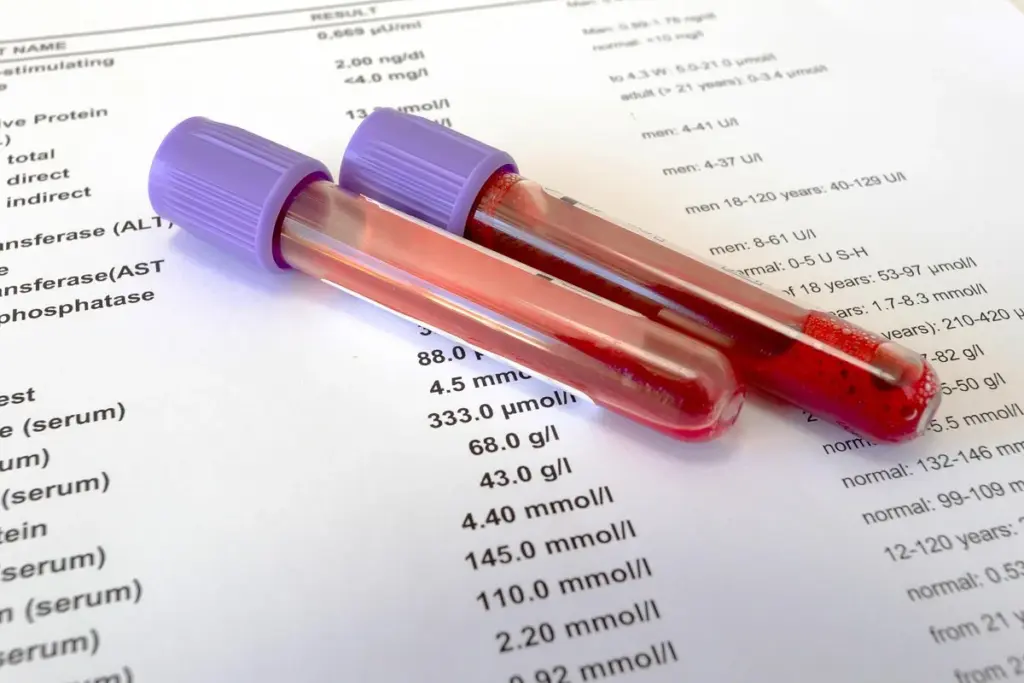
The preoperative assessment is key to finding patients at high risk of bleeding during surgery. It helps healthcare providers take steps to reduce blood loss.
Identifying High-Risk Patients
Finding patients at risk of bleeding during surgery is very important. Risk factors include:
- History of bleeding disorders
- Previous surgical complications
- Medications that affect blood clotting
- Underlying medical conditions such as liver disease
Laboratory Tests for Bleeding Risk
Laboratory tests are vital for assessing bleeding risk. Common tests include:
- Complete Blood Count (CBC)
- Prothrombin Time (PT)
- Activated Partial Thromboplastin Time (aPTT)
- International Normalized Ratio (INR)
These tests help us understand a patient’s coagulation status and identify bleeding risks.
Medication Review and Management
Reviewing a patient’s medications is essential. Certain medications, like anticoagulants and antiplatelet agents, can increase bleeding risk. Management strategies may include:
- Temporarily discontinuing medications that increase bleeding risk
- Adjusting dosages
- Using alternative medications when possible
Effective medication management is key to reducing bleeding risk during surgery.
By using these strategies, we can greatly reduce bleeding risk and improve patient outcomes.
Preoperative Strategies to Minimize Blood Loss in Surgery
To cut down on bleeding, several steps can be taken before surgery. Planning well before the operation is key to less blood loss.
Autologous Blood Donation
Autologous blood donation means saving a patient’s blood before surgery. This blood is used during or after the operation. It lowers the chance of blood-borne infections and saves blood for others.
Benefits of autologous blood donation include fewer risks of blood-borne infections and less chance of immune reactions. But, it needs careful planning to make sure the blood is ready when needed.
Erythropoietin Therapy
Erythropoietin therapy boosts red blood cell production before surgery. This can lower the need for blood from others.
Erythropoietin therapy is very helpful for big surgeries where a lot of blood loss is expected. It works best when combined with iron.
Iron Supplementation
Iron supplements treat or prevent iron deficiency anemia before surgery. This can lower the need for blood transfusions.
Iron can be given by mouth or through a vein, depending on the patient’s needs. Keeping an eye on iron levels and adjusting supplements is important.
Vitamin K Administration
Vitamin K is key for blood clotting. Giving it before surgery can improve clotting. It’s good for patients with low vitamin K or on blood thinners.
Vitamin K administration can counteract blood thinners and lower bleeding risks. The right time and amount of vitamin K depend on the patient’s clotting and surgery risk.
In summary, steps like autologous blood donation, erythropoietin therapy, iron supplements, and vitamin K are key to less blood loss in surgery. These methods help reduce bleeding risks and improve patient results.
Anesthetic Techniques for Hemorrhage Control
Surgical hemorrhage can be lessened with the right anesthetic strategies. Anesthetic management is key to keeping patients stable during surgery.
Controlled Hypotension
Controlled hypotension lowers blood pressure to cut down on blood loss during surgery. It’s great for surgeries where a lot of bleeding is expected.
Using controlled hypotension needs careful patient selection and monitoring. This is to avoid problems like organ hypoperfusion.
Regional Anesthesia Benefits
Regional anesthesia numbs a certain area of the body. This can lessen the need for general anesthesia and might reduce blood loss. Epidural and spinal anesthesia are common methods.
It also helps manage pain after surgery, cutting down on the need for strong pain medicines.
Temperature Management
Keeping the body’s temperature normal is key during surgery. Hypothermia can cause coagulopathy, raising the risk of bleeding. Anesthetics that include warming can prevent this.
Forced-air warming and fluid warming are ways to keep the patient’s temperature stable.
Fluid Management Strategies
Good fluid management is essential for keeping the heart and blood vessels stable. Choosing between crystalloids and colloids, and when and how much to give, affects patient outcomes.
Using goal-directed fluid therapy, guided by monitoring, can improve fluid use and lower risks.
|
Technique |
Description |
Benefits |
|---|---|---|
|
Controlled Hypotension |
Reducing blood pressure to minimize blood loss |
Reduces surgical bleeding, less need for transfusions |
|
Regional Anesthesia |
Numbing a specific region of the body |
Effective pain management, reduces systemic opioid use |
|
Temperature Management |
Maintaining normothermia during surgery |
Prevents coagulopathy, reduces bleeding risk |
|
Fluid Management |
Optimizing fluid administration |
Maintains hemodynamic stability, minimizes complications |
Surgical Techniques to Control Bleeding
Stopping bleeding during surgery is key to patient care. Many methods have been created to manage this. It’s vital for better patient outcomes and less risk of problems.
Meticulous Dissection Approaches
Meticulous dissection is a main technique to cut down on bleeding. It means carefully cutting through tissues to avoid hitting blood vessels. This method helps surgeons avoid too much bleeding.
Minimally Invasive Surgery Benefits
Minimally invasive surgery (MIS) is popular for its benefits, like less blood loss. It uses smaller cuts, leading to less damage and bleeding. We use MIS to cut down on blood loss and help patients recover faster.
Positioning and Gravity Assistance
How a patient is positioned during surgery also helps control bleeding. By changing the patient’s position, surgeons can use gravity to slow blood flow. This is very helpful in surgeries where bleeding is a big worry.
Tourniquet Use in Appropriate Cases
Tourniquets are also used to stop bleeding in some surgeries. They block blood flow to the area being operated on, making it bloodless. This method is often used in orthopedic surgeries.
|
Surgical Technique |
Description |
Benefits |
|---|---|---|
|
Meticulous Dissection |
Careful dissection of tissues to avoid damaging blood vessels |
Reduced risk of excessive bleeding |
|
Minimally Invasive Surgery |
Smaller incisions resulting in less tissue trauma |
Less blood loss, faster recovery |
|
Positioning and Gravity Assistance |
Adjusting patient position to utilize gravity |
Reduced blood flow to the surgical site |
|
Tourniquet Use |
Applying a tourniquet to temporarily stop blood flow |
Bloodless surgical field |
Hemostatic Agents and Their Clinical Applications
Surgical bleeding control has made big strides with new hemostatic agents. These agents help reduce blood loss during surgery, leading to better patient results. We’ll look at the different types and how they’re used in the clinic.
Mechanical Hemostatic Agents
Mechanical agents stop bleeding by physically blocking or pressing on blood vessels. Examples include surgical clips, staples, and tourniquets. They’re good at controlling bleeding from big vessels.
- Surgical clips are used to ligate vessels or ducts.
- Staples are used in many surgeries to close cuts or divide tissues.
- Tourniquets are applied to limbs to stop blood flow temporarily, making surgery easier.
Active Hemostatic Agents
Active agents help the body’s natural clotting process. They include agents like thrombin and fibrin sealants.
Thrombin is a key enzyme in clotting, turning fibrinogen into fibrin. Fibrin sealants mimic the clotting process, creating a stable clot.
Flowable Hemostatic Matrices
Flowable matrices are gel-like substances applied to bleeding areas. They fit the shape of the wound, helping to stop bleeding.
Examples include gelatin matrices and collagen-based hemostats. They’re great for surgical bleeding control when other methods don’t work.
Novel Hemostatic Technologies
New technologies have brought advanced flowable hemostatic matrices and hemostatic agents to the table. These offer better results and safety.
These new tools are key in tackling surgical bleeding control. They give surgeons the means to manage bleeding in tough surgical cases.
Pharmacological Interventions for Managing Blood Loss in Surgery
Pharmacological interventions are key in managing blood loss during surgery. They make surgery safer and more successful. These interventions use medicines to cut down on bleeding and help blood to clot.
Tranexamic Acid
Tranexamic acid (TXA) is a medicine that helps reduce surgical blood loss. It stops the breakdown of fibrin clots. This means less blood loss and fewer blood transfusions in surgeries.
Key Benefits of Tranexamic Acid:
- Reduces blood loss and transfusion requirements
- Easy to administer
- Cost-effective
Epsilon-Aminocaproic Acid
Epsilon-aminocaproic acid (EACA) is another medicine for managing surgical bleeding. Like TXA, it stops fibrinolysis, keeping clots stable. It’s used in surgeries where a lot of bleeding is expected.
Clinical Use of Epsilon-Aminocaproic Acid:
|
Surgical Procedure |
Efficacy |
Common Dosage |
|---|---|---|
|
Cardiac Surgery |
High |
5-10 grams IV |
|
Orthopedic Surgery |
Moderate |
5 grams IV |
Desmopressin
Desmopressin is a synthetic version of vasopressin. It’s used for bleeding disorders like hemophilia A and von Willebrand disease. It boosts factor VIII and von Willebrand factor levels, aiding in clotting.
Desmopressin’s Mechanism of Action:
Desmopressin releases factor VIII and von Willebrand factor into the blood. This enhances coagulation.
Recombinant Factor VIIa
Recombinant factor VIIa (rFVIIa) is used for severe bleeding in surgery. It activates the coagulation cascade and forms stable fibrin clots. It’s often used off-label for hard-to-control bleeding.
Summary: Medicines like tranexamic acid, epsilon-aminocaproic acid, desmopressin, and recombinant factor VIIa are vital in surgery. They reduce bleeding, lower the need for blood transfusions, and improve patient results.
Advanced Technologies for Minimizing Intraoperative Blood Loss
Surgical teams now use advanced technologies to keep patients safer. These tools help reduce blood loss during surgery. They also make surgeries more precise, lowering the risk of too much bleeding.
Electrosurgical Devices
Electrosurgical devices are key in cutting and stopping bleeding. They use electrical energy to heat and coagulate tissue. This method is common in surgeries because it controls bleeding well.
Ultrasonic Cutting Instruments
Ultrasonic cutting tools use vibrations to cut and stop bleeding at the same time. They’re great for precise surgeries. These tools also cause less damage to nearby tissues, helping wounds heal faster.
Argon Beam Coagulation
Argon beam coagulation is a non-contact method for stopping bleeding. It uses argon gas to deliver energy to bleeding areas. It’s very effective for surgeries with high bleeding risks, like liver surgeries.
Laser Surgery Applications
Laser surgery uses light to cut or remove tissue. Lasers are very precise and can target specific areas. This reduces damage to nearby tissues and lowers blood loss. It’s used in many fields, like eye, skin, and ear surgeries.
|
Technology |
Application |
Benefits |
|---|---|---|
|
Electrosurgical Devices |
Cutting and coagulation |
Effective bleeding control, reduced risk of complications |
|
Ultrasonic Cutting Instruments |
Precision cutting and coagulation |
Minimal thermal damage, faster healing |
|
Argon Beam Coagulation |
Hemostasis on large surfaces |
Effective for diffuse bleeding, reduces blood loss |
|
Laser Surgery |
Precision cutting and coagulation |
High precision, minimal damage to surrounding tissues |
In conclusion, technologies like electrosurgical devices, ultrasonic tools, argon beam coagulation, and laser surgery are vital. They help reduce blood loss during surgery. By using these technologies, surgical teams can improve patient outcomes and lower bleeding risks.
Cell Salvage and Autotransfusion Systems
Cell salvage and autotransfusion systems are key in reducing blood loss during surgery. They have changed how we handle blood loss, cutting down on the need for blood from others.
Intraoperative Cell Salvage
Intraoperative cell salvage collects, processes, and returns a patient’s lost blood during surgery. It saves the patient’s blood and lowers risks from blood from others, like reactions and infections.
A study in the Journal of Surgical Research found it can cut down on blood from others by up to 40% in some surgeries.
Postoperative Blood Recovery
Postoperative blood recovery collects and returns blood lost after surgery. It’s very helpful in surgeries with a lot of bleeding after. It helps avoid more blood products and aids in recovery.
“Postoperative blood recovery is a good way to cut down on blood from others and keep patients safe.”
“The use of cell salvage and autotransfusion systems is a big step forward in managing blood, making it safer and reducing risks from blood transfusions.”
Contraindications and Limitations
Even with many benefits, there are times when these systems shouldn’t be used. They’re not good for surgeries with bacteria, cancer cells, or other harmful stuff in the blood.
- They’re not for surgeries with infections or cancer in the blood.
- They need special equipment and trained people.
Cost-Effectiveness Analysis
Looking at the cost, the start-up costs for equipment and training are high. But, the long-term savings and benefits are big. These systems help lower healthcare costs and improve patient results.
Key benefits include: lower costs for blood transfusions, fewer complications, and better patient safety.
Point-of-Care Testing for Blood Loss Management
Point-of-care testing has changed how we handle blood loss in surgeries. It gives us real-time info that can greatly affect patient results. These tests help us decide when to give blood, reducing risks from too much blood loss.
Thromboelastography (TEG)
Thromboelastography is a test that checks how well blood clots. It looks at the blood’s properties as it forms a clot. “TEG is key in managing bleeding patients,” says an anesthesiology expert.
With TEG, doctors can spot patients at risk of bleeding or clotting. This lets them tailor treatments for better results.
Rotational Thromboelastometry (ROTEM)
Like TEG, ROTEM is a test that checks blood clotting. It shows how well a clot forms, how strong it is, and how stable. ROTEM is great for surgeries where a lot of blood loss is expected.
ROTEM helps guide blood therapy, lowering risks from wrong transfusions. It gives doctors real-time data for quick decisions.
Rapid Hemoglobin Assessment
Rapid hemoglobin tests are key for managing blood loss in surgery. They quickly show a patient’s hemoglobin levels. This is important for knowing if blood transfusions are needed.
This test is very useful when blood loss happens fast. It lets doctors make quick decisions about transfusions.
Viscoelastic Testing Benefits
Tests like TEG and ROTEM have many benefits for managing blood loss. They give a full picture of a patient’s clotting, helping target treatments. These tests reduce the need for guesswork in transfusions, lowering risks.
Viscoelastic testing also makes blood product use more efficient. It helps give the right blood components, improving patient care and saving blood.
Special Considerations for High-Risk Procedures
Managing blood loss in high-risk surgeries is key to better patient care and fewer complications. Surgeries like cardiac, orthopedic, obstetric, and trauma are tough. They need special strategies to cut down on blood loss and improve care.
Cardiac Surgery Approaches
Cardiac surgery is hard because of the bleeding risk from anticoagulation during cardiopulmonary bypass. Preoperative planning and careful surgical technique are vital to reduce blood loss. We use advanced agents and techniques, like tranexamic acid administration, to lower hemorrhage risk.
- Preoperative check of coagulation status
- Use of antifibrinolytics
- Meticulous surgical dissection
Orthopedic Surgery Techniques
Orthopedic surgeries, like joint replacements and spinal fusions, can cause a lot of blood loss. Tourniquet use and meticulous dissection help cut down bleeding. We also use cell salvage to reinfuse the patient’s own blood.
- Application of tourniquets to limit blood flow
- Use of electrocautery for hemostasis
- Postoperative drainage management
Obstetric Procedures
Obstetric procedures, like cesarean deliveries, can lead to a lot of blood loss. Active management of the third stage of labor and prompt surgical intervention are key to reduce hemorrhage. We stress the use of uterotonic agents and surgical techniques to control bleeding.
“The key to managing postpartum hemorrhage is prompt recognition and intervention.” –
Leading Obstetric Guidelines
Trauma Surgery Protocols
Trauma surgery is challenging due to the urgency and complexity of injuries. Damage control surgery and resuscitative efforts are top priorities to stabilize the patient. We follow massive transfusion protocols and point-of-care coagulation testing to manage blood products and correct coagulopathy.
- Rapid assessment and intervention
- Use of massive transfusion protocols
- Point-of-care coagulation monitoring
Patient-Specific Approaches to Reducing Surgical Blood Loss
Every patient is different, and we must tailor our strategies to meet their unique needs. This approach helps reduce surgical blood loss and improves patient outcomes. It’s all about making each patient’s care as effective as possible.
Pediatric Patients
When it comes to kids, managing blood loss is a special challenge. Their smaller blood volumes and different coagulation systems set them apart from adults. Precise calculation of blood loss and careful fluid management are key.
- Use of pediatric-specific guidelines for transfusion
- Careful monitoring of coagulation status
- Minimizing surgical trauma
Geriatric Patients
Older patients often face more health challenges and may be on medications that affect blood clotting. Preoperative assessment and optimizing their health before surgery are critical to reduce blood loss.
- Review and adjustment of anticoagulant therapy
- Assessment of renal function
- Optimization of cardiovascular status
Patients with Coagulopathies
Those with bleeding disorders or on blood thinners need special care to avoid excessive bleeding. Collaboration with hematologists is essential to create a detailed plan.
- Preoperative factor replacement therapy
- Use of antifibrinolytics like tranexamic acid
- Close monitoring of coagulation parameters
Jehovah’s Witness Patients
Jehovah’s Witness patients face a unique challenge due to their refusal of blood transfusions. Alternative strategies must be used to minimize blood loss and ensure the best possible outcomes.
- Preoperative erythropoietin therapy
- Use of cell salvage techniques
- Meticulous surgical hemostasis
Post-Operative Strategies to Prevent Further Blood Loss
After surgery, it’s key to prevent more blood loss and help the body heal. Good care during this time can greatly improve how well a patient does.
Drainage Management
Managing drainage is vital to stop blood and fluid buildup at the surgery site. This can cause serious problems.
We use closed suction drains to take out fluid and blood. This helps avoid blood clots forming.
- Keep an eye on drain output for any sudden changes.
- Take out the drains when output goes down to lower infection risk.
Coagulation Monitoring
Checking coagulation is important to spot patients at risk of bleeding or blood clots.
We use tests like thromboelastography (TEG) and rotational thromboelastometry (ROTEM) to check blood clotting.
|
Test |
Purpose |
Clinical Utility |
|---|---|---|
|
TEG |
Assess whole blood clotting |
Guides transfusion and anticoagulation therapy |
|
ROTEM |
Evaluate clot formation and stability |
Helps in managing coagulopathy |
Early Mobilization Benefits
Moving around early after surgery is a big part of care. It helps avoid blood clots and speeds up recovery.
“Early mobilization after surgery not only reduces the risk of complications but also enhances patient recovery and satisfaction.”
— Expert in Orthopedic Surgery
We tell patients to start moving early, with help from physiotherapists. This helps lower risks.
Compression Therapy
Compression therapy helps stop deep vein thrombosis (DVT) and improves blood flow.
We use compression stockings or intermittent pneumatic compression devices to prevent DVT.
Conclusion
Reducing blood loss in surgery is a big challenge. It needs a complete plan that covers before, during, and after surgery. Knowing what causes bleeding helps doctors find ways to cut down on it.
We talked about how important it is to check patients before surgery, use the right anesthesia, and choose the best surgical methods. Also, taking good care of patients after surgery is key. Using special agents, medicines, and new technologies helps a lot too.
By focusing on each patient and using the newest surgical methods, we can lower the risks of bleeding during surgery. Our goal is to keep improving how we manage blood loss. This shows our dedication to top-notch medical care.
FAQ
What are the most effective strategies for minimizing blood loss during surgery?
To reduce blood loss, start with preoperative checks and autologous blood donation. Erythropoietin therapy and iron supplements also help. In surgery, use controlled hypotension and regional anesthesia. Meticulous dissection is key.
How can patients prepare for surgery to reduce the risk of excessive bleeding?
Patients should get a preoperative check-up to spot bleeding risks. Review medications that might affect bleeding. Consider autologous blood donation and iron supplements before surgery.
What are the benefits of using hemostatic agents during surgery?
Hemostatic agents help by promoting clotting and stabilizing wounds. This reduces the need for blood transfusions, making surgery safer.
How do advanced technologies contribute to minimizing intraoperative blood loss?
New technologies like electrosurgical devices and ultrasonic instruments improve precision. They help reduce bleeding by allowing for more accurate dissection and coagulation.
What is the role of cell salvage and autotransfusion systems in reducing blood loss during surgery?
Cell salvage and autotransfusion systems recover and reinfuse the patient’s blood. This reduces the need for blood from others, lowering transfusion risks.
How do point-of-care testing methods aid in managing blood loss during surgery?
Testing methods like thromboelastography and rotational thromboelastometry guide transfusions. They help manage bleeding by providing real-time information.
What are the special considerations for managing blood loss in high-risk surgical procedures?
High-risk surgeries need careful planning and tailored strategies. This includes preoperative checks, intraoperative techniques, and postoperative care.
How can patient-specific approaches help reduce surgical blood loss?
Tailoring strategies to each patient’s needs is key. This includes considering age, coagulopathies, and patient preferences to minimize bleeding risks.
What postoperative strategies can help prevent further blood loss after surgery?
Postoperative care includes managing drainage and monitoring coagulation. Early mobilization and compression therapy also help prevent further bleeding.
How can surgical teams optimize their approach to managing blood loss during surgery?
Teams should combine preoperative, intraoperative, and postoperative strategies. This includes effective communication, careful planning, and using advanced technologies and hemostatic agents.
References
https://www.sciencedirect.com/science/article/pii/S1479666X09800012