

Seeing post nasal drip with blood clots can be scary. But knowing why it happens and what you can do helps you feel better.
At Liv Hospital, we know nasal drip with blood can come from many things. This includes dry air, injuries to the nose, or health problems.
We put our patients first by finding the right treatment for you. This way, you get the care you need.
In this article, we’ll share five ways to stop blood nasal drip. These tips can also help keep your nose healthy.
Key Takeaways
- Understanding the causes of blood in post nasal drip is key to treating it.
- Dry air and nasal injuries are common reasons for nasal drip with blood.
- Some health issues might need a doctor’s help.
- Liv Hospital focuses on you with our treatment approach for nasal drip with blood.
- There are five effective ways to reduce blood nasal drip.
What Causes Blood Nasal Drip and Why It Happens
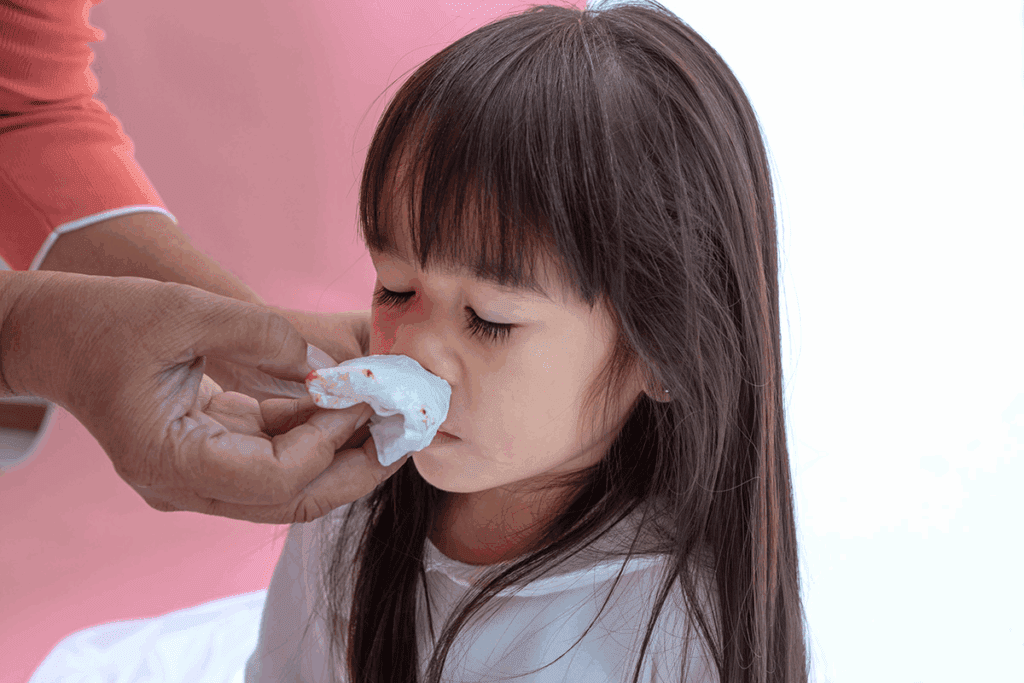
Blood in nasal mucus can be scary. It’s important to know why it happens. We’ll look at the anatomy and symptoms of this condition.
The Anatomy of Post Nasal Drainage
Postnasal drip happens when mucus from the nose drips down the throat. This mucus traps dust, bacteria, and more. Usually, we swallow it without noticing. But, too much or thick mucus can cause symptoms.
The nasal passages and sinuses have many small blood vessels. These can get irritated or injured. This can make blood appear in the mucus.
Common Symptoms and Warning Signs
Blood in post nasal drip can show up in different ways. It might be streaks or a lot of blood. Symptoms include coughing, sore throat, and hoarseness. These happen because the bloody mucus irritates the throat.
Other signs that might mean a serious problem include:
- Persistent or heavy bleeding
- Severe pain or pressure in the face or forehead
- Fever or chills
- Difficulty breathing
Spotting these symptoms early is key. It helps in getting the right medical care. We’ll look at what causes bloody post nasal drainage next.
Common Conditions Leading to Bloody Post Nasal Drainage

Bloody post nasal drainage can signal several health issues. We’ll look at common causes and their effects on your health.
Chronic Allergic Rhinitis
Chronic allergic rhinitis makes nasal passages inflamed due to allergies. This can cause more mucus and sometimes blood. Pollen, dust mites, and pet dander are common allergens.
When exposed to these, the body releases histamine. This makes blood vessels leak, swelling and bleeding can follow.
Acute and Chronic Sinusitis
Sinusitis, whether short-term or long-term, can also cause bloody nasal discharge. It’s caused by infection or allergies. The inflammation irritates the nasal passages, leading to bleeding.
In chronic cases, the constant inflammation can lead to more frequent bleeding.
Nasal Septum Issues and Polyps
Problems with the nasal septum, like deviation or perforation, can also cause bleeding. A deviated septum can cause uneven airflow, drying out the nasal passages. This leads to irritation and bleeding.
Nasal polyps, which are growths in the nasal passages, can block airflow. This increases the risk of bleeding.
Environmental and Lifestyle Triggers
Environmental and lifestyle factors also play a big role. Dry air, common in winter or dry climates, can dry out the nasal passages. This makes them more prone to bleeding.
Smoking and secondhand smoke can irritate the nasal lining, raising the risk of bleeding. Using nasal decongestants for too long can also cause rebound congestion. This further irritates the nasal passages.
Knowing about these conditions and their effects is key to managing bloody post nasal drainage. By identifying the cause, you can take steps to reduce symptoms and bleeding.
When to Seek Medical Attention for Blood in Post Nasal Drip
Blood in post nasal drip can be scary. It’s key to know when you need to see a doctor. Sometimes, a little blood is okay, but other times, it’s a sign of something serious.
Serious Warning Signs That Require Immediate Care
If you notice any of these, get help right away:
- Difficulty swallowing or breathing
- Severe headache or facial pain
- High fever that doesn’t go away or keeps coming back
- Recurring or persistent bloody mucus
- Nasal obstruction or a lot of nasal discharge
These signs might mean you have a serious problem like a sinus infection. Or it could be something with your nose or sinuses that needs a doctor’s help.
Risk Factors in Different Age Groups and Demographics
Some people are more at risk for problems with bloody post nasal drip. Knowing who is at risk can help you stay safe:
| Age Group/Demographic | Risk Factors | Precautions |
| Children | Foreign body insertion, allergies | Watch for objects in the nose, manage allergies |
| Older Adults | Anticoagulant use, hypertension | Check blood pressure often, review meds |
| Pregnant Women | Hormonal changes, increased blood volume | Drink plenty of water, use saline sprays |
Knowing when to get medical help for blood in post nasal drip is important. It’s about knowing the warning signs and who is at risk. By understanding this, you can protect your health.
“The presence of blood in post nasal drip should not be ignored, as it can be a sign of an underlying condition that needs medical attention.”
— Medical Expert, ENT Specialist
Remedy #1: Proper Nasal Irrigation for Blood Nasal Drip
Nasal irrigation with a saline solution is a top remedy for blood nasal drip. It clears out mucus and debris that might cause bleeding. Using a saline solution also moisturizes and reduces inflammation in the nasal passages.
Creating the Perfect Saline Solution
To start, we need to make a saline solution. We can do this at home with non-iodized salt and baking soda. Mix 3 teaspoons of salt and 1 teaspoon of baking soda in a clean container. Add 1 teaspoon of this mix to 8 ounces of warm, sterile or distilled water.
We can also buy a pre-mixed saline solution or a neti pot kit. If making our own, it’s key to follow good hygiene to avoid infections.
Step-by-Step Neti Pot and Sinus Rinse Techniques
Using a neti pot or sinus rinse kit needs some skill. First, fill the neti pot with our saline solution. Then, tilt our head and pour the solution into the upper nostril. It should flow out of the lower nostril.
It’s important to breathe through our mouth while doing this. We should not blow our nose right after. Make sure to rinse both sides to clear both nasal passages.
How Often to Irrigate and Safety Precautions
For blood nasal drip, we should irrigate 1-2 times a day. But if the bleeding doesn’t stop or is heavy, see a doctor.
Always use sterile or distilled water and clean the neti pot well after each use. Be gentle to avoid discomfort or irritation.
By following these steps, we can manage blood nasal drip and keep our nasal passages healthy.
Remedy #2: Humidification and Moisture Therapy
Humidification and moisture therapy can help with post nasal drip and bloody mucus. Dry air can make things worse. Keeping the air moist can soothe the nasal passages and cut down on blood in post nasal drainage.
Selecting and Using the Right Humidifier
It’s important to pick the right humidifier. There are cool mist, warm mist, and ultrasonic humidifiers. Cool mist humidifiers are safe and work well, great for families with kids and pets.
- Cool mist humidifiers are good for warm weather or if you like a cooler mist.
- Warm mist humidifiers are cozy in cold weather but need more care.
- Ultrasonic humidifiers are quiet and efficient, perfect for bedrooms.
Always follow the humidifier’s instructions and clean it well to avoid germs.
Effective Steam Inhalation Methods
Steam inhalation adds moisture to the nose. You can use a steam inhaler or a bowl of hot water. Adding eucalyptus oil to the water helps by loosening mucus.
- Boil water and let it cool a bit before inhaling the steam.
- Put a towel over your head to catch the steam.
- Breathe deeply through your nose to get the steam into your nasal passages.
Creating an Optimal Humidity Environment at Home
Keeping your home’s humidity right is key to avoiding dryness. The best humidity is between 30% and 50%. Use a hygrometer to check your home’s humidity.
| Room | Ideal Humidity Level |
| Bedroom | 30-40% |
| Living Room | 40-50% |
By using these humidification tips, you can lessen the discomfort of post nasal drip and bloody mucus. This can greatly improve your life quality.
Remedy #3: Anti-Inflammatory Diet and Hydration Strategies
Changing what we eat can help a lot with blood in postnasal drip. Eating foods that fight inflammation and staying hydrated can make symptoms better.
Nourishing Foods to Reduce Nasal Inflammation
Some foods are good at fighting inflammation in the nose. These include:
- Omega-3 Rich Foods: Salmon and sardines are full of omega-3s, which fight inflammation.
- Antioxidant-Rich Fruits and Vegetables: Berries and leafy greens are packed with antioxidants that fight stress and inflammation.
- Turmeric and Ginger: Both have strong anti-inflammatory effects that help reduce nasal swelling.
Effective Hydration Techniques
Drinking enough water is key to thinning mucus and preventing bloody post nasal drip. Here are some tips:
- Drink Plenty of Water: Aim for 8 glasses a day to keep mucus thin and easy to clear.
- Herbal Teas: Peppermint and ginger tea can soothe the nose and keep you hydrated.
- Humidify Your Environment: A humidifier adds moisture to the air, keeping the nose moist.
| Hydration Method | Benefits |
| Drinking Water | Thins out mucus, making it easier to expel |
| Herbal Teas | Soothes nasal passages, promotes hydration |
| Humidification | Prevents dryness in nasal passages, reduces irritation |
Beneficial Supplements and Herbal Remedies
Along with diet and hydration, some supplements and herbs can help manage blood post nasal drip.
- N-Acetyl Cysteine (NAC): NAC thins mucus and has antioxidant benefits.
- Elderberry: Elderberry boosts the immune system and fights inflammation.
- Eucalyptus Oil: Used in a diffuser or diluted on the skin, eucalyptus oil can clear nasal passages.
By adding these foods, drinks, and supplements to your routine, you can cut down on blood in postnasal drip. This will also improve your nasal health.
Remedy #4: Essential Oils and Natural Decongestants
We’re looking for ways to stop nasal drip with blood. Essential oils might help because they can reduce swelling and fight inflammation. This could ease symptoms of blood nasal drip and post nasal drip with blood clots.
Safe Application Methods for Nasal Health
Using essential oils for your nose needs care to avoid irritation. Dilution is key. Mix essential oils with a carrier oil before applying to skin or using in a diffuser. A good mix is 1-3% essential oil to carrier oil.
For your nose, use a nasal inhaler or a few drops on a handkerchief. Make sure the essential oil is pure and of high quality.
Most Effective Essential Oils for Nasal Bleeding
Some essential oils might help with nasal congestion and swelling. These include:
- Eucalyptus oil: Known for its decongestant properties.
- Peppermint oil: Can help ease nasal congestion.
- Tea tree oil: Offers antimicrobial properties that may help prevent infection.
You can use these oils alone or together for better results.
Important Precautions and Possible Side Effects
Essential oils can be helpful but also risky. Potential side effects include skin irritation, allergic reactions, and breathing problems if not used right.
To avoid problems, do a patch test before trying a new essential oil. Also, talk to a healthcare professional before using them, if you have health issues or are pregnant.
Remedy #5: Lifestyle Modifications to Prevent Bloody Post Nasal Drip
Making lifestyle changes is key to managing bloody post nasal drip. Simple daily habits and environmental adjustments can greatly reduce this condition.
Optimal Sleep Positions and Bedroom Adjustments
Changing how we sleep and our bedroom setup can help with post nasal drip. Sleeping with your head elevated helps by keeping mucus from building up in your nose. Also, keeping your bedroom clean and dust-free is important. Wash your bedding often and use a HEPA air purifier to cut down on allergens.
Stress Management Techniques for Nasal Health
Stress can make nasal problems worse, including post nasal drip. Using stress-reducing techniques like meditation, yoga, or deep breathing can help. Regular exercise also helps lower stress and improve nasal health.
- Meditation and mindfulness practices
- Yoga and tai chi exercises
- Deep breathing techniques
Comprehensive Allergen Control Strategies
It’s important to control allergen exposure to prevent bloody post nasal drip. This means identifying and avoiding specific allergens that cause nasal problems. Using allergen-proof bedding and cleaning surfaces often can help avoid dust mites and pet dander.
- Identify and avoid specific allergens
- Use allergen-proof bedding
- Regularly clean surfaces and floors
By making these lifestyle changes, people can lower the chance of bloody post nasal drip and boost their nasal health.
Medical Treatments When Home Remedies Aren’t Enough
Medical treatments offer solutions for blood in post nasal drainage beyond home remedies. When home treatments don’t work, doctors may suggest more steps to find the cause.
Prescription Medications for Chronic Cases
For long-term post nasal drip with blood in the mucus, doctors can prescribe medicines. These include:
- Antibiotics for bacterial infections
- Nasal corticosteroids to lower swelling
- Antihistamines for allergies
- Decongestants for stuffy noses
These medicines are for when home remedies don’t help enough. They’re for when the problem really affects your daily life.
Surgical Interventions for Structural Issues
When blood post nasal drip is due to structural problems, surgery might be needed. Some surgeries include:
- Septoplasty for a straight septum
- Turbinate reduction for less nasal blockage
- Endoscopic sinus surgery for polyps or sinusitis
These surgeries aim to fix nasal problems and stop bloody discharge.
Emerging Therapies and Clinical Trials
Research on blood in post nasal drainage is always going on. New treatments are being tested. Some promising areas include:
- Biologic treatments for inflammation
- Advanced nasal irrigation systems
- New anti-inflammatory medicines
Joining clinical trials can give patients new treatments before they’re widely available.
It’s key for patients to talk closely with their doctors. This helps find the best treatment for their situation.
Prevention Strategies for Recurring Blood in Post Nasal Drainage
To stop blood in post nasal drainage, we need a few steps. These steps include daily habits, adjusting to the seasons, and long-term plans. By following these tips, we can cut down on blood nasal drip and keep our noses healthy.
Daily Habits That Protect Nasal Passages
It’s important to protect our nasal passages every day. Here are some ways to do it:
- Nasal Irrigation: Rinsing your nose with a saline solution removes irritants and keeps it moist.
- Humidification: Keeping the air moist, mainly in dry seasons, stops the nasal passages from drying out.
- Avoiding Irritants: Stay away from smoke, strong smells, and pollutants to avoid irritation.
Seasonal Adjustments to Prevent Flare-ups
Seasonal changes can make blood in post nasal drainage worse. Here’s how to adjust:
- Monitor Pollen Counts: Watch pollen counts and stay inside when they’re high to avoid allergies.
- Adjust Humidifier Settings: Use your humidifier more in dry months to keep your nose moist.
- Allergy Prevention: Use allergy-proof bedding and think about allergy shots if allergies bother you a lot.
Long-term Management for Chronic Conditions
If you have a chronic condition causing blood in post nasal drainage, managing it long-term is essential. Here’s how:
- Chronic Sinusitis Management: Work with your doctor to manage chronic sinusitis through medicine, lifestyle changes, and surgery if needed.
- Nasal Polyp Treatment: Treat nasal polyps with medicine or surgery to help with drainage and prevent bleeding.
- Ongoing Monitoring: See your doctor regularly to check on your condition and adjust your treatment plan if needed.
By following these prevention tips every day, we can lower the chance of blood in post nasal drainage. This improves our quality of life.
Conclusion
Understanding and managing blood nasal drip is key to good nasal health. We’ve looked at causes like chronic allergic rhinitis and sinusitis. We’ve also talked about how environmental factors can play a role.
Remedies like nasal irrigation and humidifiers can help. Eating anti-inflammatory foods and using essential oils can also offer relief. These steps can help with blood nasal drip.
Preventing blood nasal drip is important too. Making lifestyle changes and sleeping right can help. If these steps don’t work, medical treatments might be needed.
By taking a full approach to nasal health, we can lower the risk of problems. This includes getting medical help when needed and staying proactive about our nasal health.
By doing this, we can manage and prevent blood nasal drip. This ensures we stay healthy and well.
FAQ
What is post nasal drip with blood clots?
Post nasal drip with blood clots means blood in the mucus that drips down your throat. It can happen due to dry air, allergies, or nasal irritation.
Is bloody post nasal drip a sign of a serious condition?
Bloody post nasal drip can be minor or serious. It might mean a sinus infection, nasal polyps, or a bleeding disorder. If the bleeding doesn’t stop, see a doctor.
How can I stop blood in post nasal drip?
To stop blood in post nasal drip, try saline nasal sprays, humidifiers, or steam inhalation. Avoid irritants and eat healthy to help symptoms.
Can nasal irrigation help with blood nasal drip?
Yes, nasal irrigation with saline can moisturize your nasal passages. It reduces inflammation and removes debris that causes bloody post nasal drip.
Are there any dietary changes that can help manage blood nasal drip?
Yes, eating anti-inflammatory foods and staying hydrated can help. Omega-3 rich foods can reduce nasal inflammation and symptoms.
Can essential oils be used to manage blood nasal drip?
Certain essential oils, like eucalyptus and peppermint, can help with congestion and inflammation. But use them safely and in moderation to avoid irritation.
When should I seek medical attention for blood in post nasal drip?
Seek medical help for heavy or persistent bleeding, breathing trouble, or other concerning symptoms. Also, if you have nasal or sinus problems or are on medications that may cause bleeding, talk to your doctor.
Can blood in postnasal drip be a symptom of an underlying condition?
Yes, blood in postnasal drip can signal allergies, sinusitis, or nasal septum deviation. If symptoms persist, see your healthcare provider to check for underlying conditions.
How can I prevent bloody post nasal drip?
Prevent bloody post nasal drip by living a healthy lifestyle. Eat well, exercise, and manage stress. Avoid irritants, use humidifiers, and practice good nasal hygiene.
What are the risk factors for blood in post nasal drainage?
Risk factors include dry air, allergies, sinus infections, nasal trauma, and certain medications. Age, health, and environment also play a role in bloody post nasal drip.
References
National Center for Biotechnology Information. (2025). How to Stop Blood in Post Nasal Drip. Retrieved from https://pubmed.ncbi.nlm.nih.gov/17888198/