
Spotting the first symptoms of blood disorders can save lives. This is true for rare conditions that are often missed. Signs like unexplained tiredness, lots of bruises, and odd bleeding can hint at these issues.
Liv Hospital is unique because it focuses on patients with these hard-to-find conditions. Knowing the key symptoms is key to catching these problems early and treating them right.
Key Takeaways
- Spotting blood disorder symptoms early is vital for good treatment.
- Liv Hospital offers special care for rare blood disorders.
- Common signs include feeling very tired and getting lots of bruises.
- Rare blood disorders need care plans that focus on the patient.
- Getting a diagnosis quickly can greatly improve treatment results.
Understanding Blood Disorders and Their Impact

Blood disorders can greatly affect our health. It’s important to know their symptoms and effects. Blood helps keep our body balanced, and problems with it can cause health issues.
The Function of Healthy Blood
Healthy blood is key for our body’s needs. It carries oxygen, fights infections, and stops bleeding. It has red blood cells, white blood cells, and platelets, each with special jobs.
Red blood cells carry oxygen. White blood cells help fight off infections. Platelets help blood clot to stop bleeding.
How Blood Disorders Affect Overall Health
Blood disorders can make it hard for our body to work right. For example, anemia, a red blood cell disorder, can cause fatigue and weakness. This is because our body doesn’t get enough oxygen.
Disorders affecting white blood cells can weaken our immune system. This makes us more likely to get sick. Problems with platelets can cause too much bleeding or clotting, which is dangerous.
Symptoms of rare blood disorders include bone pain, dark urine, abnormal blood counts, or neurological changes. Knowing these symptoms helps us catch problems early. This can lead to better treatment and a better life.
12 Key Blood Problem Symptoms to Never Ignore
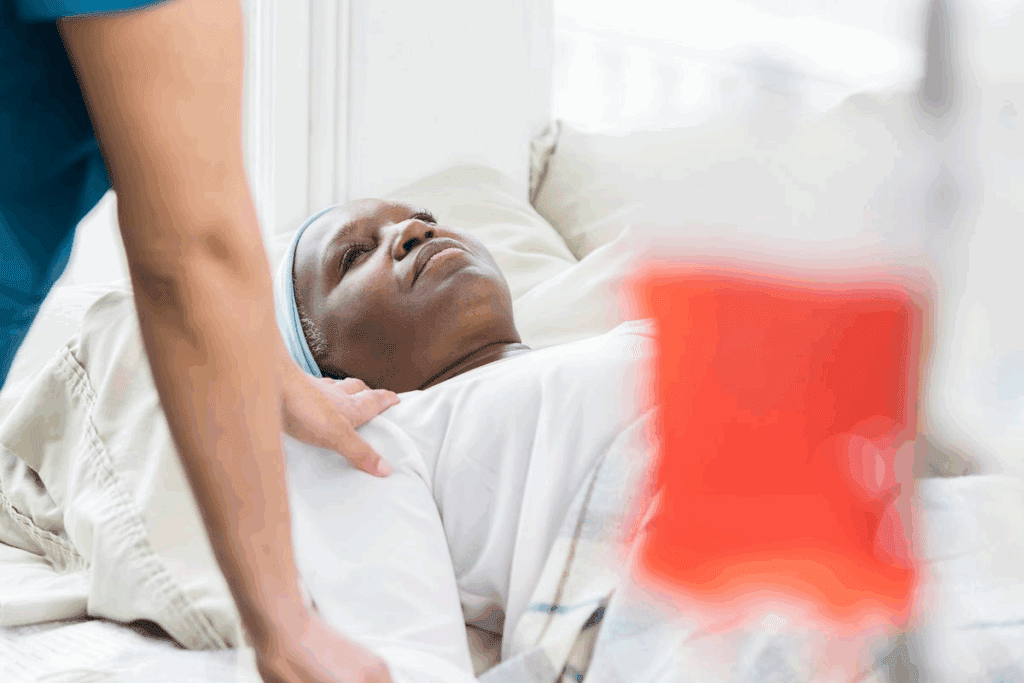
Blood problem symptoms can be subtle, but there are 12 key indicators that should never be ignored. These symptoms can be early clues to both common and rare blood disorders. It’s essential to be aware of the warning signs. Recognizing these symptoms early on can significantly impact the effectiveness of treatment and overall health outcomes.
Unexplained Fatigue and Weakness
Unexplained fatigue and weakness are among the most common blood problem symptoms. These symptoms occur when the body is not producing enough healthy red blood cells. This leads to a decrease in oxygen delivery to tissues and organs. This condition, known as anemia, can result from various underlying causes, including iron deficiency, vitamin deficiency, or chronic diseases.
Frequent or Unusual Bruising
Frequent or unusual bruising can be a sign of a blood disorder affecting platelet count or function. When the platelet count is low (thrombocytopenia), the body’s ability to form clots is impaired. This leads to easy bruising and bleeding. On the other hand, some disorders can cause an abnormal increase in platelet count (thrombocytosis), which can also lead to bruising due to platelet dysfunction.
Abnormal Bleeding Episodes
Abnormal bleeding episodes, such as prolonged bleeding after cuts, nosebleeds, or heavy menstrual periods, can indicate underlying blood disorders. These disorders may affect the blood’s clotting ability. Making it difficult for the body to stop bleeding. Conditions such as hemophilia or von Willebrand disease are examples of bleeding disorders that can cause these symptoms.
Persistent Infections
Persistent infections can be a sign of a blood disorder affecting the immune system, such as a condition that impacts white blood cell production or function. When the body’s immune response is compromised, it becomes more challenging to fight off infections. This leads to recurrent or persistent infections.
| Symptom | Possible Underlying Condition |
| Unexplained Fatigue and Weakness | Anemia, Chronic Disease |
| Frequent or Unusual Bruising | Thrombocytopenia, Thrombocytosis |
| Abnormal Bleeding Episodes | Hemophilia, von Willebrand Disease |
| Persistent Infections | Immune System Disorders |
Additional Warning Signs in Adults
There are more signs in adults that need attention. Beyond the 12 key symptoms, other signs can point to blood disorders. If you have symptoms like shortness of breath, night sweats, or changes in your brain, see a doctor.
Shortness of Breath and Rapid Heartbeat
Feeling short of breath and having a fast heartbeat can mean you have anemia or another blood disorder. These symptoms can really affect your daily life. If they keep happening, you should talk to a doctor. Anemia makes your heart work harder, which can cause a fast heartbeat.
- Shortness of breath during routine activities
- Rapid heartbeat or palpitations
- Dizziness or lightheadedness
Night Sweats and Fever
Night sweats and fever are signs that shouldn’t be ignored. They can mean you have an infection or cancer in your blood. Recurring night sweats are a big warning sign that you need to see a doctor.
- Unexplained fevers
- Recurring night sweats
- Weight loss
Headaches and Neurological Changes
Headaches and changes in your brain can also be signs of blood disorders. Leukemia or lymphoma can cause these problems because of cancer cells in your brain.
Enlarged Spleen or Lymph Nodes
An enlarged spleen or lymph nodes can mean you have a blood disorder. The spleen helps clean your blood, and swelling can mean you have lymphoma or leukemia.
- Abdominal discomfort due to an enlarged spleen
- Swollen lymph nodes in the neck, armpits, or groin
- Fatigue and weakness
Knowing these signs can help adults get medical help early. This can lead to finding and treating blood disorders sooner.
Understanding Rare Blood Disorders: Prevalence and Impact
It’s key to grasp the scope of rare blood diseases to craft better healthcare plans. These disorders, though rare individually, impact many worldwide. They deeply affect the lives of those who have them and their families.
Statistical Overview of Rare Blood Diseases
Rare blood diseases are rare in the general population. About 7 in 100,000 people have one. This rarity makes diagnosing and treating them tough.
Because they’re rare, these diseases often get overlooked in health talks. But, awareness is growing. Healthcare pros and patient groups are working to raise their profile.
Quality of Life Considerations
Rare blood disorders can really change someone’s life. Symptoms can be mild or severe, like fatigue and bleeding. They affect daily life, impacting not just the person but also their family and caregivers.
Key aspects affected by rare blood disorders include:
- Physical health and well-being
- Emotional and psychological state
- Social interactions and relationships
- Ability to work or attend school
It’s vital to understand these impacts for better care and support. By recognizing the challenges, healthcare can offer more effective treatments. This improves life for those with rare blood diseases.
Finding a diagnosis and treatment can be hard. It involves many specialists and tests. Raising awareness helps get to diagnosis and management sooner.
Genetic Factors in Rare Blood Disorders
It’s key to know the genetic roots of rare blood disorders for early treatment. These disorders come from changes in the genetic code. This leads to problems with blood cell production or function. These changes can be passed down or happen on their own.
Hereditary Components
Many rare blood disorders run in families. Families with a history of such disorders often see it in many generations. Hemophilia and sickle cell disease are examples where family history matters a lot.
Spontaneous Genetic Mutations
Not all rare blood disorders come from family history. Some are caused by random genetic changes. These changes can be in one or more genes and might be affected by the environment. Advanced genetic testing can find these changes, helping doctors diagnose and treat.
Family History Considerations
Family history is very important when looking at the risk of rare genetic blood disorders. People with a family history should talk to their doctor about it. Genetic counseling can offer important advice and support to families dealing with these disorders.
The genetics of rare blood disorders are complex. Key points include:
- Identifying genetic mutations through advanced testing
- Looking at family history to understand risk
- Genetic counseling for families affected
In summary, genetics play a big role in rare blood disorders. Knowing about these genetics can help in diagnosing, managing, and supporting those affected and their families.
Distinctive Symptoms of Rare Blood Disorders
It’s key to spot the signs of rare blood disorders early. These disorders show unique symptoms that can really affect a person’s life.
Bone Pain and Joint Issues
Bone pain and joint problems are common in rare blood disorders. These can come from bone marrow changes, causing pain and making it hard to move. Conditions like Gaucher disease can lead to bone pain because of glucocerebroside buildup in the bone marrow.
Dark Urine and Kidney Complications
Dark urine might mean kidney trouble in some rare blood disorders. For example, Paroxysmal Nocturnal Hemoglobinuria (PNH) can cause dark urine. This is because of hemoglobin in the urine. Kidney damage can happen from long-term hemolysis and hemoglobinuria.
Abnormal Blood Count Patterns
Many rare blood disorders show up in blood tests. You might see anemia, low platelets, or low white blood cells. Regular blood tests help track these and adjust treatment as needed.
Neurological Manifestations
Some rare blood disorders affect the brain and nerves. This can cause nerve damage or problems with thinking. Early detection and management of these issues are key to avoiding lasting harm.
In summary, knowing the signs of rare blood disorders is vital for early treatment. Healthcare teams can then provide better care by understanding these symptoms.
Very Rare Blood Disorders and Their Unique Presentations
It’s important to know how rare blood disorders show up. About 7 in 100,000 people have these rare diseases. Conditions like paroxysmal nocturnal hemoglobinuria, Gaucher disease, and Castleman disease are examples.
Paroxysmal Nocturnal Hemoglobinuria
Paroxysmal nocturnal hemoglobinuria (PNH) is a rare and serious blood disease. It causes red blood cells to break down, bone marrow failure, and blood clots. PNH is caused by a mutation in the PIGA gene, making blood cells vulnerable to destruction.
Symptoms of PNH include fatigue, shortness of breath, and abdominal pain from blood clots. Doctors use flow cytometry to diagnose PNH by checking for missing proteins on blood cells.
Gaucher Disease
Gaucher disease is a genetic disorder caused by a lack of the enzyme glucocerebrosidase. This leads to an accumulation of glucocerebroside in cells. The disease affects the spleen, liver, and bones, causing an enlarged spleen, anemia, and bone pain.
There are several types of Gaucher disease, with Type 1 being the most common. It doesn’t affect the brain, unlike Types 2 and 3. Doctors diagnose it through genetic testing and enzyme activity tests.
Castleman Disease
Castleman disease is a rare disorder with an overgrowth of cells in lymph nodes. It can be localized (unicentric) or widespread (multicentric). Symptoms include fever, weight loss, and fatigue, with swollen lymph nodes.
The cause of Castleman disease is not fully known, but it’s linked to immune system issues. Some cases are tied to HIV or human herpesvirus 8 (HHV-8). Treatment varies based on the type and can include surgery or systemic therapies.
The Diagnostic Journey for Blood Problem Symptoms
Blood problem symptoms can hint at common or rare blood disorders. A detailed diagnostic process is needed. This includes initial blood tests, advanced techniques, and help from hematology specialists.
Initial Blood Tests and Screenings
The first step is usually blood tests and screenings. These tests check for any oddities in blood cell counts and shapes. They help spot signs of blood disorders.
- Complete Blood Count (CBC): Looks at the levels of red, white blood cells, and platelets.
- Blood Smear: Checks the shape of blood cells for any oddities.
- Coagulation Tests: Sees if blood can clot right.
Advanced Diagnostic Techniques
When initial tests show something’s off, more detailed tests follow. These include:
- Flow Cytometry: Studies blood cells to find specific types.
- Molecular Testing: Finds genetic changes linked to blood disorders.
- Bone Marrow Biopsy: Looks at bone marrow cells for any issues.
Working With Hematology Specialists
Getting help from hematology specialists is key. They know how to read test results and find the right treatment. This team approach helps plan care that fits each patient’s needs.
With the help of these experts, patients get care that really works. This improves their health and life quality.
Treatment Approaches for Rare Blood Disorders
Rare blood disorders need special treatments because they are complex. The right treatment depends on the condition, how severe it is, and the person’s health.
Medication Options
Medicines are key in managing symptoms of rare blood disorders. For example, anticoagulant medications stop blood clots. Immunosuppressive drugs help by reducing the immune system’s attack on the body.
Transfusion Therapies
Transfusion therapies add blood components to replace or supplement the patient’s blood cells. This is very helpful for sickle cell disease and thalassemia. It helps with anemia and lowers the risk of complications.
Stem Cell and Bone Marrow Transplantation
Stem cell and bone marrow transplants can cure some rare blood disorders. These procedures replace the patient’s diseased cells or marrow with healthy ones. This can be from the patient themselves or a donor.
Emerging Treatments and Clinical Trials
New treatments for rare blood disorders are being developed. Gene therapy and other innovative methods are being tested in clinical trials. These new treatments could greatly improve life for those with these conditions.
In summary, treating rare blood disorders is complex and needs a detailed, personalized plan. Understanding the different treatments helps healthcare providers and patients work together to find the best ways to manage these conditions.
Conclusion: The Importance of Early Detection and Intervention
Early detection is key to managing blood disorders well. Spotting symptoms early means quicker diagnosis and better treatment. Knowing signs like unexplained fatigue, frequent bruising, and abnormal bleeding is important.
These signs should prompt you to see a doctor if they don’t go away or get worse. This way, you can get the right care fast.
Early action is vital. Studies show it greatly improves life for those with blood disorders. Getting medical help quickly can ease symptoms, stop complications, and make life better.
In short, watching for symptoms and acting early is essential. It’s the first step to getting the right treatment and better health.
FAQ
What are the common symptoms of rare blood disorders?
Symptoms include unexplained fatigue and frequent bruising. You might also notice abnormal bleeding and persistent infections. Shortness of breath, rapid heartbeat, and night sweats are other signs. Fever, headaches, and neurological changes can also occur.
How do blood disorders affect overall health?
Blood disorders can harm your health in many ways. They affect oxygen transport, infection fighting, and blood clotting. This can lead to anemia, infections, and bleeding issues.
What are the distinctive symptoms of rare blood disorders?
Rare blood disorders have unique symptoms. These include bone pain and joint issues. Dark urine and kidney problems are also signs. Abnormal blood counts and neurological symptoms can help identify these disorders.
How are rare blood disorders diagnosed?
Diagnosing rare blood disorders is a detailed process. It starts with blood tests and screenings. Then, advanced tests and specialist help are needed. Working with hematology experts is key for accurate diagnosis and treatment.
What are the treatment approaches for rare blood disorders?
Treatments vary based on the disorder and its severity. Options include medications, transfusions, and stem cell transplants. New treatments and clinical trials are also available.
What is the importance of family history in rare blood disorders?
Family history is very important. It helps understand genetic factors in rare blood disorders. Many cases are hereditary, and genetic mutations can also play a role.
What are some examples of very rare blood disorders?
Paroxysmal nocturnal hemoglobinuria, Gaucher disease, and Castleman disease are examples. These conditions have unique symptoms and need specialized care.
How can I identify signs of blood disorders?
Knowing symptoms like unexplained fatigue and frequent bruising is key. If you notice these signs, seek medical help right away.
What is the role of hematology specialists in diagnosing blood disorders?
Hematology specialists are vital in diagnosing and managing blood disorders. They help interpret test results and develop treatment plans.
Can rare blood disorders be treated effectively?
Yes, with the right diagnosis and treatment, many rare blood disorders can be managed. Treatment options vary based on the condition and individual health.
How can I manage symptoms of blood disease?
Managing symptoms requires a treatment plan from healthcare professionals. This may include medication, lifestyle changes, and ongoing monitoring.
What are the symptoms of blood disorders in adults?
Adults with blood disorders may experience shortness of breath and rapid heartbeat. Night sweats, fever, and headaches are also symptoms. Enlarged spleen or lymph nodes can also indicate blood disorders.
References
- Blackburn, S. C., Oliart, A. D., García Rodríguez, L. A., & Pérez Gutthann, S. (1998). Antiepileptics and blood dyscrasias: a cohort study. Pharmacotherapy, 18(6), 1277-1283. Retrieved from https://pubmed.ncbi.nlm.nih.gov/9855327/



 Departments
 Related Videos
 Our Doctors
 News
News