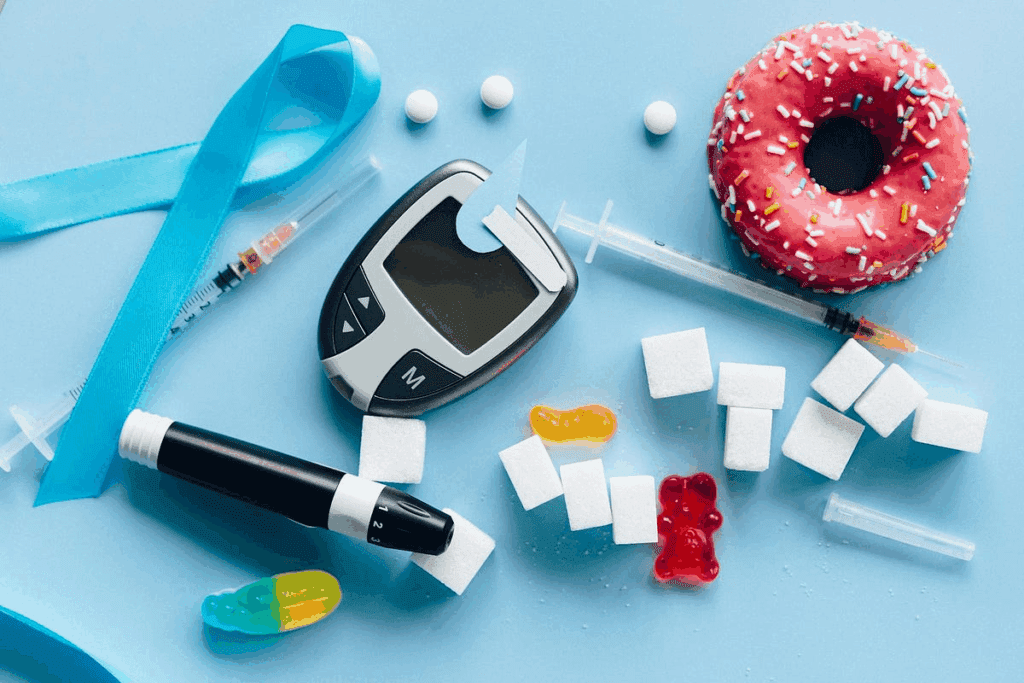
Effective diabetes monitoring is key to managing the condition and avoiding serious problems. It’s important to check your blood glucose levels often to keep them in check. Use this keyblood sugar after meal chart to monitor your glucose levels effectively. Understand the target range for optimal diabetes management.
At Liv Hospital, we know how vital personalized, evidence-based diabetes monitoring is. We use the latest technology and expert advice. High blood sugar levels can harm your heart, kidneys, and eyes badly over time.
By learning how to check diabetic levels correctly, you can take charge of your health. Our guide will teach you the basics of diabetes monitoring. This includes using glucose meters and continuous glucose monitoring systems.
Key Takeaways
- Regular diabetes monitoring helps maintain optimal control and prevent complications.
- High blood sugar levels can cause damage to vital organs.
- Personalized, evidence-based diabetes monitoring is key for effective management.
- Learning how to check diabetic levels accurately is essential for informed decision-making.
- Our guide covers the basics of diabetes monitoring, including glucose meters and continuous glucose monitoring systems.
Understanding Blood Glucose Monitoring Basics
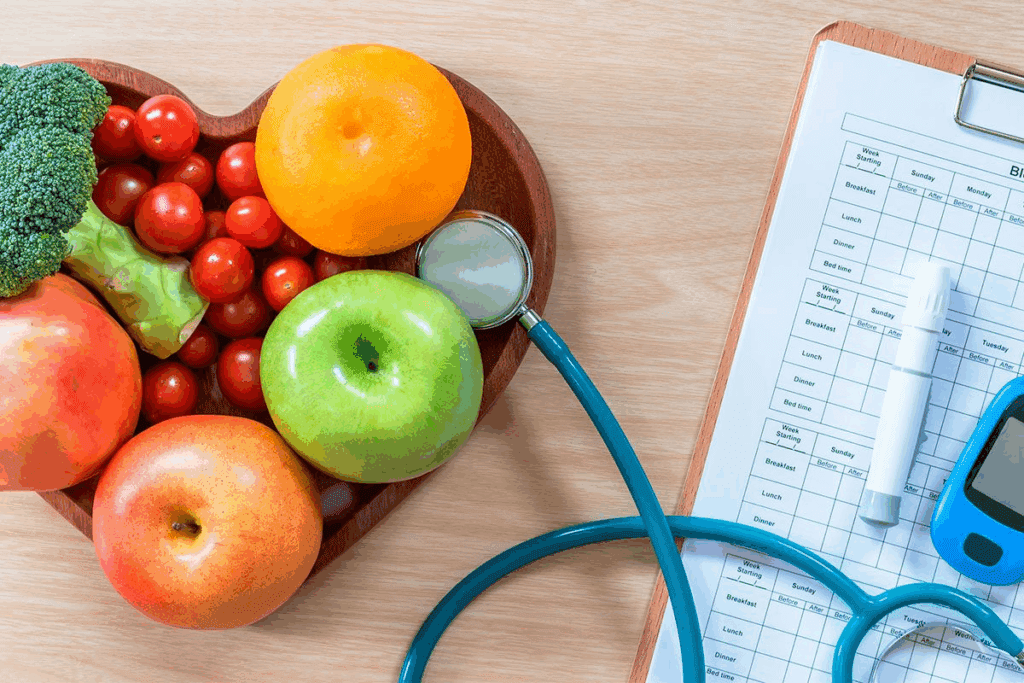
To manage diabetes well, knowing how to check blood glucose is key. This process helps people track their blood sugar levels. It lets them make smart choices about their treatment.
What is Blood Glucose Monitoring?
Blood glucose monitoring checks the glucose in your blood. You use a blood glucose meter for this. It needs a small blood sample from a finger prick.
This test shows your blood glucose level right away. It helps you see how diet, exercise, and medicine affect your blood sugar.
Key aspects of blood glucose monitoring include:
- Understanding the importance of target glucose ranges
- Knowing how to use a blood glucose meter correctly
- Identifying factors that influence blood glucose levels
Why Regular Monitoring Matters
Checking your blood sugar often is key to good diabetes care. It lets you spot patterns and trends. You can then adjust your treatment plan to avoid complications.
The American Diabetes Association (ADA) suggests keeping premeal glucose between 80-130 mg/dL. Postprandial glucose should be under 180 mg/dL two hours after eating.
Benefit | Description |
Improved glycemic control | Regular monitoring helps maintain blood glucose levels within target ranges. |
Early detection of hypo/hyperglycemia | Timely identification of low or high blood sugar levels allows for prompt intervention. |
Data-driven treatment decisions | Monitoring data informs adjustments to diet, exercise, and medication. |
By understanding and using blood glucose monitoring well, people with diabetes can manage their condition better. This reduces the risk of complications and improves their life quality.
Essential Blood Sugar Target Ranges
Managing diabetes well means knowing and hitting the right blood sugar targets. The American Diabetes Association (ADA) sets guidelines for these targets. They help people with diabetes keep their blood sugar levels in check.
ADA Recommended Fasting and Premeal Targets
The ADA says people with diabetes should aim for certain blood sugar levels before meals. They suggest a range of preprandial glucose (glucose before meals) between 80 and 130 mg/dL. Staying in this range is key to good blood sugar control.
Here are some tips to help:
- Check your blood sugar often to see your patterns.
- Change your diet and meds as needed to hit your targets.
- Talk to your doctor to make your targets personal.
Blood Sugar After Meal Chart and Targets
After meals, blood sugar levels are also important. The ADA says they should be less than 180 mg/dL. Keeping them low helps avoid high blood sugar and its problems.
Here’s what a blood sugar after meal chart might look like:
Time | Target Glucose Level |
Fasting | 80-130 mg/dL |
1-2 hours after meals | <180 mg/dL |
A1C Goals for Long-Term Control
The A1C test shows how well you’ve controlled your blood sugar over time. The ADA wants an A1C goal of 7.0% or lower for most people with diabetes. This helps prevent serious diabetes problems.
To reach your A1C goal, try these:
- Check your blood sugar and A1C regularly.
- Work with your healthcare team to adjust your plan as needed.
- Keep a steady diet and exercise routine.
By aiming for these blood sugar targets, people with diabetes can manage their condition better. This improves their life quality.
Necessary Equipment for Blood Sugar Testing
To manage diabetes well, having the right tools for blood sugar testing is key. Self-monitoring of blood glucose (SMBG) helps patients spot low blood sugar, adjust their meds, and track their glucose levels. You’ll need a glucose meter, test strips, and a lancing device to check your blood sugar at home or on the go.
Blood Glucose Meters: Types and Features
Blood glucose meters are essential for SMBG. They come with different features like memory, meal flagging, and data download to computers or phones. Some meters even have cool features like automatic logbooks and work with continuous glucose monitoring systems.
Test Strips and Lancets
Test strips are vital for blood glucose monitoring. They fit into the meter and touch your blood. It’s important to use the right test strips for your meter to get accurate results. Lancets, used in lancing devices, are needed to get a blood sample. They come in various sizes for comfort and ease.
Alternative Testing Supplies
If you’re looking for something different from traditional fingerstick testing, there are options. Continuous glucose monitoring systems (CGMS) and flash glucose monitoring systems let you track glucose levels all day without frequent fingersticks. These systems use a sensor under the skin to measure glucose.
Feature | Traditional Glucose Meter | Continuous Glucose Monitoring System (CGMS) | Flash Glucose Monitoring System |
Method of Use | Fingerstick blood sample | Sensor inserted under the skin | Sensor inserted under the skin |
Frequency of Readings | Manual, as needed | Automatic, every few minutes | On-demand, via scanner |
Data Management | Data stored in meter memory | Data can be downloaded to a receiver or smartphone | Data can be viewed on a reader or smartphone |
Calibration | Requires calibration with blood glucose reading | May require calibration with fingerstick reading | Factory-calibrated, no fingerstick calibration needed |
Having the right tools for blood sugar testing is key to managing diabetes. Knowing about different glucose meters, test strips, lancets, and alternative supplies helps you make better choices for your care.
Step-by-Step Guide to Checking Blood Sugar with a Meter
Using a blood glucose meter is easy and helps you track your blood sugar at home. It’s important to check your levels often. This way, you can see how different things like food and exercise affect your blood sugar.
By following simple steps, you can get accurate readings. This helps you manage your diabetes better.
Preparing Your Testing Area
First, make sure your testing area is clean and organized. You’ll need your glucose meter, test strips, lancets, and something to record your readings. Make sure your meter is clean and free of debris.
Proper Hand Washing Technique
Wash your hands well with soap and water for at least 20 seconds. This step is key to avoid infection and get a clean blood sample. Dry your hands completely, focusing on the area you’ll prick.
Obtaining a Blood Sample
To get a blood sample, prick the side of your fingertip with a lancet. Use the sides of your fingertips as they are less sensitive. Squeeze your finger until a small drop of blood forms.
If getting enough blood is hard, you might need to adjust your lancing device or warm your hands first.
Applying Blood to the Test Strip
Touch the edge of the test strip to the blood drop. The meter will draw in the blood it needs. Hold the test strip until the meter beeps or shows it has enough blood.
Avoid smearing or applying too much pressure. This can make your reading less accurate.
By following these steps, you can accurately check your blood sugar levels. Regular monitoring and proper technique help you manage your diabetes better. This way, you can make informed decisions about your care.
Key Steps to Remember:
- Prepare a clean testing area
- Wash hands properly
- Obtain a blood sample from the side of your fingertip
- Apply blood to the test strip correctly
It’s important to know how to check your diabetic blood sugar levels. By using a blood glucose meter correctly and regularly, you can track your progress. This helps you make the right changes to your treatment plan.
Common Blood Glucose Meter Errors and Troubleshooting
Knowing how to avoid mistakes with blood glucose meters is key to better diabetes care. Getting accurate readings is vital for making smart choices about your treatment.
Insufficient Blood Sample Issues
One big mistake is not getting enough blood on the test strip. This can cause wrong readings. Make sure your lancet is set right and you’re getting enough blood.
Tips for getting an adequate blood sample:
- Use a lancet with the correct depth setting for your skin type.
- Ensure your hands are warm to increase blood flow.
- Gently massage your finger before lancing to help stimulate blood flow.
Calibration and Coding Problems
Many glucose meters need coding or calibration for accurate readings. Not doing this can lead to wrong results. Always follow the maker’s guide for coding, and check if your meter needs calibration.
“Calibration ensures that your meter is accurately measuring your blood glucose levels.”
The American Diabetes Association says, “Proper calibration and maintenance of your glucose meter are key for accurate readings.”
“Using a control solution to check your meter’s accuracy can help identify any issues with your testing technique or the meter itself.”
When to Replace Your Meter
Knowing when to get a new blood glucose meter is important for keeping your monitoring accurate. If your meter is old or not working right, it’s time for a new one.
Signs it’s time to replace your meter:
- The meter is no longer supported by the manufacturer.
- You experience frequent errors or inconsistent readings.
- The meter’s technology is outdated compared to newer models.
Newer meters often have better accuracy, more features, and work better with other diabetes tools.
By understanding and fixing common blood glucose meter errors, you can get more accurate readings and manage your diabetes better.
Continuous Glucose Monitoring (CGM) Systems
Continuous Glucose Monitoring (CGM) is a new tech that lets people with diabetes watch their glucose levels in real-time. It gives them a detailed look at their glucose trends. This helps them make better choices about managing their diabetes.
How CGM Devices Work
CGM devices have a small sensor under the skin that checks glucose in the fluid around cells. This sensor is placed on the belly or arm and is easy to use. It sends glucose data every few minutes, showing glucose trends all day and night.
CGM systems are great because they show real-time data. This lets users see how diet, exercise, and meds affect their glucose. This info is super helpful for managing diabetes.
Setting Up and Using a CGM System
Setting up a CGM system takes a few steps. First, you insert the sensor, then calibrate the device. You also set up alerts for high or low glucose. It’s important to know how to take care of the sensor and replace it when needed.
To use a CGM system well, you need to know about calibration and how to read the data. You’ll often need to match the CGM data with fingerstick readings to keep it accurate.
Interpreting CGM Data and Trends
Understanding CGM data means knowing about glucose trends and patterns. It’s about spotting highs and lows, seeing how things like food and exercise affect glucose, and adjusting treatment plans based on this info.
CGM data can also help figure out Time in Range (TIR). TIR shows how much time is spent in a good glucose range. This is a key way to check if diabetes management is working.
By using CGM systems, people with diabetes can manage their condition better. This can lead to better glucose control and health overall.
When and How Often to Check Your Blood Sugar
How often you check your blood sugar depends on your diabetes type and treatment plan. Effective monitoring is key to managing diabetes. It helps spot patterns, highs, and lows, and guides treatment choices.
Recommended Testing Schedules for Type 1 Diabetes
People with Type 1 Diabetes need to check their blood sugar often because they use insulin. Test before meals and snacks, two hours after starting a meal, at bedtime, before exercise, when you think your sugar is low, and after treating a low. The American Diabetes Association says this helps keep your sugar levels in check.
Recommended Testing Schedules for Type 2 Diabetes
If you have Type 2 Diabetes, how often you test can change based on your treatment. If you’re on insulin, you might test as often as those with Type 1. If you manage your diabetes with diet, exercise, or pills, you might test less. But, it’s important to test regularly, like when you start new treatments or get sick.
Special Situations Requiring Additional Testing
Some situations need more frequent blood sugar checks. Being sick can raise your blood sugar. Also, traveling, starting new meds, or changing your exercise routine might affect your sugar levels. Testing more often in these times can help you understand these changes.
Knowing when and how often to check your blood sugar is key to managing diabetes. It helps avoid complications. Always talk to your healthcare provider to find the right testing schedule for you.
Tracking and Recording Blood Glucose Data
Managing diabetes well means tracking blood glucose levels accurately. By keeping an eye on your blood sugar, you learn how your body reacts to food, exercise, and medicine. This helps you reach your blood glucose goals for type 2 diabetes.
It’s important to track your blood glucose data in a systematic way. You can use paper logbooks or digital apps. The choice depends on what you prefer and how easy it is to use.
Paper Logbooks vs. Digital Apps
Paper logbooks have been a key tool in diabetes care for years. They are simple and easy to use. But, digital apps offer more features like automatic data entry and reminders.
When picking between a paper logbook and a digital app, think about what matters to you. Consider ease of use, tracking food and exercise, and sharing data with your doctor.
What Information to Record Beside Numbers
Recording more than just numbers can give a fuller view of your diabetes care. You might want to note:
- Time and date of the reading
- Type of test (fasting, postprandial, etc.)
- Food intake and portion sizes
- Physical activity
- Any symptoms or notes about your health
Date | Time | Blood Glucose Reading | Notes |
2023-04-01 | 08:00 | 120 mg/dL | Fasting |
2023-04-01 | 12:00 | 180 mg/dL | After lunch |
Sharing Data with Your Healthcare Team
It’s vital to share your blood glucose data with your healthcare team. This helps them see how well your diabetes plan is working. Together, you can spot patterns and make changes to your treatment.
Make sure you can easily share your data, whether you use a paper logbook or a digital app. Many apps let you create reports or send data directly to your healthcare team.
Understanding Your Blood Sugar After Meal Chart
Monitoring your blood sugar after meals is key for people with diabetes. It helps keep your blood sugar levels in check. Knowing how your body reacts to different foods lets you make better food choices and treatment plans.
Normal Postprandial Glucose Patterns
The American Diabetes Association says your blood sugar should be under 180 mg/dL two hours after eating. Staying within this range helps avoid serious health problems. Tracking your blood sugar regularly helps spot patterns and lets you tweak your diet and meds.
Identifying Problematic Patterns
Seeing spikes in your blood sugar after meals can mean your treatment or diet isn’t working right. High blood sugar after eating might mean you need more meds, better carb counting, or eating less high-carb foods. Your blood sugar chart can show these issues and help you fix them.
Using Meal Data to Adjust Treatment
With your blood sugar chart, you and your doctor can fine-tune your treatment. This might mean changing your meds, adjusting insulin doses, or tweaking your diet to keep your blood sugar in check. The aim is to avoid long-term health issues.
By using your blood sugar chart wisely, you can actively manage your diabetes. This improves your health and well-being.
Managing Hypoglycemia and Hyperglycemia
Managing hypoglycemia and hyperglycemia is key for people with diabetes. It helps avoid short-term and long-term problems. We’ll look at how to spot these issues, what to do next, and when to get medical help.
Recognizing Low Blood Sugar Symptoms
Hypoglycemia, or low blood sugar, happens when levels fall below 70 mg/dL. Signs include feeling very hungry, shaky, confused, and dizzy. Spotting these signs early is vital to avoid bigger problems.
Common symptoms of hypoglycemia:
- Excessive hunger
- Shakiness or tremors
- Confusion or disorientation
- Dizziness or lightheadedness
Steps to Treat Hypoglycemia
If you’re feeling hypoglycemic, act fast. First, check your blood sugar to see if it’s low. If you can’t, treat it if you’re showing symptoms.
15-15 Rule:
- Take 15 grams of fast-acting carbs.
- Wait 15 minutes.
- Check your blood sugar again.
- Do it again if needed.
Fast-acting carbs include:
Food/Drink | Serving Size |
Glucose tablets | 3-4 tablets |
Orange juice | 1/2 cup |
Regular soda | 1/2 cup |
Honey or sugar | 1 tablespoon |
Addressing High Blood Sugar Readings
Hyperglycemia, or high blood sugar, happens when levels are too high. Signs include thirst, urinating a lot, feeling tired, and blurry vision. To manage it, know the causes and take the right steps.
Causes of hyperglycemia:
- Not enough insulin or meds
- Eating more carbs than usual
- Stress or illness
- Not moving enough
To handle hyperglycemia, follow these steps:
- Check your blood sugar to confirm.
- Adjust your insulin or meds as advised.
- Drink lots of water.
- Do some physical activity if safe.
When to Seek Medical Help
Knowing when to get medical help for hypoglycemia and hyperglycemia is important. Seek help right away for severe symptoms like losing consciousness, seizures, or if you can’t treat yourself.
“Diabetes is a manageable condition, but it requires careful monitoring and quick action when complications arise. Understanding how to manage hypoglycemia and hyperglycemia is key to maintaining good health.”
By managing hypoglycemia and hyperglycemia, people with diabetes can lower their risk of problems and live better lives.
Advanced Blood Sugar Monitoring Techniques
There are more ways to monitor blood sugar than just basic methods. These advanced techniques offer deeper insights into managing diabetes. They help both people with diabetes and their doctors make better treatment plans.
Alternate Site Testing
Alternate site testing lets you check your blood sugar at different spots, not just your fingers. This is great for those who don’t like getting pricked in the fingers too often.
- Benefits: It’s less painful and uncomfortable, which is good for those who test often.
- Considerations: Make sure the spot you choose is good for testing at the time you need it. Some spots might not work well when your blood sugar is changing fast.
Time in Range Monitoring
Time in Range (TIR) monitoring tracks how much time your blood sugar stays within certain targets. It gives a fuller picture of your glucose control than just one reading or average.
Key aspects of TIR monitoring include:
- Setting target glucose ranges based on individual needs and guidelines.
- Using continuous glucose monitoring (CGM) systems to track glucose levels throughout the day.
- Analyzing TIR data to identify patterns and trends in glucose control.
Using Glucose Management Indicators
Glucose Management Indicators (GMIs) are advanced tools for checking glucose control. GMIs are made from CGM data and show your average glucose level over time. They’re like A1C tests but give more frequent data.
Benefits of GMIs include:
- They give immediate feedback on glucose control, unlike A1C tests.
- They help spot daily patterns and trends that A1C tests might miss.
Using these advanced blood sugar monitoring techniques can help you understand your glucose control better. This can lead to making changes that improve your health.
Conclusion
Monitoring blood glucose is vital for managing diabetes well and avoiding serious health issues. People with diabetes can keep their blood sugar in check by testing it often. This helps lower the chance of long-term problems.
Using both glucose meters and Continuous Glucose Monitoring (CGM) systems gives a full picture of blood sugar levels. This information helps make better treatment plans. It ensures blood sugar goals are reached. Regular checks and analyzing the data are key to managing diabetes well.
By following the tips in this guide, people with diabetes can better manage their condition. This improves their life quality and lowers the risk of diabetes-related problems. Keeping blood sugar levels in target range is a big step towards controlling diabetes effectively.
FAQ
What is the importance of blood glucose monitoring in diabetes management?
Monitoring blood glucose is key to managing diabetes well. It helps keep blood sugar levels in check. This prevents serious health problems.
What are the essential blood sugar target ranges recommended by the ADA?
The ADA suggests these blood sugar levels: fasting glucose should be 80-130 mg/dL. Premeal glucose should also be 80-130 mg/dL. Postprandial glucose should be less than 180 mg/dL.
How do I check my blood sugar using a glucose meter?
First, get your testing area ready. Then, wash your hands well. Use a lancet to get a blood sample.
Apply the blood to the test strip. Follow the meter’s instructions for your specific model.
What are common errors when using a blood glucose meter, and how can I troubleshoot them?
Mistakes include not enough blood, calibration issues, and expired test strips. To fix these, check the meter’s calibration. Use the right test strips.Make sure you have enough blood for the sample.
How often should I check my blood sugar, and when?
How often you check your blood sugar depends on your diabetes type and treatment. Type 1 diabetes requires checking at least four times a day.Type 2 diabetes may need less frequent checks, as advised by your doctor.
What is Continuous Glucose Monitoring (CGM), and how does it work?
CGM systems track glucose levels all day. They use a small sensor under the skin. This sensor sends data to a receiver or your phone.It shows real-time glucose readings and trends.
How do I interpret CGM data and trends?
Look at the glucose readings, trends, and patterns. Spot high and low glucose events. Adjust your treatment plan based on this.Talk to your healthcare provider for help understanding CGM data.
What information should I record beside glucose numbers when tracking my blood glucose data?
Note the date, time, meal details, exercise, and medication. This helps find patterns and connections between glucose levels and other factors.
How do I manage hypoglycemia and hyperglycemia?
For hypoglycemia, recognize symptoms and eat fast-acting carbs. If needed, get medical help. For hyperglycemia, adjust your treatment, stay hydrated, and seek help if glucose stays high.
What are advanced blood sugar monitoring techniques?
Advanced methods include alternate site testing and time in range monitoring. They offer deeper insights into glucose control. This helps improve treatment plans.
How do I check my A1C levels, and what are the target ranges?
A1C tests show long-term blood sugar control. The ADA aims for an A1C under 7% for most adults with diabetes. Your healthcare provider can guide you on A1C testing and what the results mean.
What are the benefits of using a blood glucose meter with advanced features?
Meters with advanced features, like data storage and trend analysis, help track glucose patterns. They help identify trends and inform treatment decisions.
How do I choose the right glucose meter for my needs?
Consider ease of use, accuracy, data storage, and cost when picking a meter. Your healthcare provider can help find the best meter for you.
Reference:
Government Health Resource. Diabetes Monitoring: A Guide to Effective Blood Glucose Checks. Retrieved from https://diabetesjournals.org/care/article/46/Supplement_1/S1/152956/Standards-of-Medical-Care-in-Diabetes-2023