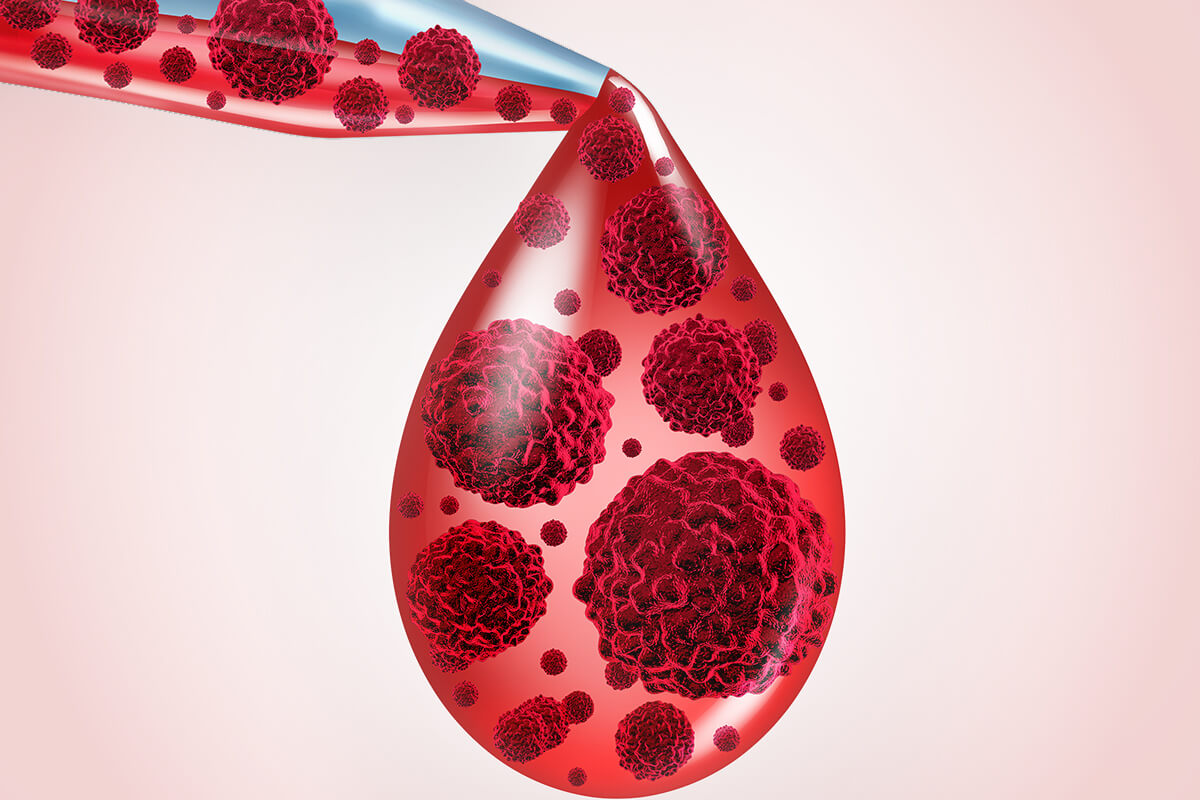
Finding blood cancer through blood tests is key to diagnosing it. A Complete Blood Count (CBC) can spot signs suggestive of blood cancers like leukemia, lymphoma, and myeloma. Research shows that 95% of acute leukemias present with abnormal CBC results. Although blood tests alone can’t confirm cancer, they are vital for finding initial clues. Doctors analyze various blood components, such as red and white blood cell counts and platelets, to detect abnormalities. This information helps guide further testing and informs treatment planning. The blood test for cancer thus plays a crucial role in early detection and ongoing management.
Key Takeaways
- Blood tests can detect abnormalities that may indicate blood cancer.
- A Complete Blood Count (CBC) is a key test for diagnosing blood cancer.
- Up to 95% of acute leukemias present with abnormal CBC results.
- Blood tests are not used alone to diagnose cancer but provide important clues.
- Specialized blood tests help healthcare providers determine the next diagnostic steps.
Understanding Blood Cancer and Its Detection
Blood cancer, also known as hematologic cancer, affects how blood cells are made and work. Finding it early is key to treating it well. There are three main types: leukemia, lymphoma, and myeloma. Each type acts differently in the body.
Types of Blood Cancer: Leukemia, Lymphoma, and Myeloma
Leukemia is a cancer of the blood and bone marrow. It causes too many white blood cells. It can be acute, which is fast-growing and urgent, or chronic, which grows more slowly.
Lymphoma starts in the lymphatic system, which is part of the immune system. It makes lymphocytes, a type of white blood cell, abnormal. This affects lymph nodes and other tissues.
Myeloma, or multiple myeloma, is a cancer of plasma cells in the bone marrow. It can cause anemia, bone pain, and make infections more likely.
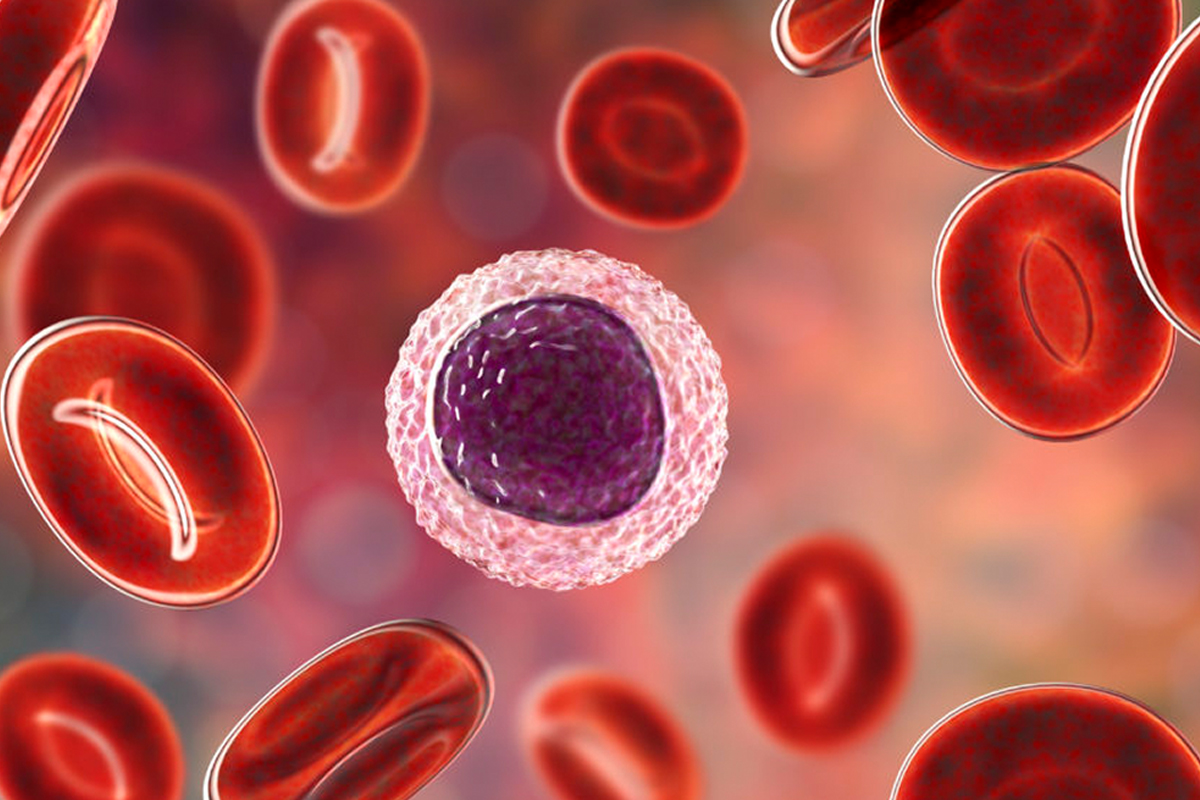
How Blood Cancer Affects Blood Composition
Blood cancer changes blood composition by affecting blood cell production. Leukemia makes too many abnormal white blood cells. Myeloma lowers normal plasma cells and raises abnormal ones. Lymphoma changes lymphocyte counts.
A Complete Blood Count (CBC) test is used to find these changes. It checks red blood cells, white blood cells, and platelets. Odd results can show blood cancer and lead to more tests.
Knowing how blood cancer changes blood is key to diagnosing and treating it. By looking at blood test results, doctors can spot problems and choose the right treatment.
Blood Test for Cancer: Detection Methods and Accuracy
Cancer diagnosis through blood tests uses several methods. Each method has its own accuracy level. These tests are key for catching cancer early and planning treatment.
Blood tests look for cancer markers and changes in blood composition. This helps find cancer presence.
Complete Blood Count (CBC): The First Line of Detection
A Complete Blood Count (CBC) is often the first test for blood cancers. It checks the levels of different blood cells. This includes red blood cells, white blood cells, and platelets.
Abnormal counts can show issues like anemia, infection, or leukemia. For example, a high white blood cell count might mean leukemia or lymphoma.

Blood Chemistry Tests and Their Role
Blood chemistry tests measure blood chemicals like enzymes and proteins. These tests help find if cancer is affecting organs. For example, liver function tests can show liver cancer or metastasis.
These tests are also key for tracking cancer treatment side effects.
Specialized Blood Tests for Specific Blood Cancers
Specialized blood tests target specific blood cancers. Tumor marker tests look for chemicals from cancer cells. The circulating tumor cell tests find cancer cells in the blood, showing cancer presence or spread.
Advanced tests like Multi-Cancer Early Detection (MCED) blood tests can spot many cancers years before symptoms show. This leads to better early detection and treatment results.
These advanced blood tests are a big step in cancer detection. They help find cancer early, leading to more effective treatments and better patient outcomes. As technology improves, blood tests will play an even bigger role in cancer diagnosis.
Interpreting Blood Test Results for Cancer Indicators
Blood tests can show important signs of cancer, but it takes a pro to understand them. When we test blood for cancer, we look for signs that might mean cancer cells are present.
Common Abnormalities: Anemia, Thrombocytopenia, and White Blood Cell Changes
Tests often find issues like anemia, thrombocytopenia, and white blood cell count changes. Anemia means not enough red blood cells or hemoglobin, which can hint at leukemia or lymphoma. Thrombocytopenia points to bone marrow issues, possibly cancer. White blood cell count changes can suggest leukemia or other blood cancers.
Statistical Reliability: The 95% Detection Rate for Acute Leukemias
Blood tests are very good at finding cancer, like acute leukemias, with a 95% success rate. This is because these cancers mess with blood cell counts a lot, making them easier to spot.
When Blood Tests May Miss Cancer: Limitations and Challenges
Even though blood tests are great for finding cancer, they’re not perfect. Slow-growing cancers might not show up early in tests. Also, not all cancers show up in blood tests, and some might not be found this way.
The National Cancer Institute says leukemia survival rates have gotten better, but each person’s outcome is different. It’s key to understand blood test results to figure out the right treatment plan.
Advanced Blood Test Technologies for Cancer Detection
New blood test technologies are key in finding cancer early. These tests can spot cancer when it’s just starting, years before symptoms show up.
Multi-Cancer Early Detection (MCED) Blood Tests
Multi-Cancer Early Detection (MCED) blood tests are a big step forward in cancer diagnosis. They can find many types of cancer from just one blood sample. This makes them a strong tool for catching cancer early.
Studies show MCED tests can find cancer DNA in blood up to 3.1“3.5 years before a diagnosis. So, would cancer show up in blood work? Yes, with MCED tests, the answer is yes. They look for cancer DNA and other signs in the blood.
Circulating Tumor DNA Analysis
Circulating tumor DNA (ctDNA) analysis is also key in finding cancer early. ctDNA is DNA from cancer cells in the blood. By looking at ctDNA, doctors can find specific genetic changes linked to different cancers.
This tech helps find cancer early and track how it’s changing. What can blood tests find? Blood tests with ctDNA analysis can spot cancer and its genetic traits.
Early Detection Timeframes: Identifying Cancer Years Before Symptoms
Being able to find cancer years before symptoms show up is a big plus of new blood tests. Research shows MCED tests can find cancer years before symptoms appear. This early catch gives a chance for better treatment.
Does cancer show up in blood work? Not all cancers can be found in blood tests, but new tech like MCED and ctDNA is getting better. These tests bring hope for earlier diagnosis and better treatment plans.
Conclusion
Blood tests are key in finding and diagnosing blood cancer and other cancers. They range from the Complete Blood Count (CBC) to advanced tests like Multi-Cancer Early Detection (MCED). These tools give vital information about cancer’s presence and how it’s growing.
Hospitals like Liv Hospital lead in giving top-notch care worldwide. They use the newest ways to find cancer. Blood tests are a big part of how doctors find and check how far cancer has spread. It’s important to know what blood tests can and can’t do in finding cancer.
Healthcare teams use both old and new blood tests to help patients. This mix helps doctors find and treat cancer better. It’s all about giving the best care and helping patients get better.
FAQ
Can a tumor be detected by blood work?
Not all tumors can be found through blood tests. But some tests can spot issues that might mean a tumor is there. Tests like tumor marker tests can find certain cancers.
Does cancer show up in routine blood work?
Yes, some cancers can be hinted at by routine blood tests, like a Complete Blood Count (CBC). But not all cancers will show up this way. More tests are usually needed to be sure.
What CBC blood test indicate about cancer?
A CBC can show signs of cancer, like anemia or changes in white blood cells. For example, most acute leukemias have abnormal CBC results when first found.
Can cancer be determined by a blood test?
Blood tests can give clues about cancer, but they’re not always accurate. Tests like Multi-Cancer Early Detection (MCED) and circulating tumor DNA analysis are getting better. But, more tests are often needed to be sure.
What blood test shows cancer?
Many tests can hint at cancer, like CBC, blood chemistry tests, and tumor marker tests. Tests like MCED and circulating tumor DNA analysis are also used. The right test depends on the suspected cancer type.
How to tell if you have cancer?
Finding cancer involves a few steps. These include a physical check, medical history, imaging, and lab tests, like blood work. If cancer is thought of, doctors will suggest the right tests to confirm or rule it out.
Can a blood test detect cancer in the body?
Yes, tests like MCED and circulating tumor DNA analysis can find cancers early. They can spot cancers years before symptoms show. But, how well they work depends on the cancer type and other things.
References
- American Cancer Society. (2025). Tests for Childhood Leukemia. https://www.cancer.org/cancer/types/leukemia-in-children/detection-diagnosis-staging/how-diagnosed.html



 Departments
 Related Videos
 Our Doctors
 News
News