
Getting a blood transfusion for anemia can seem scary, but knowing what happens can make you feel better. At LIV Hospital, we focus on making sure you’re comfortable and cared for during the transfusion.
An anaemia transfusion usually takes 4 to 6 hours. This time can change based on how well you’re doing and what blood products you need. Our doctors keep a close eye on your health signs to make sure you’re safe and comfortable.
Key Takeaways
- The duration of a blood transfusion for anemia typically ranges from 4 to 6 hours.
- The transfusion time can vary based on individual patient needs and the specific blood components being transfused.
- At LIV Hospital, patient care and comfort are prioritized throughout the transfusion process.
- Our medical team closely monitors patients’ vital signs during the procedure.
- A single unit of blood can take between 2 to 4 hours to be administered.
Understanding Anemia and the Need for Blood Transfusions
Blood transfusions are key in treating anemia, mainly when it’s severe and hemoglobin levels are very low. At our place, we know how important it is to understand anemia and its effects on patients.
What is Anemia and Its Common Causes
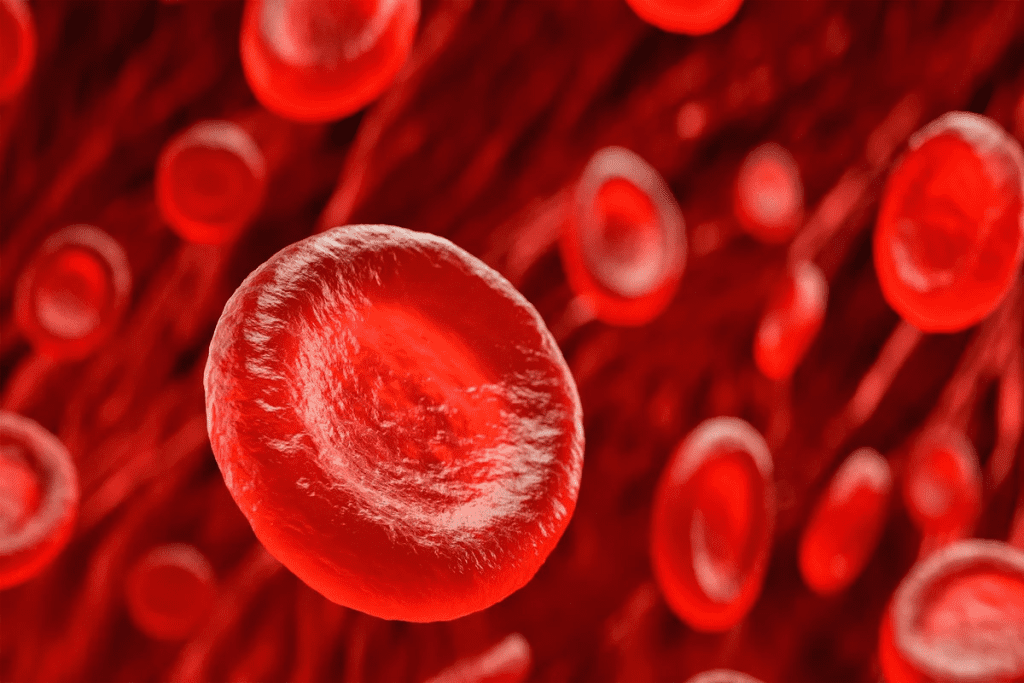
Anemia is when there’s not enough red blood cells or hemoglobin. This means tissues don’t get enough oxygen. It can happen for many reasons, like chronic diseases, not getting enough nutrients, or genetic disorders.
Common reasons for anemia include not enough iron or vitamins, chronic diseases like cancer or HIV/AIDS, and genetic disorders like sickle cell anemia. Knowing why someone has anemia helps us figure out the best treatment.
When Blood Transfusions Become Necessary for Anemia Patients
Blood transfusions are needed when anemia is very bad and hemoglobin levels are too low. The American Cancer Society says transfusions are often needed when hemoglobin levels hit a certain low point. We check each patient carefully to see if they need a transfusion.
This way, we make sure our patients get the care they need to get better and stay healthy.
How Hemoglobin Levels Determine Transfusion Necessity
Hemoglobin levels are very important in deciding if a blood transfusion is needed. When levels are very low, transfusions help get oxygen to tissues again. We watch hemoglobin levels closely to decide when and if a transfusion is needed.
Whether or not to have a blood transfusion depends on many things. We look at the patient’s health, how bad the anemia is, and other important factors.
In short, understanding anemia and when blood transfusions are needed is key to giving patients the right care. By checking how bad anemia is and watching hemoglobin levels, we can figure out when a transfusion is needed. This helps our patients get the best care possible.
The Blood Transfusion Process for Anemia Treatment
Blood transfusions are a lifesaving treatment for anemia. They involve a multi-step process to ensure safe blood products. At our institution, we follow a strict protocol to keep our patients safe during the transfusion.
Pre-transfusion testing and compatibility checks
Before a blood transfusion, we do thorough pre-transfusion testing. This includes blood typing and compatibility checks. It’s a key step to prevent bad reactions by making sure the blood is right for the patient. Medical experts say this testing is critical for safe transfusions for anemia.
- Blood typing to find the patient’s blood group
- Cross-matching to check if the patient’s blood and donor blood match
- Screening for infectious diseases
Setting up the transfusion equipment
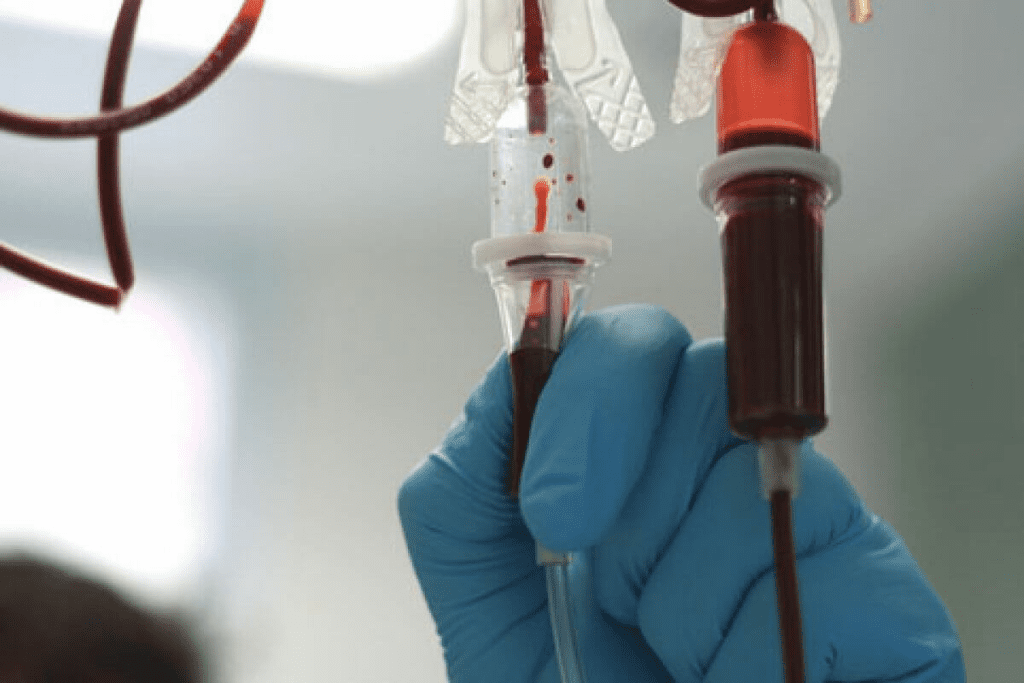
After confirming compatibility, our skilled team sets up the transfusion equipment. They choose the right transfusion set, make sure all connections are tight, and set the flow rate right. Careful setup is key to avoid problems during the transfusion.
Monitoring vital signs during the procedure
During the transfusion, we keep a close eye on vital signs. We watch pulse, blood pressure, and temperature. This lets us quickly spot and handle any bad reactions, keeping the patient safe.
- Regular checks of vital signs
- Watching for signs of bad reactions
- Quick action if problems come up
Post-transfusion procedures and checks
After the transfusion, we keep watching the patient for any complications. Post-transfusion checks are key to make sure the patient recovers well. We also give advice on care after the transfusion to help with recovery.
By following this detailed process, we make sure our patients get safe and effective blood transfusions for anemia treatment.
Duration of Blood Transfusion for Different Anemia Cases
The time it takes for a blood transfusion can change a lot. At our place, we look at each patient’s situation to figure out the best time for transfusion. This way, we make sure our patients get the best care.
Standard Duration
A blood transfusion for anemia usually lasts 4 to 6 hours. This is the usual time for most patients. But, it’s important to remember that each person’s situation can affect how long it takes.
Factors That Can Extend Transfusion Time
Some things can make a transfusion take longer. These include:
- The patient’s overall health and how bad their anemia is
- The type of blood components being given
- Any bad reactions to the transfusion
- The need for more than one unit of blood
Factors That Might Shorten Transfusion Time
On the other hand, some things can make a transfusion shorter. These include:
- How well the patient responds to the transfusion
- Using special transfusion methods or tools to speed things up
Multiple Unit Transfusions and Their Timeline
When more than one unit of blood is needed, the transfusion takes longer. Our team is skilled at handling these situations. We make sure our patients get the care they need without waiting too long.
Recent studies show that how long a blood transfusion lasts can change based on the patient and the blood product. We consider these things to give each patient the care they need.
Blood Units and Products Used in Anemia Transfusions
The type and amount of blood product are key in treating anemia. We carefully choose these to ensure our patients get the right care.
How Much is a Unit of Blood and How It’s Measured
A unit of blood is measured in milliliters. One unit is about 450 milliliters, from one donation. This is important for deciding how much blood to give a patient.
How Many Units of Blood Are in the Human Body
An adult’s body has about 5 liters of blood. This is roughly 11-12 units, with one unit being 450 milliliters. Knowing this helps us plan transfusions safely.
Different Blood Products Used for Anemia
We use red blood cells, plasma, and whole blood to treat anemia. Each has its own use:
- Red Blood Cells: Increase red blood cell mass and oxygen delivery.
- Plasma: Given to those lacking clotting factors or proteins.
- Whole Blood: Needed for both red blood cells and plasma, like in major blood loss.
How Long Do Transfused Red Blood Cells Live in the Body
Transfused red blood cells usually last about 120 days. But, their actual life can change based on the patient and how the blood is stored.
Knowing about blood units and products helps us manage anemia better. Our team works hard to give the best care with the right blood products and methods.
Conclusion
Effective blood transfusion for anemia treatment needs careful thought. This includes the type and amount of blood product used. At our institution, we focus on top-notch patient care. We make sure our patients are safe and comfortable during the transfusion.
Our team of healthcare experts keeps a close eye on patients’ vital signs. We provide personalized care to help patients get the best results from blood transfusions. We aim to make the transfusion process as easy as possible for each patient.
Blood transfusions are key in treating anemia, and we follow strict standards for quality care. We combine advanced medical treatments with support services. Our goal is to improve our patients’ health and well-being, positively impacting their lives.
FAQ
How long does a blood transfusion take for anemia?
A blood transfusion for anemia usually takes 4 to 6 hours. This time can change based on the patient’s needs and the blood being used.
What is anemia, and what are its common causes?
Anemia is when you don’t have enough red blood cells or hemoglobin. This makes it hard for your body to get enough oxygen. It can happen for many reasons, like chronic diseases, not eating right, or genetic problems.
When do blood transfusions become necessary for anemia patients?
Blood transfusions are needed when anemia is very bad. This happens when hemoglobin levels get too low.
How do hemoglobin levels determine transfusion necessity?
We check each patient’s condition to see if they need a transfusion. We make sure they get the right care based on their hemoglobin levels.
What is the process of pre-transfusion testing and compatibility checks?
Before the transfusion, we do tests to make sure the blood is safe for the patient. This prevents bad reactions.
How is the transfusion equipment set up?
Our healthcare team sets up the equipment carefully. They make sure the blood is given correctly.
What is monitored during the transfusion procedure?
We watch our patients’ vital signs closely. This includes pulse, blood pressure, and temperature. We act fast if there’s a problem.
How long do transfused red blood cells live in the body?
We think about how long the transfused red blood cells last. We make sure our patients get the best care for their needs.
How much is a unit of blood and how is it measured?
A unit of blood is measured in milliliters. We figure out how much the patient needs based on their health.
How many units of blood are in the human body?
The human body has a certain amount of blood. We consider this when planning transfusions.
What are the different blood products used for anemia?
We use different blood products, like red blood cells, plasma, and whole blood. We choose based on the patient’s condition.
Why would someone need a blood transfusion?
Blood transfusions are needed when anemia is severe. This happens when hemoglobin levels get too low.
How long does it take to give blood?
How long a blood transfusion takes can vary. But it usually takes between 4 to 6 hours.
What factors can extend or shorten transfusion time?
Things like the patient’s health, how bad the anemia is, and the blood being used can change the time.
What is a plasma transfusion?
Plasma transfusion is used for patients with clotting or bleeding problems. It’s a part of the blood that helps with these issues.
References
- Medical News Today. (2023, May 17). Blood transfusion: How long does it take, and how does it work?https://www.medicalnewstoday.com/articles/318984
- Buelvas, A. C. (2013). Anemia and transfusion of red blood cells. Transfusion Medicine Reviews, 27(4), 203-212.https://www.ncbi.nlm.nih.gov/pmc/articles/PMC4001991/
- Blanca, D., & del Toro, M. D. (2023). Anemia management and transfusion strategy in internal medicine departments. European Journal of Internal Medicine, 110, 1-7.https://www.sciencedirect.com/science/article/pii/S0953620523001747