
Seeing a bright red patch on your eye can be scary. But, a broken blood vessel is usually not serious and will heal by itself. Need a blood vessel in eye treatment? This guide explains how to treat a broken or burst blood vessel (hemorrhage).
A subconjunctival hemorrhage happens when tiny blood vessels under the conjunctiva burst and bleed. This bleeding is between the conjunctiva and the white of the eye. The conjunctiva is a clear tissue that covers the white of the eye and lines the eyelids.
Even though it looks scary, most cases don’t need any treatment. They also don’t hurt or affect your vision. Knowing what causes these ruptures and how to handle them can make you feel better. It also helps you know when you need to see a doctor.
Key Takeaways
- A subconjunctival hemorrhage is typically harmless and resolves on its own.
- It occurs when tiny blood vessels beneath the conjunctiva rupture.
- Most cases require no treatment and cause no pain or vision problems.
- Understanding the causes can help ease worries.
- Knowing when to seek medical attention is important.
Understanding Subconjunctival Hemorrhage
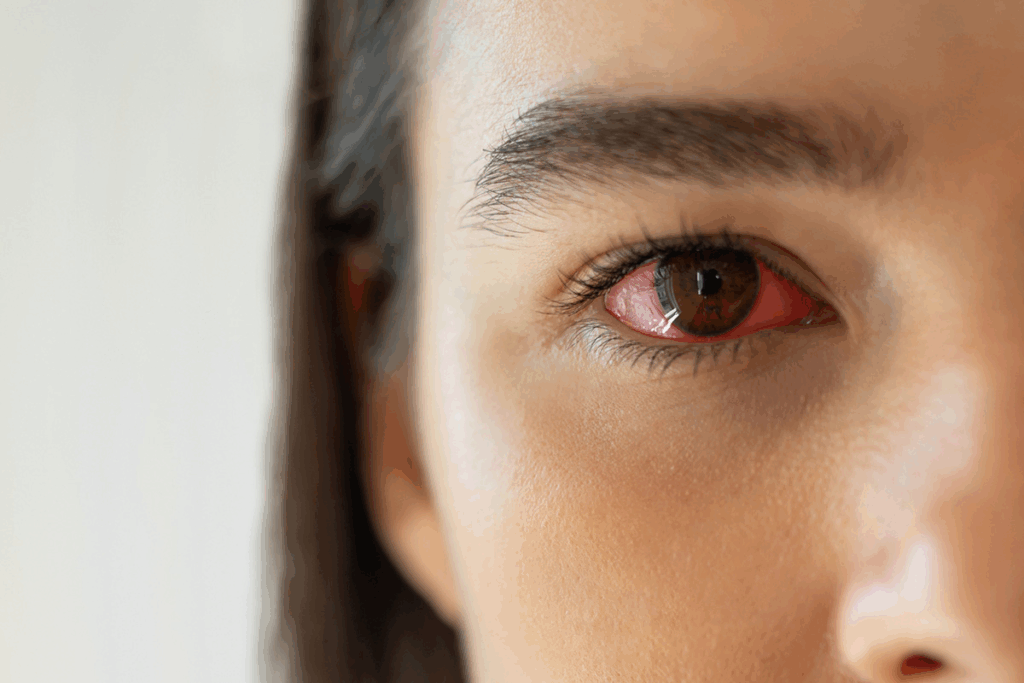
A subconjunctival hemorrhage happens when a small blood vessel breaks under the conjunctiva. This is the clear layer on the eye’s surface. It shows up as blood in the eye’s white part, which can look scary but is usually not serious.
What Is a Broken Blood Vessel in the Eye?
A broken blood vessel in the eye, or subconjunctival hemorrhage, occurs when a tiny blood vessel under the conjunctiva ruptures. The conjunctiva is a thin membrane that covers the eye’s white part and the inside of the eyelids. When this vessel breaks, blood leaks into the space between the conjunctiva and the sclera, causing red or purple discoloration.
How the Eye’s Blood Vessels Function
The eye has many blood vessels that bring it oxygen and nutrients. The conjunctiva has small blood vessels that are usually not seen. But when one of these vessels breaks, the blood becomes visible, causing a subconjunctival hemorrhage. These vessels are fragile and can break for many reasons.
Why Blood Vessels Break in the Eye
Blood vessels in the eye can break for several reasons. These include minor trauma, strong sneezing or coughing, rubbing the eyes hard, eye surgery, wearing contact lenses, high blood pressure, and diabetes. Sometimes, they can break without any obvious reason.
Causes | Description |
Minor Trauma | A slight injury to the eye can cause a blood vessel to break. |
Strong Sneezing/Coughing | Increased pressure in the eye can lead to vessel rupture. |
Rubbing Eyes | Vigorous rubbing can cause mechanical stress on the vessels. |
Eye Surgery | Post-surgical complications can include subconjunctival hemorrhage. |
Contact Lens Wear | Irritation or improper use can lead to vessel breakage. |
High Blood Pressure | Hypertension can weaken blood vessels, making them more susceptible to rupture. |
Diabetes | Diabetic patients may have more fragile blood vessels. |
Understanding the causes and risk factors of subconjunctival hemorrhage is key to managing and preventing it. While it often heals on its own, knowing what causes it can help prevent it from happening again.
Common Causes of Eye Blood Vessel Ruptures
Knowing why a blood vessel in the eye breaks is key to avoiding it. A subconjunctival hemorrhage, or a broken blood vessel in the eye, can happen for many reasons.
Physical Trauma and Injury
Physical trauma or injury is a top reason for a broken blood vessel in the eye. This includes a direct hit to the eye or a sudden impact. Even surgery can cause it. The force can burst the small blood vessels in the conjunctiva, leading to bleeding.
Straining Activities
Activities that strain, like heavy lifting or intense coughing, can also cause a broken blood vessel in the eye. These actions put extra pressure on the blood vessels, making them more likely to burst.
Medical Conditions That Increase Risk
Some medical conditions raise the risk of a broken blood vessel in the eye. These include high blood pressure, diabetes, and blood clotting disorders. Knowing these risk factors helps in managing and preventing future issues.
Statistics show that about 10% of people with no known risk factors will experience a recurrence. Common causes include eye injury or surgery, high blood pressure, and diabetes. Other factors include hardening of the arteries, tumors, blood clotting disorders, straining, certain medications, and labor and delivery.
Cause | Description | Risk Factor |
Eye Injury or Surgery | Direct trauma to the eye | High |
High Blood Pressure | Increased pressure on blood vessels | Moderate |
Diabetes | Vascular complications | Moderate |
Straining Activities | Increased intraocular pressure | Low to Moderate |
By understanding these causes, people can take steps to lower their risk. We suggest talking to a healthcare professional for advice on managing and preventing eye blood vessel ruptures.
Recognizing the Symptoms
It’s important to know the signs of a broken blood vessel in the eye. This condition, known as a subconjunctival hemorrhage, has clear signs. Knowing these can help you feel better and get the right help.
Visual Appearance
A broken blood vessel in the eye looks like a bright red patch. This patch can be small or cover a lot of the eye. The red color comes from blood leaking under the clear membrane of the eye.
Associated Sensations
Most people with this condition don’t feel much pain. Some might feel a little itchiness or scratchiness. But remember, it’s usually painless and doesn’t hurt your vision.
Differentiating from Other Eye Conditions
It’s key to tell a subconjunctival hemorrhage from other eye problems. Unlike conjunctivitis or allergies, it doesn’t usually cause discharge or itching. It also doesn’t change how you see things. Here’s a table to help you tell the difference:
Condition | Visual Appearance | Associated Sensations | Discharge or Itching |
Subconjunctival Hemorrhage | Bright red patch on the white of the eye | Mild irritation or none | No |
Conjunctivitis | Redness, often with discharge | Itching, irritation | Yes |
Allergies | Redness, puffiness | Itching, watering | Sometimes |
By knowing these signs, you can handle your condition better. And if you need to, you can get the right medical help.
When to Seek Medical Attention
Knowing when to get medical help for a broken blood vessel in the eye is key. Many cases of subconjunctival hemorrhage get better on their own. But, some situations need quick medical care to avoid problems or find the cause.
Warning Signs That Require Immediate Care
If you notice any of these signs, get medical help right away:
- Pain or discomfort in the eye that doesn’t go away with simple steps
- Vision changes, like blurred vision, double vision, or losing vision
- Recurring hemorrhages, which might mean there’s a bigger issue
- Eye redness or swelling that gets worse over time
- Sensitivity to light or feeling very light-sensitive
These signs could mean a serious problem that needs a doctor’s check-up.
Recurrent Episodes and Their Significance
Having subconjunctival hemorrhages keep happening might mean there’s a health issue. Things like high blood pressure, diabetes, or bleeding problems can cause this. If you keep getting these episodes, seeing a doctor is a must to find and fix the cause.
Condition | Potential Impact on Eye Health | Recommended Action |
Hypertension | Increased risk of subconjunctival hemorrhage | Monitor blood pressure, manage through lifestyle changes or medication |
Diabetes | Potential for diabetic retinopathy and other complications | Regular eye exams, manage blood sugar levels |
Bleeding Disorders | Increased risk of hemorrhages | Consult a hematologist, consider preventive measures |
Accompanying Symptoms That Indicate Complications
A broken blood vessel in the eye might also have other symptoms. These can mean there’s a bigger problem or related issue. These include:
- Eye discharge or pus
- Severe eye pain
- Headaches or migraines linked to eye strain
- Nausea or vomiting
If you have these symptoms with a subconjunctival hemorrhage, getting medical help is very important. It helps to make sure there’s no serious condition.
Diagnosing a Broken Blood Vessel in Eye
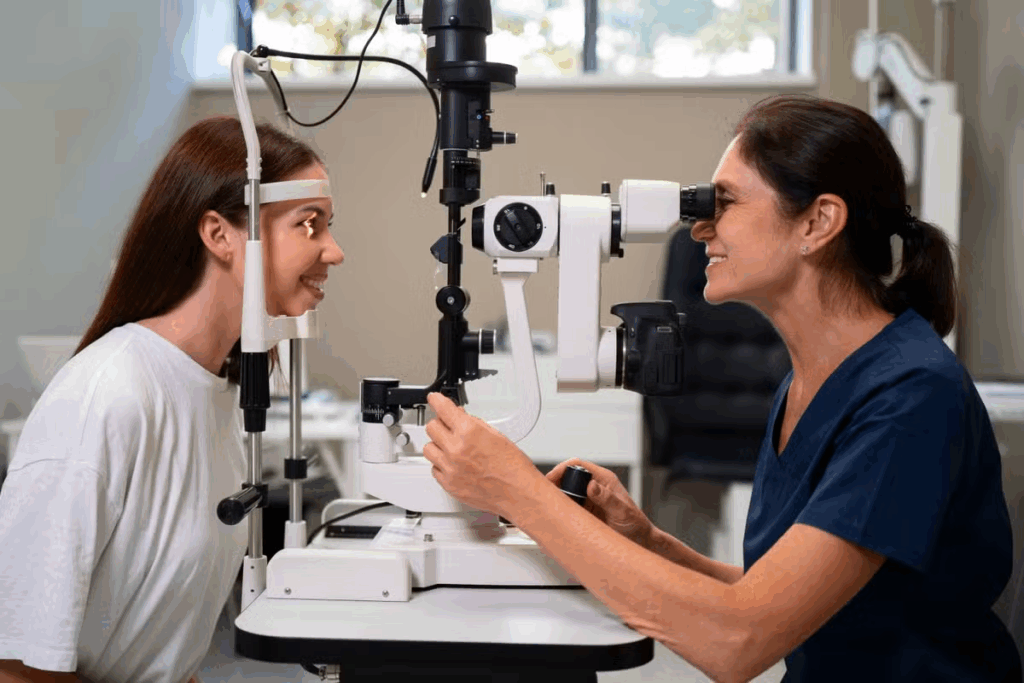
To find out if a blood vessel in your eye is broken, a doctor will do a physical check. This is simple and usually doesn’t need special tests.
Physical Examination Process
The doctor will carefully look at your eye to see how bad the bleeding is. They will also check for any other injuries or health issues that might be causing the bleeding.
Key aspects of the physical examination include:
- Visual inspection of the eye
- Checking for any trauma or injury
- Assessing overall eye health
Tests Your Doctor May Perform
At times, more tests are needed to find out why the bleeding happened. These tests can spot any health problems that might be linked to the bleeding.
Test | Purpose |
Blood Pressure Measurement | To check for hypertension, which could be a contributing factor |
Blood Tests | To check for bleeding disorders or other conditions |
Eye Examination | To assess the overall health of the eye |
Questions Your Doctor Will Ask
Your doctor will ask you some questions to understand what happened. These questions help find out what might have caused the bleeding.
Examples of questions your doctor may ask include:
- Have you experienced any recent trauma or injury to the eye?
- Do you have any medical conditions that could be contributing to the broken blood vessel?
- Are you taking any medications that could affect blood clotting?
Effective Blood Vessel in Eye Treatment Options
Most broken blood vessels in the eye heal on their own. They usually fix themselves within a few weeks.
Natural Healing Process
The body can heal a subconjunctival hemorrhage by itself. The blood usually absorbs in a few days to three weeks. Larger ones might take longer.
It’s important to be patient and let your body heal naturally. Watch the condition and see a doctor if it doesn’t get better or if you notice unusual symptoms.
Over-the-Counter Solutions
While waiting for your body to heal, you can use artificial tears. These drops can make your eyes feel better. Try to avoid rubbing your eyes or wearing contact lenses until it’s fully healed.
Prescription Medications When Necessary
If the hemorrhage is linked to another issue or hurts a lot, your doctor might give you medicine. But this is rare. Most people don’t need prescription drugs for a broken blood vessel in the eye.
Always follow your doctor’s advice and go to any follow-up appointments. This ensures your condition is managed well and there are no complications.
Home Remedies and Self-Care
A subconjunctival hemorrhage might look scary, but it can be handled with simple steps at home. It’s key to listen to your doctor, but there are home remedies that can help. They can make you feel better and help your eye heal.
Using Artificial Tears for Comfort
Artificial tears are great for dry or irritated eyes with a subconjunctival hemorrhage. These drops can make your eye feel better and help it heal faster.
Benefits of Artificial Tears:
- Provides lubrication to dry, irritated eyes
- Can be used as frequently as needed throughout the day
- Available over-the-counter, making them easily accessible
Cold Compress Application Techniques
A cold compress can help with swelling and discomfort from a subconjunctival hemorrhage. To use one, wrap an ice pack or a cold, damp cloth in a towel. Then, place it gently over your eye.
Warm Compress Benefits and Application
When the swelling goes down, a warm compress can help. It promotes blood resorption and comfort. To make one, soak a cloth in warm water, wring it out, and place it over your closed eyelid.
Rest and Activity Modifications
Rest is important for healing. Avoiding hard activities and giving your eyes a break helps a lot. Here are some tips:
Activity | Recommendation |
Reading and Screen Time | Take regular breaks to rest your eyes |
Physical Exercise | Avoid strenuous activities for a few days |
Rubbing Your Eyes | Avoid rubbing your eyes to prevent further irritation |
By using these home remedies and self-care tips, you can manage discomfort and support healing from a subconjunctival hemorrhage.
Recovery Timeline and What to Expect
After a subconjunctival hemorrhage, you might wonder how long it will last. Seeing a broken blood vessel in your eye can be scary. But, most of the time, it heals on its own.
First Few Days After Rupture
In the first days, the hemorrhage might look worse before it gets better. It’s important to know that this condition is usually painless. The redness is just blood trapped under your eye’s clear surface, like a skin bruise.
One Week to Three Weeks Healing Process
As your body absorbs the blood, the hemorrhage will fade. This usually takes one to three weeks. The color of the hemorrhage may change during this time, turning greenish or yellowish, like a skin bruise healing.
- The healing speed can depend on the hemorrhage’s size.
- Your health and any medical conditions can also affect healing.
When Full Recovery Is Expected
Full recovery from a subconjunctival hemorrhage usually takes three weeks. By then, your body should have absorbed all the blood. It’s important to watch for any unusual symptoms and see a doctor if needed.
“The blood is slowly reabsorbed by your body, usually disappearing within three weeks.”
While waiting for it to heal, you can try some home remedies and self-care. But, if you have repeated episodes or other symptoms, see a doctor. They can check for any underlying conditions.
Preventing Future Eye Blood Vessel Ruptures
To prevent eye blood vessel ruptures, we need a big plan. This plan includes changing our lifestyle and managing health issues. Knowing what causes subconjunctival hemorrhages helps us take steps to lower our risk.
Lifestyle Modifications
Changing our lifestyle can help a lot. Here are some ways to reduce the risk of another rupture:
- Avoid heavy lifting or bending
- Don’t strain during bowel movements
- Manage coughing and sneezing
- Do gentle exercise regularly
Eating healthy foods like fruits, veggies, and omega-3s also helps. These foods are good for our blood vessels.
Managing Underlying Health Conditions
People with conditions like high blood pressure, diabetes, or clotting issues need to manage them well. This is key to avoiding future ruptures. Here’s how:
- Take your medicine as told
- Check your blood pressure and sugar often
- Go to all your doctor’s appointments
If a hemorrhage is linked to a health issue or medicine, talk to your doctor. They can help lower your risk of it happening again.
Proper Eye Care Practices
Good eye care is also important. It helps prevent ruptures. Here’s how:
Practice | Benefit |
Regular eye exams | Find problems early |
Use eye drops right | Less eye strain |
Avoid rubbing your eyes | Less chance of injury |
By following these eye care tips, we can keep our eyes healthy. This might help prevent future ruptures.
Special Considerations for Different Groups
Children and the elderly may face unique challenges when dealing with broken blood vessels in the eye. It’s important to tailor our approach to meet their needs. This ensures effective care and reduces the risk of complications.
Children with Eye Blood Vessel Ruptures
Seeing a broken blood vessel in a child’s eye can worry parents. But, in most cases, it’s not a big worry and will heal by itself. It’s vital to check for any underlying causes or conditions that might need medical help.
- Keep a close eye on the child’s condition
- See a pediatrician or eye doctor to check for serious issues
- Make sure the child avoids activities that could make things worse
Elderly Patients and Additional Risks
Older adults may have more risks due to health issues like high blood pressure, diabetes, or taking blood thinners. These can make complications more likely or slow healing. It’s important to manage these conditions well.
“Managing underlying health conditions is key to preventing complications in elderly patients with subconjunctival hemorrhages.”
Elderly patients should work closely with their doctors to:
- Keep their health conditions in check
- Change medications that might be risky
- Watch for any signs of worsening or complications
Patients with Chronic Conditions
People with ongoing health issues, like high blood pressure or diabetes, need to be extra careful. These conditions can slow healing and raise the risk of more problems. Talking to a healthcare provider can help find ways to lower these risks.
To manage their condition well, patients with chronic conditions should:
- Control their conditions with medication and lifestyle changes
- Get regular eye checks from an eye doctor
- Tell their healthcare provider about any changes or concerns
Myths and Misconceptions About Eye Blood Vessel Ruptures
There’s a lot of wrong information about subconjunctival hemorrhages. It’s important to know what’s true and what’s not. A subconjunctival hemorrhage, or a broken blood vessel in the eye, can look scary. But, in most cases, it’s not serious and will heal on its own.
Common Misunderstandings
Many people think a broken blood vessel in the eye means they have a serious health problem. While it’s true that having them often might mean something’s wrong, one usually isn’t a big deal. It’s key to know that a subconjunctival hemorrhage often happens because of sudden pressure, like when you lift something heavy, cough, or strain.
Some also believe there’s no way to make a broken blood vessel in the eye heal faster. But, just like a bruise, a subconjunctival hemorrhage will fade away by itself. The main thing is to be patient and take care of any health issues that might be causing it.
Facts vs. Fiction
Let’s clear up some common myths and the real facts:
- Myth: A broken blood vessel in the eye means you have high blood pressure. Fact: High blood pressure can make you more likely to get a subconjunctival hemorrhage, but it’s not the direct cause.
- Myth: You can stop a subconjunctival hemorrhage from happening by avoiding certain activities. Fact: While not straining can help, it’s not a surefire way to avoid a broken blood vessel.
Scientific Evidence on Treatment Efficacy
When it comes to treating a subconjunctival hemorrhage, the science is clear: usually, you don’t need to do anything.
“The natural history of subconjunctival hemorrhage is spontaneous resolution within 7-14 days.”
But, if you keep getting them or have other symptoms that worry you, it’s best to see a doctor.
Some people try using cold compresses or artificial tears to feel better. These might help with symptoms, but there’s not much science backing them up for healing faster. The best ‘treatment’ is patience and, if needed, fixing any health problems.
Conclusion
A broken blood vessel in the eye, or subconjunctival hemorrhage, is usually harmless. It heals on its own, just like a bruise. We’ve talked about the causes, symptoms, and treatments for this condition.
We also stressed the need to know when to see a doctor. This helps in managing the condition effectively.
Even though it looks scary, a subconjunctival hemorrhage usually doesn’t cause problems. By taking care of your eyes and knowing when to get help, you can handle it well.
Proper eye care and managing health issues are key to avoiding future problems. If you keep getting these issues or have other symptoms, see a doctor. They can give you advice tailored to your needs.
FAQ
What is a subconjunctival hemorrhage?
A subconjunctival hemorrhage happens when a blood vessel bursts under the clear surface of the eye. This causes blood to leak into the space between the surface and the white part of the eye.
Is a broken blood vessel in the eye serious?
Usually, a broken blood vessel in the eye is not serious. It often heals on its own in a few weeks. But, it’s important to see a doctor to check for any other health issues.
How to treat a broken blood vessel in the eye?
To treat a broken blood vessel, you just need to let it heal naturally. Using artificial tears can help soothe the eye. You can also try cold or warm compresses to ease discomfort.
What are the causes of a subconjunctival hemorrhage?
Causes include physical trauma, straining, and health issues like high blood pressure or bleeding disorders.
How long does it take for a subconjunctival hemorrhage to heal?
Healing usually takes one to three weeks. The blood will gradually be absorbed, making the hemorrhage fade.
Can a subconjunctival hemorrhage be prevented?
Some cases can’t be prevented, but managing health conditions and avoiding eye trauma can help reduce risk.
When should I seek medical attention for a broken blood vessel in the eye?
Seek medical help if you have severe eye pain, vision changes, or if the hemorrhage is accompanied by sensitivity to light or discharge.
Are there any effective treatments for burst blood vessels in the eye?
Usually, no specific treatment is needed. The condition often heals on its own. Your doctor might suggest ways to ease discomfort.
Can a broken blood vessel in the eye be a sign of an underlying condition?
Yes, it can be a sign of an underlying condition. Your doctor will check if further evaluation is needed.
How is a subconjunctival hemorrhage diagnosed?
Diagnosis is made through a physical eye exam. Your doctor will also ask about your medical history and what happened.
Are there any home remedies for treating a broken blood vessel in the eye?
Yes, artificial tears and cold or warm compresses can help. Resting and avoiding hard activities also aid in recovery.
Can children experience subconjunctival hemorrhages?
Yes, children can get subconjunctival hemorrhages, often from trauma or straining. It’s important to see a pediatrician or eye specialist for proper care.
References
National Center for Biotechnology Information. Evidence-Based Medical Guidance. Retrieved from https://www.ncbi.nlm.nih.gov/books/NBK551666/