Understanding menopause is key to managing symptoms. At Liv Hospital, we focus on patient care and advanced tests. This helps women make smart health choices during menopause.blood work for menopauseHow Does Blood Pressure Work? Key Reading Facts
Menopause testing checks hormone levels like FSH and estradiol. This helps tell if symptoms are from menopause or other health issues.
As women get older, their health needs change. Regular menopausal test can spot problems early. It helps manage risks and boost overall health.
Key Takeaways
- Menopause is a natural process for women, usually happening between 45-55 years old.
- Hormones change a lot during menopause, causing physical and emotional symptoms.
- Menopause labs are vital for understanding these hormonal shifts.
- Testing FSH and estradiol levels helps figure out if symptoms are from menopause or other issues.
- Regular tests can find problems early and improve health overall.
The Hormonal Shift: Why Testing Matters During Menopause

Menopause brings big changes in hormone levels, causing various symptoms. It’s key to understand these changes to manage menopause well.
Physiological Changes in the Menopausal Transition
Menopause means big hormonal shifts. Estrogen levels drop, causing hot flashes, night sweats, and mood swings. This drop also affects bone density, raising osteoporosis risk.
Common Symptoms and Their Hormonal Connections
Many symptoms in menopause come from lower estrogen levels. Symptoms include:
- Hot flashes
- Night sweats
- Mood swings
- Vaginal dryness
These symptoms happen because of how estrogen and other hormones work together. Knowing this helps tailor treatments to each person’s needs.
Symptom | Hormonal Connection |
Hot Flashes | Decline in estrogen levels |
Night Sweats | Fluctuations in estrogen and progesterone |
Mood Swings | Changes in estrogen and serotonin levels |
When to Consider Laboratory Testing
Lab tests can spot hormonal imbalances and guide treatments. It’s wise to test when symptoms are bad or to understand hormonal changes.
Blood hormone levels can be tricky, showing only a snapshot. Yet, tests offer insights into hormonal trends. They help in making smart treatment choices.
Understanding Blood Work for Menopause: The Basics
Understanding blood work for menopause is key to managing symptoms well. While symptoms guide diagnosis, blood tests offer insights into hormonal shifts. For women over 40, regular blood tests help spot issues early, like hormonal changes, diabetes risk, high cholesterol, or osteoporosis.
How to Prepare for Hormone Testing
To get accurate hormone test results, follow a few simple steps. Blood tests are usually done in the morning when hormone levels are steady. Also, tell your healthcare provider about any medications or supplements you’re taking, as they can influence test results.
- Fast for 8-12 hours before the test if required
- Avoid strenuous exercise the day before testing
- Inform your healthcare provider about any hormonal treatments
Best Timing for Accurate Results
The timing of blood tests is critical for accurate results. For menopause testing, the best time is between days 2-5 of your menstrual cycle if you’re cycling. If you’re postmenopausal, timing isn’t as important.
Key considerations for timing:
- For women who are menstruating, tests are usually done on specific cycle days.
- Postmenopausal women can have tests done at any time.
- Some tests may require specific timing, so consult your healthcare provider.
What to Expect During the Testing Process
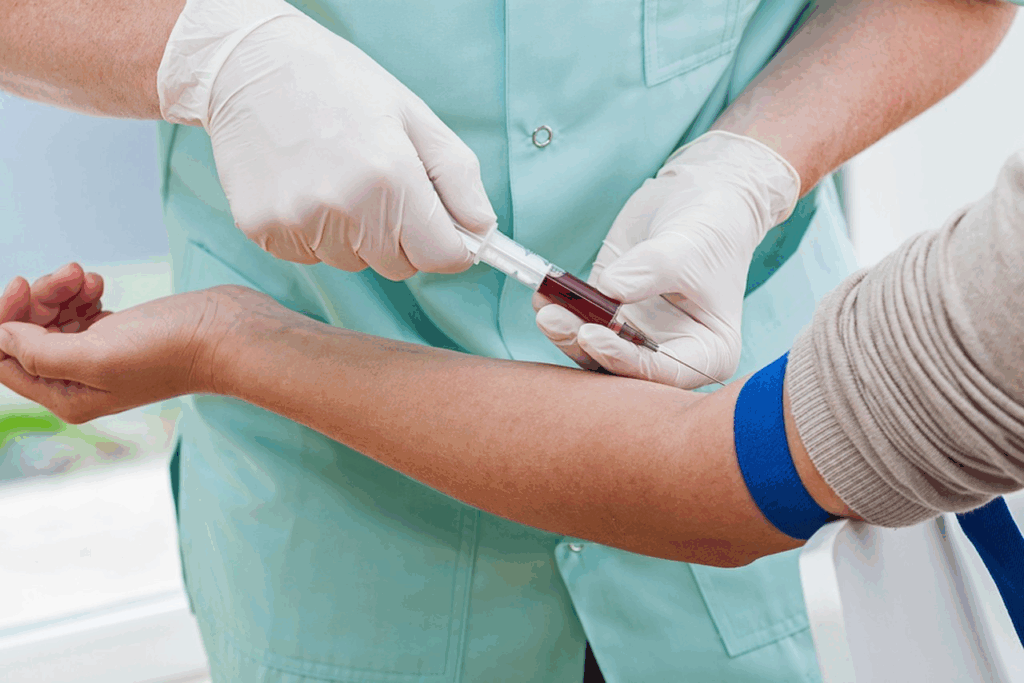
During the blood test, a healthcare professional will draw a blood sample from a vein in your arm. The process is quick and might cause a bit of discomfort. The sample will then be analyzed in a lab.
It’s normal to feel a little anxious about blood tests, but knowing what to expect can help ease your concerns.
After the test, your healthcare provider will talk about the results with you. They’ll explain what they mean for your menopause journey. This info will help guide any needed treatment or lifestyle changes.
Follicle-Stimulating Hormone (FSH): The Primary Menopause Marker
FSH is a key hormone during menopause. It marks the start of this big change in life. As women get closer to menopause, their ovaries work less, changing hormone levels. Knowing about FSH helps women and doctors manage menopause better.
Rising FSH Levels: A Menopausal Indicator
Menopause means the ovaries make fewer eggs and estrogen drops. The pituitary gland makes more FSH to try and help. This rise in FSH shows a woman is getting into menopause.
Doctors might test FSH levels in younger women with Premature Ovarian Insufficiency (POI). This is part of the bloodwork for menopause they might suggest.
Understanding FSH Ranges
FSH levels change with age. A high FSH level, over 30 IU/L, often means perimenopause. Postmenopausal women usually have levels between 70–90 IU/L. These numbers help doctors understand menopause labs to order.
Limitations of FSH Testing
FSH testing is useful but not perfect. FSH can change a lot during perimenopause, making one test not very reliable. Some health issues or medicines can also change FSH levels. So, doctors use FSH testing along with other tests and symptoms.
Remember, FSH testing is just one part of figuring out if you’re in menopause. Always talk to your doctor about your situation and test results. They can give you a full view of your menopausal status.
Estradiol Testing: Tracking Estrogen Decline
Estradiol is a key form of estrogen important for women’s health, mainly during menopause. Knowing about estradiol helps women and doctors make better care choices.
The Critical Role of Estrogen in Women’s Health
Estrogen is key for women’s health, affecting reproductive health, bone density, and heart health. Estradiol is the most beneficial estrogen. It helps with symptoms in perimenopause and menopause and supports bone, heart, and brain health.
As women get closer to menopause, estradiol levels drop. This can cause hot flashes, night sweats, and mood swings. “Estrogen is vital for women’s health, and its drop during menopause affects their quality of life,” say doctors.
Expected Estradiol Levels Before, During, and After Menopause
In perimenopause, estradiol levels can change a lot, causing unpredictable symptoms. In menopause, estradiol levels are usually low, even without Hormone Replacement Therapy (HRT).
- Before Menopause: Estradiol levels are usually in the normal range (about 30-400 pg/mL).
- During Menopause: Estradiol levels drop a lot, often below 20 pg/mL.
- After Menopause: Estradiol levels stay low, usually under 10 pg/mL for women not on HRT.
How Low Estradiol Relates to Menopausal Symptoms
The drop in estradiol is linked to menopausal symptoms. Low estradiol can cause:
- Vaginal dryness and lower sex drive
- Hot flashes and night sweats
- Mood swings, including depression and anxiety
- Bone loss, raising the risk of osteoporosis
Testing estradiol levels through menopause blood tests helps doctors plan treatments. This includes HRT to ease symptoms and improve life quality. For women looking into labs for menopause, estradiol testing is key for managing menopause well.
Thyroid-Stimulating Hormone (TSH): Distinguishing Thyroid Issues
Women going through menopause need to know the difference between menopause symptoms and thyroid problems. Thyroid issues can look like menopause symptoms, making it hard to tell what’s causing them. Thyroid-Stimulating Hormone (TSH) testing is key during menopause to figure out if it’s thyroid or menopause.
The Thyroid-Menopause Connection
Menopause brings big changes in hormones, like a drop in estrogen. But thyroid hormones are also important for women’s health. When thyroid hormones get out of balance, it can cause symptoms that look like menopause. This makes it very important to get a correct diagnosis.
About 25 million Americans have hypothyroidism, but many don’t know it. Women are 5–10 times more likely than men to have thyroid problems, which is even more common during menopause.
Why Thyroid Testing is Essential During Menopause
Testing for thyroid issues is very important during menopause. Thyroid problems can make menopause symptoms worse, making it harder to manage. TSH testing helps find thyroid issues early, so they can be treated right away.
By checking TSH levels, doctors can tell if it’s a thyroid problem or menopause symptoms. Knowing this helps them create the right treatment plan.
Overlapping Symptoms of Thyroid Disorders and Menopause
Thyroid problems and menopause share many symptoms, like:
- Fatigue
- Mood changes
- Weight gain
- Changes in menstrual cycle
Getting a clear diagnosis with TSH testing helps find the real cause of these symptoms. This ensures the right treatment is given.
It’s important to understand how thyroid health and menopause are connected. By adding TSH testing to menopause checks, doctors can give better care.
Luteinizing Hormone (LH): The FSH Companion Test
Understanding LH patterns is key to grasping menopause. LH and FSH are tested together to see hormonal balance. “The interplay between LH and FSH can provide critical insights into ovarian function and menopausal status,” say doctors.
Understanding LH Patterns Throughout Menopause
LH levels change during menopause, and knowing these changes is important. LH comes from the pituitary gland and helps with ovulation and reproductive health.
As menopause starts, LH levels go up because the ovaries make less estrogen. This rise in LH is the body’s way to try and get the ovaries to make more estrogen.
The LH:FSH Ratio and Its Significance
The LH:FSH ratio gives more clues about ovarian function and menopause. In women not going through menopause, the ratio is usually 1:1. But during menopause, this ratio can change, often because LH levels go up more than FSH.
A study found, “The LH:FSH ratio can be an important marker in assessing ovarian reserve and menopausal transition.” When looking at hormone testing for menopause, this ratio is very useful.
Interpreting Your LH Results
Understanding LH results needs to look at the whole picture, including symptoms and other hormone levels. High LH levels are common in menopause, but how high can vary.
Doctors look at the LH:FSH ratio, overall hormone balance, and symptoms to decide what to do next. Tests like the Labcorp menopause panel help give a full view of hormonal changes.
Comprehensive Hormone Panel: Beyond the Basics
Women going through menopause can get valuable insights from a detailed hormone test. This test looks at more than just the basics. It checks other hormones that are important for menopause and health.
Prolactin: Why It’s Measured During Menopause
Prolactin is a hormone made by the pituitary gland. It’s checked during menopause. Even though it usually goes down with age, it can help find problems like tumors or thyroid issues. These can feel like menopause symptoms.
A study in the Journal of Clinical Endocrinology and Metabolism says, “Check prolactin levels in women with menopause symptoms. This is true if they have galactorrhea or amenorrhea.”
“Prolactin measurement is essential in the differential diagnosis of amenorrhea and galactorrhea in perimenopausal women.”
– Journal of Clinical Endocrinology and Metabolism
Testosterone Testing for Menopausal Women
Women’s testosterone levels drop with age. This can lead to symptoms like low libido and tiredness. Testing testosterone can help doctors decide if hormone therapy is needed.
Testosterone Level | Symptoms | Potential Treatment |
Low | Reduced libido, fatigue | Testosterone replacement therapy |
Normal | None or minimal symptoms | Lifestyle modifications |
Sex Hormone Binding Globulin (SHBG): The Hormone Transporter
SHBG is a protein that holds onto sex hormones. It affects how these hormones work in the body. Checking SHBG levels can show how hormones are balanced and how they might affect menopause symptoms.
Knowing more about these hormones helps doctors create better treatment plans for menopausal women. This can make symptoms better and improve life quality.
Interpreting Your Menopause Lab Results
Understanding lab results is key to managing menopause well. When you get your test results, knowing what they mean is vital. It helps you make smart health choices.
Understanding Reference Ranges and Their Limitations
Lab results are compared to reference ranges to see if hormone levels are normal. But, these ranges might not fit everyone perfectly.
Reference ranges come from averages of many people. They don’t consider your personal health or symptoms. For example, a woman might have hormone levels in the “normal” range but feel menopausal symptoms a lot.
Correlating Test Results with Symptoms
It’s important to link your lab results with your symptoms. This helps doctors tailor treatments just for you.
For instance, if your estradiol levels are low and you have hot flashes, this info helps decide treatment. Also, if your FSH levels are high, it might show you’re in menopause.
Symptom | Possible Hormonal Correlation | Lab Test |
Hot Flashes | Low Estradiol | Estradiol Test |
Irregular Periods | Changing FSH and LH Levels | FSH, LH Tests |
Mood Swings | Hormonal Fluctuations | Comprehensive Hormone Panel |
When to Retest and Monitor Changes
Hormone levels change a lot during menopause. A single test might not show your true hormonal status. Testing again later helps track changes and adjust treatments.
Your doctor might suggest retesting in a few months. This is important for managing symptoms and adjusting your treatment plan.
By understanding your menopause lab results and linking them to your symptoms, you and your doctor can create a better plan. Regular checks and updates to your treatment can greatly improve your life during this time.
Conclusion: Navigating Menopause with Informed Testing
Understanding the key blood tests for menopause helps women make better choices. Regular tests track changes, leading to early detection and better health management. We’ve covered important tests like Follicle-Stimulating Hormone (FSH), Estradiol, and Thyroid-Stimulating Hormone (TSH).
These tests give insights into hormonal shifts, helping women make informed health decisions. It’s important to understand lab results in the context of symptoms and medical history. Women should work with their healthcare providers to find the right testing plan for them.
With knowledge, women can manage their menopause journey better. Lab tests are key, providing a clear view of the changes happening during this time.
FAQ
What are the essential blood tests for diagnosing menopause?
Key blood tests for menopause include Follicle-Stimulating Hormone (FSH), Estradiol, Luteinizing Hormone (LH), and Thyroid-Stimulating Hormone (TSH). These tests help understand hormonal changes and guide treatment decisions.
What is the role of FSH in menopause diagnosis?
FSH levels rise as ovarian function declines during menopause. Elevated FSH levels can indicate menopause. But, it’s essential to consider symptoms and other hormone levels for an accurate diagnosis.
How does Estradiol testing relate to menopause?
Estradiol is a key estrogen that declines significantly during menopause. Low estradiol levels can cause symptoms like hot flashes and night sweats. Estradiol testing helps understand the extent of estrogen decline.
Why is Thyroid-Stimulating Hormone (TSH) testing important during menopause?
Thyroid disorders can mimic menopausal symptoms. TSH testing is critical to distinguish between thyroid issues and menopausal symptoms. This ensures accurate diagnosis and treatment.
What is the significance of Luteinizing Hormone (LH) testing in menopause?
LH is often measured alongside FSH to understand hormonal balance during menopause. The LH:FSH ratio can provide valuable insights into menopausal status.
Are there other hormones that are measured during menopause?
Yes, other hormones such as prolactin, testosterone, and Sex Hormone Binding Globulin (SHBG) can provide a more complete understanding of hormonal balance during menopause.
How do I prepare for hormone testing?
Preparation for hormone testing may vary. It’s best to follow the instructions provided by your healthcare provider or laboratory.
What is the best timing for accurate hormone test results?
The timing for hormone testing can be critical. For example, FSH and LH levels can fluctuate throughout the menstrual cycle. Your healthcare provider can advise on the best timing for testing.
How do I interpret my menopause lab results?
Interpreting menopause lab results requires understanding reference ranges and correlating test results with symptoms. It’s essential to consult with your healthcare provider to understand your results and develop a treatment plan.
When should I retest and monitor changes in hormone levels?
Retesting and monitoring hormone levels may be necessary to assess the effectiveness of treatment or to monitor changes in hormonal balance over time. Your healthcare provider can advise on the frequency of retesting.
Is there a complete menopause panel available?
Yes, a complete hormone panel can include tests like FSH, LH, Estradiol, TSH, prolactin, testosterone, and SHBG. This panel provides a detailed understanding of hormonal balance during menopause.
Can hormone testing help manage menopausal symptoms?
Yes, hormone testing can help identify hormonal imbalances and guide treatment decisions to manage menopausal symptoms effectively.
References
National Center for Biotechnology Information. Evidence-Based Medical Guidance. Retrieved from https://www.ncbi.nlm.nih.gov/pmc/articles/PMC7475284/



 Departments
 Related Videos
 Our Doctors
 News
News