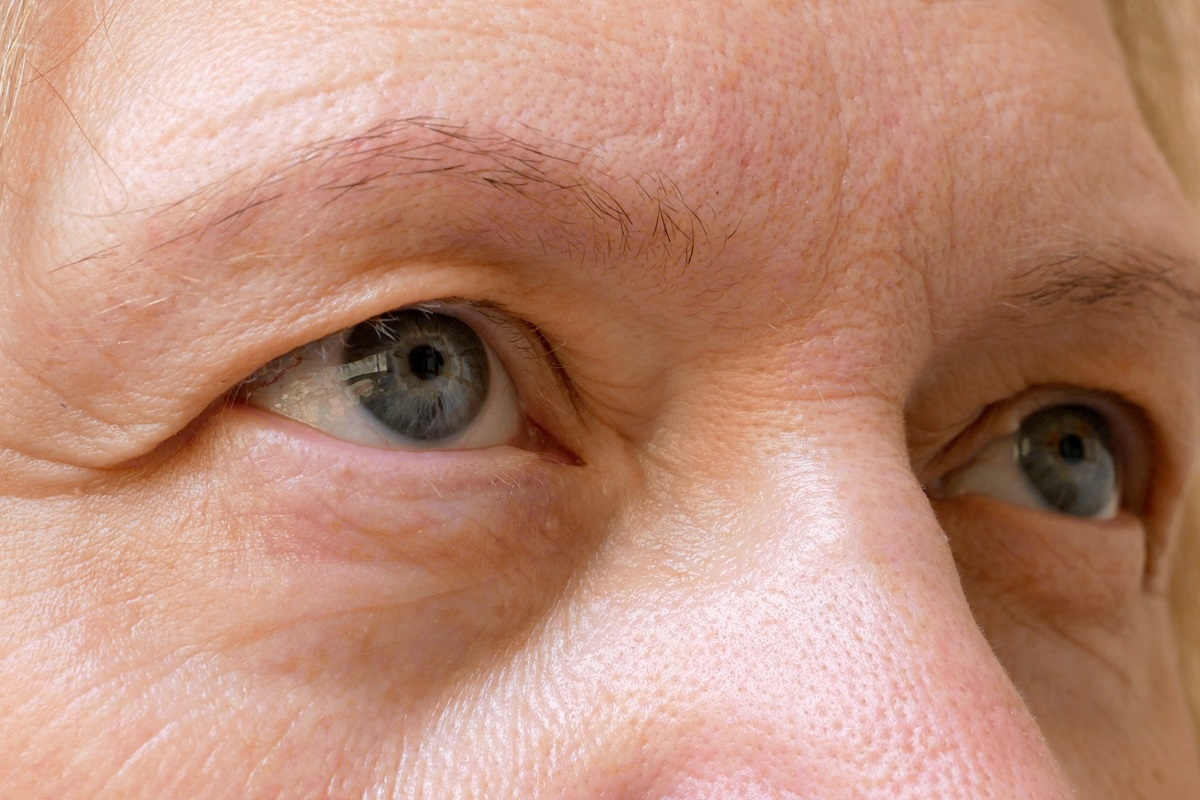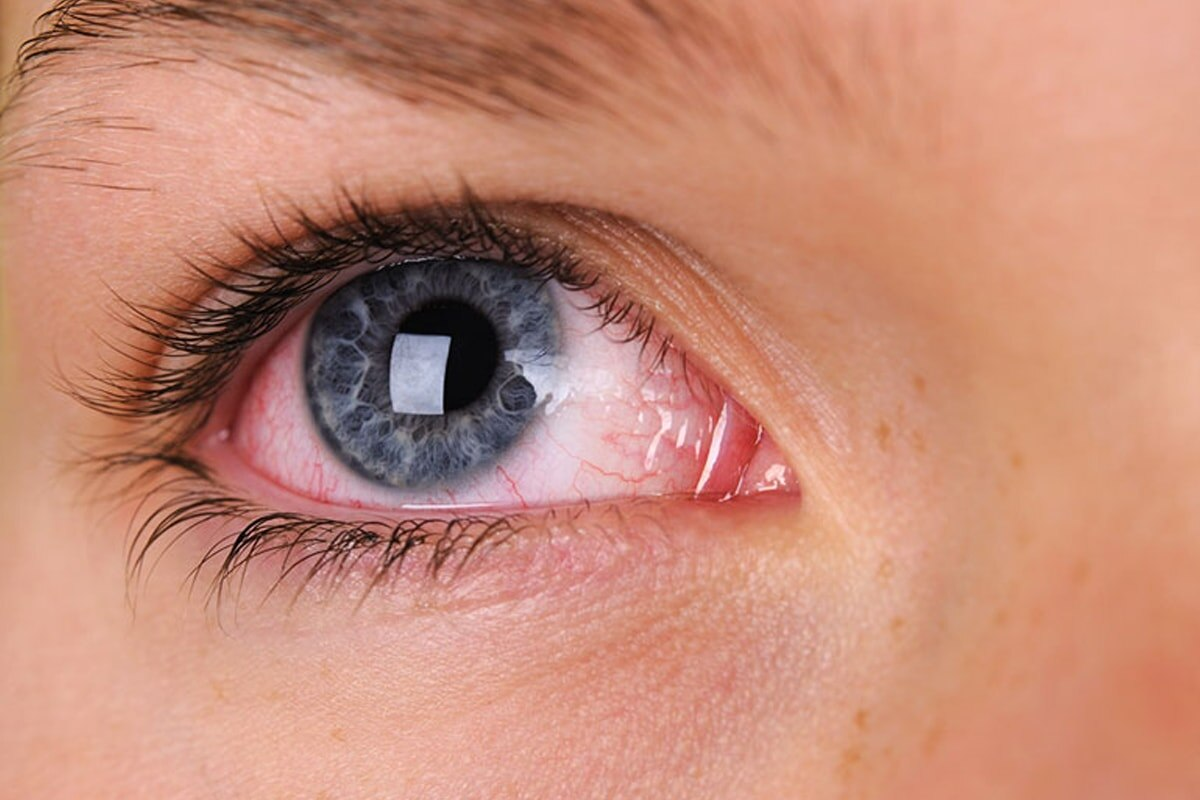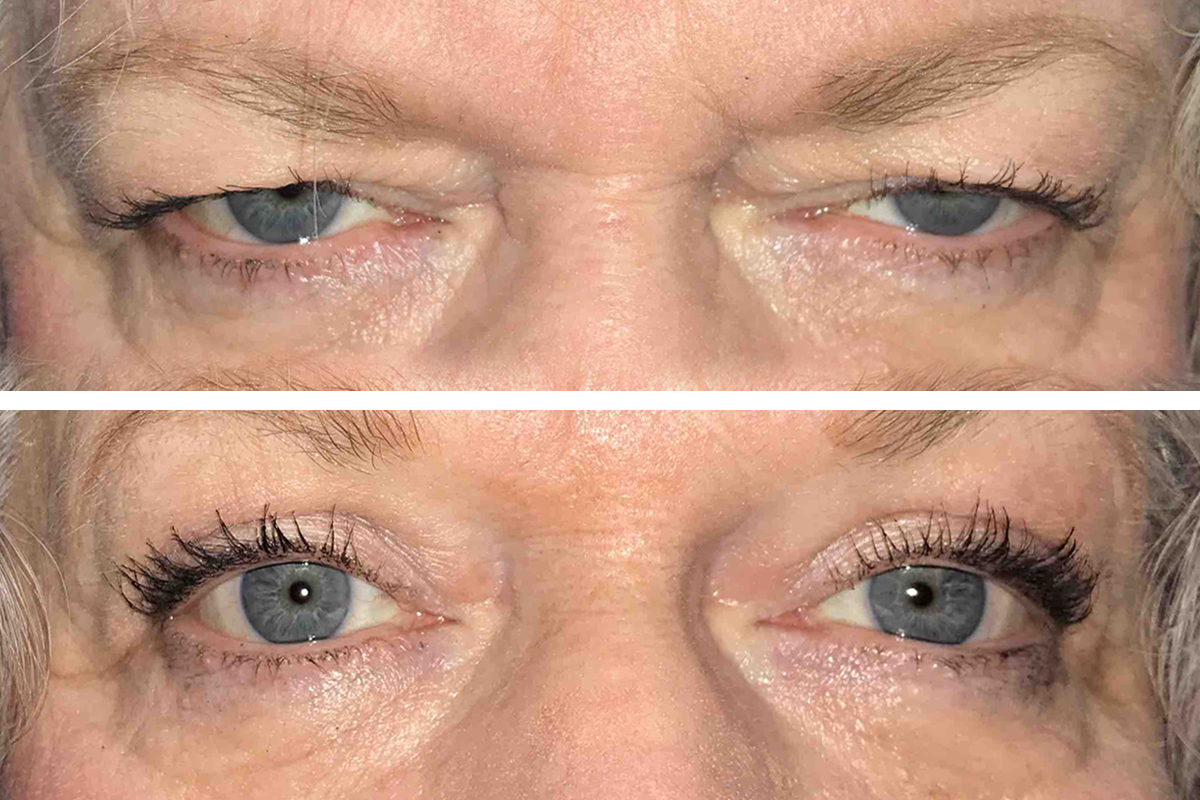

Feeling blurred vision and back pain together is not just a coincidence. It often means there’s a bigger issue that needs a doctor’s check-up blurred vision and back pain.
At Liv Hospital, we focus on you, the patient. We follow international standards to make sure you get the best care. This includes checking your spine and eyes together.
Studies show a strong link between spinal problems and eye issues. This shows we need to look at both symptoms together.
We’ll dive into why you might see things blurry and feel back pain. We’ll share tips from experts on how to handle these problems.
Key Takeaways
- Understanding the link between visual symptoms and spinal health is key to good treatment.
- Conditions like ankylosing spondylitis and cervical spondylosis can cause both blurred vision and back pain.
- You need a full check-up to find out what’s really going on.
- Liv Hospital’s approach means we treat all your symptoms together.
- Recent studies show a clear link between spinal issues and eye problems.
The Link Between Visual Symptoms and Spinal Health
Exploring the connection between visual symptoms and spinal health shows us how important nerves are. The spine affects more than just back pain. It also impacts our vision.
The spine and vision are linked through the nerves in the spinal column. These nerves can affect our health, including our eyes. For example, back pain and blurred vision can happen if nerves get compressed or irritated.
Neurological Connections Explained
The connection between the spine and eyes is complex. The spinal cord links to the brain, where vision is processed. Any problem in this link, like spinal cord compression, can cause vision issues.
“The relationship between the spine and the visual system is an area of increasing interest, with research suggesting that spinal conditions can have a significant impact on vision.”
Medical Expert, Neurologist
Research focuses on how spinal issues affect our vision. For example, some spinal problems can put pressure on nerves that control eye movements. This can disrupt how we see.
Statistical Prevalence and Research Findings
Studies have found interesting facts about visual symptoms in spinal patients. A study in a top medical journal showed many spinal patients have vision problems, like blurred vision.
Spinal Condition | Prevalence of Visual Symptoms |
Cervical Spondylosis | 35% |
Ankylosing Spondylitis | 25% |
Herniated Discs | 40% |
These findings highlight the need to look at spinal health when dealing with vision issues. As we learn more, we can better help patients with both back pain and vision problems.
Ankylosing Spondylitis: Vision and Spine Impact

Understanding the link between ankylosing spondylitis and its effects on the spine and eyes is key. Ankylosing spondylitis (AS) is a chronic inflammatory disease mainly affecting the spine. But it can also impact other areas, including the eyes.
Uveitis and Iritis Development
AS can affect the eyes, leading to uveitis and iritis. Uveitis is an inflammation of the uvea, causing pain, sensitivity to light, and vision problems. Iritis, a type of uveitis, affects the iris and causes similar symptoms. These eye conditions need quick medical attention to avoid serious issues.
The exact cause of uveitis and iritis in AS patients is not fully known. It’s believed to be linked to the disease’s inflammatory nature. Regular eye exams are vital for early detection and treatment.
Characteristic Back Pain Symptoms
Back pain is a major symptom of ankylosing spondylitis. The pain is usually chronic and can vary in intensity. It often starts in the lower back and can spread to other areas.
The stiffness and pain from AS can greatly affect a person’s quality of life. It can make it hard to do daily activities.
- Persistent back pain and stiffness, mainly in the morning
- Pain that improves with activity but worsens with rest
- Gradual loss of spinal mobility
Relief Strategies for AS-Related Symptoms
Managing AS symptoms needs a multi-faceted approach. For back pain, physical therapy and exercises can help keep flexibility and reduce stiffness. For eye issues, quick treatment of uveitis and iritis is key to prevent damage.
Relief strategies include:
- Regular exercise and physical therapy to keep spinal flexibility
- Medications to reduce inflammation and manage pain
- Regular eye exams to watch for signs of uveitis or iritis
By using a detailed treatment plan, people with AS can manage their symptoms better. It’s important to work closely with healthcare providers. This way, a management strategy can be created that addresses both spinal and ocular symptoms of the disease.
Cervical Spondylosis and Its Effect on Vision
Cervical spondylosis can cause vision problems. This happens because nerves and blood vessels in the neck get compressed. This condition affects the spine and vision.
Sympathetic Nerve Compression Mechanisms
The sympathetic nervous system controls many body functions, including vision. In cervical spondylosis, nerves get compressed. This can lead to blurred vision and back pain.
Compression can happen due to herniated discs or bone spurs. Studies show that this compression affects the autonomic nervous system. This can cause visual disturbances.
Bone Spurs and Autonomic Disturbances
Bone spurs grow in the cervical spine due to degeneration. They can compress nerves and affect the autonomic nervous system. This can lead to vision problems.
Bone spurs in cervical spondylosis cause autonomic disturbances. This includes problems with vision. Healthcare providers can target these symptoms with specific treatments.
Symptom | Possible Cause | Treatment Approach |
Blurred Vision | Sympathetic Nerve Compression | Physical Therapy, Pain Management |
Back Pain | Degenerative Changes in Cervical Spine | Exercise, Posture Correction |
Eye Strain | Autonomic Disturbances | Vision Therapy, Relaxation Techniques |
Treatment Approaches for Cervical Spondylosis
Managing cervical spondylosis needs a full approach. It should address spinal and visual symptoms. Treatments include physical therapy, pain management, and vision therapy.
A multi-faceted treatment plan can help a lot. It can reduce back and eye pain. Working with healthcare professionals is key to finding the right treatment.
Myofascial Trigger Points Causing Blurred Vision and Back Pain
Myofascial trigger points are a common cause of back pain and blurred vision. These are areas of muscle tissue that are knotted and inflamed. This causes pain and stiffness in the affected areas.
When these trigger points occur in specific muscles, they can lead to symptoms like back pain and visual disturbances.
Sternocleidomastoid and Upper Back Muscle Involvement
The sternocleidomastoid muscle is a large muscle in the neck. It plays a big role in the development of myofascial trigger points. When this muscle is affected, it can refer pain to the face and eyes, causing blurred vision.
The upper back muscles, including the trapezius and rhomboids, can also develop trigger points. These can contribute to back pain.
Blood Flow Restriction Effects
Trigger points in the neck and upper back can compress blood vessels. This restricts blood flow to the brain and eyes. Symptoms like dizziness, blurred vision, and headaches can result.
The vertebral artery, which supplies blood to the brain, can be affected by muscle tension in the neck.
Trigger Point Release Techniques
Releasing myofascial trigger points can provide significant relief. Techniques include manual therapy, such as massage and manipulation. Self-myofascial release using tools like foam rollers or tennis balls is also effective.
Stretching exercises can help reduce muscle tension and improve blood flow.
Muscle Group | Common Trigger Points | Referred Symptoms |
Sternocleidomastoid | Neck and face pain | Blurred vision, headache |
Upper Back | Trapezius, rhomboids | Back pain, shoulder pain |
Vertebral Artery Complications and Visual Disturbances
It’s important to know how vertebral artery problems can cause vision issues. The vertebral artery is key for brain blood supply, including the visual area. Trouble with this artery can lead to blurred vision and back pain.
Blood Supply to Visual Cortex
The visual cortex is in the back part of the brain. It deals with seeing things. The vertebral artery helps supply blood to this area. Any problem with this blood supply can cause vision issues.
Warning Signs of Vertebral Artery Issues
Knowing the signs of vertebral artery problems is key. Look out for:
- Dizziness or vertigo
- Blurred vision or double vision
- Severe headache
- Nausea or vomiting
- Back and eye pain
These signs can mean different things, like artery problems or stroke. If you see these signs, get help fast.
Emergency Response Protocols
Act quickly if you think you have a vertebral artery problem. Here’s what might happen:
- Quick check of symptoms and health history
- Imaging tests like MRI or CT scans
- Medicine to stop stroke
- Surgery might be needed to fix the artery
Quick action can help a lot. If you have back and eye pain or blurred vision and back pain, get medical help right away.
Diagnostic Approaches for Combined Symptoms
Figuring out why you have blurred vision and back pain takes a detailed plan. When these symptoms show up together, doctors have to look at many possible reasons. They use a careful method to find the cause.
Medical History and Physical Examination
Getting your medical history is key to finding what’s causing your symptoms. We start by asking about your symptoms, when they started, and how bad they are. We also ask what makes them better or worse.
Then, we do a physical check-up. This includes looking at your spine, eyes, and nervous system. We’re looking for any signs of problems or conditions.
In the physical check-up, we check your posture and how well your spine moves. We also look for muscle tension or nerve problems. Eye tests check your vision, how your pupils react, and how well your eyes move.
Imaging and Laboratory Tests
Imaging tests help us see what’s going on inside your body. We might use:
- X-rays to see your spine’s bones and find problems like fractures or wear and tear.
- MRI (Magnetic Resonance Imaging) to see soft tissues like discs, nerves, and the spinal cord. This helps find issues like herniated discs or spinal stenosis.
- CT (Computed Tomography) scans to get detailed pictures of your spine. This helps find problems like bone spurs or broken vertebrae.
We also do blood tests to check for infections, inflammation, or other conditions that might be causing your symptoms.
Specialist Referral Guidelines
If our tests and exams show something serious, we might send you to a specialist. For example, if you have neck pain or problems with your vertebral artery, you might see a neurologist or vascular specialist. If you have signs of inflammatory diseases like ankylosing spondylitis, you might see a rheumatologist.
Condition | Specialist | Diagnostic Clues |
Cervical Spondylosis | Neurologist | Neck pain, radiculopathy, imaging showing bone spurs or disc degeneration |
Ankylosing Spondylitis | Rheumatologist | Chronic back pain, stiffness, HLA-B27 positive, sacroiliitis on imaging |
Vertebral Artery Complications | Vascular Specialist | Dizziness, visual disturbances, imaging showing vertebral artery stenosis or dissection |
By using a detailed approach, we can find out what’s causing your blurred vision and back pain. This helps us choose the best treatment for you.
Immediate Relief Strategies for Blurred Vision and Back Pain
To help with blurred vision and back pain, we suggest a few steps. These include improving your posture, taking breaks for your eyes, and managing pain. These actions can greatly improve your life quality.
Posture Correction Techniques
Good posture is key to avoiding neck and back strain. This strain can lead to blurred vision and pain. Making small changes in your daily life can help a lot.
- Make sure your workspace is set up right for good posture.
- Stand up, stretch, and move around often.
- Do exercises that strengthen your core and back.
Vision Rest and Eye Exercises
Resting your eyes and doing specific exercises can help eye strain. This can reduce blurred vision. Adding these to your daily routine can be very helpful.
- Every 20 minutes, look away from your screen and focus on something 20 feet away for 20 seconds.
- Do eye rotations and focus on a point, then shift your gaze to another point.
- Blink often to spread tears evenly across your eyes.
Pain Management Options
Managing back pain and blurred vision is important. There are many options, from simple treatments to more complex ones.
Pain Management Option | Description | Benefits |
Physical Therapy | Personalized exercise programs to improve flexibility and strength | Reduces pain, improves mobility |
Medication | Over-the-counter or prescription medications for pain relief | Quick relief, reduces inflammation |
Relaxation Techniques | Methods such as meditation or deep breathing to reduce stress | Reduces muscle tension, promotes relaxation |
By using these strategies every day, you can better manage blurred vision and back pain. This will improve your overall health and well-being.
Long-Term Management and Treatment Plans
To tackle blurred vision and back pain for good, a complete treatment plan is needed. This plan covers many areas of care. It aims to give lasting relief and better life quality.
Managing these symptoms is not just about quick fixes. It’s about making long-term changes in how we live and treat ourselves. A team effort approach can lead to big improvements in both eye and back health.
Physical Therapy Protocols
Physical therapy is key for managing back and eye pain over time. It includes exercises tailored to strengthen the muscles around the spine. These exercises also help improve posture and ease eye strain.
Some important parts of physical therapy are:
- Stretching to make muscles more flexible and less tense
- Strengthening to support the spine and posture
- Manual therapy to ease pain and aid healing
Vision Therapy Considerations
For those with blurred vision and back pain, vision therapy is a great addition to their treatment. It works to boost visual skills, cut down eye strain, and make vision more comfortable.
Vision therapy might include:
- Eye exercises to sharpen focus and reduce eye tiredness
- Methods to better binocular vision and depth perception
- Ways to handle visual stress and keep eyes healthy
Medication Management
At times, medicine is needed to handle the root causes of back and eye pain. Good medicine management means weighing the good and bad of different drugs carefully.
Some common medicines used are:
- Anti-inflammatory drugs to lessen pain and swelling
- Muscle relaxants to ease muscle tightness
- Painkillers for ongoing pain
By mixing these treatments and customizing them for each person, we can manage blurred vision and back pain effectively over the long haul.
Lifestyle Modifications to Reduce Symptom Recurrence
Changing your lifestyle can help prevent blurred vision and back pain. Making small changes in your daily habits and environment can make a big difference. This can help reduce how often and how bad these symptoms are.
Ergonomic Workspace Setup
Having an ergonomic workspace is key to avoiding eye and back strain. It means setting up your workspace to support good posture and reduce eye stress.
- Place your computer monitor about 20-25 inches away and slightly below eye level.
- Choose an ergonomic chair that supports your lower back’s natural curve.
- Keep your keyboard and mouse close to avoid stretching.
Exercise Routines for Prevention
Regular exercise is important for keeping your spine healthy and preventing vision problems. A good exercise plan should include cardio, strength training, and flexibility exercises.
Exercise Type | Benefits | Examples |
Cardiovascular | Improves blood flow, reduces inflammation | Brisk walking, cycling, swimming |
Strength Training | Enhances muscle support for the spine | Core exercises, weightlifting |
Flexibility | Maintains range of motion, reduces muscle tension | Yoga, stretching exercises |
Nutritional Support Strategies
Eating a balanced diet is important for your overall health, including your eyes and spine. Foods rich in omega-3 fatty acids, vitamin A, and calcium are key.
Nutritional Tips:
- Eat foods like salmon and walnuts for their omega-3 fatty acids.
- Leafy greens and carrots are good for your vision.
- Make sure you get enough calcium from dairy or supplements.
By making these lifestyle changes, you can lower the chance of getting blurred vision and back pain. This can greatly improve your quality of life.
When to Seek Emergency Medical Attention
Blurred vision and back pain can signal serious health issues that need quick medical help. We’ll show you the warning signs that mean you should go to the emergency room. We’ll also help you find the right doctor for more checks.
Red Flag Symptoms Requiring Immediate Care
Some symptoms with blurred vision and back pain mean you need to see a doctor right away. These include:
- Sudden severe headache
- Difficulty speaking or swallowing
- Weakness or numbness in limbs
- Loss of bladder or bowel control
- Severe chest pain or trouble breathing
Finding the Right Medical Specialist
If you have red flag symptoms, you might need to see a specialist. This could be an emergency doctor, a neurologist, or an orthopedic specialist, depending on your symptoms.
Specialist | Condition |
Emergency Medicine Physician | Acute injuries or conditions requiring immediate attention |
Neurologist | Conditions affecting the nervous system, such as stroke or multiple sclerosis |
Orthopedic Specialist | Musculoskeletal disorders, including back pain |
Knowing which specialist to see can help you get the best care for your condition.
Conclusion
Understanding the link between blurred vision and back pain is key to feeling better. We’ve looked at why these symptoms happen, how to figure out the cause, and how to treat them.
Knowing the reasons behind these symptoms helps people get the right medical help. This could be for conditions like ankylosing spondylitis or cervical spondylosis. Doctors use medical history, physical checks, and imaging to find the cause.
Managing these symptoms involves quick fixes and long-term plans. Simple steps like improving posture and taking breaks from looking at screens can help. Physical therapy, eye exercises, and the right medicines are also important for lasting relief.
It’s important to see a doctor if symptoms don’t go away or if they’re severe. Working with doctors can lead to a treatment plan that really works. This way, people can live better lives.
FAQ
What are the common causes of blurred vision and back pain?
Blurred vision and back pain can come from several sources. Ankylosing spondylitis, cervical spondylosis, and myofascial trigger points are common culprits. These issues can harm both your spine and eyes, causing these symptoms.
How does ankylosing spondylitis affect the eyes and back?
Ankylosing spondylitis can lead to eye pain and vision issues. This is due to uveitis and iritis. It also causes back pain because of inflammation in the spine.
What is the link between cervical spondylosis and vision problems?
Cervical spondylosis can press on nerves that affect vision. Bone spurs and other issues can also cause vision problems.
How do myofascial trigger points cause blurred vision and back pain?
Trigger points in muscles can block blood flow. This can lead to blurred vision and back pain. Techniques to release these points can help.
What are the warning signs of vertebral artery issues?
Look out for dizziness, vision problems, and neck pain. If you notice these, get medical help right away.
How are blurred vision and back pain diagnosed?
Doctors use a detailed medical history and physical exam. They might also do imaging and lab tests. Sometimes, you’ll need to see a specialist.
What are the immediate relief strategies for blurred vision and back pain?
To feel better, try improving your posture and taking breaks for your eyes. There are also pain management options. These can help improve your life quality.
How can I prevent the recurrence of blurred vision and back pain?
Keep your workspace ergonomic and exercise regularly. Eating right and managing stress also helps. These steps can keep your spine and eyes healthy.
When should I seek emergency medical attention for blurred vision and back pain?
If you have severe pain, vision loss, or trouble speaking, get help fast. Quick medical care is key to avoiding serious problems.
What lifestyle modifications can help reduce symptom recurrence?
A healthy lifestyle is key. This includes regular exercise, good nutrition, and managing stress. These habits can lower the chance of symptoms coming back.
Can back pain and eye pain be related?
Yes, they can be connected. Conditions like cervical spondylosis and myofascial trigger points can affect both your back and eyes.
How can I manage eyes and back pain together?
To manage both, use a holistic approach. This includes improving your posture, resting your eyes, and managing pain. A healthcare professional can help create a plan just for you.
References
Government Health Resource. Blurred Vision and Back Pain: Underlying Causes, Relief. Retrieved from https://www.nice.org.uk/guidance/ng110