
Have you felt numbness in your eyes and seen things blurred? These signs can be scary and might mean something serious is going on. At Liv Hospital, we take these symptoms very seriously.
Peripheral neuropathy affects millions and happens when nerves get damaged. It’s caused by things like diabetes, nerve injuries, alcohol, toxins, genetic diseases, and not getting enough nutrients. It’s important to know how nerve damage can affect your vision to catch problems early.
We see how these symptoms are linked and need a full medical check-up. Our team uses the latest tools and knowledge to find the root cause. Then, we tailor care just for you.
Blurry vision and numb hands? Discover 5 alarming causes for these serious symptoms and why you need to seek help immediately.
Key Takeaways
- Peripheral neuropathy can cause numbness and blurred vision.
- Diabetes, nerve compression, and nutritional deficiencies are common causes.
- Comprehensive medical evaluation is key for diagnosis.
- Early action can stop serious problems.
- Liv Hospital offers a patient-focused approach with top-notch diagnostics.
Understanding Eye Numbness and Blurry Vision

When our eyes feel numb or our vision blurs, we worry about our health. Eye numbness and blurry vision can mess up our daily life. It’s important to know what causes these symptoms and how to fix them.
What Eye Numbness Feels Like
Eye numbness feels like a lack of feeling or a heavy sensation in the eyes. It might feel dull or like pressure behind the eyes. Some people feel like there’s something in their eye, even when there isn’t.
This numbness can be constant or come and go. It might also make your eyes feel dry or sore. Sometimes, it’s caused by eye strain from too much screen time or reading.
How Blurry Vision Manifests
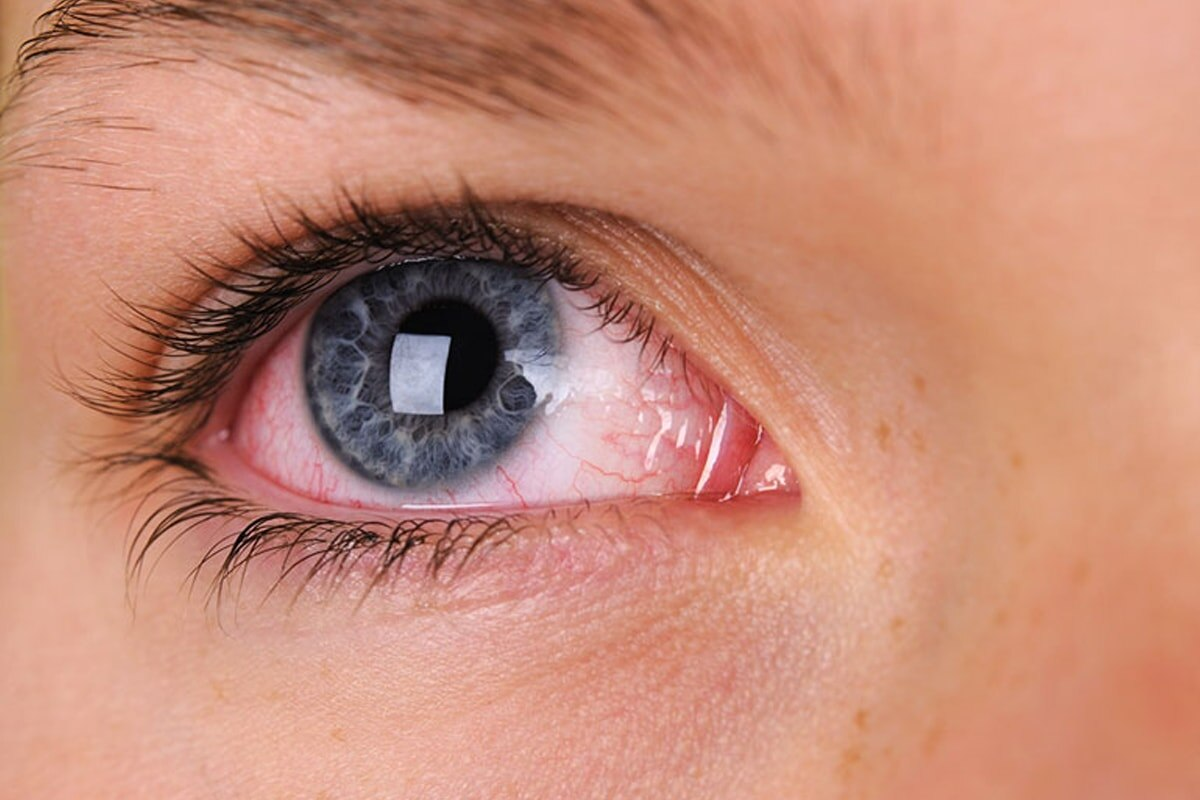
Blurry vision can show up in many ways, like everything looking fuzzy or double. It can happen in one or both eyes and may not always be there. It can be caused by simple vision problems or serious eye issues.
Peripheral blurry vision is when the edges of your vision are fuzzy. This can be a sign of serious eye problems. Knowing how blurry vision acts helps doctors find and treat the cause.
The Connection Between Blurry Vision and Numb Hands

Blurry vision and numb hands are not just random symptoms. They are connected through our complex nervous system. When you see both, it might mean there’s a bigger issue affecting your vision and nerves.
Shared Neurological Pathways
Our nervous system is a web of nerves, each with its own job. The shared neurological pathways between our eyes and hands can get hurt by certain conditions. For example, peripheral neuropathy can make your eyes and hands feel numb because it damages nerves.
To grasp this better, let’s look at how nerves are impacted:
Nerve Affected | Symptoms in Eyes | Symptoms in Hands |
Optic Nerve | Blurry Vision | N/A |
Peripheral Nerves | Numbness or Discomfort | Numbness, Tingling |
Median Nerve (Carpal Tunnel) | N/A | Numbness, Weakness |
Systemic Conditions Affecting Both Symptoms
Some diseases can make your vision blurry and your hands numb. Diabetes is a big one. It can damage nerves and cause eye problems.
Other diseases might also cause these symptoms:
- Multiple Sclerosis: Affects the brain and can lead to vision and numbness issues.
- Vitamin Deficiencies: Not having enough vitamins, like B12, can harm nerves and eyes.
It’s key to understand how blurry vision and numb hands are linked. If you’re dealing with these issues, seeing a doctor is a must. They can figure out what’s wrong and help you get better.
Why Does My Eye Feel Numb? Common Causes
Feeling numb in your eye can be puzzling. We’ll look at common reasons to help you understand what might be happening with your eye health.
Nerve-Related Causes
Numbness in the eye often comes from nerve problems. Nerve compression or injury can mess with nerve function, causing numbness. Conditions like peripheral neuropathy can also affect nerves around the eye.
Diabetes is another big factor. It can cause diabetic neuropathy, affecting nerves, including those around the eyes. Not getting enough vitamins like B12 can also hurt nerve health and lead to eye numbness.
Environmental and Behavioral Factors
Environmental and behavioral factors also play a big part. Too much screen time can cause eye strain, feeling like numbness or discomfort. Adjusting your screen settings and following the 20-20-20 rule can help.
Other things like dry air or chemicals can irritate your eyes, causing numbness or discomfort. Keeping your environment eye-friendly and taking breaks can help ease these symptoms.
Peripheral Neuropathy and Vision Problems
Peripheral neuropathy affects the nerves outside the brain and spinal cord. It can cause blurry vision. We’ll look at how it impacts eye function and causes visual issues.
Nerve Damage and Eye Function
Peripheral neuropathy can harm nerves that control eye movements and pupil responses. This damage can lead to vision problems. The autonomic nerves are key in controlling pupil size and light response. Damage to these nerves can disrupt vision.
Symptoms and Effects
Blurry vision is a common eye symptom of peripheral neuropathy. It happens because nerve damage messes with eye function. Some people also lose part of their peripheral vision, which is scary.
Symptom | Description | Possible Cause |
Blurry Vision | Distorted or unclear vision | Nerve damage affecting eye movements |
Loss of Peripheral Vision | Reduced field of vision | Damage to autonomic nerves |
Headaches | Frequent or severe headaches | Strain from vision disturbances |
It’s important to understand the link between peripheral neuropathy and vision issues. By treating the nerve damage, people can reduce some vision problems.
Diabetes as a Leading Cause of Eye Numbness and Blurriness
It’s important to know how diabetes affects your eyes. High blood sugar can cause eye numbness and blurriness. These problems often come from diabetic neuropathy and diabetic retinopathy.
Diabetic Neuropathy Explained
Diabetic neuropathy is nerve damage from diabetes. High blood sugar can harm nerves all over the body, including the eyes. Diabetic neuropathy can cause numbness, pain, and weakness in the eyes and other areas.
The nerves around the eyes can get affected. This can make you feel numb or uncomfortable. It might also mess with your eye movements, causing double vision or trouble focusing.
Diabetic Retinopathy and Vision Changes
Diabetic retinopathy is a serious eye problem from diabetes. It happens when high blood sugar damages the retina’s blood vessels. This can make vision blurry, cause floaters, or even lead to blindness if not treated.
Diabetic retinopathy starts with mild damage to the retina’s blood vessels. It can get worse, causing serious vision problems. Regular eye exams are vital for catching and managing this condition early.
To avoid these eye problems, managing diabetes is key. Keep your blood sugar in check, watch your blood pressure, and get your eyes checked often. This helps prevent serious eye issues.
Other Medical Causes of Eye Numbness and Blurriness
Many medical conditions can cause eye numbness and blurred vision. It’s important to know about these to get the right treatment.
Nerve Compression and Injury
Nerve compression or injury can cause blurry vision and numbness around the eyes. Conditions like multiple sclerosis or a pinched nerve in the neck can affect the nerves responsible for vision, leading to these symptoms.
- Nerve compression in the spine or neck can radiate symptoms to the eyes.
- Injuries to the head or face can directly impact the nerves around the eyes.
Alcohol and Toxin Exposure
Exposure to certain toxins and excessive alcohol consumption can damage the nerves and affect vision. Toxin exposure can occur through environmental factors or certain medications.
- Chronic alcohol abuse can lead to nutritional deficiencies that affect vision.
- Exposure to industrial chemicals or heavy metals can cause neurological damage.
Hereditary Conditions
Some hereditary conditions can predispose individuals to eye problems, including numbness and blurriness. These conditions often affect the retina or the optic nerve.
- Leber’s hereditary optic neuropathy is a condition that affects the optic nerve.
- Certain genetic disorders can lead to progressive vision loss.
Nutritional Deficiencies
Nutritional deficiencies, such as in vitamins B12 and B6, can affect the nervous system. This can lead to symptoms like tunnel vision or blurriness.
- Dietary deficiencies can impact nerve health and vision.
- Malabsorption conditions can lead to deficiencies that affect the eyes.
If you’re experiencing persistent or severe eye numbness and blurriness, see a healthcare professional. They can help diagnose and treat the issue effectively.
Anxiety and Vision: Understanding Tunnel Vision and Blurriness
Anxiety can mess with our eyesight, causing issues like tunnel vision. It can change how we see things, leading to vision problems. Knowing how anxiety affects our vision is key to handling these issues.
Physiological Effects of Anxiety on Vision
Anxiety sets off a chain of physical reactions in our body. It releases stress hormones like adrenaline. These hormones get our body ready to either fight or flee, affecting our heart rate, blood pressure, and breathing.
This can alter blood flow and oxygen to our eyes, causing vision issues. Blood flow and oxygen to our eyes can be affected, leading to vision problems.
The physical signs of anxiety, like tunnel vision, show how our body reacts. Tunnel vision happens when our body focuses on what’s right in front of us, ignoring the rest. This is our body’s way of dealing with threats.
Managing Anxiety-Related Vision Changes
To fix vision issues caused by anxiety, we need to tackle the anxiety itself. Deep breathing exercises, progressive muscle relaxation, and mindfulness meditation can help lower anxiety. This might also reduce vision problems.
Changing our lifestyle can also help. Regular exercise, a healthy diet, and enough sleep can help manage anxiety. This includes symptoms that affect our vision.
- Practice relaxation techniques regularly.
- Engage in physical activity to reduce stress.
- Maintain a healthy lifestyle to support mental well-being.
By understanding the connection between anxiety and vision issues, we can take steps to improve. By managing our anxiety, we can reduce symptoms like tunnel vision and blurriness. This can greatly enhance our quality of life.
Diagnostic Approaches for Eye Numbness and Blurry Vision
Figuring out why your eyes feel numb or blurry takes a detailed look. Doctors use a mix of medical history and special tests. They look at many possible reasons, like brain problems or eye issues.
Medical History and Physical Examination
Starting with a detailed medical history is key. We ask about when symptoms started, how long they last, and what they feel like. Knowing what makes symptoms better or worse is also important.
Next, we do a physical check. This includes looking at your eyes, brain, and overall health. We check for nerve damage, test your vision, and look for any eye problems.
Neurological Testing
Tests for the brain and nerves are vital. They help find problems with vision nerves. Some tests include:
- Electromyography (EMG): checks muscle and nerve health
- Nerve Conduction Studies (NCS): tests nerve function
- Visual Evoked Potentials (VEP): looks at brain’s visual area
These tests help us see if there’s damage in the vision path.
Ophthalmological Evaluation
Eye health checks are also important. They help find eye problems that might cause numbness and blurry vision. This might include:
- Visual Acuity Tests: checks how clear your vision is
- Dilated Eye Exam: looks at the back of the eye
- Tonometry: checks eye pressure
These tests tell us a lot about your eye health. They help us spot issues like glaucoma or cataracts.
By combining all this info, we can find out what’s causing your symptoms. Then, we can plan the best treatment.
Treatment Options and Self-Care Strategies
Eye numbness and blurred vision can be managed with medical treatments, lifestyle changes, and self-care. Finding the cause is key to effective treatment.
Medical Interventions
Medical treatments are important for eye numbness and blurred vision, often due to diabetes or nerve issues. Diabetic retinopathy might need laser treatment or injections to fix vision problems.
For nerve compression or damage, doctors might prescribe pain meds or surgery. It’s important to talk to a doctor to find the right treatment.
Condition | Medical Intervention |
Diabetic Retinopathy | Laser treatment, Injections |
Nerve Compression | Pain management medication, Surgery |
Peripheral Neuropathy | Medications for nerve pain, Lifestyle changes |
Lifestyle Modifications
Changing your lifestyle can help with eye numbness and blurred vision. For blurry vision in peripheral areas, eye exercises and a healthy diet are good.
Managing diabetes with diet, exercise, and meds can also help. Avoiding toxins and environmental stressors is good for your eyes.
Eye Care Practices
Good eye care is essential for managing these symptoms. Regular eye exams and wearing the right glasses are important. Following the 20-20-20 rule can also reduce eye strain.
For tunnel vision headache or similar issues, a personalized eye care plan is needed. This might include special exercises, diet tips, or changes to your daily routine.
Combining medical treatments, lifestyle changes, and eye care practices can help manage eye numbness and blurred vision. This improves your overall quality of life.
Conclusion: Protecting Your Eye Health and Nerve Function
Keeping your eyes and nerves healthy is key to avoiding blurry vision and numb hands. We’ve looked at why this happens, like with peripheral neuropathy, diabetes, and anxiety. It shows how important eye health is for our whole body.
To keep your vision sharp, manage any health issues you have. Eat well, exercise, and get regular eye checks. These steps help your nerves and eyes stay strong.
If you’re seeing blurry or feeling numb in your eyes, see a doctor right away. They can find out why and suggest the best treatment. This might include medicine, changes in your lifestyle, or special eye care.
By taking care of your eyes and nerves, you can avoid serious problems. Remember, your eye health is important. Always seek help when you need it.
FAQ
What does it mean when my eye feels numb and blurry?
Eye numbness and blurriness can mean different things. They might be signs of peripheral neuropathy, diabetes, or anxiety. We look into what these symptoms could mean for your eyes.
Can peripheral neuropathy cause blurry vision?
Yes, it can. Peripheral neuropathy can mess with the nerves that control your eyes. This can lead to blurry vision. It’s important to understand how it affects your vision.
How does diabetes affect eye numbness and blurred vision?
Diabetes can lead to nerve damage, known as diabetic neuropathy. It can also cause diabetic retinopathy, which harms the retina’s blood vessels. Both can cause numbness and blurred vision in the eyes.
Can anxiety cause tunnel vision and blurriness?
Yes, it can. Anxiety can change how you see things, causing tunnel vision and blurriness. We talk about ways to handle these vision changes.
What are the common causes of eye numbness?
Eye numbness can come from nerve issues like peripheral neuropathy. It can also be caused by eye strain from too much screen time.
How is eye numbness and blurry vision diagnosed?
Doctors use a detailed medical history and physical exam to diagnose these symptoms. They might also do tests like neurological and ophthalmological evaluations.
What are the treatment options for eye numbness and blurred vision?
Treatment depends on the cause. It might include medicine, lifestyle changes, or eye care practices. These help manage symptoms and keep your eyes healthy.
Can a pinched nerve cause blurry vision?
Yes, it can. If a pinched nerve affects the nerves that control your eyes, it might cause blurry vision. We look into how nerve compression can affect your vision.
How can I manage anxiety-related vision changes?
To manage vision changes from anxiety, tackle the anxiety first. Use relaxation techniques, therapy, or medication. Also, take care of your eyes with good habits.
What lifestyle changes can help alleviate eye numbness and blurred vision?
Making healthy choices can help. Eat well, exercise, manage stress, and take care of your eyes. These habits can improve your vision.
Can nutritional deficiencies cause eye numbness and blurred vision?
Yes, they can. Lack of vitamins like B12 can damage nerves and cause numbness and blurred vision in the eyes.
How can I protect my eye health and nerve function?
Keep your eyes and nerves healthy by living well. Manage any health issues and take care of your eyes. This prevents vision problems.
References
National Center for Biotechnology Information. Numb and blurry eyes: Causes and solutions. Retrieved from https://www.ncbi.nlm.nih.gov/pmc/articles/PMC2945176/