What Is BMI?
The Body Mass Index (BMI) is a widely recognized screening tool used to estimate body fat and determine whether an individual falls within a healthy weight range relative to their height. By calculating the ratio of weight to height, BMI serves as a preliminary indicator of potential health risks associated with being underweight, overweight, or obese. Maintaining a BMI within the “normal” range is considered a foundational pillar of long-term metabolic health.
What Does BMI Actually Measure?
Mathematically, BMI is defined as a person’s weight in kilograms divided by the square of their height in meters ($BMI = kg/m^2$).
While BMI correlates with body fat in most people, it has specific limitations:
- Athletes: Individuals with high muscle mass may have a high BMI despite having low body fat, as muscle is denser than fat.
- Elderly Adults: Due to natural muscle loss (sarcopenia), BMI may underestimate the actual percentage of body fat in older populations.
- Clinical Use: Because it does not distinguish between muscle, bone mass, and fat, healthcare professionals use BMI as a starting point, often pairing it with other diagnostic tests to assess a patient’s full health profile.
BMI Classification for Adults
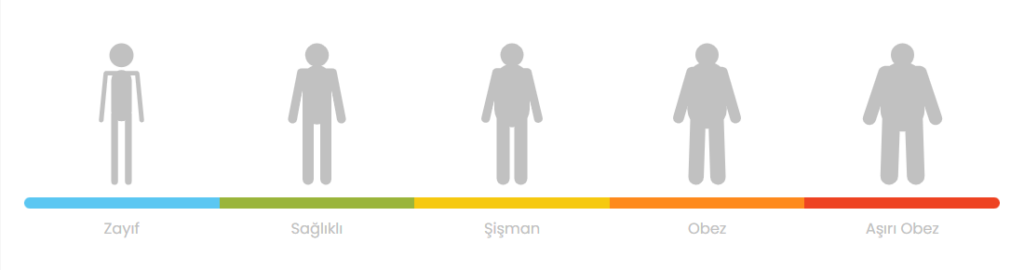
For adults aged 20 and older, BMI results are categorized into standard weight status ranges. You can determine your category by comparing your calculated value to the table below:
| BMI Range (kg/m²) | Weight Status |
| Below 18.5 | Underweight |
| 18.5 – 24.9 | Normal / Healthy Weight |
| 25.0 – 29.9 | Overweight |
| 30.0 – 34.9 | Obesity (Class I) |
| 35.0 – 39.9 | Obesity (Class II) |
| 40.0 and Above | Severe/Morbid Obesity (Class III) |
Note: To gain a more comprehensive view of health, clinicians may also measure waist circumference, skinfold thickness, or utilize DEXA scans to analyze body composition more accurately.
Health Risks Associated with BMI Extremes
An ideal balance of fat mass is vital for hormone regulation, vitamin absorption (A, D, E, and K), and energy storage.
- High BMI Risks: Excess body fat is a primary risk factor for chronic conditions such as Type 2 diabetes, hypertension (high blood pressure), cardiovascular disease, stroke, sleep apnea, and certain types of cancer.
- Low BMI Risks: A BMI below 18.5 may indicate malnutrition, a weakened immune system, osteoporosis (decreased bone density), and fertility issues.
BMI in Children and Adolescents
BMI is calculated differently for children (ages 2–19) because their body composition changes significantly as they grow, and these changes vary by gender. Instead of fixed weight categories, healthcare providers use BMI-for-age percentiles:
- Underweight: Below the 5th percentile.
- Healthy Weight: 5th percentile to less than the 85th percentile.
- Overweight: 85th to less than the 95th percentile.
- Obese: 95th percentile or higher.
Growth charts from organizations like the CDC are essential for tracking these percentiles over time to ensure a child is developing at a healthy rate.
Actionable Steps Based on Your Results
If your BMI falls outside the “Normal” range, proactive lifestyle adjustments are recommended:
- Nutritional Optimization: Prioritize nutrient-dense foods, including leafy greens, lean proteins, and whole grains, while limiting processed sugars.
- Physical Activity: Aim for at least 150 minutes of moderate-intensity aerobic activity per week.
- Holistic Habits: Focus on restorative sleep (7–9 hours), stress management, and avoiding tobacco or excessive alcohol.
- Professional Guidance: If your BMI is over 30, consulting a registered dietitian or a physician is highly beneficial for creating a supervised, sustainable weight-management plan.
Frequently Asked Questions
Is BMI an accurate indicator of health?
BMI is a useful screening tool for populations, but it is not a direct measure of individual health. It fails to account for fat distribution (such as visceral fat vs. subcutaneous fat) and metabolic health markers like cholesterol or blood glucose levels. Always consult a professional for a comprehensive clinical evaluation.
Does BMI apply to everyone equally?
No. BMI is less accurate for certain groups. For example, pregnant women should not use standard BMI scales as their weight gain is a necessary part of fetal development. Similarly, highly trained athletes often have a high BMI due to dense muscle mass, which does not carry the same health risks as excess body fat.
Why is waist circumference sometimes measured alongside BMI?
BMI doesn’t show where fat is stored. Research indicates that visceral fat (fat stored around the abdominal organs) carries a much higher risk for heart disease and Type 2 diabetes than fat stored in the hips or legs. A waist measurement helps clinicians identify “central obesity,” providing a clearer picture of metabolic risk.
Can I have a “Normal” BMI and still be unhealthy?
Yes. This is often referred to as “Normal Weight Obesity” or being “skinny fat.” An individual may have a BMI within the 18.5–24.9 range but possess a high body fat percentage and low muscle mass. In such cases, they may still face risks like high cholesterol or insulin resistance despite their weight appearing “normal” on the scale.
How often should I calculate my BMI?
For most healthy adults, checking your BMI once or twice a year is sufficient. However, if you are undergoing a specific weight management program or have a medical condition that affects your weight, your healthcare provider may monitor it more frequently. It is more important to look at the trend of your weight over time rather than daily fluctuations.
Is a low BMI always a sign of an eating disorder?
Not necessarily. While a very low BMI is a clinical marker for conditions like Anorexia Nervosa, it can also be caused by hyperthyroidism, celiac disease, certain infections, or genetics. If your BMI is consistently below 18.5, it is important to see a doctor to rule out underlying medical issues or nutritional deficiencies.