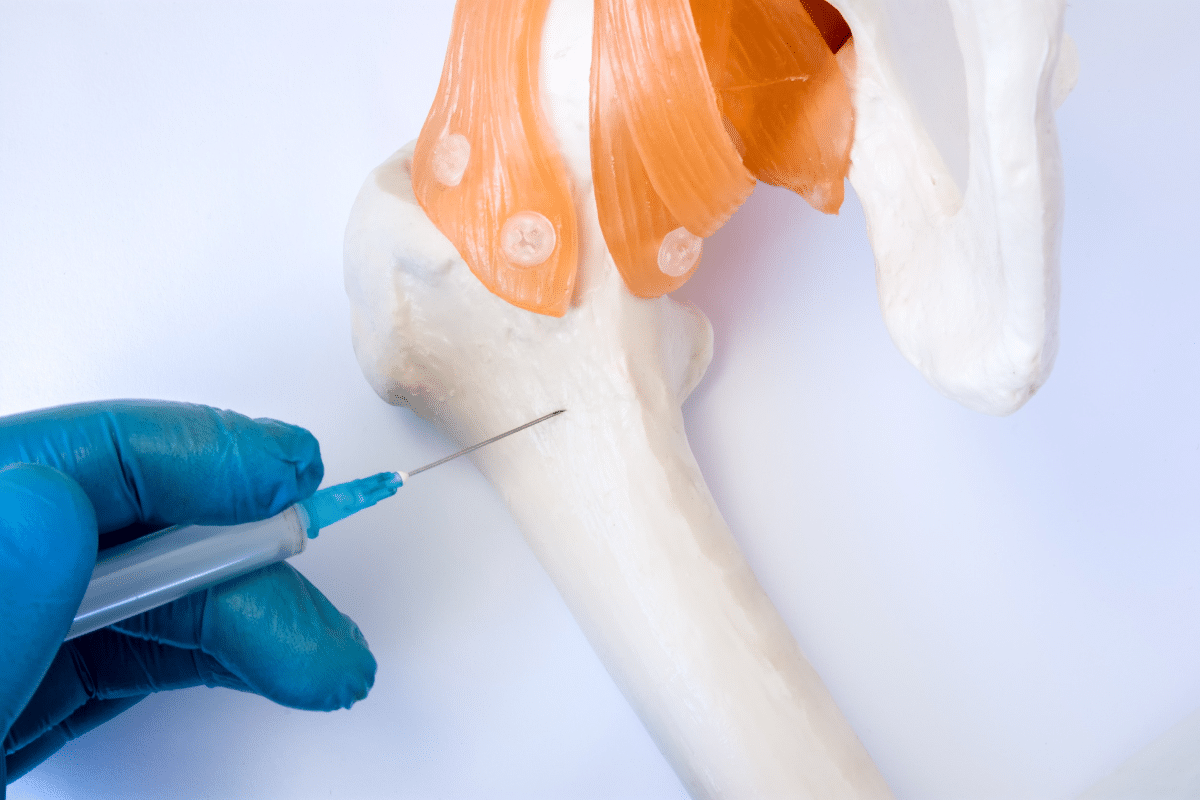
Silicon is a key nutrient that helps improve osteogenesis and bone health. Studies show it’s vital for bone health. It has special benefits for mineralizing and calcifying bones.
Liv Hospital combines global medical knowledge and the latest treatments. They help patients improve their bone health. They use silicon’s benefits in their treatments.
Key Takeaways
- Silicon is key for better osteogenesis and bone health.
- Research shows silicon’s importance for bone health.
- Silicon has special benefits for bone mineralization and calcification.
- Liv Hospital uses proven methods to use silicon’s benefits.
- Improving bone health is possible with global medical expertise and new treatments.
The Science of Bone Calcification and Skeletal Health

Skeletal health depends on bone calcification, a process that mixes minerals and organic matrices. Bone calcification keeps our bones strong and dense. This is key for our body’s support and protection.
The Physiological Process of Mineral Deposition
The process of mineral deposition is complex. It involves calcium and other minerals being added to a collagen matrix. Hormones, growth factors, and cells work together to keep bones healthy.
This process is not random. It happens at specific sites in the bone matrix. Knowing this helps us understand how bones are made and kept strong.
Collagen Cross-Linking and Structural Integrity
Collagen cross-linking is vital for bone strength. It creates strong bonds between collagen fibers. This makes bones able to withstand weight and prevent fractures.
The strength of bones comes from both collagen and minerals. Together, they make bones strong and flexible.
Markers of Optimal Bone Mineralization
Checking bone mineralization means looking at different markers. These include blood tests for calcium and phosphate, and scans like DXA. These help see how well bones are doing.
Good bone health means bones are being built and broken down in balance. Silicon helps keep this balance. Watching these markers helps catch problems early and prevent them.
Silicon’s Essential Role in Bone Formation

Bone formation is a complex process. Silicon plays a key role in it. It’s part of the dance of minerals and biological processes that build and keep bones strong.
Silicon as a Trace Element in Human Physiology
Silicon is a trace element important for human health. It helps keep bones and other tissues strong. It’s vital for many biological processes and is being studied for its role in bone health.
- Silicon helps make collagen, a protein in bones, skin, and connective tissue.
- It helps minerals stick to collagen, making bones harder.
Silicon’s Contribution to Osteogenesis
Osteogenesis, or bone formation, is boosted by silicon. Studies show silicon helps stem cells turn into bone cells. This increases bone growth.
Localization of Silicon at Active Calcification Sites
Research shows silicon is found at bone’s active calcification sites. This is key for mineral deposition and bone density.
- Silicon helps with mineral deposition at these sites.
- It boosts osteoblasts, the bone-building cells.
- Its interaction with minerals like calcium is important for bone health.
In summary, silicon’s role in bone formation is complex. It affects osteogenesis, is found at calcification sites, and impacts bone health. Understanding this can help prevent and treat bone disorders.
Research Evidence: How Silicon Improves Bone Calcification
Research shows that silicon can boost bone mineral density. This helps in improving bone calcification. We’ll look at the studies that support silicon’s role in bone health.
Clinical Studies on Silicon and Bone Mineral Density
Many studies have looked at silicon’s effect on bone mineral density (BMD). A key study in the Journal of Bone and Mineral Research found silicon helps increase BMD in people with osteoporosis.
Studies show silicon, often as orthosilicic acid, helps BMD by boosting collagen and improving bone quality. For example, a trial showed silicon supplements improved BMD more than a placebo.
Comparative Analysis Between Different Demographics
Research has also looked at silicon’s impact on bone calcification in different groups. A study compared silicon’s effect on BMD in various age groups. It found that while everyone benefited, younger people saw bigger improvements.
|
Demographic Group |
Change in BMD with Silicon Supplementation |
|---|---|
|
Young Adults |
+12% |
|
Middle-Aged Adults |
+8% |
|
Elderly |
+5% |
Longitudinal Studies on Fracture Risk Reduction
Long-term studies have shown silicon’s role in lowering fracture risk. A major study tracked participants for five years. It found silicon supplements reduced fractures significantly compared to controls.
Determining Your Optimal Silicon Intake
To keep your bones healthy, knowing how much silicon you need is key. Silicon helps bones grow and stay strong. Knowing your silicon needs helps you choose the right foods and supplements.
Standard Recommendations
Experts say most adults need about 25mg of silicon daily. This amount supports bone health for many. But, your needs can change based on several factors.
Adjusting Intake Based on Individual Factors
Many things can affect how much silicon you need. Your age, sex, and health are important. For example, older people or those with bone fractures might need more silicon. Your diet, lifestyle, and health conditions also play a role.
Recognizing Silicon Deficiency Symptoms
Not getting enough silicon can cause problems like weak bones, brittle nails, and skin issues. If you notice these signs, talk to a doctor. They can help figure out what you need.
|
Factor |
Influence on Silicon Intake |
Potential Deficiency Symptoms |
|---|---|---|
|
Age |
Older adults may require more silicon |
Bone loss, osteoporosis |
|
Diet |
A diet low in silicon-rich foods may require supplementation |
Poor bone health, brittle nails |
|
Health Status |
Certain medical conditions may affect silicon absorption |
Skin issues, impaired wound healing |
Silicon plays a critical role in the formation and maintenance of bone tissue.Dr. [Researcher’s Name]
Top Dietary Sources of Bioavailable Silicon
To boost bone health, eating foods rich in bioavailable silicon is key. Silicon is vital for bone calcification. Adding the right foods to your diet can greatly improve your bone health.
Plant-Based Silicon Powerhouses
Plant-based foods are packed with bioavailable silicon. Oats, alfalfa, and celery are top choices for a bone-healthy diet. They are rich in silicon.
Leafy greens like spinach and kale are also great. They’re full of silicon and other nutrients good for bones.
Cereals and grains, like whole grain bread and brown rice, are also good. They’re easy to add to your meals.
Beverages Rich in Silicon
Some drinks are also good sources of silicon. Beer is one, but not all beers have the same amount. Mineral water can also be a good choice, depending on its type.
Herbal teas, like those made from horsetail, are another option. They can add a lot of silicon to your diet.
Creating a Silicon-Enhanced Meal Plan
To boost your silicon intake, start with silicon-rich foods. Eat oatmeal or other silicon-rich cereals for breakfast. Add leafy greens to your meals.
Drink mineral water and herbal teas high in silicon. A balanced diet with whole foods and silicon-rich drinks is best for bone health.
Silicon Supplementation Strategies for Enhanced Bone Calcification
Silicon supplements are getting more attention for boosting bone density. But, the right supplement form and dosage are key. As research shows silicon’s benefits for bones, knowing how to supplement is vital.
Comparing Silicon Supplement Forms
Silicon supplements vary in form, affecting how well they work. The main types are:
- Orthosilicic acid: This form is highly absorbed and boosts collagen and bone density.
- Silicon dioxide: Found in some supplements, but less effective than orthosilicic acid.
- Colloidal silicon: Thought to be more bioavailable than silicon dioxide, but more studies are needed.
Choosing the right silicon supplement is key for bone health. Look at the form and how well it’s absorbed.
Timing and Dosage Protocols
The timing and amount of silicon supplements matter. The usual daily dose is about 25mg. But, your needs can change based on age, diet, and health.
To get the most from silicon supplements:
- Start with a low dose and increase as advised by a doctor.
- Take silicon with food to help your body absorb it better.
- Consider cycling silicon to avoid long-term side effects.
Potential Side Effects and Contraindications
Silicon supplements are usually safe, but watch out for side effects. High doses can upset your stomach. People with kidney disease should talk to their doctor first.
Also, silicon can affect how some medicines work. Always check with a healthcare professional before starting supplements.
The Silicon-Calcium Synergy in Early Bone Formation
Silicon and calcium are key players in the early stages of bone development. They work together in a complex way that boosts bone formation. This synergy is more than just adding both elements together; it’s a detailed interaction that makes bones stronger.
Molecular Mechanisms of Interaction
The way silicon and calcium interact is complex. Silicon helps control genes that are important for bone growth. This genetic influence is key for bones to mineralize properly.
Also, silicon changes how collagen works. Collagen is a protein that helps hold calcium in place. By linking collagen fibers, silicon makes bones stronger and more stable.
Optimizing Silicon-Calcium Ratios
Finding the right balance between silicon and calcium is vital for bone health. Research shows that a balanced mix makes both elements more effective. Enough silicon helps calcium do its job better in bones.
The best silicon-calcium ratio can change based on age, gender, and health. So, it’s important to consider these factors when figuring out how much to take.
Practical Applications for Bone Health Maintenance
Keeping bones healthy needs a mix of diet and possibly supplements. Eating foods rich in silicon and calcium can help bones grow stronger.
If you have bone health issues, you might need supplements. Always talk to a doctor to find the right mix for you.
Cutting-Edge Research: Silicon Nanoparticles and Bone Regeneration
Silicon nanoparticles are showing great promise in helping bones heal and grow. Studies have found they can boost bone density and aid in the healing process. This is exciting news for orthopedic treatments.
Silicon-Based Bioactive Materials
Researchers are looking into silicon-based materials for bone growth. These materials can be made to work better with the body. This makes them useful in medical treatments.
Creating these materials involves making them interact with bone cells. This helps implants work better and treats bone problems.
Effects on Mineralized Nodule Formation
Mineralized nodule formation is key to bone healing. Silicon nanoparticles help by making bones grow stronger. They do this by adding minerals and creating a bone-like structure.
- Enhanced mineral deposition
- Increased bone cell differentiation
- Improved mechanical properties of newly formed bone
These benefits come from silicon nanoparticles working with bone cells. This leads to better bone healing.
Therapeutic Applications in Orthopedics
Silicon nanoparticles have many uses in orthopedics. They can be used on implants or to fill bone gaps. This makes them a great option for improving surgery results.
Using silicon nanoparticles in orthopedics offers several advantages. These include:
- Improved osseointegration of implants
- Enhanced healing of bone fractures
- Potential for treating bone-related diseases
As research goes on, silicon nanoparticles will likely play a bigger role in bone healing. They offer new ways to treat bone problems.
Practical Implementation: A 30-Day Plan to Boost Bone Calcification
Creating a 30-day plan can greatly improve bone calcification. It involves making dietary changes and using supplements. This method ensures your body gets the nutrients it needs for strong bones.
Week 1: Assessment and Foundation
The first week is key for checking your bone health and setting a base for the next weeks. Start by:
- Seeing a healthcare professional to learn about your bone density and health.
- Keeping a food diary to track your daily nutrients, focusing on foods rich in silicon.
- Starting a basic supplement routine with silicon and calcium.
Assessment Table
|
Parameter |
Initial Value |
Target Value |
|---|---|---|
|
Bone Density |
To be measured |
Improved |
|
Daily Silicon Intake |
To be recorded |
25mg |
|
Calcium Intake |
To be recorded |
Aligned with silicon |
Weeks 2-3: Dietary Integration and Supplementation
In weeks 2 and 3, focus on adding silicon-rich foods to your diet and adjusting supplements as needed.
- Add foods like oats, alfalfa, and celery to your meals.
- Keep taking silicon and calcium supplements, adjusting as your healthcare provider suggests.
- Watch how your body reacts, looking for better energy and less bone pain.
Week 4: Progress Evaluation and Long-term Strategy
In the last week, check your progress and plan for long-term bone health.
- Get your bone density and health checked again with your healthcare provider.
- Look over your food diary to spot patterns and areas for betterment.
- Make a long-term plan with ongoing dietary changes and supplements as needed.
By sticking to this 30-day plan, you can greatly boost your bone calcification and ensure long-term bone health.
Conclusion: Maximizing Bone Health Through Silicon Integration
Adding silicon to your life can greatly improve bone health. Silicon is key in building and strengthening bones. It’s a must-have for keeping bones strong.
Eating foods rich in silicon and using supplements when needed can help a lot. Silicon works well with calcium to make bones denser and stronger.
It’s important to keep getting enough silicon regularly. A good plan, like the 30-day plan mentioned earlier, can help. It includes changing your diet and using supplements.
By focusing on silicon, you can help keep your bones strong and prevent fractures. Adding silicon to your routine is easy and very effective for better bone health.
FAQ
What is the role of silicon in bone calcification?
Silicon is key in bone calcification. It helps in making bones and is found where bones are growing. This supports strong bones and density.
How does silicon interact with calcium in bone formation?
Silicon and calcium work together in bone growth. Silicon helps calcium settle in bones, making them stronger.
What are the recommended daily intake levels for silicon?
Most people need about 25mg of silicon daily. But, your needs might be different based on your health.
What are the symptoms of silicon deficiency?
Not getting enough silicon can harm your bones. It can make bones weaker and increase the chance of fractures.
What are the best dietary sources of bioavailable silicon?
Foods like oats, alfalfa, and celery are good for silicon. So are mineral water and beer.
Can silicon supplementation enhance bone calcification?
Yes, taking silicon supplements can help bones. It gives bones the silicon they need to grow and strengthen.
What are the possible side effects of silicon supplementation?
Silicon supplements are usually safe. But, they might cause mild stomach issues. This depends on the type and amount of supplement.
How do silicon nanoparticles contribute to bone regeneration?
Silicon nanoparticles help bones grow back. They help form bone nodules and support bone materials for surgery.
How can I optimize my silicon intake for bone health?
To get enough silicon, eat foods rich in it. Think about supplements if needed. Also, consider your own health needs.
References
https://pmc.ncbi.nlm.nih.gov/articles/PMC8283247