
Explaining the typical timeline of bone density age decline and the factors that influence the rate of bone loss in adults. As we get older, knowing about bone health becomes more important. Our bones reach their strongest between 25 and 30 years old. After that, our body loses bone minerals faster than it can make new ones.
Studies show that bone density starts to drop at 40 for both men and women. Medical Expert, a sports medicine expert, says we hit our peak bone mass between 25 and 30. Medical Expert, an obstetrician/gynecologist, adds that after 40, our bone mass starts to go down slowly.
Key Takeaways
- Peak bone mass is achieved between ages 25 and 30.
- Bone mineral density begins to decline around age 40.
- Lifestyle factors and health conditions can accelerate bone loss.
- Both men and women experience a decline in bone mineral density with age.
- Understanding bone health is key for preventive care.
The Lifecycle of Bone Density

Bone density changes throughout our lives. It’s influenced by genetics and lifestyle. This change is key for our health, as it affects our risk of osteoporosis and fractures.
Bone Development in Youth and Early Adulthood
In youth and early adulthood, our bodies build bone mass. This is thanks to genetics and lifestyle, like nutrition and exercise. Adequate calcium and vitamin D, along with regular exercise, are key for strong bones. Genetics play a role, but lifestyle choices matter too, as Medical Expert.
Regular exercise, like weight-bearing and resistance, helps bones grow and get denser. This is a vital time for building bones that will last a lifetime.
Peak Bone Mass Around Age 30
By age 30, most people reach their peak bone mass. After that, bone density starts to decrease. The higher your peak bone mass, the less risk of osteoporosis later on. A higher peak bone mass acts as a shield against bone loss with age.
|
Age Group |
Average T-Score for Women |
Average T-Score for Men |
|---|---|---|
|
20-29 |
-0.3 |
0.2 |
|
30-39 |
-0.2 |
0.3 |
|
40-49 |
-0.5 |
0.0 |
Knowing how bone density changes helps us keep our bones strong. By focusing on diet and exercise, we can reach our peak bone mass. This reduces the risk of osteoporosis later on.
How Bone Density Age Changes Occur
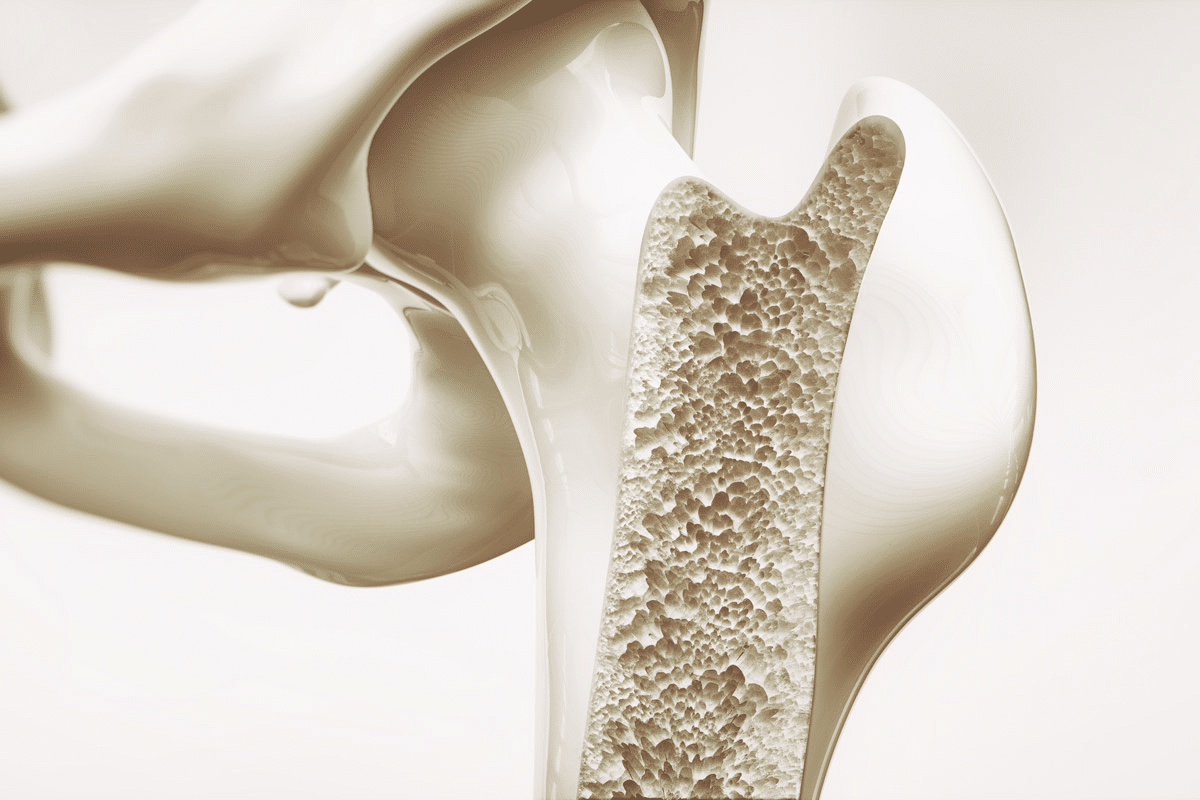
The bone remodeling process is key in how bone density changes with age. It involves breaking down old bone and making new one. This keeps bones healthy all our lives.
The Bone Remodeling Process
Bone remodeling is vital for keeping bones strong. It’s done by two main cells: osteoclasts and osteoblasts. Until about age 30, the body makes more bone than it loses. This is important for building strong bones in youth.
The Medical organization says bone loss happens with age. This can lead to osteopenia or osteoporosis. Osteoporosis is a big worry because it raises the risk of fractures.
Transition from Building to Losing Bone
After reaching peak bone mass around age 30, the body starts losing bone. This loss continues into old age. Hormonal changes, lifestyle, and some medical conditions play a role in this.
- Hormonal changes, like the drop in estrogen during menopause, speed up bone loss.
- A diet low in calcium and vitamin D also contributes to bone loss.
- Some medical conditions and medications can harm bone health.
Knowing these factors helps manage bone loss with age. A healthy lifestyle and being aware of risks can help keep bones strong.
“The bone remodeling process is a lifelong process that is essential for maintaining bone health. Understanding how it works can help in preventing and managing age-related bone loss.”
By understanding bone remodeling and its influences, we can grasp how bone density changes with age. We can also take steps to keep bones strong all our lives.
When Bone Density Begins to Decline
By the time we hit 40, our bones start to change in a way that’s both subtle and significant. Bone mineral density starts to go down, a trend that keeps going as we get older. This is true for both men and women.
Medical Expert, “After 40, bone mass slowly goes down. Taking 1,000 milligrams of calcium and 600 International Units (IU) of vitamin D each day can help keep your bones strong.” This shows how important what we eat is for our bones as we age.
Initial Decline Around Age 40
The first drop in bone density around 40 is a key moment. At this time, our body starts losing bone faster than it can make new one. This leads to a slow but steady loss of bone mass.
Nutritional interventions are key in slowing down this loss. It’s vital to get enough calcium and vitamin D to keep our bones healthy.
Acceleration Points in Bone Loss
Bone loss can speed up for many reasons, like changes in hormones. For women, menopause is a big turning point where bone density drops faster.
The table below shows how bone density changes at different ages:
|
Age Range |
Average Bone Density Change |
Factors Influencing Change |
|---|---|---|
|
40-50 |
Gradual decline |
Nutritional factors, lifestyle |
|
50-60 (Post-menopause for women) |
Accelerated decline |
Hormonal changes, reduced estrogen |
|
60+ |
Continued decline, increased risk of osteoporosis |
Aging, possible chronic conditions |
Knowing about these changes helps us fight bone loss better. By understanding how bone density changes with age, we can take steps to keep our bones strong.
Gender Differences in Bone Density Loss
Gender affects bone density loss, with women losing bone faster than men, mainly after menopause. This is due to hormone changes, like the drop in estrogen in women.
Female Bone Density Changes
Women see a big drop in bone density around menopause, which happens between 45 and 55. The fall in estrogen speeds up bone loss. Women over 50, in menopause, or postmenopausal should eat 1,200 milligrams of calcium daily, Medical Expert. This is key for keeping bones healthy.
Research shows postmenopausal women can lose up to 15% of bone density each decade. This fast loss shows why it’s vital to act early to protect bones.
Male Bone Density Changes
Men also lose bone density with age, but at a slower pace than women. The drop in testosterone affects bone loss, but not as much as estrogen’s drop in women. Diet and exercise are big factors in how fast men lose bone density.
Comparing Loss Rates Between Genders
Looking at bone density loss in men and women shows we need different ways to fight osteoporosis. Men lose bone density at a steady rate, but women’s drops sharply after menopause. This difference means women, post-menopause, need special help to avoid osteoporosis.
A study found women over 50 are more likely to get osteoporosis because they lose bone faster. Here are the main differences:
- Women lose bone density quickly after menopause.
- Men lose bone density slower, influenced by lifestyle and hormones.
- It’s important to have gender-specific ways to prevent osteoporosis.
Knowing these differences helps create better prevention and treatment plans. Healthcare providers can give more specific advice and help by understanding how bone loss affects men and women differently.
“The gender gap in bone density loss shows we need to tailor bone health plans,” Medical Expert. “By knowing the unique risks and how treatments work for men and women, we can fight osteoporosis better.”
The Impact of Menopause on Bone Health
Menopause is a key time for women’s bone health. It brings big changes in hormones. These changes make bones weaker, raising the risk of osteoporosis.
Hormonal Changes and Their Effects
Menopause usually hits women in their late 40s or early 50s. It’s when estrogen levels drop. Estrogen is vital for bone health, helping bones grow and keeping them strong.
Medical Expert, “Menopause starts in a woman’s late 40s or early 50s and lasts about seven years. It’s when estrogen levels go down. Estrogen helps build bones.” This drop in estrogen speeds up bone loss.
Accelerated Loss During the First Decade After Menopause
The first decade after menopause is very important for bones. Bone loss speeds up during this time. It’s key for women to act fast to keep their bones strong.
Bone loss is big around age 50, when menopause starts. Knowing how hormones affect bones during this time is key to keeping bones healthy after menopause.
Women can fight bone loss with diet, exercise, and sometimes medicine. These steps help lower the risk of osteoporosis and fractures.
Measuring and Interpreting Bone Density
Getting an accurate bone density reading is key to spotting osteoporosis and predicting fracture risks. Tests that don’t hurt are used to check bone health.
DEXA Scans and Other Diagnostic Tools
The top way to measure bone density is with a DEXA scan. DEXA scans are the best for finding osteoporosis and tracking bone changes. Other tools like quantitative computed tomography (QCT) and peripheral dual-energy X-ray absorptiometry (pDXA) might be used too.
Understanding T-Scores and Z-Scores
Test results show up as T-scores and Z-scores. T-scores compare your bone density to a young adult of the same sex. Z-scores compare it to someone of the same age. The World Health Organization says a T-score of -2.5 or less means you have osteoporosis. Scores between -1.0 and -2.5 show osteopenia. Anything above -1.0 is considered normal.
Knowing these scores helps doctors manage bone health better. A bad score, usually below -2.5, means you’re in the osteoporotic range.
Clinical Implications of Decreasing Bone Density
It’s important to understand how decreasing bone density affects health. As we age, our bones lose density, making us more prone to health problems. These issues can greatly affect our quality of life.
Fracture Risk Assessment
One major concern is the increased risk of fractures. The Medical organization notes that men and women lose 1 to 3% of bone mass each year after 50. This can lead to osteoporosis or fractures. It’s vital to assess fracture risk, mainly in older adults.
Quality of Life Impact
Osteoporosis can lower quality of life due to pain, disability, and loss of independence. As bone density drops, daily activities become harder. Keeping bones healthy is key to maintaining quality of life as we age.
Long-term Health Consequences
The long-term effects of decreasing bone density are serious. Osteoporosis can develop over years, making older age a risk factor. It’s important to manage osteoporosis to avoid long-term health issues.
Effective management includes lifestyle changes, nutrition, and medical treatments. Healthcare providers can help maintain bone health. This reduces the risk of fractures and other complications.
Risk Factors Accelerating Bone Density Decline
Knowing what causes bone density to drop is key to stopping osteoporosis. Many things can make bones lose density faster. This makes some people more likely to get osteoporosis.
Genetic and Family History Factors
Genetics are a big deal for bone density. If your family has osteoporosis, you might lose bone density too. Studies show genes can change how bones work and how dense they are.
Lifestyle and Environmental Influences
What you do and where you live can hurt your bones. Smoking and too much alcohol are bad for bones. Not eating enough calcium and vitamin D also hurts bone health.
Being active is very important. Sitting too much can hurt your bones. But, doing exercises that make your bones work harder can help keep them strong.
Medical Conditions and Medications
Some health issues and medicines can make bones lose density fast. The Medical organization says people with certain health problems or who have taken certain medicines are at higher risk. This includes those with hypogonadism, who have had a transplant, or who have had weight loss surgery.
|
Risk Factor |
Description |
Impact on Bone Density |
|---|---|---|
|
Genetic Factors |
Family history of osteoporosis |
Increased risk of bone loss |
|
Smoking |
Smoking tobacco products |
Negative impact on bone health |
|
Excessive Alcohol Consumption |
Drinking too much alcohol |
Accelerates bone loss |
|
Medical Conditions |
Hypogonadism, transplant, weight loss surgery |
Rapid bone loss |
Knowing these risks can help you take steps to protect your bones. Quitting smoking and drinking less can help. Also, managing health issues and talking to your doctor about medicines is important for keeping your bones strong.
Preventing and Managing Age-Related Bone Loss
To prevent bone loss with age, we need to focus on nutrition, exercise, and medical care. Our bones change as we get older, leading to weaker bones and a higher risk of osteoporosis. But, by knowing how to prevent bone loss, we can keep our bones strong for life.
Nutrition Strategies for Bone Health
Good nutrition is key to keeping bones healthy. We need to eat enough calcium and vitamin D to support our bones. Foods rich in calcium include dairy, leafy greens, and fortified items. Vitamin D comes from sunlight, fatty fish, and supplements.
- Eat foods high in calcium.
- Make sure you get enough vitamin D from sun, food, and supplements.
- Don’t overdo caffeine and sodium, as they can harm bones.
The Medical organization says the best ways to keep bones strong are to stay active, eat calcium-rich foods, get enough vitamin D, quit smoking, and drink less alcohol. This shows how important a complete approach to bone health is.
Exercise Recommendations by Age Group
Exercise is also vital for bone health. Weight-bearing exercises like walking, running, and lifting are best. The right exercise depends on your age and health.
- Young adults should do high-impact exercises to build strong bones.
- Older adults should focus on balance and strength exercises, like tai chi and resistance training.
- People with osteoporosis can try low-impact activities like yoga and swimming, but avoid bending or twisting.
Medical Interventions and Treatments
Sometimes, we need medical help to prevent or treat osteoporosis. This can include bisphosphonates, hormone therapy, and other drugs to keep bones strong. Always talk to a doctor to find the best treatment for you.
When Is It Too Late to Build Bone Density?
While we reach peak bone mass in our 20s, it’s never too late to improve bone health. Even older adults can benefit from exercise, better nutrition, and medical treatments. Early action is best, but anyone can take steps to protect their bones.
In summary, preventing bone loss with age requires good nutrition, exercise, and sometimes medical help. By following these steps, we can keep our bones healthy and lower the risk of osteoporosis and fractures as we age.
Conclusion
It’s key to know how bone density changes with age to keep bones strong and avoid osteoporosis. Bone density starts to go down at a certain age. This can be affected by genetics, lifestyle, and health conditions.
Medical Expert. Drake says it’s vital to keep bones healthy to avoid fractures. He believes all adults should know about their bone health and act to keep it strong. By understanding when bone density starts to drop and taking steps to prevent it, people can lower their risk of fractures and keep living well.
Preventing osteoporosis requires good nutrition, exercise, and medical care. Keeping bones healthy means living a healthy life, eating right, and staying active. By doing these things, people can fight age-related bone loss and lower their risk of osteoporosis.
In short, keeping bones strong and avoiding fractures is essential for health. By understanding bone density age and taking steps to prevent osteoporosis, people can look forward to a healthier future.
FAQ
At what age does bone density typically begin to decrease?
Bone density starts to decrease around age 30. This is after the peak bone mass is reached. The noticeable decline usually starts around age 40 in both men and women.
What is the impact of menopause on bone density in women?
Menopause makes women lose bone faster because of lower estrogen levels. The first decade after menopause is the most critical. This is when bone loss happens the fastest.
How is bone density measured, and what do the results mean?
Bone density is measured with DEXA scans. The results are compared to a young adult’s using T-scores. Z-scores compare it to someone of the same age. These scores help diagnose osteoporosis and osteopenia.
What are the clinical implications of decreasing bone density?
Lower bone density means a higher risk of fractures. It can also lead to pain and disability. Assessing fracture risk is key for preventive care, mainly in older adults.
What lifestyle changes can help prevent or slow down bone density decline?
Eating enough calcium and vitamin D, doing weight-bearing exercises, quitting smoking, and drinking less alcohol can help. These actions can maintain bone density and lower the risk of osteoporosis.
Is it too late to build bone density after a certain age?
It’s best to build bone density early, but it’s not too late to start at any age. Making lifestyle changes and using medical interventions can slow down or prevent further bone loss.
How do genetic and family history factors influence bone density?
Genetic and family history can greatly affect bone density. People with a family history of osteoporosis are at higher risk. They should start preventive measures early.
What is the difference in bone density loss between men and women?
Women, after menopause, lose bone density faster due to lower estrogen levels. Men also lose bone density with age but at a slower rate than women.
What is considered a bad bone density score?
A T-score of -2.5 or lower is considered osteoporotic, showing a high risk of fractures. Scores between -1 and -2.5 indicate osteopenia, a condition of lower than normal bone density.
Around what age does osteoporosis typically begin?
Osteoporosis can start at different ages based on various factors. The risk increases significantly after age 40. It accelerates in women after menopause.
References
National Center for Biotechnology Information. Evidence-Based Medical Guidance. Retrieved from https://pmc.ncbi.nlm.nih.gov/articles/PMC4867182/