
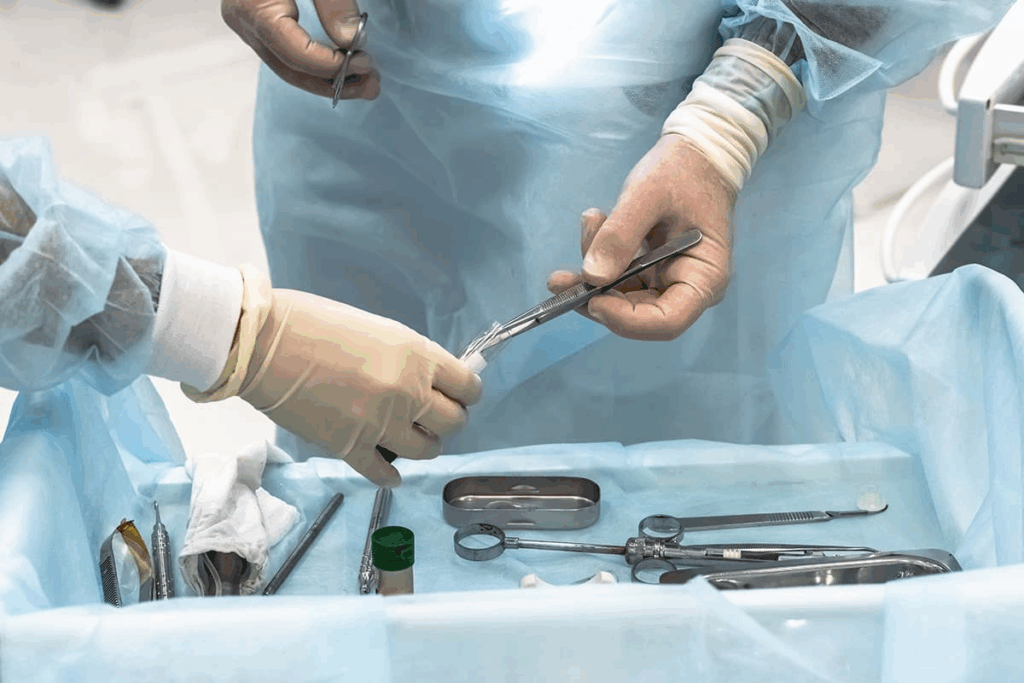
When serious bone damage happens, like from fractures or disease, our body might not heal on its own. That’s when a bone graft operation is needed. It’s a surgery that helps fix and strengthen damaged areas.
Thinking about surgery can be scary, but bone grafting is a trusted way to help bones heal. It creates a base for new bone to grow, fixing the damaged bone.
Key Takeaways
- Understand the purpose and importance of bone graft operations.
- Learn about the different types of bone grafting procedures.
- Discover the benefits of bone grafting in various medical fields.
- Find out what to expect during the bone graft operation process.
- Get insights into the recovery process after a bone graft operation.
What Are Bone Graft Operations?

Bone graft operations are surgeries that move bone tissue to fix or grow damaged bones. They are key in fixing bone health and helping bones heal in different parts of the body.
Definition and Purpose of Bone Grafting
Bone grafting is a surgery where bone is moved to fix or grow bone defects. Its main goal is to help new bone grow, fixing the bone’s structure.
The bone used in grafting helps the body’s natural repair process. It’s vital when bone loss happens from injury, infection, or removing diseased bone.
Common Reasons for Needing a Bone Graft
Bone grafts are used in many medical cases, like dental implants, fixing fractures, and rebuilding damaged bones or joints. Some reasons for needing a bone graft include:
- Supporting dental implants when the jawbone is too thin or soft
- Fixing fractures that didn’t heal right
- Rebuilding bones or joints damaged by disease or injury
Areas of the Body Where Bone Grafts Are Commonly Performed
Bone grafts are done in different body parts, based on medical needs. Common areas include:
| Area of the Body | Common Reasons for Bone Grafting |
|---|---|
| Hips | Fractures, degenerative diseases, and joint replacement revisions |
| Knees | Fractures, ligament reconstruction, and joint revision surgeries |
| Spine | Spinal fusions, degenerative disc disease, and spinal deformities |
Knowing how bone grafting works in these areas shows its complexity and importance.
Types of Bone Graft Materials

Bone graft operations use different materials, each with its own benefits. The choice depends on the patient’s health, the graft size needed, and the surgeon’s preference.
Autografts: Using Your Own Bone
Autografts use bone from one part of the body and move it to another. It’s the best choice because it uses the patient’s own cells. This reduces the risk of rejection or infection. But, it needs another surgery to take the bone, which can make recovery longer.
Allografts: Understanding Cadaver Bone Transplants
Allografts come from a donor, often a cadaver. They are cleaned and sterilized to be safe. They’re a good choice when you can’t use your own bone or need more. Modern methods have made them very safe.
“Allografts are a reliable option for big bone repairs,” says a top orthopedic surgeon.
Synthetic and Composite Bone Graft Materials
Synthetic grafts are made from man-made stuff like ceramics or polymers. They can be made to help bone grow. Composite grafts mix synthetic stuff with biological parts for better bone growth. They’re great because you can make them fit your needs.
Xenografts: Animal-Derived Options
Xenografts use bone from animals, like cows or pigs. They’re cleaned up to help new bone grow. They’re an option when you can’t use your own bone. But, there are things to think about like how well they work and if they might cause an immune reaction.
In short, picking the right bone graft material is key. It depends on the patient’s health, the graft site, and the surgeon’s skills. Knowing about the different materials helps patients make better choices.
The Bone Graft Operation Process
The bone graft operation is a detailed process with many stages. It starts with a consultation and ends with post-operative care. Knowing these stages helps patients prepare and feel less anxious.
Pre-Surgical Consultation and Evaluation
Before the surgery, patients have a detailed consultation. We check their overall health and the bone condition. This includes:
- Medical history review
- Physical examination
- Imaging tests like X-rays, CT scans, or MRI
These steps help us find the best surgery plan and spot any risks.
Step-by-Step Procedure Overview
The bone graft surgery has several important steps:
- Administering anesthesia for comfort
- Preparing the graft site by cleaning and shaping
- Harvesting the bone graft material (if using an autograft)
- Placing the graft material at the site
- Securing the graft with fixation methods
- Closing the incision site
We customize the procedure for each patient, based on their needs and the graft type.
Duration of Bone Graft Surgery
The surgery’s length varies based on the complexity and graft type. On average, it can last from one to several hours. The duration depends on:
- The grafting extent
- The number of sites
- The anesthesia type
Anesthesia Options and Considerations
Anesthesia is key for patient comfort during the surgery. We provide different anesthesia options, like local, sedation, or general anesthesia. The choice depends on:
- The patient’s health and history
- The procedure’s complexity and length
- Patient preference and anxiety
Our skilled anesthesiologists work with the surgical team to pick the best anesthesia for the patient.
Preparing for Your Bone Graft Surgery
Getting ready for bone graft surgery is a detailed process. We’ll help you through each step to make sure your surgery goes smoothly. This includes planning and paying attention to important details.
Required Medical Tests and Evaluations
We’ll do several medical tests and evaluations before your surgery. These help us check your health and find any possible risks. You might have:
- Blood tests to check for infections or bleeding disorders
- Imaging tests like X-rays or CT scans to look at your bones
- A review of your medical history to see if you have any conditions
Medication Adjustments Before Surgery
Some medicines might need to be changed or stopped before your surgery. This is to lower the risk of problems. We’ll look at your current medicines, including:
- Blood thinners that could make bleeding worse during surgery
- Diabetes medicines that might need to be adjusted
- Any other medicines that could affect anesthesia or the surgery
Dietary and Lifestyle Preparations
Changing your diet and lifestyle can help your body get ready for surgery. We suggest:
- Eating a balanced diet to help with healing
- Stopping smoking and tobacco products to avoid complications
- Drinking plenty of water and limiting alcohol
Also, keeping a healthy weight and managing stress can help your surgery go well.
What to Bring to the Hospital
On the day of your surgery, bring:
- Identification and insurance information
- A list of your current medicines and how much to take
- Comfortable clothes and any personal items you might need
It’s also a good idea to have someone you know come with you to the hospital for support.
| Preparation Step | Description | Timeline |
|---|---|---|
| Medical Tests | Blood tests, imaging tests, medical history review | 1-2 weeks before surgery |
| Medication Adjustments | Review and adjust current medications | 1-2 weeks before surgery |
| Dietary Changes | Eat a balanced diet, avoid smoking and tobacco | 2-4 weeks before surgery |
| Hospital Preparation | Bring ID, insurance info, medications, comfortable clothing | Day of surgery |
Finding the Right Specialist for Your Bone Graft Operation
Finding a qualified bone graft specialist is key for patients. The right specialist can greatly affect the success of the surgery. It also impacts your happiness with the results.
Types of Surgeons Who Perform Bone Grafts
Many surgeons can do bone grafts, depending on the body part. For example, orthopedic surgeons often do bone grafts for joints or fractures. On the other hand, oral and maxillofacial surgeons do them in the jaw for dental implants.
It’s important to find a surgeon who specializes in your specific bone graft needs.
Qualifications and Certifications to Look For
When looking for a bone graft specialist, check their qualifications. Make sure they are board-certified in their field. In the U.S., orthopedic surgeons need certification from the American Board of Orthopaedic Surgery (ABOS). Oral and maxillofacial surgeons need certification from the American Board of Oral and Maxillofacial Surgery (ABOMS).
- Verify the surgeon’s medical degree from a reputable institution.
- Check for any additional training or fellowships related to bone grafting.
- Ensure they are licensed to practice in their state or country.
Questions to Ask Your Surgeon
Before deciding, ask your surgeon several questions. This will help you understand their experience and how they will meet your needs. Some important questions include:
- How many bone graft operations have you performed?
- What is your success rate with bone graft procedures?
- Can you explain the bone graft means and techniques you use?
- What are the possible risks and complications of my procedure?
- How will you manage pain and recovery?
Getting Second Opinions
Getting a second opinion can give you more insight and confidence. It lets you compare different views and plans from various specialists. This helps you make a better decision.
Don’t be afraid to ask your first surgeon for a referral for a second opinion. Many professional surgeons support and respect patients who seek more opinions.
By carefully checking the qualifications and experience of surgeons and getting second opinions when needed, you can confidently choose the right bone graft specialist for you.
Costs and Insurance Coverage for Bone Grafts
Bone graft operations have different costs. Understanding insurance and financial help can be tricky. The price of a bone graft depends on the graft type, procedure complexity, and the patient’s health.
Average Costs by Graft Type and Procedure Complexity
The cost of a bone graft changes with the graft material. Autografts, using the patient’s bone, cost more because of extra surgery. Allografts and xenografts are cheaper but prices vary by source and processing.
| Graft Type | Average Cost | Procedure Complexity |
|---|---|---|
| Autograft | $1,500 – $3,000 | High |
| Allograft | $1,000 – $2,500 | Medium |
| Xenograft | $800 – $2,000 | Medium |
| Synthetic | $1,200 – $3,500 | High |
Insurance Coverage Considerations
Insurance for bone graft surgery varies by provider and policy. Some plans cover all costs, while others only part of it. It’s key to check your policy and talk to your insurance to know what’s covered.
What’s covered depends on the procedure’s need, graft type, and where it’s done.
Out-of-Pocket Expenses to Anticipate
Patients should expect to pay for deductibles, copays, and coinsurance. Costs can also include pre-surgery visits, post-op care, and physical therapy.
Financial Assistance Options
For those struggling with costs, there are financial help options. These include financing from providers, patient aid programs, and non-profit help for medical bills.
We suggest looking into these options and talking to your doctor about your financial situation. This can help find the best way to manage costs.
Recovery and Rehabilitation After Bone Graft Surgery
Recovering from bone graft surgery takes time, care, and a good plan. We’ll help you understand the recovery process. This ensures a smooth healing journey.
Immediate Post-Operative Care
Right after surgery, you’ll stay in a recovery area until you’re ready to go home. You’ll get post-operative care instructions for wound care, medication, and follow-up visits. It’s important to follow these steps to avoid problems.
You’ll need to rest and avoid heavy activities, like lifting or bending, as your doctor advises. Watch for signs of infection, like redness or fever, during this time.
Pain Management Strategies
Pain management is key during recovery. You’ll likely get pain meds to help with discomfort. Always take the medicine as directed and talk to your doctor before adding anything else.
Other ways to manage pain include using ice packs, elevating the area, and trying relaxation techniques like deep breathing or meditation.
Timeline for Recovery: From Two Weeks to One Year
The recovery timeline varies based on the surgery, your health, and following instructions. The first few weeks are the initial healing phase. The bone will fully integrate over several months to a year.
- Initial recovery phase: 2-4 weeks
- Bone healing and integration: 3-6 months
- Full recovery and rehabilitation: up to 1 year
Physical Therapy and Rehabilitation Protocols
Physical therapy and rehabilitation are important, more so for surgeries in areas like the jaw or hip. A custom rehabilitation plan helps regain function and strength. This ensures the best results from the surgery.
With physical therapy, you’ll start with gentle exercises and move to more challenging ones as you heal. Sticking to the rehabilitation plan is key for the best outcome and getting back to normal.
Potential Risks and Complications
It’s important for patients to know about the risks of bone graft operations. This knowledge helps them make better choices about their treatment. Even though bone grafting works well, it’s good to know about possible problems.
Common Side Effects and Minor Complications
After bone graft surgery, you might feel swelling, pain, and bruising. These symptoms usually go away on their own. You can take medicine and rest to help.
Minor issues like infection or a bad reaction to anesthesia can happen. But, they are usually easy to fix with the right medical help.
Serious Complications to Watch For
Though rare, serious problems can happen. These include nerve damage, big infections, or the body rejecting the graft. It’s key to watch how you feel after surgery and tell your doctor if something seems off.
Graft Failure: Causes and Solutions
Graft failure is when the bone graft doesn’t stick to the bone around it. This can be due to infection, not enough blood, or too much stress. If this happens, you might need more surgery to fix or replace the graft.
When to Contact Your Doctor
If you have severe pain, swelling that gets worse, or signs of infection, call your doctor right away. These symptoms could mean something serious is happening. Quick action can help avoid bigger problems and get you the best results.
Conclusion
Bone graft operations are key in many surgeries. They help fix bone loss and damage. We’ve looked at the different bone graft materials, like autografts, allografts, synthetic, and xenografts. Each has its own uses and benefits.
The bone grafting process starts with a detailed pre-surgery talk. Then comes the surgery itself, followed by a recovery plan. Knowing about anesthesia and post-op care is vital for success.
Cadaver bone grafts are often used and work well for many patients. The right bone graft material depends on the patient’s needs, the surgery’s complexity, and the doctor’s advice.
Recovering from a bone graft surgery needs careful planning. This includes managing pain and following physical therapy. Knowing about possible problems and when to see your doctor is key for a good recovery.
Understanding bone graft operations helps patients make better choices. We hope this guide has given you useful information. It should help you feel more confident about your treatment journey.
FAQ
What is a bone graft?
A bone graft is a surgery where a bone piece is moved from one part of the body to another. It can also use synthetic or donor bone to fix a damaged or missing bone.
What is cadaver bone meaning in the context of bone grafting?
Cadaver bone is bone tissue from a donor. It’s used in allograft bone transplants to repair or replace damaged or missing bone.
What are the different types of bone graft materials available?
There are several types of bone graft materials. These include autografts (your own bone), allografts (donor bone), synthetic grafts (man-made), and xenografts (animal-derived bone).
What is the definition of bone grafting and its purpose?
Bone grafting is a surgery to transplant bone tissue. It’s done to repair or rebuild damaged or missing bone. Its main goal is to restore bone health, aid in healing, and provide support.
How is a bone graft performed?
A bone graft surgery starts with a pre-surgery consultation. Then, the graft is placed in the affected area during the surgery. After that, post-operative care is key to ensure healing.
What is the recovery process like after a bone graft surgery?
Recovering from a bone graft surgery involves immediate care, managing pain, and a rehabilitation plan. This plan can last from weeks to months.
What are the possible risks and complications associated with bone grafts?
Risks and complications include common side effects and serious issues. Graft failure and adverse reactions are also possible. Always talk to your surgeon about these risks.
How much does a bone graft operation cost?
The cost of a bone graft operation varies. It depends on the graft type, procedure complexity, and location. Check with your insurance to understand costs and what you’ll pay out-of-pocket.
What are the qualifications and certifications to look for in a surgeon performing bone grafts?
When choosing a surgeon, look for board certification and relevant experience. Also, check if they have specialized training in the bone graft surgery you need.
What is the role of physical therapy in bone graft recovery?
Physical therapy is vital in bone graft recovery. It helps restore strength, mobility, and function in the affected area.
Can I get a second opinion before undergoing a bone graft operation?
Yes, getting a second opinion is common and recommended. It’s a good idea, even for complex or high-risk procedures like bone graft surgery.
References
World Health Organization. Bone Graft Surgery: Repairing and Strengthening Damaged Bones. Retrieved from https://www.who.int/publications/i/item/9789240051231